Cast Dutch Oven: Durable, Versatile Cookware for Global Kitchens
The Cast Dutch Oven: A Global Kitchen Essential with Timeless Appeal
The cast dutch oven is more than just a cooking pot; it’s a centuries-old culinary tool that continues to shape kitchens worldwide. Whether simmering stews in a bustling family household or carefully baking artisanal bread in remote communities, its versatility and durability make it a staple in both homes and industries. In a global context where sustainable, multi-purpose cooking tools are increasingly valued, understanding the benefits and applications of cast dutch ovens sheds light on why these humble pots remain relevant beyond mere tradition.
To put it simply, the cast dutch oven stands at the crossroad of culinary heritage and modern-day practicality, a perfect example of how enduring design meets evolving needs.
Global Significance: Why the Cast Dutch Oven Still Matters Today
Globally, millions rely on cast iron cookware for its durability and efficient heat retention. According to data from the International Organization for Standardization (ISO), cookware materials that combine longevity with sustainability are gaining traction, especially in emerging markets where resources must be judiciously used.
In regions facing energy scarcity or environmental challenges, cast dutch ovens offer a way to reduce cooking time and fuel consumption — a small but meaningful step toward combating global energy inefficiency. The cast dutch oven simplifies cooking for diverse populations, improving daily food security without sacrificing flavor or nutrition.
Yet, despite their value, mass production and modern convenience culture have put traditional cookware at risk. Many young cooks overlook these pots in favor of flashy, quick-use appliances. But the resurgence of home cooking during recent global events has revived interest in cast iron cookware, highlighting its role in more sustainable, home-based lifestyles worldwide.
What Exactly Is a Cast Dutch Oven?
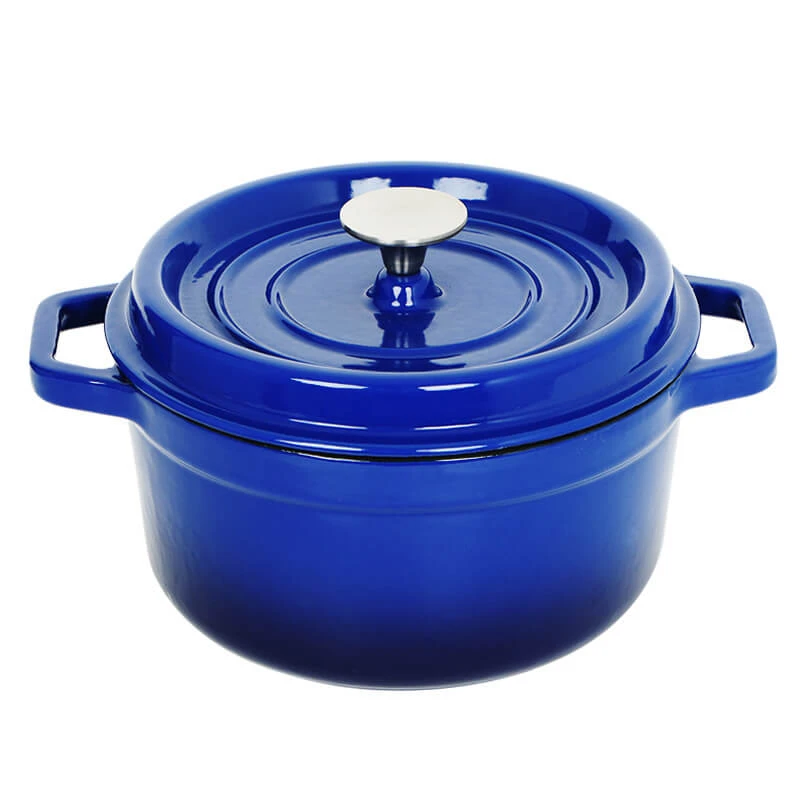
At its core, a cast dutch oven is a heavy cooking pot made from cast iron — often enameled to prevent rust and facilitate cleaning. With its thick walls and tight-fitting lid, it excels at evenly distributing heat and trapping moisture, making it ideal for braising, roasting, frying, and slow cooking.
In modern contexts beyond everyday kitchens, these ovens play vital roles in humanitarian efforts such as disaster relief camps, where efficient, durable cooking gear is essential. Informally, you might hear terms like “camp oven” or “potjie” (in South Africa)—but the essence remains the same: a robust, reliable cooker designed to feed many.
Mini takeaway:
- Cast dutch ovens are prized for their durability and versatility.
- They provide efficient cooking by trapping heat and moisture.
- Their global relevance extends into humanitarian and sustainable cooking applications.
Core Features That Make Cast Dutch Ovens Stand Out
Durability and Longevity
Cast iron’s hallmark is its ability to last generations. Unlike thinner, flimsier cookware prone to warping, a well-made cast dutch oven can survive decades of heavy use. Many families proudly pass theirs down as heirlooms.
Heat Retention and Distribution
The thickness of cast iron ensures slow, steady heat that penetrates food evenly — perfect for dishes requiring patience and careful temperature control. This characteristic reduces hotspot cooking often seen with thinner pots.
Multi-functional Use
From stovetop to oven and even open flame cooking, a cast dutch oven thrives anywhere. This versatility means fewer pots needed overall, simplifying kitchen setups, especially in limited or mobile environments.
Cost Efficiency Over Time
Granted, initial investment can be steeper than non-stick pans. But considering their extended lifespan and fuel-saving properties, cast dutch ovens often become more economical in the long run.
Ease of Maintenance (Enameled vs. Bare)
Enameled cast iron cuts down on seasoning chores and rust worries, a welcome option for busy cooks. Bare cast iron requires upkeep but offers unmatched non-stick qualities when properly maintained.
Eco-Friendly Cooking
The ability to use low heat not only conserves energy but also reduces greenhouse gas emissions. Plus, cast iron is recyclable and free from synthetic coatings that might pollute.
Mini takeaway:
- Durability and heat management make these ovens invaluable in diverse cooking scenarios.
- They offer a blend of traditional and eco-conscious design features.
Real-World Uses: How Cast Dutch Ovens Bring Flavor & Efficiency Globally
From a family kitchen in France baking cassoulet to a relief camp in South Sudan preparing meals for displaced communities, cast dutch ovens make an impact. In many indigenous communities, these pots are central to preserving culinary identity and enabling efficient cooking on limited fuel.
In industrial kitchen settings, they provide a reliable alternative to expensive high-tech equipment, especially where consistency and robustness are more critical than rapid turnover. Many outdoor enthusiasts and camping companies swear by cast dutch ovens because of their heat resilience and ability to cook a full meal over a campfire.
| Specification | Typical Value | Remarks |
|---|---|---|
| Material | Cast Iron (enameled or bare) | Enameled available for easier cleaning |
| Weight | 4-12 lbs (1.8-5.4 kg) depends on size | Heavier models hold heat longer |
| Capacity | 2-7 quarts | Good range for personal to family use |
| Heat Source Compatibility | Stovetop, oven, campfire, induction | Very versatile |
| Maintenance | Seasoning required for bare cast iron | Enameled pots easier to clean but heavier |
Mini takeaway: The cast dutch oven adapts beautifully to different cultures and cooking needs, proving its global charm and practicality.
Which Brand to Choose? A Quick Vendor Comparison
| Brand | Material & Finish | Price Range | Ideal Use Case | Unique Features |
|---|---|---|---|---|
| Lodge | Bare & Enameled Cast Iron | $40-$150 | Everyday cooking, outdoor use | Affordable, classic American brand |
| Le Creuset | Enameled Cast Iron | $200-$600+ | High-end gourmet cooking | Vibrant colors & long warranty |
| Staub | Enameled Cast Iron | $150-$400 | Professional & home kitchen | Matte black interior for searing |
What Are the Advantages That Keep Cast Dutch Ovens in Kitchens Worldwide?
Choosing a cast dutch oven means selecting both practicality and emotional value. On one hand, you’re investing in a cookware that saves energy, reduces waste, and can feed the family for decades without replacement. On the other, the reassuring weight of the pot in your hands and the smell of slow-cooked meals carry significant nostalgic comfort.
This cookware imparts a sense of reliability and craftsmanship that mass-market products simply cannot match. Its long lifespan makes it a sustainable choice, with lower environmental footprints compared to short-lived alternatives.
And don’t forget: cooking with a dutch oven encourages slow food culture and mindful eating, two trends that continue to win hearts (and stir appetite) globally.
Looking Ahead: Innovations and Emerging Trends in Cast Dutch Ovens
Oddly enough, cast iron—an ancient material—still finds room to innovate. New enamel coatings are making pots lighter and easier to clean, while retaining the classic durability. Some brands are experimenting with smart sensors integrated discreetly to monitor temperature.
Additionally, growing eco-movements are pressuring production toward local sourcing, responsible mining of iron ore, and reducing packaging waste. Digital platforms now offer more customization options, where buyers can choose specific colors, sizes, even personalized engravings, marrying tradition with personalization.
Common Challenges and How Experts Suggest Overcoming Them
Many people hesitate to buy a cast dutch oven due to its weight or maintenance fears. Seasoning cast iron can feel intimidating, especially to beginners. Plus, they can be costly upfront compared to aluminum or stainless steel pans.
Yet experts recommend selecting enameled versions for ease, or starting with mid-priced brands like Lodge that offer great quality without breaking the bank. Also, it’s about changing mindset—seeing seasoning as part of the pot’s “patina” rather than a chore helps. Carrying heavy cookware takes practice, but benefits in heat retention more than compensate.
FAQ: Frequently Asked Questions About Cast Dutch Oven
Q1: How do I properly season a bare cast dutch oven?
A1: Clean with warm, soapy water then dry completely. Apply a thin layer of vegetable oil inside and out, then bake upside down in a 350°F oven for an hour. This creates a natural non-stick surface and prevents rust.
Q2: Can I use a cast dutch oven on induction cooktops?
A2: Yes! Cast iron is magnetic and works perfectly on induction ranges. Just be cautious moving it on smooth surfaces to avoid scratching.
Q3: Is it safe to use cast dutch ovens for baking bread?
A3: Absolutely! Many bakers prefer dutch ovens to mimic steam ovens, which help create a perfect crust with soft crumb inside.
Q4: How heavy is a typical 5-quart cast dutch oven?
A4: Usually around 10 pounds (4.5 kg), which balances heat retention with manageable handling.
Q5: Are cast dutch ovens environmentally friendly?
A5: Yes. They require less replacement over time, save energy by efficient heat use, and most are recyclable at end of life. Choosing sustainably manufactured options boosts this benefit.
Conclusion: A Cast Dutch Oven Is More Than Just Cookware — It’s a Legacy
From fueling global kitchens to surviving generations of cooking adventures, the cast dutch oven combines heritage, practicality, and ecological mindfulness in one formidable package. If you haven’t yet, consider embracing one for your kitchen — it feels like inviting a trusted friend who sticks around for the long haul.
Ready to explore the perfect cast dutch oven for your home? Visit our website and discover styles, sizes, and smart tips to start cooking with confidence today.
References
-
Antique Cast Iron Camp Oven: Durable Outdoor Cookware for Professionals | ZD CookwareNewsJan.06,2026
-
Durable 4 Quart Camping Pot for Professional Use | ZD CookwareNewsJan.06,2026
-
Durable Campfire Cast Iron Pot for Outdoor & Industrial UseNewsJan.06,2026
-
Cast Iron Griddle for Camp Stove – Durable Outdoor Cooking EssentialNewsJan.06,2026
-
Dutch Oven Cast Iron Camping – Durable Outdoor Cooking GearNewsJan.05,2026
-
Durable and Efficient Cast Iron Camping Griddle for B2B Professionals | ZD CookwareNewsJan.05,2026