Blue Cast Iron Casserole Dish: Durable, Efficient, and Globally Relevant Cookware
Understanding the Blue Cast Iron Casserole Dish: A Blend of Tradition and Modern Utility
When you hear “blue cast iron casserole dish,” what comes to mind? Perhaps a charming piece of kitchenware that belongs in a cozy, rustic setting. Yet, this humble item is more than just a pretty pot; it's a global favorite with interesting practical benefits that ripple through cooking culture worldwide. Appreciating these dishes is about more than aesthetics — it’s about efficiency, sustainability, and culinary tradition meeting modern needs.
Global Context: Why the Blue Cast Iron Casserole Dish Matters
Oddly enough, cookware like the blue cast iron casserole dish plays a subtle but significant role globally. Protecting food quality and providing durable cookware are crucial concerns in both developed industries and humanitarian efforts. According to the International Organization for Standardization (ISO), cookware quality influences food safety standards, energy consumption, and waste management — all critical elements in global health and environmental goals.
But here’s the catch: many communities lack access to durable, reliable cookware that can withstand intense use, varying fuel conditions, and challenging transport. Enter the blue cast iron casserole dish, which offers a sturdy, multi-functional tool ideal for diverse settings — from professional kitchens to remote areas where food preparation can be a challenge.
What Is a Blue Cast Iron Casserole Dish?
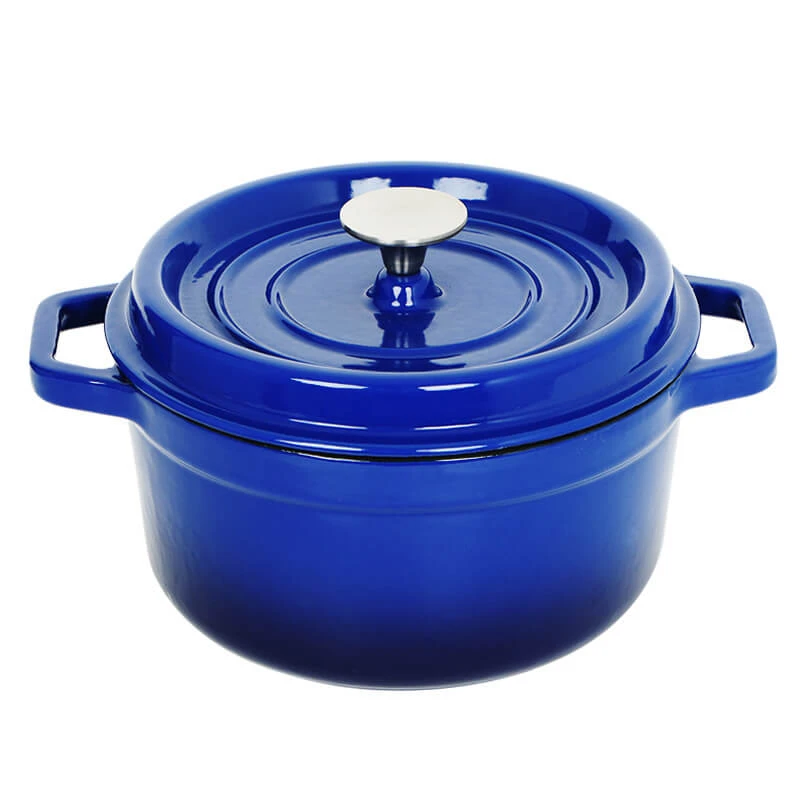
Simply put, the blue cast iron casserole dish is a heavy-duty cooking vessel usually finished with a striking blue enamel coating. Cast iron provides exceptional heat retention and even cooking, while the enamel adds a non-reactive, easy-to-clean surface that resists rust and wear. It merges traditional craftsmanship with modern production techniques, making it valuable not only for home cooks but also in industrial and humanitarian contexts where robustness matters.
Key Features of the Blue Cast Iron Casserole Dish
Durability
These dishes are famed for their longevity. A well-maintained cast iron casserole can last decades, sometimes becoming family heirlooms. This durability means reduced replacement rates and less environmental waste — a subtle but important sustainability win.
Heat Retention and Even Cooking
Cast iron’s dense material holds heat longer and distributes it evenly compared to other materials. This quality is essential for slow-cooked dishes—allowing flavors to meld beautifully without hotspots.
Non-reactive Enamel Coating
The blue enamel finish isn’t just decorative; it prevents metal from reacting with acidic foods, thus preserving taste and food safety. Plus, it simplifies cleaning — no seasoning struggles here.
Versatility
Whether you're simmering stews, baking casseroles, or roasting meats, the blue cast iron casserole dish works across stovetops, ovens, and even campfires.
Cost Efficiency
Though the upfront investment is higher than some alternatives, the dish’s longevity, combined with its energy efficiency (heat retention reduces cooking times), creates cost savings over time.
Product Specifications
| Specification | Details |
|---|---|
| Material | Cast Iron with Blue Enamel Coating |
| Diameter | 24 cm (approx. 9.5 inches) |
| Capacity | 3.5 liters (3.7 quarts) |
| Weight | Approx. 3.2 kg (7 lbs) |
| Oven Safe Temp | Up to 260°C (500°F) |
| Stovetop Compatibility | Gas, Electric, Induction |
Mini takeaway: This dish combines traditional heavy-duty design with practical features that hold value across households and industries alike.
Comparing Popular Vendors of Blue Cast Iron Casserole Dishes
| Vendor | Price Range | Warranty | Special Features |
|---|---|---|---|
| Brand A | $120 - $150 | Limited Lifetime | Handmade enamel finish |
| Brand B | $90 - $130 | 5 years | Oven-to-stovetop versatility |
| Brand C | $75 - $110 | 3 years | Variety of color options besides blue |
Global Applications and Use Cases
While you might associate these casserole dishes primarily with home chefs and food enthusiasts, they also find uses in broader contexts globally. For example:
- In Industrial Kitchens: Large-scale catering services prize cast iron for its robustness and heat retention.
- Humanitarian and Remote Areas: Agencies working in remote or disaster-hit zones prefer cookware that can endure rough use, varied fuel sources, and limited cleaning facilities.
- Eco-focused Communities: The durability and energy efficiency align with green living principles practiced worldwide.
In countries where cooking fuel is scarce or expensive, the blue cast iron casserole dish's superior heat retention allows cooking with less energy, translating to economic and environmental benefits. It’s a fascinating overlap of tradition, technology, and sustainability.
Mini takeaway: The blue cast iron casserole dish’s utility crosses boundaries — cultural, economic, and geographical — supporting diverse cooking needs.
Advantages and Long-Term Value
My personal experience mirrors widespread customer feedback: these casserole dishes just “feel” reliable. The sense of safety that food won’t burn easily or that the dish will survive heavy use lends a unique peace of mind.
Logically, the advantages are crystal clear:
- Cost Savings: Longevity reduces frequency of replacement and waste.
- Sustainability: Non-toxic enamel coatings and extendable lifecycle limit environmental impact.
- Social Impact: By supporting artisanal manufacturing, many brands help preserve local crafts and jobs.
- Trust and Comfort: Familiarity with cast iron cookware builds user confidence over time.
Future Trends and Innovations
Wondering where these cast iron beauties are headed? Sustainability is a leading force. Manufacturers are exploring greener enameling processes with lower emissions and better recyclability. Digital tech is quietly creeping in too — some brands offer smart lids embedded with temperature sensors paired with mobile apps for cooking control. How’s that for marrying old and new?
Meanwhile, customization gains pace, catering to global tastes and ergonomics. Blue remains a favorite color partly because it evokes calm and cleanliness in kitchen design.
Challenges and Solutions
Naturally, challenges exist. Cast iron is heavy, which can be a drawback for certain users. The enamel can chip if mishandled, and these dishes require proper care to avoid damage. Luckily, many vendors now include improved enamel formulas and offer detailed care guides — a simple yet effective solution.
Environmentally, cast iron production is energy-intensive. Nonetheless, its durability and potential for recycling offset the initial carbon footprint — a trade-off many experts see as reasonable if the product’s lifecycle is extended.
FAQ: Frequently Asked Questions About Blue Cast Iron Casserole Dish
- Q1: How do I clean and maintain a blue cast iron casserole dish?
- A1: Clean your dish with warm soapy water and a soft sponge; avoid abrasive scrubbers that can damage the enamel. Dry thoroughly to prevent rust on exposed cast iron parts. For stubborn residues, soak briefly and use a nylon brush. Regular use usually keeps the enamel bright and easy to clean.
- Q2: Can I use a blue cast iron casserole dish on induction cooktops?
- A2: Yes, cast iron is magnetic, making it fully compatible with induction cooktops. The heat distributes evenly, improving cooking performance compared to many other cookware types.
- Q3: Is the blue enamel coating safe for acidic foods like tomato sauce?
- A3: Definitely. The enamel coating is non-reactive, preventing iron from leaching into food and protecting flavors from metallic tastes, which can occur with untreated cast iron.
- Q4: How much does a good quality blue cast iron casserole dish typically cost?
- A4: Prices vary by brand and size but generally range from $75 to $150. Consider this an investment because with proper care, it can last decades.
Conclusion
In wrapping this up, the blue cast iron casserole dish is more than just kitchen flair — it's a powerhouse of functionality and tradition combined. Its global relevance spans everyday kitchens to professional and humanitarian settings, bringing together durability, efficiency, and timeless design. Curious to explore more options or find your perfect casserole dish? Visit our website to discover a range tailored for both classic and modern cooks.
Oddly enough, investing in such cookware feels like investing in future memories—food shared, flavors created, and legacies passed down.
References
-
Antique Cast Iron Camp Oven: Durable Outdoor Cookware for Professionals | ZD CookwareNewsJan.06,2026
-
Durable 4 Quart Camping Pot for Professional Use | ZD CookwareNewsJan.06,2026
-
Durable Campfire Cast Iron Pot for Outdoor & Industrial UseNewsJan.06,2026
-
Cast Iron Griddle for Camp Stove – Durable Outdoor Cooking EssentialNewsJan.06,2026
-
Dutch Oven Cast Iron Camping – Durable Outdoor Cooking GearNewsJan.05,2026
-
Durable and Efficient Cast Iron Camping Griddle for B2B Professionals | ZD CookwareNewsJan.05,2026