The Ultimate Guide to Non Stick Dutch Ovens - Durability, Use & Benefits
Understanding the Non Stick Dutch Oven: More Than Just a Kitchen Essential
When you hear non stick dutch oven, you might picture a piece of cookware sitting comfortably on your stove. But dig a little deeper, and this humble pot reveals a global story of culinary innovation, energy efficiency, and sustainability — a narrative blending tradition with technology. It's an essential tool for kitchens across continents, helping families cook healthier meals, reduce waste, and save energy. So why does this matter beyond our kitchens? Because in an age where food security and resource management are front and center globally, even the vessels we cook in can play a significant role.
Today’s piece explores what makes the non stick dutch oven so relevant, its core features, global impact, and why it deserves a spot in the spotlight of both home cooks and professionals alike.
Why Non Stick Dutch Ovens Are Gaining Global Attention
The global cookware market continues to expand, forecasted to exceed $24 billion by 2027 (source: Statista), driven largely by consumer demand for convenience and eco-friendly materials. Non stick cookware, and particularly dutch ovens, have become household staples not just for casual cooking but for serious meal prep all around the world. This isn't mere kitchen gadgetry — a quality cookware pot like a non stick dutch oven directly impacts cooking time, energy usage, and even the nutritional value of meals.
Moreover, the demand for sustainable cooking options aligns with broader industry and humanitarian needs. Organizations focusing on disaster relief or remote community support often rely on versatile cookware to provide nutritious meals efficiently. And here lies a growing challenge: how to supply durable, safe, and affordable cookware that minimizes environmental impact while maximizing performance.
What Is a Non Stick Dutch Oven, Really?
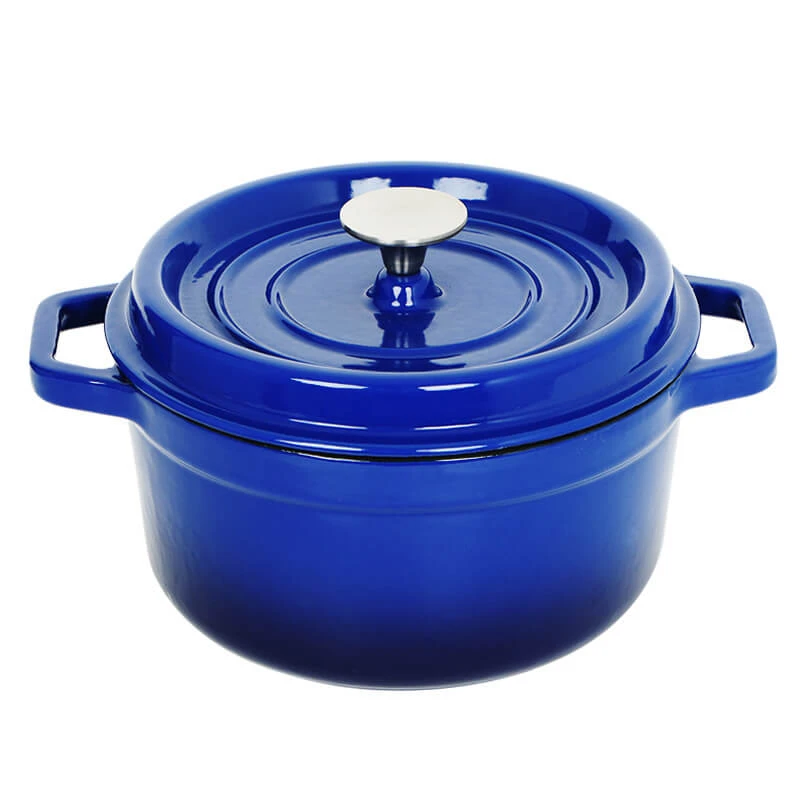
A non stick dutch oven is a heavyweight cooking pot traditionally made from cast iron but now often crafted with modern materials and coated with a non-stick finish. It combines the heat retention benefits of traditional dutch ovens with the modern convenience of non stick surfaces, making food release effortless and cleaning a breeze. This cookware marries the classic slow-cooking capability with quick, non-stick technology — perfect for searing, baking, braising, and simmering.
In a wider sense, these ovens reflect how kitchen technology evolves to suit lifestyles that value both function and sustainability. They represent an intersection: modern materials science meets age-old culinary techniques — which is surprisingly rare in the cookware realm.
Core Components That Define a Quality Non Stick Dutch Oven
1. Durability
Durability is king. A non stick dutch oven must stand up to frequent use, maintain its coating without peeling, and resist warping under high heat. Many manufacturers now use ceramic or titanium-enhanced coatings for longer lifespan.
2. Heat Retention & Distribution
By design, the thick walls provide excellent heat distribution, avoiding hotspots that could burn food. This ensures even cooking, crucial for dishes like stews or roasts that demand steady temperature over time.
3. Non Stick Coating Quality
This is the magic layer — it reduces sticking, thus reducing the need for oils or fats, promoting healthier cooking habits. Advances mean fewer harmful chemicals (think PFOA-free), healthier and safer choices.
4. Versatility
Use it on a gas stove, induction cooktop, or even in the oven. A quality dutch oven serves multiple cooking methods, making it a multi-use tool.
5. Eco-Friendliness
Many brands are now focusing on recyclable, non-toxic, and sustainably sourced materials, responding to rising consumer demand for green products.
6. Design & Ergonomics
Handles that stay cool, lids that fit securely, and sizes that suit portions from singles to families — these details distinguish excellent products.
Global Applications & Use Cases
You'll find non stick dutch ovens in the homes of bustling city apartments in Europe and in remote villages of sub-Saharan Africa where cooking efficiency can mean a world of difference. Their role extends beyond everyday recipes:
- Disaster Relief and Humanitarian Efforts: Portable, robust, and energy-saving cookware is vital when kitchens must be improvised during emergencies.
- Commercial Kitchens: Restaurants and catering services prize these ovens for their ease of cleaning and cooking consistency.
- Eco-conscious Households: Families seeking to reduce oil use and food waste often opt for non stick cookware.
- Outdoor Enthusiasts: Durable models are favorites for camping and outdoor cooking.
For example, NGOs operating in refugee camps have reported a decrease in fuel consumption by using efficient non stick cookware, which reduces the number of fires and protects surrounding forests (source: UNHCR).
Advantages & Long-Term Value
Beyond the obvious convenience, non stick dutch ovens offer tangible savings on energy and resources. Using less oil means healthier meals and reduced grocery spending; heat efficiency translates to lower fuel or electricity bills. There's also the emotional aspect: cooking with less mess and effort lets families focus on the joy of shared meals, a small but essential dignity.
What to Expect in the Future?
Innovation is heating up in the non stick cookware space. We’re seeing breakthroughs in coatings from eco-friendly plant-based resins to self-healing surfaces that repair scratches automatically. Integration with smart sensors monitoring cooking temperatures and timers is beginning to appear, pointing toward “connected” kitchenware. Also, manufacturers adapt sustainable sourcing and circular economy models, promising less waste.
Challenges Around Non Stick Dutch Ovens & How to Overcome Them
Not all non stick coatings are created equal. Some can degrade quickly or emit fumes if overheated. So, buyer education and improved manufacturing standards remain crucial. Recently, more companies offer warranties and invest in rigorous third-party testing, a reassuring signal for purchasers wary of quick wear.
Product Specification Table
| Feature | Description | Typical Range |
|---|---|---|
| Material | Cast Iron / Aluminum / Ceramic-coated | Heavyweight but heat conductive |
| Non Stick Coating | PTFE-free Ceramic / Titanium-infused, PFOA-free | Durable for 3-5 years |
| Capacity | Ranges from 3 to 7 quarts | Medium to large family size |
| Oven Safe | Up to 450°F (230°C) | Yes, for baking and roasting |
| Use | Gas, electric, induction compatible | Versatile |
A Quick Look at Popular Non Stick Dutch Oven Vendors
| Brand | Material & Coating | Price Range (USD) | Warranty | Primary Market |
|---|---|---|---|---|
| Zelda Cookware | Cast Iron with Ceramic Non Stick | $120 - $180 | 5 years | Home & Professional |
| EcoStove | Aluminum, Titanium-infused | $90 - $140 | 3 years | Eco-conscious Consumers |
| Heritage Ware | Enamel Coated Cast Iron | $160 - $220 | Lifetime | Premium Segment |
| GreenLiving Cookware | Ceramic Non Stick with Sustainable Sourcing | $110 - $150 | 4 years | Environmental Advocates |
FAQ: Frequently Asked Questions About Non Stick Dutch Ovens
Q1: How do I know if a non stick dutch oven is safe for induction stovetops?
A: Most modern non stick dutch ovens designed with magnetic materials like cast iron or certain grades of stainless steel are compatible with induction stoves. Always check the manufacturer's specs. If the bottom attracts a magnet, it usually works. For example, many non stick dutch oven models specify induction compatibility clearly.
Q2: Can I use metal utensils with a non stick dutch oven?
A: Generally, it’s best to avoid metal utensils as they may scratch or chip the non stick coating. Silicone, wooden, or plastic tools prolong the lifespan of the surface and keep the oven non sticky longer.
Q3: What cleaning method preserves the non stick coating?
A: Hand washing with warm water, mild detergent, and a soft sponge is recommended. Avoid abrasive cleaners or scouring pads, which can damage the coating. Over time, buildup from residue can reduce non stick efficiency, so regular gentle cleaning is key.
Q4: How long does a typical non stick coating last on a dutch oven?
A: While this varies, you can expect quality ceramic or titanium-infused coatings to last between 3 to 5 years with proper use and care. Some premium brands offer warranty coverage for longer periods.
Q5: Are non stick dutch ovens eco-friendly?
A: Many newer coatings are free from harmful chemicals like PFOA or PFAS, and manufacturers are adopting sustainable sourcing and recyclability measures. Choosing brands that emphasize environmental responsibility helps reduce your carbon footprint.
Wrapping It Up: Why a Non Stick Dutch Oven Is Worth Your Investment
For cooks everywhere, a non stick dutch oven isn’t just another pot; it’s a versatile partner in the kitchen. It saves time, energy, and often money — while helping prepare healthier, more delicious meals. Beyond that, these pots embody how thoughtful design paired with modern materials can meet global challenges: from environmental sustainability to food security. Whether you’re cooking for family dinners or supporting relief efforts on the ground, investing in quality cookware pays off in ways you might not expect.
Ready to upgrade your kitchen with a reliable, efficient non stick dutch oven? Visit our website and explore the range tailored for every need.
1. Statista – Global Cookware Market Growth
2. UNHCR Reports on Sustainable Fuel & Relief Cooking Solutions
3. ISO Standards on Cookware Safety and Materials
-
Antique Cast Iron Camp Oven: Durable Outdoor Cookware for Professionals | ZD CookwareNewsJan.06,2026
-
Durable 4 Quart Camping Pot for Professional Use | ZD CookwareNewsJan.06,2026
-
Durable Campfire Cast Iron Pot for Outdoor & Industrial UseNewsJan.06,2026
-
Cast Iron Griddle for Camp Stove – Durable Outdoor Cooking EssentialNewsJan.06,2026
-
Dutch Oven Cast Iron Camping – Durable Outdoor Cooking GearNewsJan.05,2026
-
Durable and Efficient Cast Iron Camping Griddle for B2B Professionals | ZD CookwareNewsJan.05,2026