Durable and Versatile Dutch Oven for Sale – Quality Cookware for Every Kitchen
Discovering the appeal of a dutch oven for sale: timeless cookware in a modern world
It might sound quaint, but the humble dutch oven for sale has a story far bigger than your grandmother’s kitchen. Globally, this cast-iron culinary workhorse bridges centuries of cooking tradition with modern needs—whether for home chefs who adore slow-cooked stews or for outdoor adventurers craving robust gear. The appeal? It's durable, surprisingly versatile, and oddly enough, eco-friendly in a world trying hard to reduce waste. Getting to know this item well means understanding how a simple pot can influence lifestyle, culture, and even economic activity across many regions worldwide.
Why is the dutch oven still relevant globally?
From a global perspective, kitchenware like the dutch oven isn’t just about pots and pans stacking on shelves. The World Bank identifies growing interest in sustainable, multi-use consumer goods as a key trend underpinning economic resilience in both developing and developed markets. It’s not just chefs reaching out for a perfect braise; industries with limited electricity access also rely on these ovens for slow-cooking food using traditional fuels. This creates a niche demand, especially in rural zones or regions affected by humanitarian crises, where reliable cooking tools are essential yet affordable.
Here’s an interesting tension: as urban kitchens become slick and high-tech, there’s this parallel momentum toward rugged, time-tested cookware designed for more exigent environments. It’s exactly why a dutch oven for sale pops up more often in aid shipments and camping stores than you might expect.
What exactly is a dutch oven?
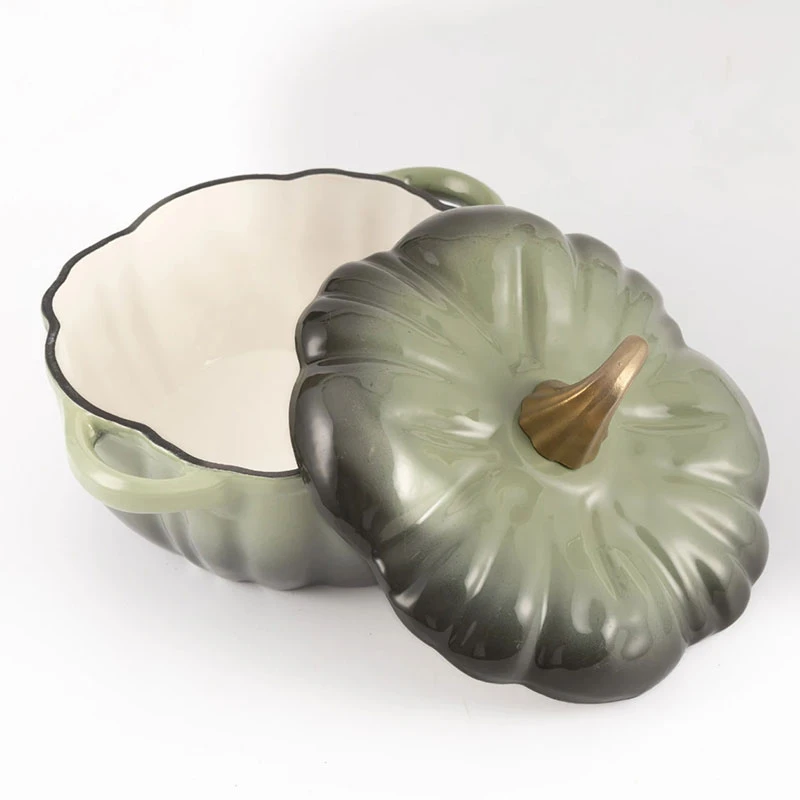
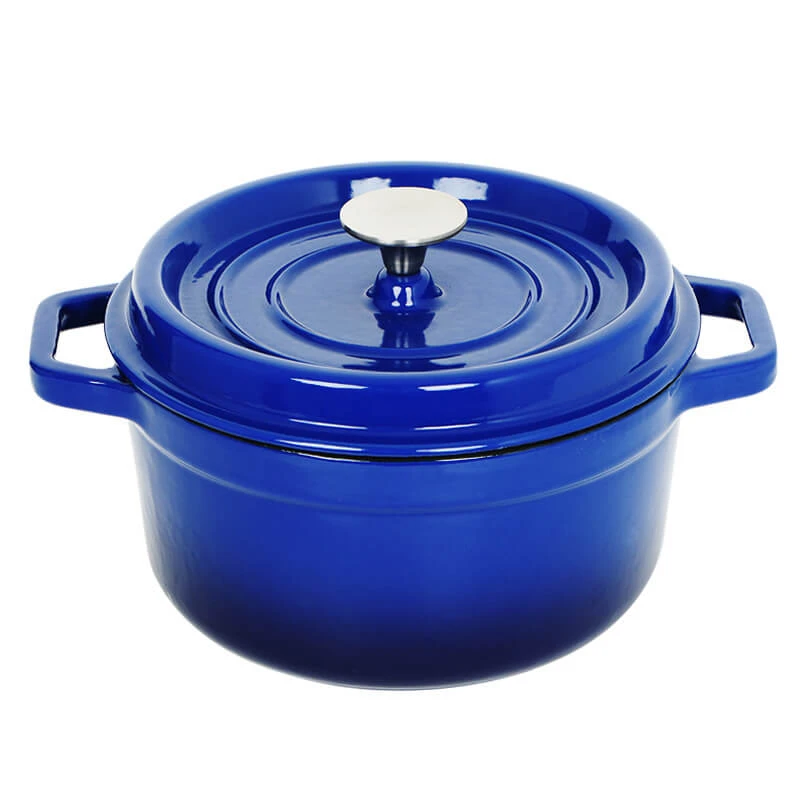
A dutch oven is a heavy-duty pot—typically cast iron, sometimes enameled—that can be used on stovetops, ovens, open flames, and even campfires. It’s really a pocket of controlled heat and moisture, excellent for slow cooking, braising, roasting, or baking. The thick walls and tight-fitting lid trap steam, ensuring food cooks evenly and retains flavor.
The connection to modern industry is subtle but important. Beyond kitchens, metals like cast iron are recyclable and long-lasting, so the manufacturing and supply chains around dutch ovens feed circular economy initiatives. Plus, in humanitarian contexts—think refugee camps or disaster relief—this kind of reliable cookware is invaluable for safe, communal meal prep, generally a linchpin for morale.
Key Factors That Define the Best Dutch Oven
1. Durability
Cast iron dutch ovens are built to last a lifetime, often outliving their owners. This isn’t just anecdotal; many families prize these pots as heirlooms. The enamel coating, when present, protects against rust and reduces maintenance burden.
2. Versatility
Use them in the oven, on a gas range, over coals, or even on induction cooktops if the base is suitable. A dutch oven’s adaptability means it can fit into almost any cooking scenario.
3. Thermal Efficiency
Possibly the biggest reason they’re trusted globally. The thick cast iron walls retain heat evenly, reducing fuel consumption—something that matters greatly in contexts where energy is precious or costly.
4. Cost Efficiency
While some enamel-coated models stretch budgets, the combination of durability and multi-functionality makes dutch ovens a smart investment that pays dividends long-term.
5. Design Features
From self-basting lids to heat-resistant handles, incremental improvements in design continue to evolve the traditional pot making it more user-friendly.
Quick specification table: Typical dutch oven features
| Feature | Specification |
|---|---|
| Material | Cast iron (often enamel-coated) |
| Capacity | 3 to 7 quarts (typical) |
| Weight | 5 to 10 lbs |
| Heat source compatibility | Gas, electric, induction (cast iron base), campfire |
| Maintenance | Seasoning required (cast iron); enamel easier to clean |
The global reach: Where and how dutch ovens make a difference
Depending on where you look, the applications vary wildly:
- Outdoor and Adventure Communities: Backpackers and campers swear by dutch ovens because they’re portable yet robust. Some companies actively market “camp oven” versions to this segment.
- Disaster Relief and Humanitarian Aid: Organizations shipping cooking supplies to crisis zones often include dutch ovens because they're sturdy and reliable without electricity.
- Rural and Off-grid Living: In places like parts of Africa or Southeast Asia, where stable power grids are still developing, dutch ovens facilitate safe, efficient cooking.
- Commercial and Artisan Kitchens: There’s a resurgence of interest in heritage cooking methods, and many boutique restaurants use them daily.
In post-disaster relief operations, for example, a robust dutch oven enables cooks to prepare nutritious meals even with limited fuel and unstable kitchen setups — a subtle but critical ingredient for community wellbeing.
Vendor Comparison: Popular dutch oven brands for sale today
| Brand | Material | Price Range | Unique Feature |
|---|---|---|---|
| Lodge | Pre-seasoned Cast Iron | $40–$120 | Affordable, US-made, rugged |
| Le Creuset | Enameled Cast Iron | $300–$600 | Colorful finish, premium craftsmanship |
| Staub | Enameled Cast Iron | $250–$500 | Matte black interiors, self-basting lids |
| Camp Chef | Cast Iron | $50–$150 | Designed specifically for outdoor use |
Advantages and long-term value of owning a dutch oven
The obvious benefits are many: its combination of durability, versatility, and heat efficiency makes it a sustainable cookware choice. Oddly enough, owning one feels a bit like holding a piece of cooking history — and investing in one is often seen as investing in family legacy. Plus, there is an emotional side to it: knowing your meals benefit from slow, even cooking can genuinely heighten the sense of care involved in food preparation.
Not to mention the cost savings over time. You won’t replace or upgrade your dutch oven anytime soon, and it reduces reliance on electric appliances. For communities with frequent power outages or limited fuel, it’s a fixture of reliability that builds trust — quite literally, in every meal served.
Looking ahead: Innovations in dutch oven design and sustainability
While the basics stay grounded in tradition, new materials and coatings are pushing the boundaries in cookware tech. Lightweight cast iron blends, non-toxic enamels, and recycled materials have entered the marketplace, blurring lines between heritage and green tech. Some manufacturers even experiment with digital embedded thermometers and compatibility with induction cooktops, proving the dutch oven isn’t boxed in by time.
Broader trends point toward a push for sustainable production and circular economy-friendly product life cycles—both critical in our climate-conscious era. So the next dutch oven you see might be smarter, lighter, and greener than you imagine.
Challenges facing dutch oven buyers and how to overcome them
One common gripe is weight. Cast iron is heavy, which can intimidate new owners or outdoor users. However, choosing enameled variants with thinner walls or camp-specific models designed for portability can help mitigate this.
Then there’s maintenance—good seasoning practices can feel like a ritual, and enamel surfaces, while easier to clean, may chip if mishandled. Still, many cooks find that this care becomes part of the charm, turning routine cleaning into a mindfulness moment rather than a chore.
FAQs: Your key questions about dutch oven for sale
- Q: Are enamel-coated dutch ovens better than bare cast iron?
A: It depends on your needs. Enamel-coated pots require less seasoning and are less prone to rust, but add cost and can chip. Bare cast iron is more traditional and versatile, especially for high-heat cooking, but needs more maintenance. - Q: Can I use a dutch oven on an induction stove?
A: Yes, most cast iron dutch ovens work perfectly on induction cooktops because cast iron is magnetic. Always check manufacturer specifics, but it’s usually a safe bet. - Q: How heavy is a typical 5-quart dutch oven?
A: Generally between 8 to 10 pounds, so it feels sturdy but manageable. Smaller sizes might weigh less, which could be better suited for some users. - Q: Can dutch ovens be used for outdoor cooking?
A: Absolutely! Cast iron's heat retention makes dutch ovens ideal for campfires and grills. There are even specialized “camp ovens” designed with features like legs. - Q: Where can I find a reliable dutch oven for sale online?
A: Reputed cookware brands, specialty outdoor retailers, and general marketplaces all stock dutch ovens. For a curated selection and trusted vendors, check dutch oven for sale listings.
Final thoughts: the timeless pot worth investing in
The dutch oven for sale isn’t just a product; it’s a lifestyle choice grounded in reliability, sustainability, and versatility. Whether you’re a casual home cook, a bushcraft enthusiast, or an aid organization outfitting a remote kitchen, this cookware delivers quiet, enduring value over years — sometimes generations. And with evolving innovations, it fits modern needs while honoring heritage. If you haven’t yet considered adding one to your culinary toolkit, maybe now’s the time.
Ready to explore options? Browse authentic, high-quality choices at dutch oven for sale and see which pot feels like it belongs in your kitchen.
References:
-
Mastering Outdoor Cooking with a Portable Dutch Oven GuideNewsApr.16,2026
-
Master Outdoor Cooking with the Oval Cast Iron Camp Oven GuideNewsApr.09,2026
-
Unlocking Flavorful Adventures with Outdoor Cooking with a Dutch OvenNewsApr.07,2026
-
Elevate Your Outdoor Cooking With A Premium Outdoor Cast Iron OvenNewsApr.04,2026
-
Discover the Benefits of a Cast Camp Oven for Outdoor CookingNewsMar.31,2026
-
Maximize Your Outdoor Cooking with a Camping Tripod and Dutch OvenNewsMar.28,2026