Mastering Outdoor Cooking with a Portable Dutch Oven Guide
Mastering Outdoor Cooking with a Portable Dutch Oven
For outdoor enthusiasts and culinary adventurers, the right equipment can make the difference between a mediocre meal and a gourmet experience in the wild. A portable dutch oven offers the perfect blend of versatility, durability, and heat retention, allowing you to bake, stew, and fry regardless of your location. Whether you are camping in the mountains or hosting a backyard gathering, these heavy-duty pots are designed to withstand high temperatures and uneven heat sources. In this guide, we will explore why this essential piece of cookware is a game-changer for your outdoor kitchen and how to choose the best one for your needs.
Why Choose a Portable Dutch Oven for Camping?
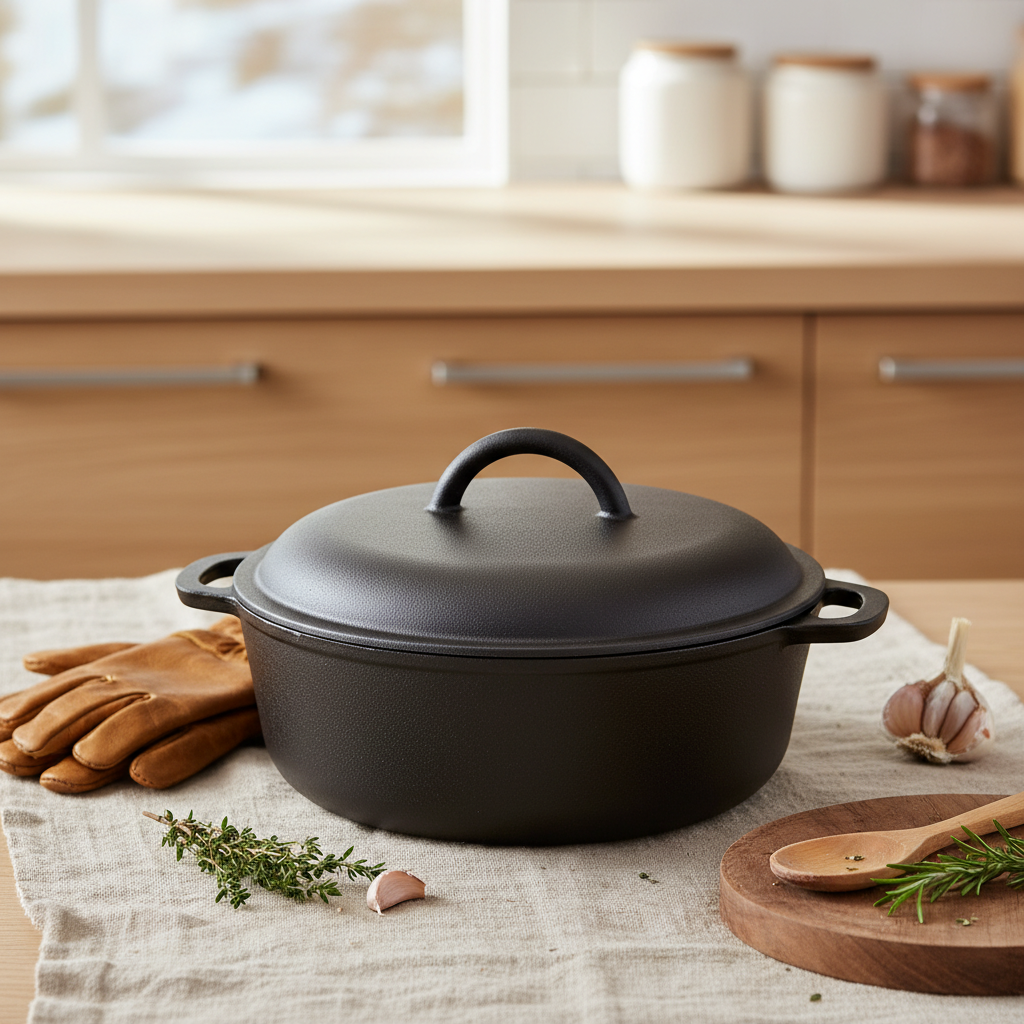
The primary appeal of a portable dutch oven lies in its exceptional thermal mass. Unlike thin camping pots, a Dutch oven distributes heat evenly, preventing hot spots that can burn your food. This makes it ideal for "low and slow" cooking, such as braising tough cuts of meat or simmering hearty stews. Furthermore, the heavy lid locks in moisture, ensuring that your meals remain juicy and flavorful. Its rugged construction means it can be placed directly over glowing coals or on a portable stove without risk of warping, providing a level of reliability that lightweight cookware simply cannot match.
Pro Tip: To maximize the efficiency of your oven, always use a lid lifter to avoid burns and consider using charcoal briquettes on top of the lid to create an oven-like environment for baking bread or cobblers.
Comparing Materials: Cast Iron vs. Carbon Steel Portable Dutch Oven
When shopping for a portable dutch oven, the material is the most critical decision. Traditional cast iron is prized for its unmatched heat retention, while carbon steel offers a lighter weight and faster response to temperature changes. While cast iron requires more seasoning to maintain its non-stick surface, it provides a deeper sear for meats. Carbon steel is often preferred by backpackers who need to balance performance with weight. Understanding these differences helps you select a tool that aligns with your specific cooking style and transport capabilities.
Essential Maintenance for Your Portable Dutch Oven
To ensure your portable dutch oven lasts for generations, proper care is non-negotiable. Seasoning is the process of baking oil into the metal to create a natural, non-stick patina and prevent rust. After each use, avoid using harsh soaps; instead, scrape away food residue with a chainmail scrubber or a stiff brush. Dry the pot immediately over a heat source to ensure no moisture remains. Finally, apply a very thin layer of vegetable oil and heat it until it smokes slightly before storing. This simple routine keeps the surface slick and protects the metal from the elements during transport.
Versatile Cooking Techniques with a Portable Dutch Oven
The beauty of a portable dutch oven is that it replaces multiple pieces of equipment. You can start by searing steaks or sautéing onions, then transition directly into a slow braise by adding liquid and covering with the lid. For those who crave dessert, the Dutch oven can act as a portable oven for baking cakes, cinnamon rolls, or fruit crumbles by placing hot coals on the lid. This versatility reduces the amount of gear you need to carry, making it the ultimate tool for efficient camp kitchen management.
Quick Recipe Ideas:
• Campfire Chili: Slow-simmered beef and beans over coals.
• Dutch Oven Pizza: Crispy crust achieved with high bottom heat.
• Apple Crisp: Topped with coals for a perfectly golden crust.
Technical Product Specifications
Choosing the right size and weight is key to portability. A portable dutch oven should be large enough to feed your group but small enough to fit in your vehicle. Most professional-grade options feature reinforced handles for safe lifting and a tight-fitting lid to minimize steam loss. Below are the standard specifications for our most popular outdoor models to help you decide which capacity fits your needs best.
Conclusion: Elevate Your Adventure with Professional Cookware
Investing in a high-quality portable dutch oven is an investment in your outdoor lifestyle. By providing consistent heat and immense versatility, it allows you to move beyond simple hot dogs and embrace the art of outdoor gastronomy. Whether you prefer the timeless weight of cast iron or the agility of carbon steel, the right Dutch oven ensures that your meals are as memorable as the scenery around you. Equip your kit with the best and taste the difference on your next journey.
Frequently Asked Questions (FAQs)
How do I season my portable dutch oven for the first time?
To season your oven, start by washing it with warm water and drying it completely. Apply a thin layer of unsaturated fat (like flaxseed or vegetable oil) to the entire surface, including the lid and handles. Place the oven upside down in a preheated oven at 450°F (230°C) for one hour. Let it cool naturally inside the oven. Repeat this process 2-3 times to build a strong, non-stick carbon layer that protects the metal from rust and enhances food release.
Can I use a portable dutch oven on an induction stove?
Yes, most cast iron and carbon steel portable dutch ovens are compatible with induction stoves because they are made of ferromagnetic materials. However, ensure that the bottom of the pot is flat to maximize the contact area with the induction surface. For those using these tools primarily for camping, the same pot that works on your home induction cooktop will perform exceptionally well over an open campfire or a portable gas burner.
How do I prevent my Dutch oven from rusting during storage?
Rust is the primary enemy of iron cookware. To prevent it, always ensure the pot is 100% dry before storing. After cleaning and drying, rub a very light coating of oil over the surface. If you are storing it in a damp environment, consider placing a paper towel inside the pot to absorb any residual moisture. For long-term storage, a dedicated carrying bag from ZD Cookware can provide an extra layer of protection against humidity.
What is the best way to clean burnt-on food from the pot?
For stubborn, burnt-on food, avoid using steel wool which can strip your seasoning. Instead, boil a small amount of water with a tablespoon of baking soda inside the pot. The heat and alkalinity will loosen the debris. Once the food lifts, use a chainmail scrubber or a wooden spatula to gently remove the residue. Rinse with warm water, dry immediately on the stove, and re-apply a light layer of oil to restore the protective seal.
-
Master Outdoor Cooking with the Oval Cast Iron Camp Oven GuideNewsApr.09,2026
-
Unlocking Flavorful Adventures with Outdoor Cooking with a Dutch OvenNewsApr.07,2026
-
Elevate Your Outdoor Cooking With A Premium Outdoor Cast Iron OvenNewsApr.04,2026
-
Discover the Benefits of a Cast Camp Oven for Outdoor CookingNewsMar.31,2026
-
Maximize Your Outdoor Cooking with a Camping Tripod and Dutch OvenNewsMar.28,2026