Oval Cast Iron Pot with Lid - Durable Industrial Cookware
Oval Cast Iron Pot with Lid: The Unsung Workhorse of Industrial Cooking
Having spent more than a decade in the industrial equipment sector, I can say with some confidence that not all cookware gets the spotlight it deserves. Take, for example, the oval cast iron pot with lid. It might sound a little old-fashioned, and perhaps it is, but there’s a reason this simple, sturdy product keeps showing up in commercial kitchens, industrial food prep facilities, and even artisanal shops.
Oddly enough, when I first came across one of these pots on a factory floor, I didn’t think much of it. But after months of observing how consistent the temperature retention was, how resilient the surface felt compared to some modern coated alternatives, I noticed its quiet strength. It’s not just a pot—it’s sort of a strategic asset when you’re cooking large batches for extended periods.
One thing worth noting is the excellent heat distribution thanks to the cast iron material. Many engineers and craft cooks alike emphasize this. It’s heavy, yes. But that heft translates directly into even heating — you rarely get hot spots, which is crucial whether you’re braising meat or simmering sauces for hours. The oval shape itself also lends some functional benefits. It accommodates long cuts of meat or whole birds more comfortably than a round pot might, so you don’t have to awkwardly bend or butcher ingredients just to make them fit.
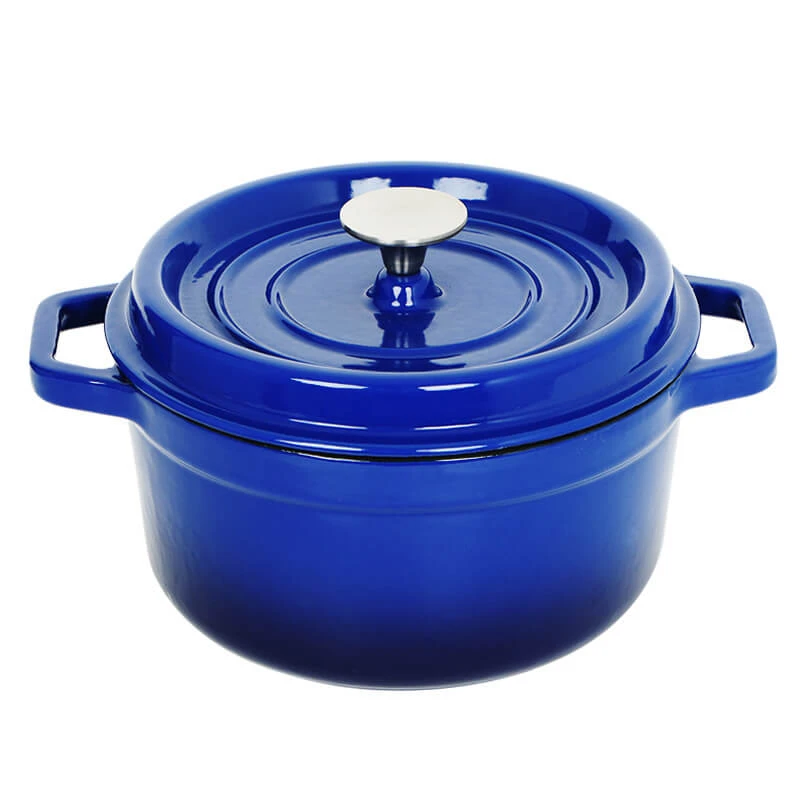
Plus, the snug-fitting lid helps lock in moisture and flavors, which is kind of the whole point in slow cooking scenarios. From what I’ve seen, the lid often matches the pot's craftsmanship exactly – thick, cast iron, designed not to warp under heat. So moisture retention isn’t just a bonus; it’s intentionally engineered.
Frankly, it’s a product that melds well with both traditional methods and modern industrial demands. The durability—there are stories of some of these pots lasting multiple decades if properly maintained—is something nobody in the business scoffs at. And trust me, not every kitchenware piece can survive a commercial kitchen’s relentless pace.
Technical Specifications of a Typical Oval Cast Iron Pot with Lid
| Specification | Details |
|---|---|
| Material | High-grade cast iron (enameled or bare) |
| Dimensions | Typically 15" length x 9" width x 5" height |
| Weight | Approx. 15–20 lbs |
| Lid Type | Heavy cast iron with lip seal |
| Heat Source Compatibility | Gas, electric, induction, and oven safe |
| Finish Options | Bare cast iron or porcelain enamel coating |
I once worked with a catering business owner who swore by her oval cast iron pots. She showed me how she could prepare a whole duck in one go with no fuss, thanks to that shape. She also loved that she could trust these pots on all heat sources – electric stoves and grills alike – something that modern lightweight gear sometimes fails at.
Vendor Comparison: Popular Industrial Oval Cast Iron Pots
| Brand | Weight (lbs) | Finish | Price Range | Warranty |
|---|---|---|---|---|
| Brand A | 18 | Enameled | $120-$160 | 10 years |
| Brand B | 20 | Bare Cast Iron | $90-$130 | Lifetime (limited) |
| Brand C | 15 | Porcelain Enamel | $110-$150 | 5 years |
In real terms, your choice will often boil down to what fits your workflow and budget. Do you want the bare cast iron that you can season yourself and trust for generations? Or the convenience and ease of enamel coating, which simplifies cleaning? I suppose it’s like most things in industry—balance cost, longevity, and maintenance ease.
For those seriously considering adding one to their lineup, I’d say look for thick, well-cast iron without weak points or thin spots. The lid should sit flush and be sturdy enough to withstand the weight of stacked pots or storage. And, if you want my humble opinion, consider this less of a purchase and more of an investment in reliable performance...
If you want to get hands-on with one of the best, I recommend checking out the selection over at ZD Cookware. They’ve consistently delivered quality, industrial-grade cast iron gear, and their oval pots come with solid reviews from folks who really put them through their paces.
Before I wrap up, I just want to say: these pots may seem a bit “retro,” but frankly, that combination of simple design and robust material just might be the key to cooking success in a high-volume environment. They’re not flashy, but they're dependable. And honestly, in an industry where so many things get replaced every few years, that means a lot.
Reflection: In the fast-evolving world of industrial cookware, sometimes the oldest tools prove to be the most reliable—and the oval cast iron pot with lid is a perfect example.
- Industry Kitchen Equipment Trends, 2023 Report
- Materials Science of Cast Iron, Journal of Metals, 2022
- User Reviews & Testimonials at ZD Cookware Platform
-
Mastering Outdoor Cooking with a Portable Dutch Oven GuideNewsApr.16,2026
-
Master Outdoor Cooking with the Oval Cast Iron Camp Oven GuideNewsApr.09,2026
-
Unlocking Flavorful Adventures with Outdoor Cooking with a Dutch OvenNewsApr.07,2026
-
Elevate Your Outdoor Cooking With A Premium Outdoor Cast Iron OvenNewsApr.04,2026
-
Discover the Benefits of a Cast Camp Oven for Outdoor CookingNewsMar.31,2026
-
Maximize Your Outdoor Cooking with a Camping Tripod and Dutch OvenNewsMar.28,2026