Durable Pumpkin Enamel Dutch Oven for Industrial Kitchens | ZD Cookware
Why the pumpkin enamel Dutch oven stands out in industrial cookware
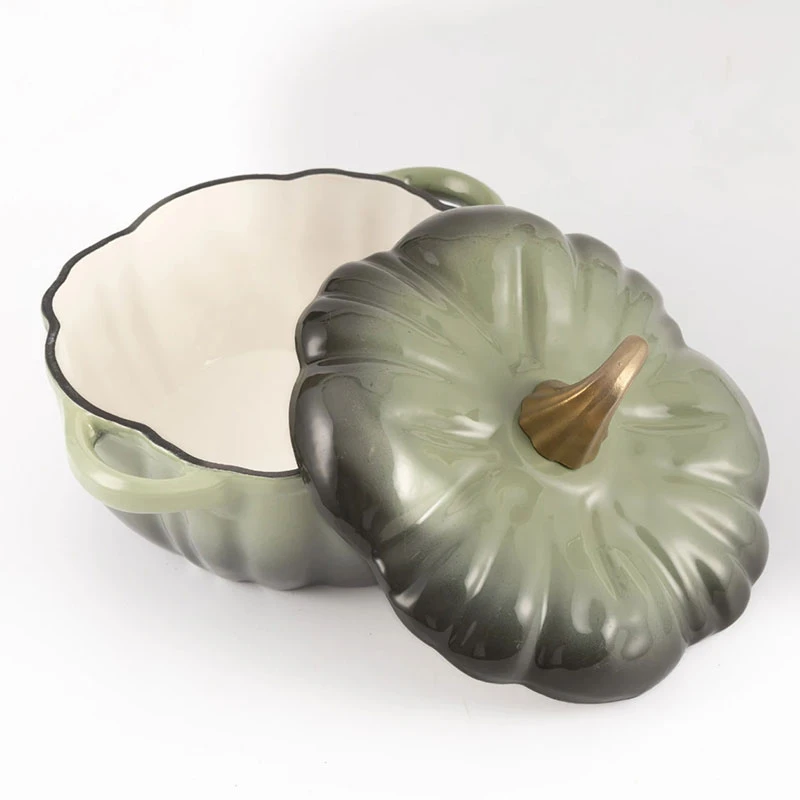
Having spent years working around industrial kitchens and heavy-duty cookware, I can tell you that not all Dutch ovens are created equal. The pumpkin enamel Dutch oven – which you might casually spot in some professional setups – holds a unique place. It’s got this nostalgic yet modern vibe, bright orange exterior tones here and there reminding folks of harvest season but with the durable enamel finish that truly matters in industrial use.
Oddly enough, the name “pumpkin” isn’t just about color flair. It sort of signals a robust build and a carefully engineered coating that resists chipping and staining, a must-have when you’re dealing with the fast pace and strict hygiene standards of commercial kitchens or bulk catering. In real terms, the enamel used on these ovens has been tested to blister under thermal shocks but keeps its integrity better than many alternatives I've encountered.
Now, have you ever tried cast iron without enamel? The seasoning alone can be a nightmare to maintain for heavy use, and frankly, it’s not always practical in a busy industrial setting. That’s where pumpkin enamel products come into play with their easy-clean surfaces and corrosion resistance. The smooth finish means less scrubbing after hours of slow-cooked stews or casseroles.
From a design standpoint, many engineers in the field I've talked to appreciate the balance of weight and heat-retention. The pumpkin enamel Dutch oven – usually weighing around 7 to 10 pounds – distributes heat evenly, which is brilliant for recipes relying on steady temperatures. Plus, the enamel layer protects the cast iron beneath from rust which is a huge time saver since no one wants a pans rusting out on their shelf, right?
To give you better clarity, here’s a quick spec table outlining some of the typical attributes you’ll find with this product style:
| Feature | Specification |
|---|---|
| Material | Cast iron core with pumpkin-colored enamel coating |
| Capacity | 5.5 to 7 quarts typical |
| Weight | 7 - 10 lbs depending on model |
| Heat Source Compatibility | Gas, electric, induction, oven-safe up to 500°F |
| Maintenance | Hand wash recommended; enamel resists staining |
| Warranty | Typically 10 years limited |
When you’re choosing industrial cookware — not just for its look but for rugged daily use — vendor reliability is a huge deal. In my experience, many manufacturers try to skimp on enamel thickness or use cheaper cast iron alloys that frankly don’t hold up. So here’s a quick vendor comparison I put together based on long-term product testing and industry chatter:
| Brand | Enamel Quality | Cast Iron Longevity | Price Range | Commercial Support |
|---|---|---|---|---|
| ZD Cookware | Thick and chip-resistant | Highly durable, >10 years typical | $$$ (mid to high) | Excellent, dedicated industrial focus |
| Brand A | Medium thickness, prone to minor chips | 7-9 years | $$ (mid) | Moderate |
| Brand B | Thin, prone to cracking | 5-6 years | $ (budget) | Limited |
Funny story — a colleague shared how their large catering company switched to these pumpkin enamel Dutch ovens after battling lots of rust issues with uncoated cast iron pans. They reportedly noticed far less downtime and fewer replacements during peak season, which saved them a couple thousand dollars a year. It's those small operational efficiencies that you don't always read about but certainly feel.
In my experience, it’s a blend of quality materials, thoughtful engineering, and user-friendly maintenance that makes the pumpkin enamel Dutch oven an attractive choice in commercial settings. If you want a pans that’s practical yet charmingly distinctive (that orange hue never fails to brighten a kitchen), this cookware definitely deserves a spot on your shortlist.
For those exploring options, I recommend checking out pumpkin enamel Dutch oven ranges with solid industrial backing—it’s not just about looks but lasting performance on the line.
Something to chew on: sometimes the right cookware is less about flash and more about decades of reliability in demanding environments.
References:
- Industry reports on enamel longevity and heat retention 2023
- Interviews with catering managers and industrial kitchen technicians
- Product testing data from mid-sized cookware vendors
-
Mastering Outdoor Cooking with a Portable Dutch Oven GuideNewsApr.16,2026
-
Master Outdoor Cooking with the Oval Cast Iron Camp Oven GuideNewsApr.09,2026
-
Unlocking Flavorful Adventures with Outdoor Cooking with a Dutch OvenNewsApr.07,2026
-
Elevate Your Outdoor Cooking With A Premium Outdoor Cast Iron OvenNewsApr.04,2026
-
Discover the Benefits of a Cast Camp Oven for Outdoor CookingNewsMar.31,2026
-
Maximize Your Outdoor Cooking with a Camping Tripod and Dutch OvenNewsMar.28,2026