Choosing The Right Cast Iron Saucepan Set
Cast iron cookware has been a staple in kitchens for centuries, prized for its durability, heat retention, and versatility. Whether you’re a professional chef or a home cook, investing in a high-quality cast iron saucepan set can elevate your culinary experience. This article explores how to select the ideal cast iron cooking set, focusing on key considerations such as material quality, design, and functionality. We’ll also address common questions about cast iron pots and pans set to help you make an informed decision.
Understanding the Basics of Cast Iron Pots and Pans for Optimal Cooking
Cast iron pots and pans are renowned for their ability to distribute heat evenly, making them ideal for searing, frying, baking, and slow-cooking. Unlike thinner materials, cast iron retains heat exceptionally well, ensuring consistent temperatures during cooking. When selecting cast iron pots and pans, prioritize pre-seasoned options, as these come with a protective layer that prevents rust and enhances non-stick properties.
A high-quality cast iron cooking set should feature thick walls and a sturdy base to withstand high temperatures without warping. Look for smooth surfaces free of pits or cracks, which can affect cooking performance. Additionally, ergonomic handles are essential for safe handling, especially when moving heavy pots from stovetop to oven.
For bulk buyers, such as commercial kitchens or hospitality businesses, durability is paramount. Cast iron pots and pans designed for heavy-duty use often include reinforced rims and reinforced handles to endure frequent use. Proper maintenance—such as regular seasoning and avoiding prolonged exposure to moisture—ensures longevity, even in high-volume environments.
Key Features to Evaluate in a Cast Iron Pots and Pans Set
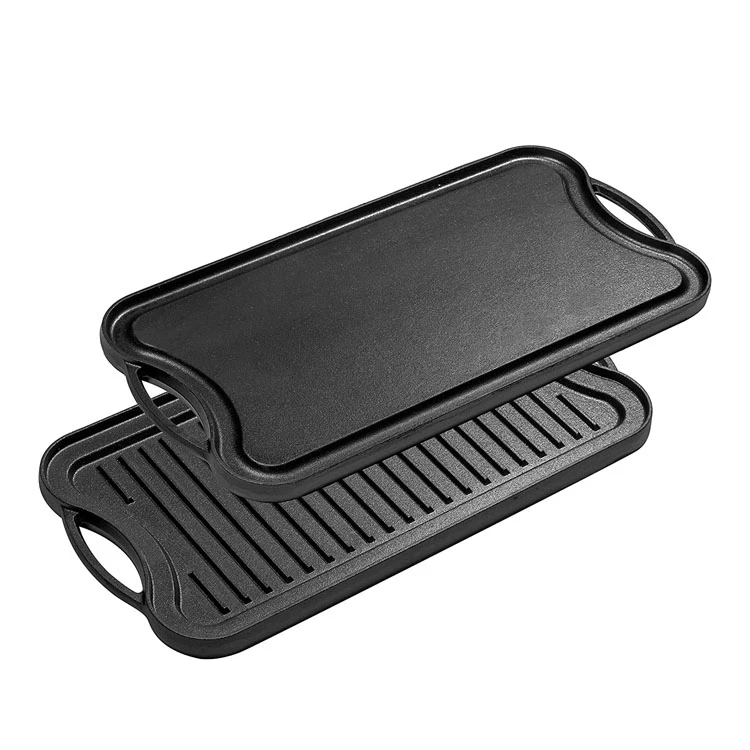
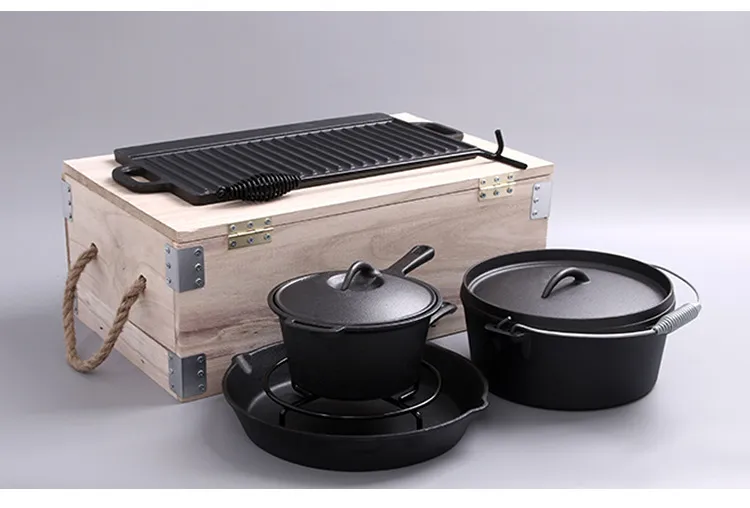
When purchasing a cast iron pots and pans set, consider the variety of pieces included. A versatile set might include skillets, Dutch ovens, griddles, and saucepans, catering to diverse cooking techniques. For instance, a cast iron saucepan set is ideal for simmering sauces or boiling grains, while a Dutch oven excels at braising meats or baking bread.
Compatibility with heat sources is another critical factor. Ensure the cast iron cooking set works seamlessly on gas, electric, induction, or open-flame setups. Some sets include lids with heat-resistant knobs, enabling oven-safe use up to 500°F (260°C).
Weight and storage are practical considerations. While cast iron is inherently heavy, modern designs often incorporate lightweight enhancements without compromising durability. Stackable configurations or nested sets save space, making them ideal for bulk storage in commercial settings.
Lastly, verify that the cast iron pots and pans set meets industry safety standards. Smooth, lead-free finishes and non-toxic seasoning materials are non-negotiable for food safety.
Advantages of Investing in a Comprehensive Cast Iron Cooking Set
A well-rounded cast iron cooking set offers unmatched versatility. From searing steaks to baking casseroles, these pieces adapt to nearly any recipe. Their ability to transition from stovetop to oven simplifies cooking processes, reducing the need for multiple pots.
For bulk purchasers, such as restaurants or catering services, a cast iron saucepan set ensures consistency across dishes. Uniform heat distribution minimizes hot spots, which is crucial for large-batch cooking. Additionally, cast iron’s natural non-stick properties—when properly seasoned—reduce reliance on oils, aligning with healthier cooking trends.
Long-term cost efficiency is another advantage. Unlike non-stick coatings that degrade over time, a cast iron pots and pans set improves with use. Regular seasoning enhances its natural non-stick surface, and minor scratches or wear can be remedied through re-seasoning. This makes cast iron a sustainable choice for high-volume kitchens.
How to Select the Perfect Cast Iron Saucepan Set for Your Needs
Choosing the right cast iron saucepan set hinges on understanding your specific requirements. For example, a commercial kitchen might prioritize larger capacities and multi-functional pieces, while a household may prefer smaller, easier-to-handle options.
Evaluate the set’s composition. A basic cast iron cooking set might include a 10-inch skillet and a 5-quart Dutch oven, whereas premium sets could feature specialty items like grill pans or double-handled braisers. Ensure the cast iron pots and pans set aligns with your most frequent cooking tasks.
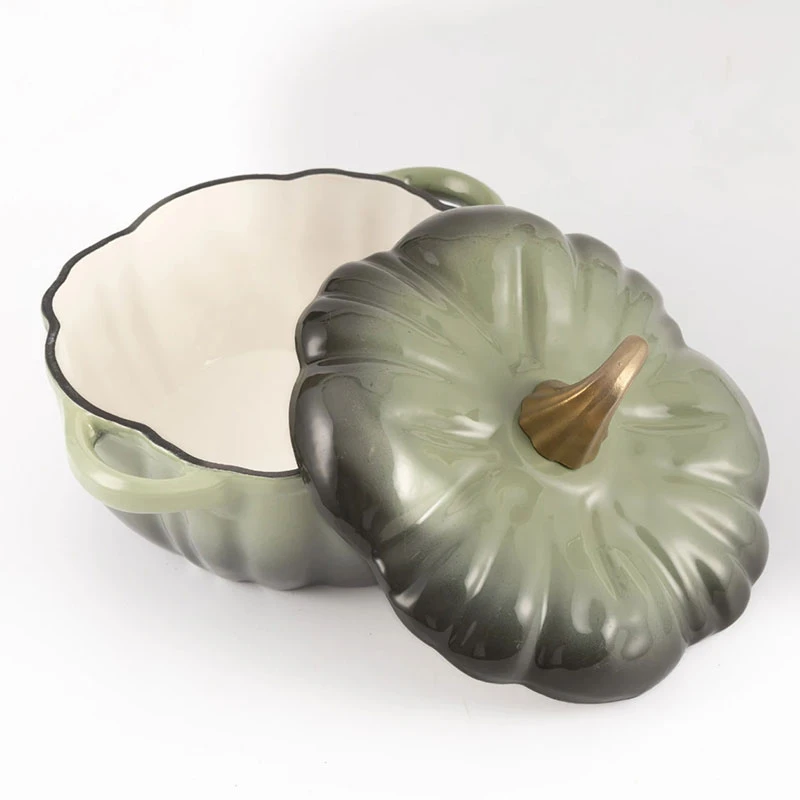
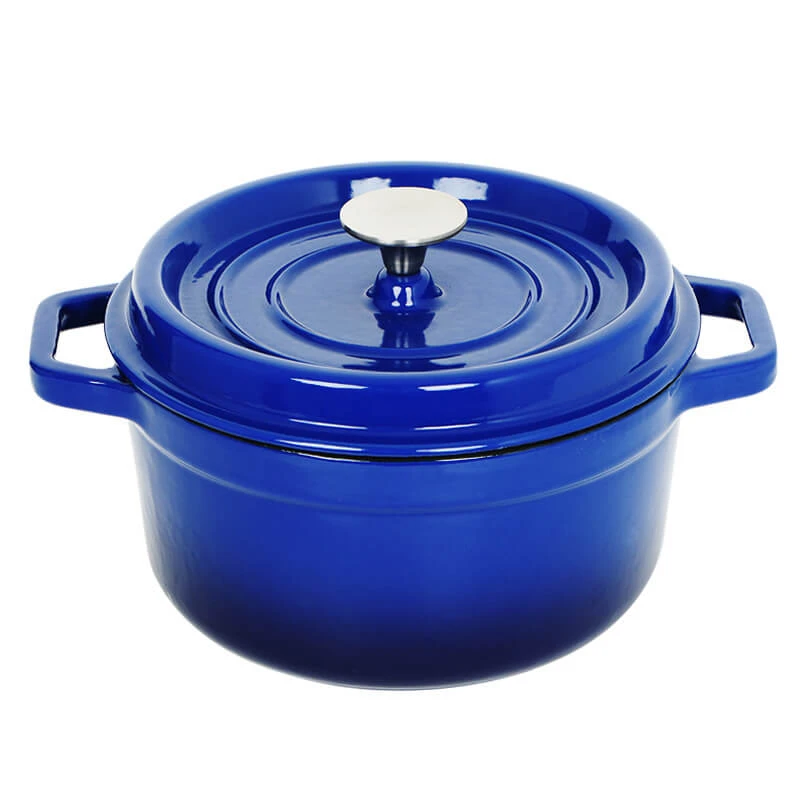
Finish and aesthetics also matter. Enamel-coated cast iron offers vibrant colors and easier maintenance, though traditional bare cast iron requires more care. For bulk buyers, enamel coatings can reduce seasoning upkeep, freeing staff to focus on meal preparation.
Finally, review warranty and support options. Reputable manufacturers often provide lifetime warranties or replacement guarantees, reflecting confidence in their cast iron saucepan set’s durability.
FAQs About Cast Iron Pots and Pans Set
What are the benefits of using a cast iron cooking set compared to other materials?
Cast iron cooking set excel in heat retention and even distribution, ideal for slow-cooking or high-heat searing. They are also more durable than non-stick or aluminum cookware, lasting decades with proper care.
How do I maintain a cast iron pots and pans set to prevent rust?
After washing, dry the cast iron pots and pans set thoroughly and apply a thin layer of oil. Store in a dry place, and avoid soaking in water. Regular seasoning builds a protective layer that prevents rust.
Can a cast iron saucepan set be used on induction stovetops?
Yes, most cast iron saucepan set are induction-compatible due to their magnetic properties. Ensure the base is flat for optimal contact with the stovetop.
Is a cast iron cooking set suitable for acidic foods like tomatoes?
While seasoned cast iron cooking set can handle acidic foods, prolonged cooking may strip seasoning. Enamel-coated cast iron is a better option for dishes with high acidity.
What sizes are typically included in a cast iron pots and pans set?
A standard cast iron pots and pans set might include a 8–12-inch skillet, 3–6-quart Dutch oven, and 1–3-quart saucepan. Bulk sets often offer larger capacities for commercial use.
Selecting the right cast iron saucepan set involves balancing functionality, durability, and ease of use. Whether you’re equipping a commercial kitchen or upgrading your home arsenal, understanding the nuances of cast iron pots and pans set ensures a worthwhile investment. By prioritizing quality and maintenance, you’ll enjoy the timeless benefits of cast iron cookware for years to come.
-
Mastering Outdoor Cooking with a Portable Dutch Oven GuideBeritaApr.16,2026
-
Master Outdoor Cooking with the Oval Cast Iron Camp Oven GuideBeritaApr.09,2026
-
Unlocking Flavorful Adventures with Outdoor Cooking with a Dutch OvenBeritaApr.07,2026
-
Elevate Your Outdoor Cooking With A Premium Outdoor Cast Iron OvenBeritaApr.04,2026
-
Discover the Benefits of a Cast Camp Oven for Outdoor CookingBeritaMar.31,2026
-
Maximize Your Outdoor Cooking with a Camping Tripod and Dutch OvenBeritaMar.28,2026