Comprehensive Guide to Camping Dutch Oven Cast Iron Cookware Selection
Choosing the Right Camping Dutch Oven: A Cast Iron Guide
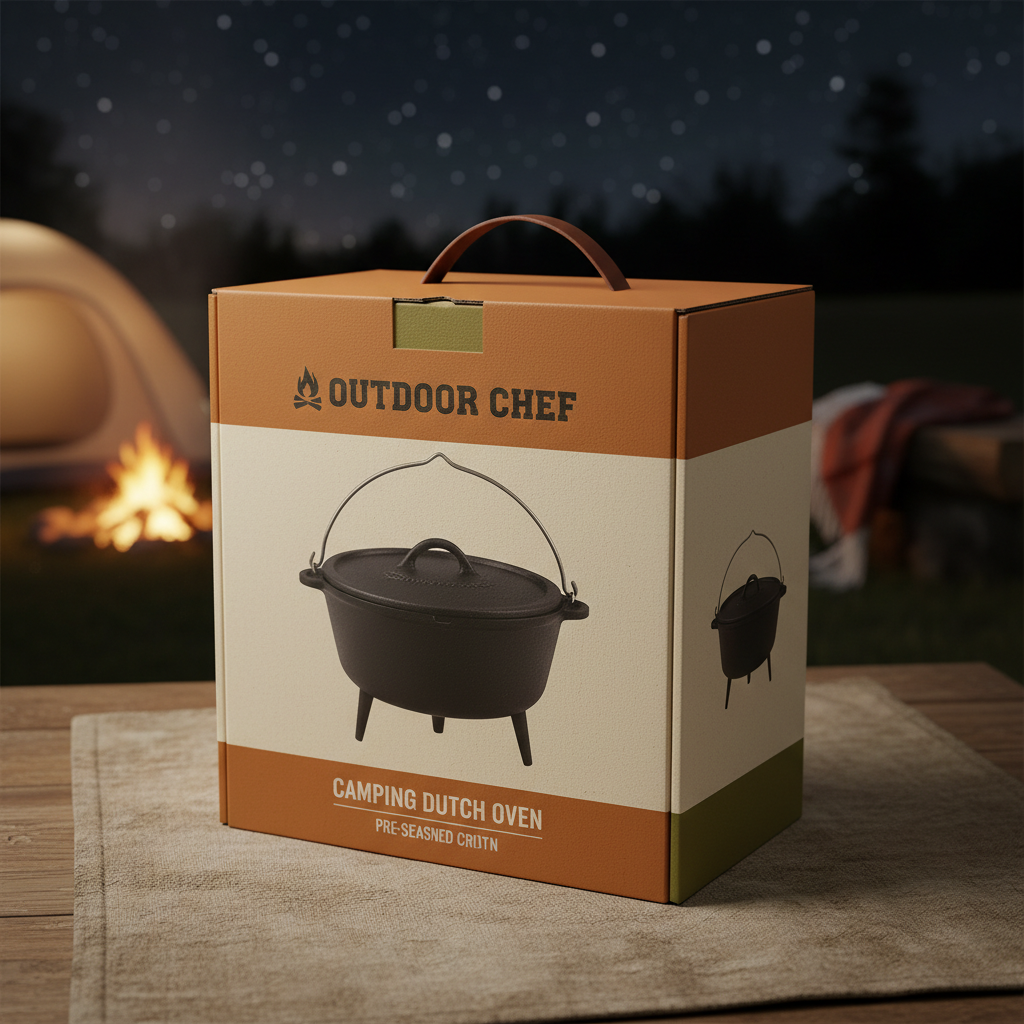
When planning your next outdoor adventure, a camping dutch oven cast iron is an invaluable tool. It's versatile, durable, and perfect for creating delicious meals under the stars. This guide will delve into the benefits of using a cast iron dutch oven for camping, how to choose the right one for your needs, and tips for care and maintenance. Whether you're a seasoned camper or new to outdoor cooking, a quality dutch oven will elevate your camping experience. Let's explore the world of cast iron cooking and find the perfect dutch oven for your adventures.
Why Choose a Camping Dutch Oven Cast Iron?
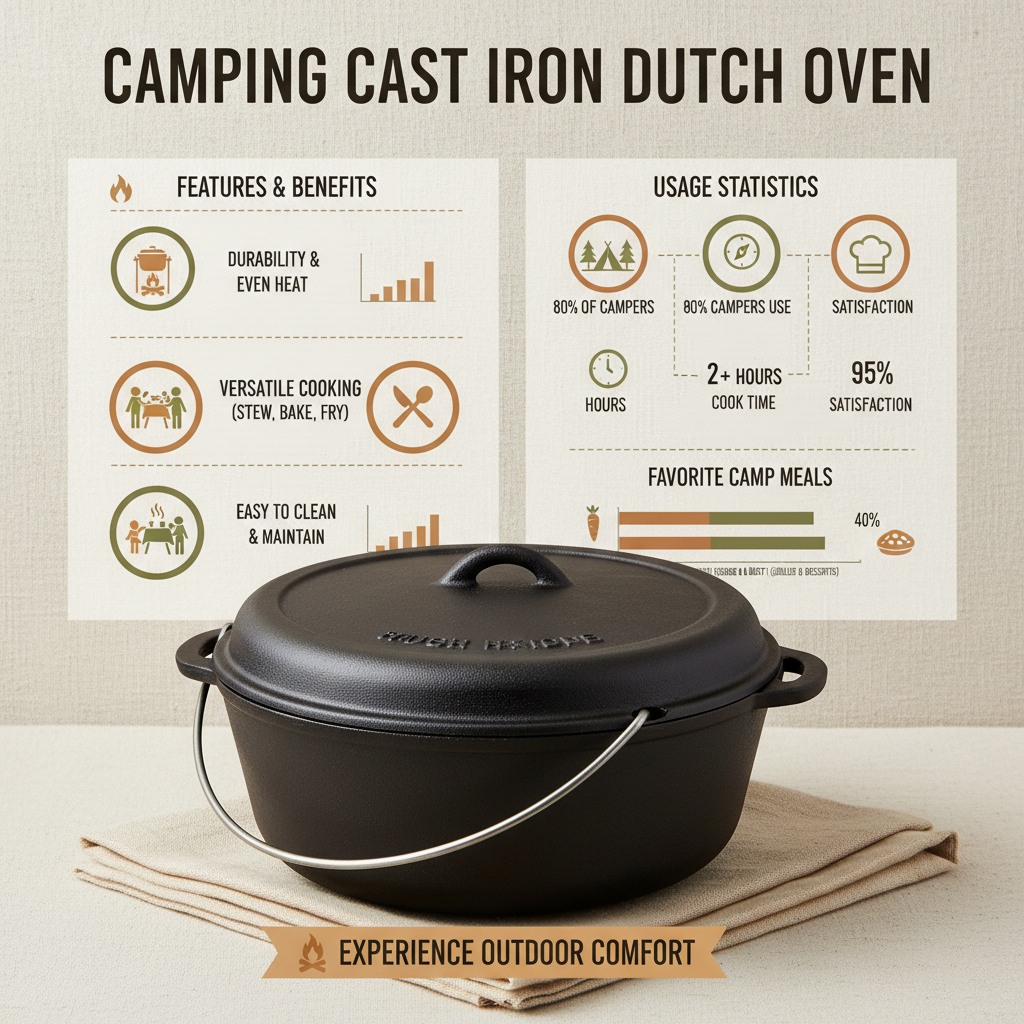
Cast iron dutch ovens excel in outdoor cooking due to their exceptional heat retention and even distribution. This is crucial for consistent cooking, especially when dealing with unpredictable campfire temperatures. They can be used for a wide range of cooking methods – baking, stewing, frying, and even roasting. A well-seasoned cast iron dutch oven is naturally non-stick, making cleanup easier. The robust construction ensures it can withstand the rigors of camping and will last for generations with proper care. Plus, they add a touch of rustic charm to any campsite.
Key Benefits: Exceptional heat retention, even heat distribution, versatile cooking methods, naturally non-stick, durable, and long-lasting.
Understanding Different Types of Camping Dutch Ovens
Not all dutch ovens are created equal. They come in different sizes, shapes, and with varying features. The two primary types are traditional and self-basting. Traditional dutch ovens have smooth sides, while self-basting dutch ovens have a raised rim around the lid. This raised rim helps to condense and return moisture back into the pot, resulting in more tender and flavorful dishes. The size you choose will depend on the number of people you typically cook for. Smaller ovens (6-8 quarts) are ideal for solo campers or couples, while larger ovens (10-12+ quarts) are better for families or groups.
Dutch Oven Types:
• Traditional: Smooth sides, classic design.
• Self-Basting: Raised rim on the lid for moisture retention.
• Sizes: Vary from 6 quarts to 12+ quarts depending on needs.
Camping Dutch Oven Cast Iron: Features to Consider
When selecting a camping dutch oven cast iron, consider these features. Legs on the dutch oven allow you to place it directly over coals, providing 360-degree heat. A bail handle is essential for lifting and moving the heavy oven. A tight-fitting lid is crucial for retaining heat and moisture. Look for pre-seasoned dutch ovens to save time and effort, but be prepared to continue seasoning it over time. Also, consider the weight – cast iron is heavy, so choose a size you can comfortably handle.
Proper Care and Maintenance for a Long Life
Maintaining your camping dutch oven cast iron is key to its longevity. After each use, clean it with warm water and a non-abrasive brush. Avoid soap, as it can strip the seasoning. Dry the oven thoroughly and lightly coat it with oil to prevent rust. Store it in a dry place. Regularly re-seasoning the dutch oven will maintain its non-stick properties and protect it from corrosion. With proper care, your dutch oven will become a trusted companion on countless camping trips.
Choosing the Right Size: A Quick Guide
Selecting the right size camping dutch oven depends on how many people you’ll be cooking for. Here’s a simple guideline:
Conclusion: Embrace the Joy of Cast Iron Camping
A camping dutch oven cast iron is more than just cookware; it’s a gateway to delicious meals and unforgettable experiences in the great outdoors. By choosing the right oven and providing proper care, you’ll enjoy years of flavorful adventures. So, pack your dutch oven, gather your ingredients, and prepare to savor the simple pleasures of cooking over an open flame.
Frequently Asked Questions (FAQs)
How do I season a new cast iron dutch oven?
Seasoning a cast iron dutch oven involves coating it with oil and baking it at a high temperature. Start by washing the oven with warm water. Then, apply a thin, even coat of cooking oil (like vegetable or flaxseed oil) to all surfaces, inside and out. Place the oven upside down in a preheated oven at 350-400°F (175-200°C) for an hour. Let it cool completely in the oven. Repeat this process several times to build up a solid layer of seasoning. Regular use will further enhance the seasoning over time.
Can I use metal utensils in my cast iron dutch oven?
While you can use metal utensils, it’s generally recommended to use wood, silicone, or plastic utensils to avoid scratching the seasoning. Frequent use of metal utensils can wear down the seasoning over time. If you do use metal utensils, be gentle and avoid scraping the surface. A well-seasoned dutch oven is fairly durable, but it’s best to protect the seasoning whenever possible.
How do I clean a rusty cast iron dutch oven?
If your cast iron dutch oven gets rusty, don’t worry! You can restore it. First, scrub off the rust with steel wool or a wire brush. Wash the oven with warm water and mild soap. Dry it thoroughly. Then, re-season it following the steps outlined above. It may take several rounds of seasoning to fully restore the surface, but it’s definitely possible to bring a rusty dutch oven back to life.
What are some popular recipes for a camping dutch oven?
The possibilities are endless! Popular recipes include stews, chili, cobblers, breads, and even roasted chicken. A Dutch oven is perfect for slow-cooked meals that develop rich flavors. You can find countless recipes online specifically tailored for dutch oven cooking, ranging from simple one-pot meals to more elaborate creations. Don't be afraid to experiment and discover your own favorites!
-
Mastering Outdoor Cooking with a Portable Dutch Oven GuideNewsApr.16,2026
-
Master Outdoor Cooking with the Oval Cast Iron Camp Oven GuideNewsApr.09,2026
-
Unlocking Flavorful Adventures with Outdoor Cooking with a Dutch OvenNewsApr.07,2026
-
Elevate Your Outdoor Cooking With A Premium Outdoor Cast Iron OvenNewsApr.04,2026
-
Discover the Benefits of a Cast Camp Oven for Outdoor CookingNewsMar.31,2026
-
Maximize Your Outdoor Cooking with a Camping Tripod and Dutch OvenNewsMar.28,2026