Cast Iron Individual Serving Pots - Even Heat, Oven Safe
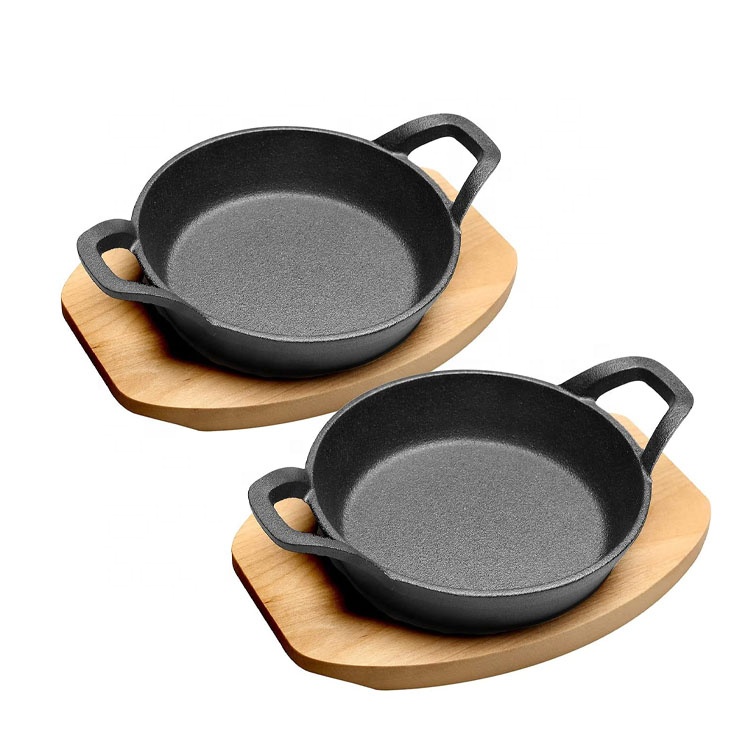
Chefs love their workhorses, but front-of-house needs charm. That’s where cast iron individual serving pots come in: compact, heat-retentive, and surprisingly versatile. I’ve been watching mini gratin dishes pop up from boutique bakeries to hotel chains; the “personal skillet” is no fad—it’s operationally useful and a plate-spinning show-off at the table.
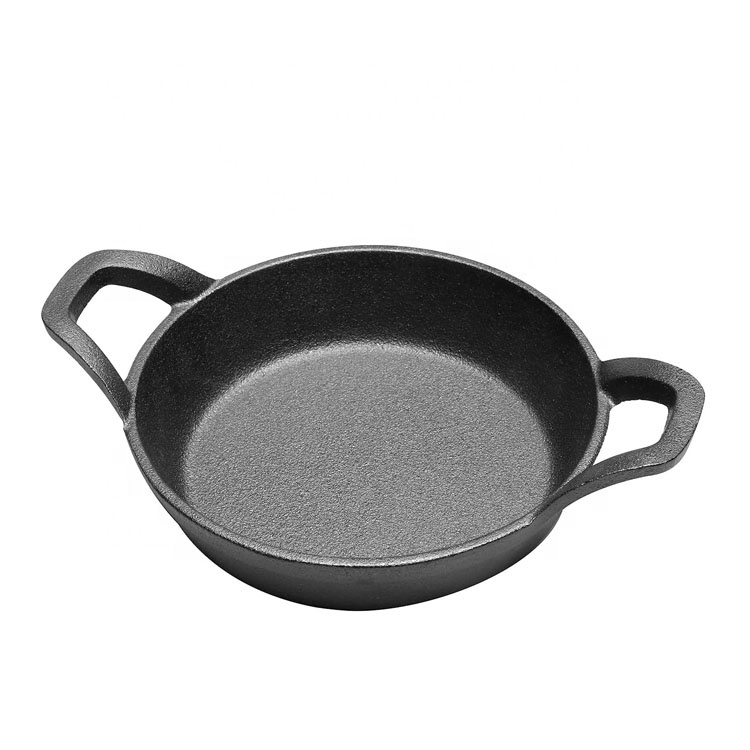
Product at a glance (and why operators care)
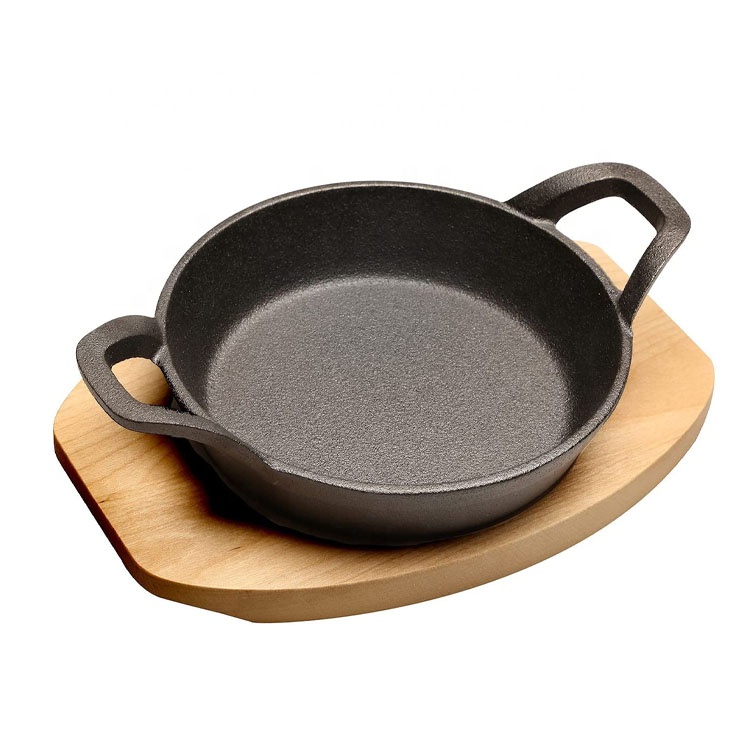
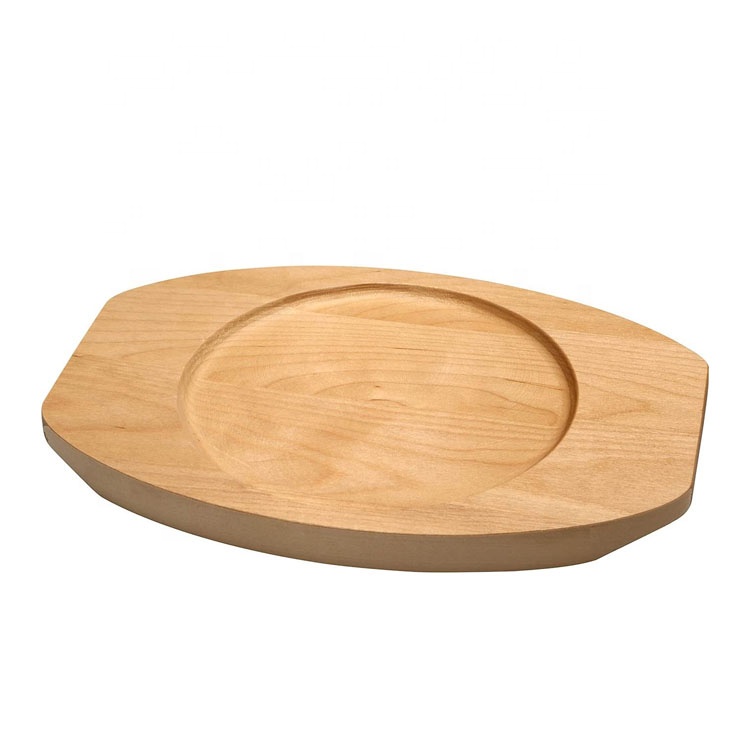
The Pre-seasoned Cast Iron Mini Serving Dish (Model ZDK001), made in Baixiang County, Xingtai, Hebei, China (055450), ships with a wooden tray and arrives ready to cook. It works on gas and induction, no lid, classic profile. Many customers say it “feels heavier than it looks,” which is good for browning and table heat retention.
Industry trends
- Upscale-casual menus are leaning into table theater—sizzles and gratins sell.
- Portion control: individual bake-serve vessels reduce waste and help food cost.
- Back-of-house consolidation: the same mini works from salamander to oven to induction pass, then straight to tray.
Technical process and testing
- Materials: gray cast iron (≈3.2–3.6% C), sand cast, wall ≈3.5–4.5 mm for even heat.
- Methods: shot-blast, CNC edge-trim, 2–3 pass vegetable-oil seasoning, 180–220°C polymerization bake.
- Testing: hardness (HB ≈ 160–200), flatness ≤0.5 mm/200 mm; seasoning adhesion cross-hatch (≈4B–5B); migration per FDA 21 CFR 175.300 and LFGB §31/§35; induction response verified (≥98% coil pick-up area).
- Service life: 5–10 years in commercial use with routine re-seasoning; effectively indefinite for home users.
- Industries: restaurants, hotels, bakeries, catering, meal-kit brands.
| Spec | ZDK001 (≈real-world) |
|---|---|
| Capacity | 1–2 L (best fill for gratin ≈ 600–900 ml) |
| Dimensions | Dish OD ≈ 18–21 cm; height ≈ 4.2–4.8 cm |
| Thickness | ≈3.5–4.5 mm wall / ≈5 mm base |
| Weight | ≈0.8–1.2 kg per dish (tray extra ≈0.25 kg) |
| Tray | Sealed hardwood (often rubberwood or acacia) |
Vendor snapshot (what buyers compare)
| Vendor | Highlights | Price (FOB, ≈) | Certs |
|---|---|---|---|
| ZD Cookware (Hebei) | Pre-seasoned, tray included, OEM/ODM | $4.5–$7 / set @ 1k+ | LFGB, FDA food-contact |
| Premium EU brand | Enamel options, colorways | $18–$28 / pc retail | LFGB, ISO 9001 |
| Generic OEM (SEA) | Bare iron, unseasoned | $3–$5 / pc | Varies |
Customization and applications
- Laser logo, handle shape tweaks, enamel colors, tray wood species, retail sleeve design.
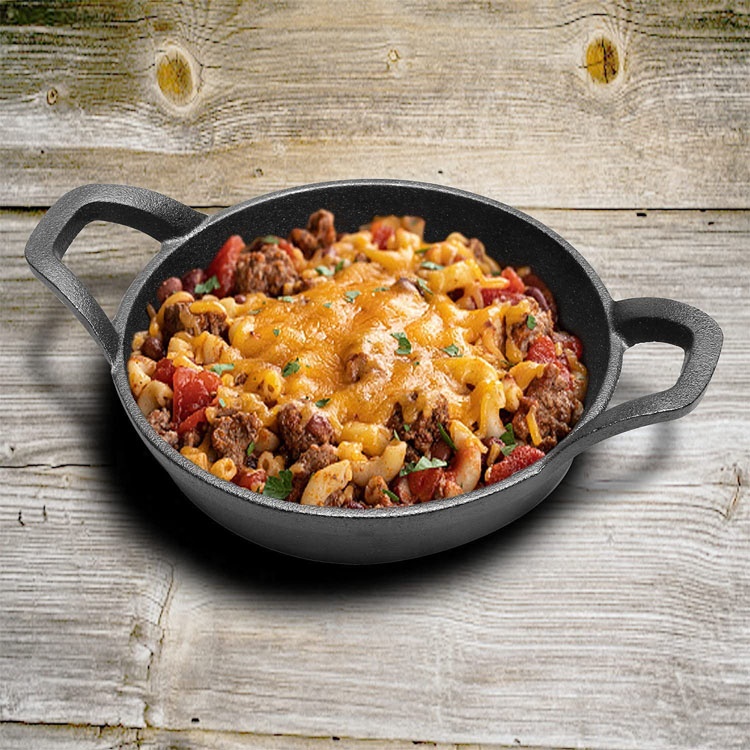
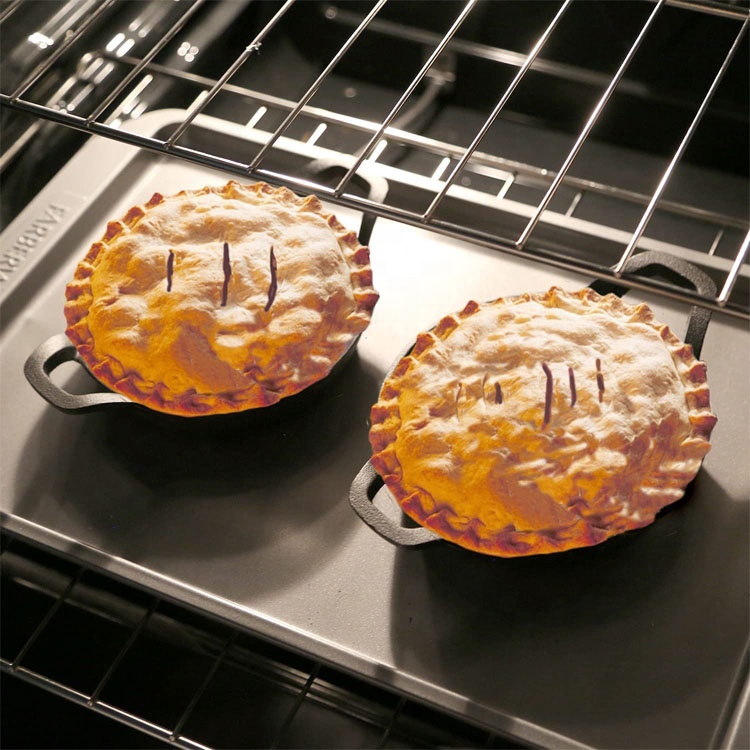
- Use cases: pommes dauphinoise, shakshuka, skillet cookies, pub mac ’n’ cheese, sizzling tapas.
- Advantages: heat retention, oven-to-table efficiency, portion discipline, perceived value uplift.
Real-world notes
One bistro group rolled out 120 sets of cast iron individual serving pots for gratins; table-return time dropped by ≈4 minutes because dishes stayed hot longer, reducing complaints. A hotel breakfast team uses them for baked eggs—actually less mess than ramekins, and induction holds at 85–90°C nicely. Feedback trends: “Even browning,” “seasoning arrived decent,” and the occasional “tray could be darker”—easily solved with stain spec.
Care, safety, and data points
- Preheat: 3–5 min medium heat; surface reaches 200°C in ≈6–7 min (gas test, 3 kW burner).
- Season maintenance: thin oil wipe; avoid long soaks; light salt scrub. No PTFE/PFOA by design.
- Relevant standards: FDA 21 CFR 175.300; LFGB; ASTM A48 for iron grade reference; ISO 9227 salt-spray used when trays use coated hardware (if any).
To be honest, I like tools that just work. These cast iron individual serving pots aren’t precious; they’re practical. And yes, they photograph beautifully—your socials will thank you.
- FDA 21 CFR 175.300—Resinous and polymeric coatings.
- LFGB (German Food, Consumer Goods and Feed Code) §§31/35—Food contact safety.
- ASTM A48/A48M—Standard Specification for Gray Iron Castings.
- ISO 9227—Corrosion tests in artificial atmospheres (salt spray) for coated components.
-
Antique Cast Iron Camp Oven: Durable Outdoor Cookware for Professionals | ZD CookwareNewsJan.06,2026
-
Durable 4 Quart Camping Pot for Professional Use | ZD CookwareNewsJan.06,2026
-
Durable Campfire Cast Iron Pot for Outdoor & Industrial UseNewsJan.06,2026
-
Cast Iron Griddle for Camp Stove – Durable Outdoor Cooking EssentialNewsJan.06,2026
-
Dutch Oven Cast Iron Camping – Durable Outdoor Cooking GearNewsJan.05,2026
-
Durable and Efficient Cast Iron Camping Griddle for B2B Professionals | ZD CookwareNewsJan.05,2026