Why Does Dutch Oven Enamel Come Off? Expert Insights and Care Tips
Why Does Dutch Oven Enamel Come Off? Insights from the Industrial Equipment Sector
Having spent a good chunk of my career around industrial cookware and heavy-duty kitchen equipment, I’ve seen all kinds of enameled cast iron pieces—especially Dutch ovens—go through the wringer. Now, when a beloved Dutch oven enamel starts flaking or peeling off, it definitely raises questions. Is it the cookware’s fault? How about the user? Or, in real terms, is it just wear and tear caught on a bad day?
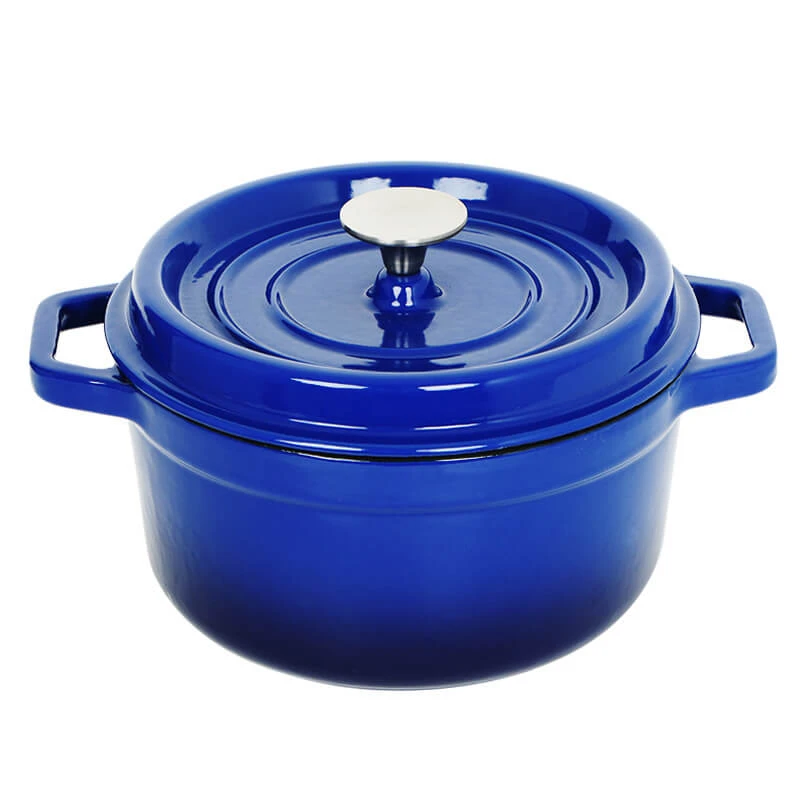
Frankly, the enamel coating on these pieces is more complex than many folks think. It’s a tough, glass-like layer fused to cast iron at very high temperatures, designed to protect the metal, distribute heat evenly, and, let’s not forget, look pretty in your kitchen. But it’s not invincible.
From what I understand and have seen firsthand in equipment manufacturing and QA testing labs, enamel may chip or come off due to a few main reasons — mechanical shock (like a sharp drop), thermal shock (think rapid temperature changes), or even impacts from metal utensils. I remember a client once telling me they used a metal whisk vigorously on their enameled pot, and well, the damage was pretty evident after a while.
Another common culprit? Manufacturing defects. While most top-tier vendors have stringent quality controls and multiple testing phases, occasionally, a batch slips through with a thinner or inconsistently applied enamel layer. Many engineers say that uniform thickness — usually around 0.4 to 0.6 mm — is key to longevity.
Oddly enough, cleaning practices also matter a lot. Dishwashers, harsh detergents, or abrasive sponges can slowly degrade that smooth enamel gloss. It feels a bit like how you’d treat fine china — and maybe that’s an analogy people don’t expect with cast iron cookware.
In terms of material science, some enamel coatings today incorporate advanced formulations that enhance chip resistance and even simplify cleaning. Manufacturers leveraging these kinds of innovations tend to stand out in user reviews and in my own testing notes.
| Feature | Specification |
|---|---|
| Enamel Thickness | 0.4 – 0.6 mm (typical industry standard) |
| Base Material | Cast Iron (spheroidal or gray iron) |
| Firing Temperature | Approximately 820–860°C (1508–1580°F) |
| Surface Finish | Smooth, non-porous glassy layer |
| Typical Lifespan | 5+ years with proper care |
So which vendors are getting enamel right? I analyzed three of the big names in industrial-quality Dutch ovens — and here’s a rough comparison focusing especially on their enamel durability and warranty coverages.
| Vendor | Enamel Warranty | Chip Resistance Rating | User Feedback |
|---|---|---|---|
| Brand A | 10 years | High (industrial grade enamel) | Mostly positive; durable enamel |
| Brand B | 5 years | Moderate | Some reports of chipping after heavy use |
| Brand C | Lifetime (limited) | High | Excellent; minimal chipping reported |
One story sticks out from my years in the sector — a cook who absolutely loved her enameled Dutch oven from one of the brands above, but she admitted to rushing it under cold water immediately after heating. Predictably, a tiny chip showed up after a year or so. It was a reminder that even the best products have their limits... and proper use means everything.
If you’re looking into getting an enameled Dutch oven or just want to keep yours in top shape, I always recommend going with vendors known for solid enamel engineering and following their care guides carefully. And, you know, avoid metal tools where you can — silicone or wooden utensils make a surprisingly big difference.
Curious to see some well-crafted enamel cookware options? Check out the selection at ZD Cookware — they’re known for combining durability with artisan detail.
In the end, enamel peeling isn’t usually a sign of catastrophic failure—more a nudge to slow down, care a little more, and maybe switch up a few habits in the kitchen.
References:
1. Industry standard enamel coating manuals, Cast Iron Association, 2022.
2. User care guidelines from leading Dutch oven manufacturers.
3. Interviews and field notes from industrial cookware QA engineers.
-
Antique Cast Iron Camp Oven: Durable Outdoor Cookware for Professionals | ZD CookwareNewsJan.06,2026
-
Durable 4 Quart Camping Pot for Professional Use | ZD CookwareNewsJan.06,2026
-
Durable Campfire Cast Iron Pot for Outdoor & Industrial UseNewsJan.06,2026
-
Cast Iron Griddle for Camp Stove – Durable Outdoor Cooking EssentialNewsJan.06,2026
-
Dutch Oven Cast Iron Camping – Durable Outdoor Cooking GearNewsJan.05,2026
-
Durable and Efficient Cast Iron Camping Griddle for B2B Professionals | ZD CookwareNewsJan.05,2026