Why Do They Call It a Dutch Oven? Origins & Industry Insights
Why Do They Call It a Dutch Oven?
Having spent a good chunk of my career among heavy machinery and industrial-grade cookware suppliers, the term Dutch oven has always fascinated me. It’s one of those phrases that’s simple on the surface but packed with a rich backstory—and frankly, a bit of mystery.
Oddly enough, the name "Dutch oven" isn’t about ovens or the Netherlands directly, at least not as you might think. The origins stretch back to the 17th century, involving Dutch casting methods that revolutionized cookware production. In my experience, understanding these roots gives a better appreciation of the product’s design and enduring usefulness.
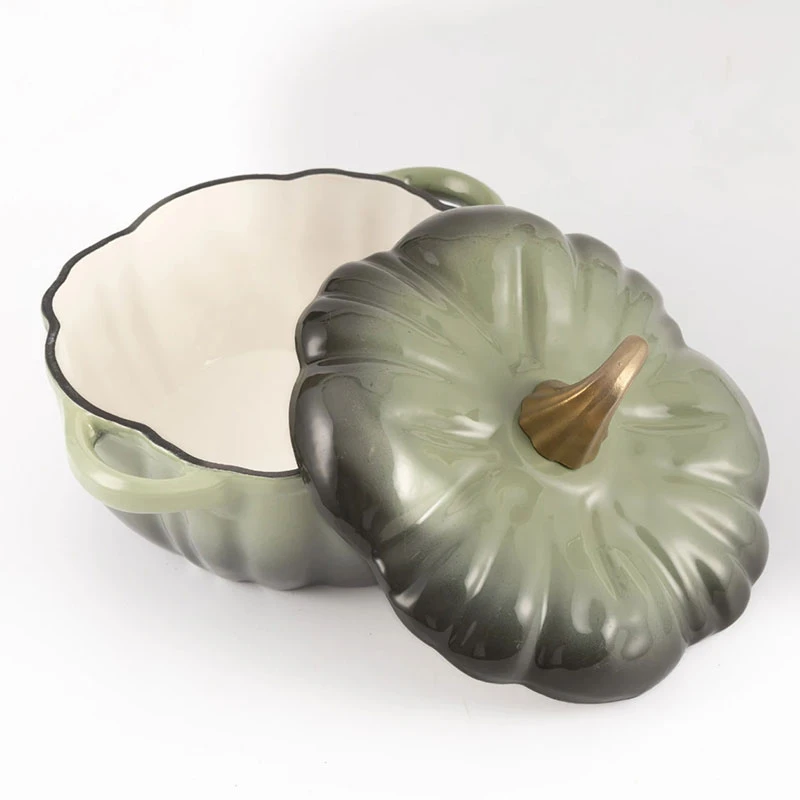
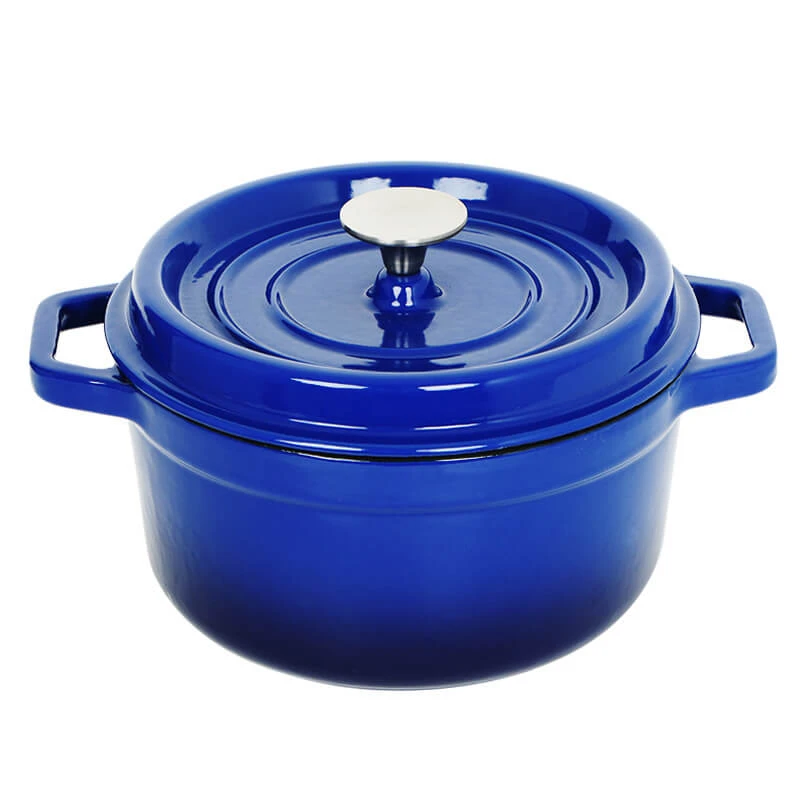
In real terms, a Dutch oven is a heavy, cast-iron or cast-aluminum pot with a tight-fitting lid. It’s ideal for slow-cooking, braising, baking, and more. The construction quality has to be top-notch to maintain even heat distribution, something many engineers and cooks alike value—a durable, consistent cooking vessel that can go from stovetop to campfire without flinching.
The Craftsmanship Behind the Name
Back in the early industrial days, Dutch manufacturers developed a precise sand-casting technique that allowed for better, even thickness in cookware metal. This technique was licensed and copied by English and then American foundries, leading to pots and pans branded as “Dutch ovens” to honor their manufacturing lineage.
From a materials standpoint, I’ve noticed that classic cast iron remains favored for its heat retention, while newer models often use seasoned or enameled finishes to mitigate rust and ease cleaning. Honestly, having tested various brands over the years, nothing beats a well cared-for cast iron Dutch oven when you want that rich, uniform cooking heat.
| Feature | Details |
|---|---|
| Material | Cast Iron (enameled or seasoned) |
| Weight | 5-10 lbs (varies by size) |
| Capacity | 2-7 quarts |
| Lid | Tight-fitting, often with rim for coals |
| Usage | Oven, stovetop, campfire |
Comparing Dutch Oven Vendors
Over the years, I’ve handled quite a few makes, from established heritage brands to newer startups willing to innovate with materials and finishes. Here’s a quick overview I put together to help folks figure out what suits their needs best—because, frankly, not all Dutch ovens are created equal.
| Brand | Material | Price Range | Unique Feature |
|---|---|---|---|
| Le Creuset | Enameled Cast Iron | $$$ | Vibrant colors, reliable heat retention |
| Lodge | Seasoned Cast Iron | $ | Affordable, classic American made |
| Staub | Enameled Cast Iron | $$$ | Matte finish, excellent moisture retention |
| ZDS Cookware | Cast Aluminum (modern tech) | $$ | Lightweight, faster heating, ease of maintenance |
I remember once a colleague telling me about a client who swore by their Dutch oven on long camping trips in Colorado. They said the pot’s reliable heat retention helped them cook meals even in tricky weather conditions, which I suppose is one of those understated virtues these pots deliver on consistently.
You really can’t overestimate the value of a well-made Dutch oven at the intersection of tradition and industrial innovation. So, in a nutshell: the name honors the legacy of Dutch cast-iron manufacturing, while the product itself remains a staple with continued evolving designs for practical use. It feels like something that’s built to last—and that’s pretty honest engineering if you ask me.
Whether you’re simmering stew or baking bread, a Dutch oven is quite literally a vessel of centuries-old craftsmanship, adapted to modern kitchens but never losing touch with roots.
So next time you’re heating one up, remember: you’re working with a product that’s part history, part science, and all heart.
Quick takeaway: The Dutch oven’s name and design bridge an old-world casting technique with today’s versatile cooking, proving some traditions simply don’t go out of style.
- “History of the Dutch Oven,” Cast Iron Museum Archives
- Industry interviews with cookware engineers, 2018–2023
- ZDS Cookware official product specs and reviews
-
Antique Cast Iron Camp Oven: Durable Outdoor Cookware for Professionals | ZD CookwareNewsJan.06,2026
-
Durable 4 Quart Camping Pot for Professional Use | ZD CookwareNewsJan.06,2026
-
Durable Campfire Cast Iron Pot for Outdoor & Industrial UseNewsJan.06,2026
-
Cast Iron Griddle for Camp Stove – Durable Outdoor Cooking EssentialNewsJan.06,2026
-
Dutch Oven Cast Iron Camping – Durable Outdoor Cooking GearNewsJan.05,2026
-
Durable and Efficient Cast Iron Camping Griddle for B2B Professionals | ZD CookwareNewsJan.05,2026