Why a Dutch Oven with Handle is a Global Essential - Benefits, Usage & Trends
The Practical Charm of a Dutch Oven with Handle: Why It Still Matters Today
So, what’s the fuss about a dutch oven with handle? Well, this classic cooking companion isn’t just an heirloom or rustic kitchen staple—it’s a global staple in both culinary and industrial realms. Its robust design, portability, and versatility make it an unsung hero in many contexts, from family kitchens to field kitchens in remote humanitarian missions.
Understanding this humble cookware can open up smarter cooking, better resource use, and surprisingly impactful solutions in challenging environments worldwide. For instance, countries facing energy constraints or disaster aftermaths often rely on cookware that survives rigorous conditions while delivering reliable cooking performance. The dutch oven with handle fits this bill perfectly.
Global Relevance: The Dutch Oven with Handle in Context
Across continents, cooking technologies reflect culture, economy, and resource availability. Yet, the dutch oven with handle remains a near-universal tool. According to the International Organization for Standardization (ISO), cookware durability and energy efficiency are critical in reducing global carbon footprints—a space where the dutch oven surprisingly shines.
In developing regions, estimates from the World Bank show that inefficient cooking methods cause up to 4 million premature deaths yearly due to indoor air pollution. Here, the durable and sealed nature of a dutch oven limits smoke exposure and fuel waste. Plus, its handle design makes it easier to transport, especially in outdoor or temporary setups.
Oddly enough, one core problem it solves is portability without sacrificing cooking integrity. Unlike many heavy pots, handles give chefs and caregivers confidence—and safety—when moving hot cookware in cramped or rugged environments.
So, What Exactly Is a Dutch Oven with Handle?
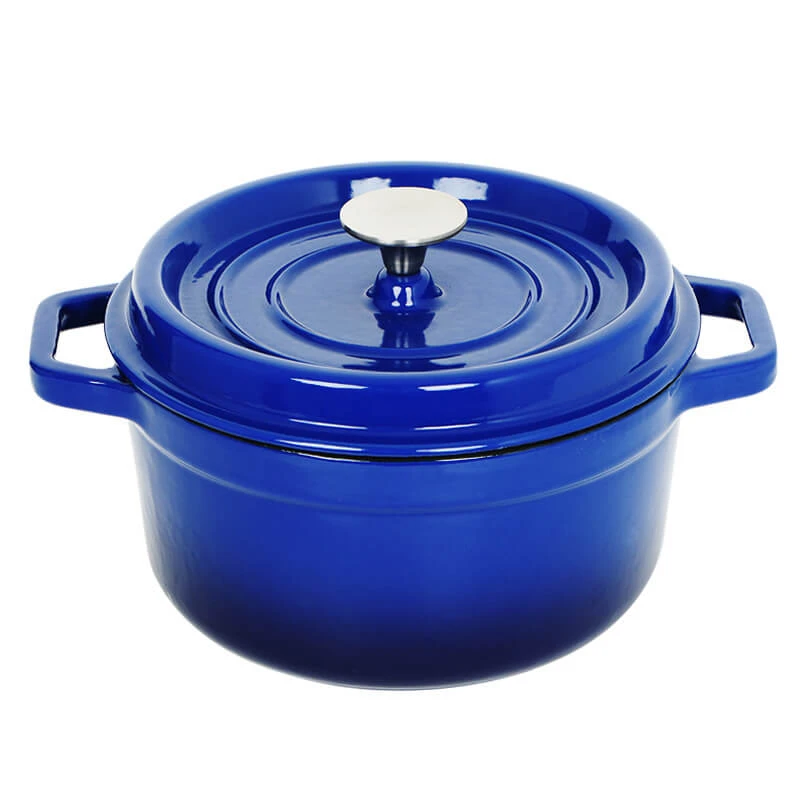
Simply put, a dutch oven with handle is a thick-walled cooking pot, typically cast iron or ceramic-coated, combined with one or two sturdy handles for safe lifting. The handle isn’t just a convenience—it’s a key component that makes the cookware versatile for multi-environment use.
In modern industry and humanitarian contexts, these handles facilitate kitchen setups in mobile units, from military field kitchens to refugee camps. They enable quick repositioning over different heat sources — think wood fires or gas stoves — while maintaining durability and a sealed environment for slow-cooking stews, breads, or even sterilizing instruments.
Core Components That Define the Dutch Oven with Handle
Durability
Cast iron cookware has been around for centuries for a reason. The combined chemistry of iron and seasoned enamel coatings means dutch ovens can withstand intense heat and rough handling without cracking or warping.
Handle Design
The handle’s material and shape matter for grip and heat transfer. Many come with a bail handle (a metal loop) to allow hanging over open fires, while modern versions might have silicone grips for safety when used in home ovens.
Heat Retention & Distribution
The thickness and material ensure steady heat distribution—a must when you want even cooking without constant stirring.
Size & Portability
From 2-quart personal cookers to massive 7-quart units for group meals, the handle’s presence makes the pot easy to carry, an often overlooked but crucial feature in many scenarios.
Multi-Use Capability
Besides cooking, these pots double as warming dishes or even emergency water boilers, thanks to their robust construction and handle-linked portability.
Practical Product Specs of a Typical Dutch Oven with Handle
| Feature | Specification |
|---|---|
| Material | Cast Iron, Enameled |
| Capacity | 2–7 Quarts |
| Handle Type | Bail handle (metal loop), Silicone grips optional |
| Weight | 4–12 lbs (varies by size) |
| Heat Sources Compatible | Oven, stove, campfire, induction |
| Maintenance | Seasoning required (cast iron); avoid abrasive cleaners for enamel |
Real-World Applications of the Dutch Oven with Handle
In post-disaster relief operations, where infrastructure often collapses, aid workers rely heavily on reliable cooking gear that travels well. The handles allow easy suspension over open fires, common in temporary camps across Asia and Africa.
In remote industrial zones—say, mining outposts in Canada or Australia—the dutch oven serves as both a cooking and communal centerpiece tool. It’s simple, low-tech, and requires no electricity, which is a blessing in energy-scarce settings.
Even in developed countries, wilderness enthusiasts prefer the portability and durability the handled dutch oven offers for extended camping trips. It’s a multi-faceted tool rather than fancy kitchen gear, cherished for sheer function.
Why Choose a Dutch Oven with Handle? Advantages and Long-Term Value
- Cost Efficiency: While upfront investment might seem high compared to flimsy pots, the lifespan and durability greatly outweigh replacements, translating into savings over time.
- Sustainability: Cast iron is fully recyclable, and its heat retention means less fuel is burned during cooking.
- Safety & Portability: Handles improve the safety of handling hot pots, reducing burns and spills.
- Social Impact: In many cultures, sharing meals cooked in a dutch oven fosters community spirit and comfort, significant in refugee relief or indigenous gatherings.
Frankly, it’s the trustworthiness that counts. Knowing your cookware won’t crack when you move it over coals is a quiet peace of mind that sparks innovation in trusted users.
Comparing Popular Manufacturers of Dutch Oven with Handle
| Brand | Material | Price Range | Unique Feature |
|---|---|---|---|
| Lodge | Cast Iron | $35 - $100 | Pre-seasoned, American made |
| Le Creuset | Enameled Cast Iron | $200 - $500 | Vibrant colors, oven-safe handles |
| Staub | Enameled Cast Iron | $180 - $400 | Matte black interior for searing ease |
Future Trends & Innovations in Dutch Oven Technology
Interestingly, manufacturers are exploring lighter materials like aluminum cores with enamel to reduce weight while maintaining heat retention. There’s also a push towards smart cookware with embedded temperature sensors, though it’s still niche.
Sustainability drives innovation too. Some companies promote carbon-neutral manufacturing or recycled iron. You might soon see handles made from biodegradable composites rather than metal. Plus, the integration of energy-efficient cooking guides that use the dutch oven’s inherent properties to reduce fuel usage looks promising.
Addressing Challenges & Practical Solutions
Despite all its greatness, handled dutch ovens can be heavy—especially cast iron versions. For small users or elderly cooks, ergonomic handles with heat-resistant materials help. Also, seasoning maintenance is often cited as cumbersome, but improved enamel coatings offer easier cleaning without losing performance.
Supply chain issues sometimes restrict availability in remote areas. Partnering with local foundries or co-ops to produce simplified versions can help overcome this, ensuring quick replacements and fostering local economies.
Frequently Asked Questions About Dutch Oven with Handle
- Q: What is the advantage of a dutch oven with handle over those without?
- A: Handles improve portability, allowing safe transport over open fires or between kitchens, which is crucial in outdoors or emergency situations.
- Q: How should I maintain my cast iron dutch oven to preserve its handle?
- A: Regular seasoning prevents rust on the metal handle and body. Avoid submerging the handle in water extensively and dry promptly after cleaning.
- Q: Can a dutch oven with handle be used on induction stoves?
- A: Yes, cast iron and many enameled versions work well on induction due to their magnetic properties, making them versatile across heat sources.
- Q: Are enameled dutch ovens lighter than traditional cast iron?
- A: Slightly, but enameled coatings mostly add a thin layer rather than reduce weight. Some brands combine materials for lighter designs.
- Q: Where can I buy high-quality dutch ovens with handles for bulk humanitarian use?
- A: Trusted suppliers like zdcookware.com specialize in both retail and bulk orders, often catering to NGOs and field kitchens worldwide.
Wrapping It Up: The Enduring Value of Dutch Ovens with Handles
In sum, the dutch oven with handle is no mere kitchen relic. It’s a resilient, efficient tool that balances tradition and innovation. Whether you’re simmering stew at home, feeding a camp after disaster, or cooking under tricky industrial conditions, this cookware endures. Its portability, durability, and versatility keep it relevant and trusted globally.
Interested in exploring these timeless pots? Visit our website to see a wide range of dutch ovens with handles that might just become your new culinary champions.
Takeaway: Sometimes, the simplest tools — enhanced thoughtfully, like adding a handle — create the most profound impact on how we cook and connect.
-
Antique Cast Iron Camp Oven: Durable Outdoor Cookware for Professionals | ZD CookwareNewsJan.06,2026
-
Durable 4 Quart Camping Pot for Professional Use | ZD CookwareNewsJan.06,2026
-
Durable Campfire Cast Iron Pot for Outdoor & Industrial UseNewsJan.06,2026
-
Cast Iron Griddle for Camp Stove – Durable Outdoor Cooking EssentialNewsJan.06,2026
-
Dutch Oven Cast Iron Camping – Durable Outdoor Cooking GearNewsJan.05,2026
-
Durable and Efficient Cast Iron Camping Griddle for B2B Professionals | ZD CookwareNewsJan.05,2026