Dec . 01, 2025 18:10
Back to list
Why a Dutch Oven Pan with Lid is Essential for Every Kitchen
Why the Dutch Oven Pan with Lid Still Matters in Kitchens Worldwide
You might think a dutch oven pan with lid is just an old-fashioned cooking tool, something your grandma passed down to you and now resides in the back of your cupboard. But there’s more than nostalgia at play here. Globally, these sturdy, versatile cookware pieces are far from obsolete—they have stood the test of time and keep being beloved in professional kitchens and home cooking alike. According to culinary industry reports, cast iron dutch ovens (the classic style) have seen a steady rise in demand globally, coinciding with a renewed interest in slow cooking and sustainable food preparation methods. Beyond the fancy new gadgets, cooking with a dutch oven pan with lid offers benefits that meet modern needs: efficient heat retention, multi-functionality (think baking bread, braising meats, simmering stews), and longevity that literally spans decades if cared for properly. Whether you’re a chef in an urban setting or a passionate home cook in a remote region, understanding this kitchen workhorse’s role can unlock a new appreciation for the simple power of good design meeting durability.A Closer Look: What Exactly Is a Dutch Oven Pan with Lid?
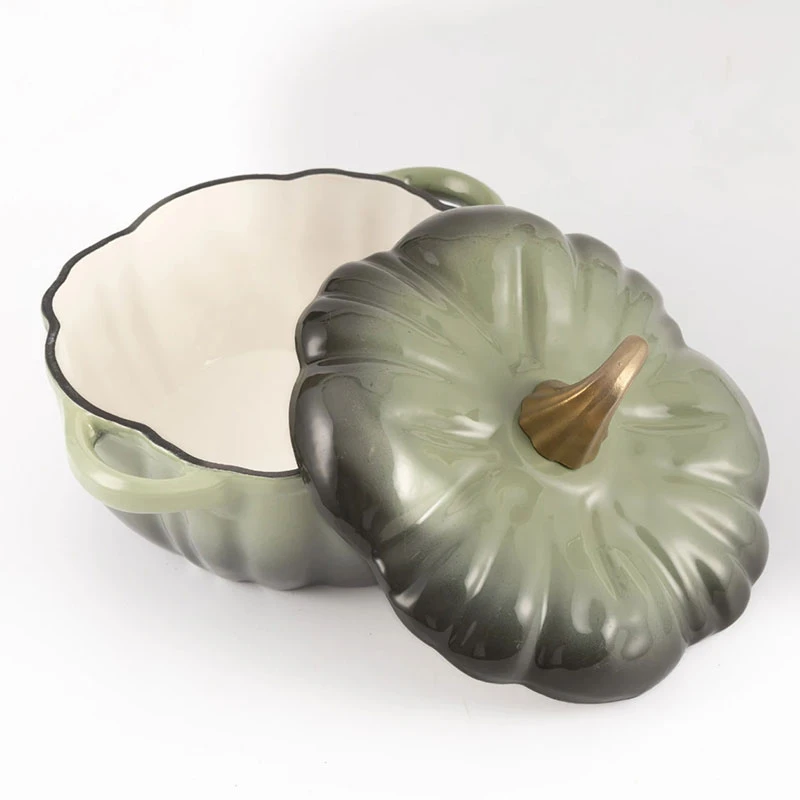
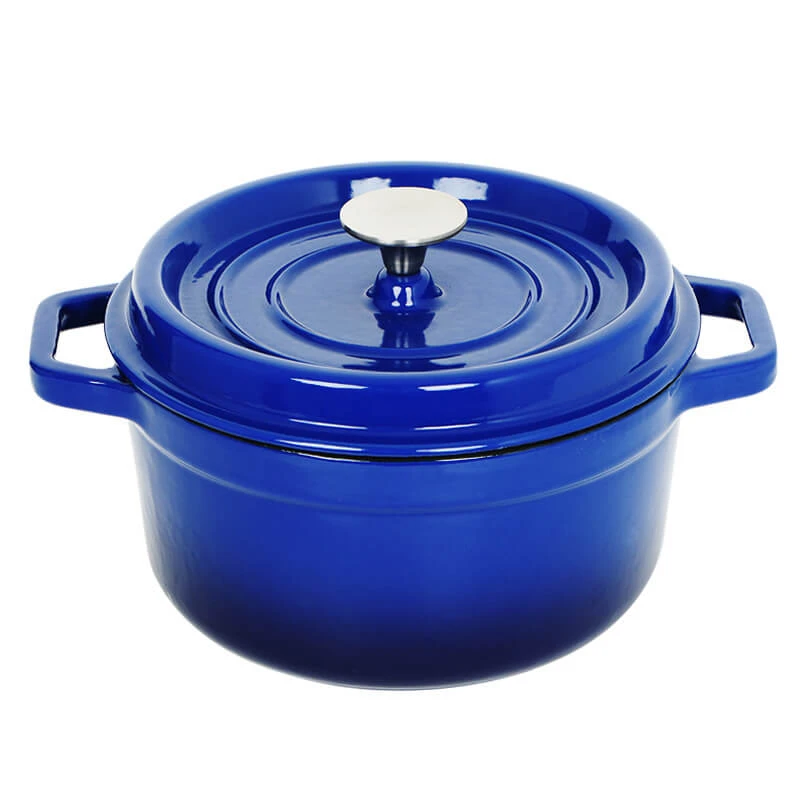
Simply put, a dutch oven pan with lid is a heavy, thick-walled cooking pot, typically made from cast iron, sometimes enameled, that comes with a tight-fitting lid. This design keeps moisture, heat, and flavor locked in while cooking. Originating centuries ago, its design has barely changed because of how effective it is. The versatility of these pans ties directly with modern cooking and food security needs. In food industries and humanitarian contexts, they provide a dependable method for cooking nutrient-dense dishes using minimal energy, which is crucial in areas with limited fuel or electricity. The connection might surprise you, but these pans often find their way into global relief initiatives aimed at efficient food preparation under challenging conditions.Key Characteristics That Define the Dutch Oven Pan with Lid
Durability: Built to Last a Lifetime
Cast iron's ability to withstand high temperatures and rough handling makes the dutch oven pan with lid an heirloom-quality tool. Many families pass theirs down generations; in industrial kitchens, they’re a trusty constant amid hectic use.Heat Retention and Even Cooking
Unlike thin metal pans, dutch ovens absorb and disperse heat evenly. This makes slow cooking a breeze, as food cooks uniformly without hotspots. This is why chefs swear by them for recipes requiring low and slow heat.Sealing and Moisture Management
The lid — often heavy and fitted with precision — traps steam inside, recycling moisture which keeps food tender and prevents drying out. For communities relying on limited fuel, this is a huge bonus.Material Options and Care
While cast iron is traditional, enameled versions have gained popularity for easier cleanup and no seasoning required. Each choice has trade-offs in terms of weight, maintenance, and chemical reactivity.Scalability and Size Variety
Dutch ovens come in a wide range of sizes, from small 2-quart pieces perfect for singles or couples to giant 8-quart versions used in commercial kitchens or communal cooking, highlighting adaptability to needs.Cost Efficiency Over Time
Though the initial price can be higher than cheaper cookware, the lifespan and multi-functionality mean the investment often pays off. You buy once, cook a million meals, and rarely replace it.
Mini Takeaway: The dutch oven pan with lid is much more than a pot — it’s a durable, efficient, and versatile tool that suits a variety of cooking styles and settings worldwide.
How Dutch Oven Pans Are Used Around the Globe
From bustling European bistros to humble homes across Africa and Asia, the dutch oven pan with lid remains popular. In post-disaster relief efforts, organizations favor these pans because they prepare large quantities of food with minimal fuel. For instance, the UN’s recent field reports mention distributing cast iron cookware in refugee camps due to their longevity and ease of use[1]. In rural farming communities, the slow-cooking potential allows tougher cuts of meat and seasonal vegetables to be transformed into nutritious meals, critical where refrigeration isn't reliable. Meanwhile, restaurateurs prize them for their stovetop-to-oven capability, supporting diverse, creative menus.Industry Snapshot: Leading uses include
- Community kitchens in developing regions
- Urban slow-cook enthusiasts and professional chefs
- Survivalist and outdoor cooking gear
- Emergency food preparation in humanitarian aid
Advantages That Stand the Test of Time
Beyond just heat retention, here’s what keeps dutch ovens relevant:- Longevity: A properly cared-for pan can last up to 100 years.
- Sustainability: Reduced energy needs and potential for eco-friendly materials.
- Versatility: One pot for frying, baking, roasting, boiling — fewer utensils, less waste.
- Emotional value: An item often treasured as a family legacy.
- Cooking Excellence: Superior taste and texture in slow braised dishes or fresh bread.
Breaking Down the Specifications
| Feature | Standard Cast Iron | Enameled Cast Iron |
|---|---|---|
| Material | Pure cast iron | Cast iron with enamel coating |
| Weight | ~5-10 lbs (depending on size) | Slightly heavier due to coating |
| Maintenance | Requires seasoning and drying | Easier cleanup, no seasoning |
| Heat Retention | Excellent | Very good |
| Typical Lifespan | 50+ years with care | 20-30 years (no rust but potential chipping) |
| Price Range | $40 to $200+ | $60 to $300+ |
Comparing Popular Dutch Oven Vendors: Who’s Leading the Pack?
| Vendor | Material | Warranty | Price Range | Unique Selling Point |
|---|---|---|---|---|
| Lodge | Cast Iron | Limited Lifetime | $40–$100 | American-made, durable, affordable |
| Le Creuset | Enameled Cast Iron | Limited Lifetime | $200–$500+ | Premium enamel, color options, iconic design |
| Staub | Enameled Cast Iron | Limited Lifetime | $150–$400 | Matte finishes, self-basting lids |
| Camp Chef | Cast Iron | Limited Lifetime | $45–$150 | Outdoor-focused, rugged |
The Future of Dutch Oven Pans: Beyond Tradition
Surprisingly, innovation in dutch ovens isn't stagnant. Materials science is exploring lighter cast iron alloys or ceramic composites to reduce weight while preserving thermal properties. Some manufacturers experiment with eco-friendly coatings cutting down environmental impact in production and disposal stages. With growing smart kitchen tech, imagine a dutch oven integrated with temperature sensors or connected cook timers — marrying tradition with digital precision. It's still early days, but the marriage of heritage and modernity feels promising.Addressing the Challenges
Of course, no product is without quirks. Cast iron pans are heavy — that’s the price of durability. Their seasoning needs can seem daunting for newcomers. Enamel coatings can chip if treated roughly, and some worry about cost. Solutions? For weight, companies now offer smaller, more ergonomic models. For maintenance, better user guides and pre-seasoned pans lower barriers. Chipping risks are minimized with newer tougher enamels. Cost-wise, the longevity argument holds strong: invest once, last lifetimes.FAQ: What People Often Ask About Dutch Oven Pans with Lid
- Q: Can I use a dutch oven pan with lid on all cooktops, including induction?
- A: Yes, traditional cast iron dutch ovens work great on gas, electric, and induction stoves thanks to their magnetic properties. Just watch out for enamel coatings that might damage glass surfaces if mishandled.
- Q: How do I care for my cast iron dutch oven to prevent rust?
- After washing with warm water (avoid soap), dry thoroughly, and rub a thin layer of cooking oil inside. Store in a dry place. Seasoning regularly keeps the pan non-stick and rust-free.
- Q: Is an enameled dutch oven better for beginners?
- Generally, yes. Enameled versions don’t need seasoning and are easier to clean. However, they’re heavier and pricier, so consider your cooking style and budget.
- Q: How long can a dutch oven pan last?
- With good care, cast iron dutch ovens can last decades—even a century! Enamel coatings may wear out sooner but still provide many years of use.
- Q: Are dutch ovens eco-friendly cookware options?
- Absolutely. Their durability reduces waste, and efficient heat retention lowers energy use during cooking. Cast iron is recyclable, making them a sustainable choice.
Final Thoughts: Why Owning a Dutch Oven Pan with Lid Is a Long-Term Win
In the end, cooking is about more than just food — it’s heritage, comfort, and connection. The dutch oven pan with lid blends all that into one chunky, reliable package. Whether feeding a family, experimenting with recipes, or preparing meals in tough conditions, it stands as a trusted ally. If you haven’t tried one yet, perhaps it’s time. And if you’re looking for quality and variety, feel free to browse our selection at dutch oven pan with lid — we’ve gathered some of the best to help you start this cozy tradition.
Mini Takeaway: The dutch oven pan with lid is an investment in durable, versatile, and sustainable cooking — a trusted piece of kitchen history that’s also future-ready.
References
Latest news
-
Antique Cast Iron Camp Oven: Durable Outdoor Cookware for Professionals | ZD CookwareNewsJan.06,2026
-
Durable 4 Quart Camping Pot for Professional Use | ZD CookwareNewsJan.06,2026
-
Durable Campfire Cast Iron Pot for Outdoor & Industrial UseNewsJan.06,2026
-
Cast Iron Griddle for Camp Stove – Durable Outdoor Cooking EssentialNewsJan.06,2026
-
Dutch Oven Cast Iron Camping – Durable Outdoor Cooking GearNewsJan.05,2026
-
Durable and Efficient Cast Iron Camping Griddle for B2B Professionals | ZD CookwareNewsJan.05,2026