Unlocking Flavorful Adventures with Outdoor Cooking with a Dutch Oven
Outdoor Cooking with a Dutch Oven: A Comprehensive Guide
Cooking outdoors is a fantastic experience, and few methods rival the versatility and delicious results of using a dutch oven. From hearty stews to perfectly baked bread, a dutch oven can do it all, right over an open fire or hot coals. This guide will cover everything you need to know to get started, including choosing the right dutch oven, essential techniques, recipe ideas, and safety tips. Let's dive into the wonderful world of outdoor cooking with a dutch oven!
Choosing the Right Dutch Oven for Your Outdoor Adventures
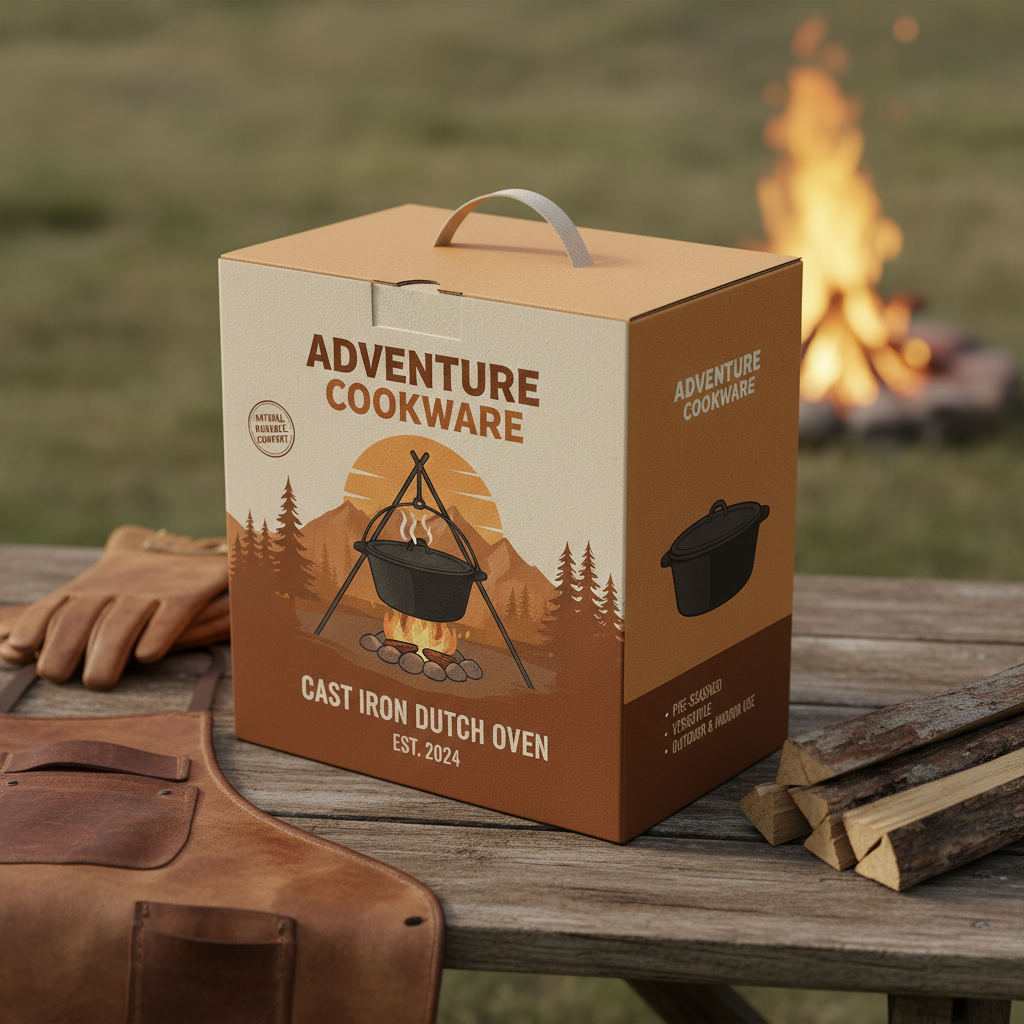
Selecting the right dutch oven is the first step towards successful outdoor cooking. Consider the material, size, and features. Cast iron is the most common material, known for its excellent heat retention and even heating. Enameled cast iron offers the benefits of cast iron with easier cleaning. Size depends on how many people you typically cook for. A 12-inch dutch oven is a great all-around size for families, while a larger one is ideal for groups. Look for features like legs for stability when placed directly on coals, and a wire handle for easy lifting.
Essential Techniques for Outdoor Dutch Oven Cooking
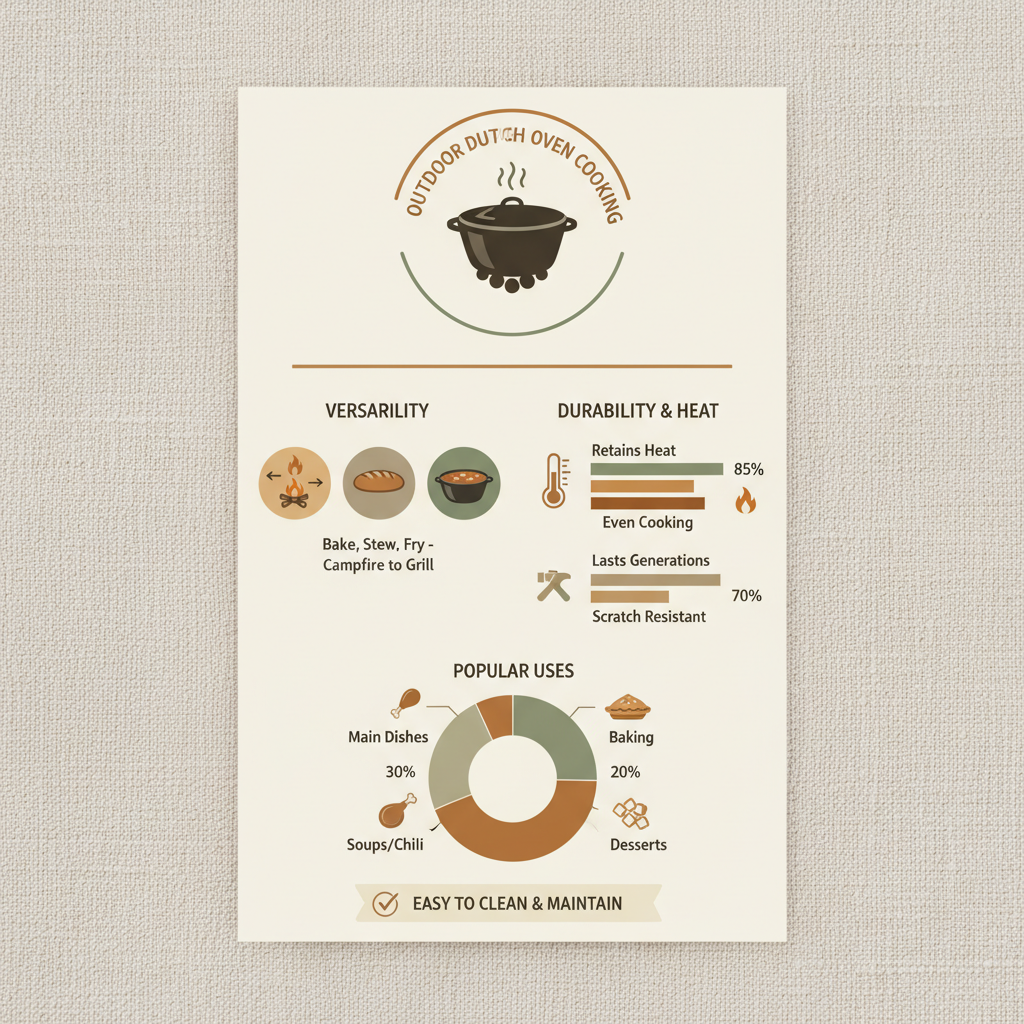
Mastering a few key techniques will dramatically improve your outdoor cooking. One of the most important is understanding heat control. Unlike cooking on a stovetop, you'll be managing heat from below. Use a combination of coals placed underneath and on top of the lid to regulate temperature. More coals underneath provide more heat, while more on top create a more oven-like environment for baking. Seasoning your dutch oven properly is also vital. This creates a natural non-stick surface and prevents rusting. Finally, practice ‘banking’ coals – arranging them strategically for even heat distribution.
Key Techniques: Proper seasoning, precise heat control with coals, and strategic coal banking are crucial for success.
Dutch Oven Recipes for Your Next Outdoor Adventure
The possibilities are endless when it comes to recipes for your dutch oven. Classic choices include hearty stews, chili, and cobblers. But don’t be afraid to experiment! You can bake bread, roast chicken, or even make pizza. Here's a quick look at some popular options:
Safety First: Important Considerations for Outdoor Dutch Oven Cooking
Safety should always be your top priority. Always use heat-resistant gloves when handling a hot dutch oven. Be mindful of your surroundings and choose a level, stable surface for cooking. Keep a fire extinguisher or water source nearby. Never leave a burning fire unattended. And finally, allow the dutch oven to cool completely before cleaning and storing it. Remember to check out ZD Cookware for a variety of high-quality dutch ovens.
Dutch Oven Sizes and What They're Best For
Choosing the correct size dutch oven for your needs is essential. Here's a breakdown:
Conclusion: Embrace the Versatility of Dutch Oven Cooking
Outdoor cooking with a dutch oven offers a unique and rewarding experience. From the satisfying flavor of slow-cooked meals to the convenience of a versatile cooking tool, a dutch oven is a must-have for any outdoor enthusiast. With a little practice and the right equipment, you can create unforgettable culinary experiences under the open sky. Explore the range of durable and reliable dutch ovens available at ZD Cookware and start your outdoor cooking journey today!
Frequently Asked Questions (FAQs)
How do I season a dutch oven?
Seasoning a dutch oven involves coating it with oil and baking it at a high temperature to create a non-stick surface. Start by washing the dutch oven with warm, soapy water and drying it thoroughly. Apply a thin, even coat of cooking oil (like vegetable or flaxseed oil) to all surfaces, inside and out. Place the dutch oven upside down in a preheated oven at 400-450°F (200-230°C) for about an hour. Let it cool completely in the oven. Repeat this process 2-3 times for optimal seasoning. Properly seasoned dutch oven prevents rusting and ensures excellent cooking performance.
What is the best type of fuel to use with a dutch oven?
Hardwood charcoal is the most common and recommended fuel source for dutch oven cooking. It provides consistent heat and produces minimal ash. Alternatively, you can use hardwood logs, but they require more attention to maintain a steady temperature. Avoid using softwoods like pine, as they produce a lot of smoke and soot. Using a combination of coals placed above and below the dutch oven allows for optimal temperature control. Explore different types of fuel to see what works best for your cooking style and preferences.
How do I clean a dutch oven after use?
Cleaning a dutch oven depends on whether it's seasoned or enameled. For seasoned cast iron, avoid using soap, as it can strip away the seasoning. Scrape out any food residue with a wooden or plastic utensil. If needed, use a bit of coarse salt and oil to scrub the interior. For enameled cast iron, you can use mild soap and a soft sponge. Avoid abrasive cleaners, as they can damage the enamel coating. Dry the dutch oven thoroughly after cleaning and apply a light coat of oil to prevent rusting (for seasoned cast iron). Check out ZD Cookware for more cleaning tips!
Can I use a dutch oven on a gas grill?
Yes, you can use a dutch oven on a gas grill, but you'll need to be careful about heat control. Place the dutch oven directly on the grill grates and adjust the burners to achieve the desired temperature. It's best to use indirect heat to prevent scorching the bottom of the dutch oven. Monitor the temperature closely and adjust the burners as needed. Using a dutch oven on a gas grill is a convenient alternative when you don't have access to an open fire or charcoal.
-
Mastering Outdoor Cooking with a Portable Dutch Oven GuideNewsApr.16,2026
-
Master Outdoor Cooking with the Oval Cast Iron Camp Oven GuideNewsApr.09,2026
-
Elevate Your Outdoor Cooking With A Premium Outdoor Cast Iron OvenNewsApr.04,2026
-
Discover the Benefits of a Cast Camp Oven for Outdoor CookingNewsMar.31,2026
-
Maximize Your Outdoor Cooking with a Camping Tripod and Dutch OvenNewsMar.28,2026