Seasoned Cast Iron Dutch Oven: Versatile, Durable & Sustainable Cookware
Seasoned Cast Iron Dutch Oven: The Timeless Kitchen Essential
When it comes to cookware that effortlessly blends tradition with practicality, the seasoned cast iron dutch oven stands out worldwide. This classic kitchen staple doesn’t just cook food; it transforms how people prepare and enjoy meals across cultures, climates, and cuisines. But why is understanding this humble pot so important globally? Well, it’s about much more than comfort cooking — its durability, heat retention, and versatility make it invaluable in contexts ranging from home kitchens to humanitarian relief efforts.
Global Context: Why the Seasoned Cast Iron Dutch Oven Matters
Oddly enough, while modern cookware floods the market with innovation, the cast iron dutch oven remains a consistent favorite. According to the USDA, cast iron cookware sales have increased by more than 30% over the last decade, reflecting a renewed trust in this tried-and-true method. Globally, especially in areas with limited access to electricity or modern kitchen appliances, a seasoned cast iron dutch oven offers an adaptable and energy-efficient cooking solution.
In fact, organizations like the United Nations Food Programme have noted how cast iron cookware aids in food preparation in disaster-affected regions due to its durability and multi-use nature. This isn’t just a pot – it’s part of a global resilience toolkit.
What Is a Seasoned Cast Iron Dutch Oven?
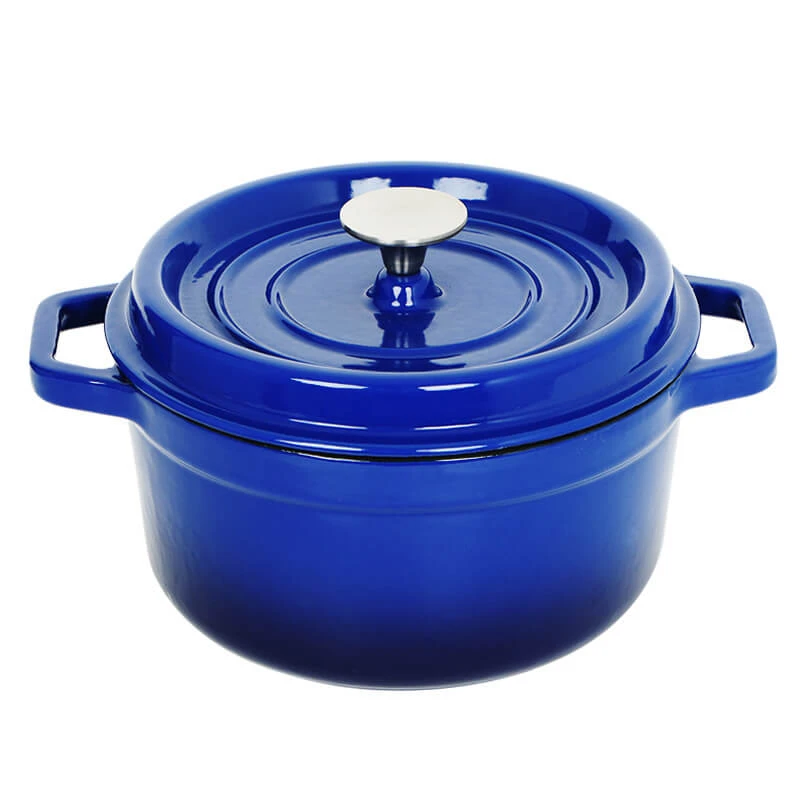
Simply put, it’s a heavy-duty pot made from cast iron that has been "seasoned" with layers of oil baked onto the surface. This seasoning process creates a naturally non-stick, rust-resistant coating — so no synthetic chemicals involved. The dutch oven’s thick walls and tight-fitting lid maintain steady heat, allowing for slow-cooking, baking, frying, and even outdoor campfire use.
Its connection to modern industry and humanitarian efforts is rooted in its longevity and efficiency. In many regions where fuel and resources are scarce, a single dutch oven can outlast multiple generations of cookers or pans.
Core Components and Key Factors
1. Durability
Cast iron is famously tough. A seasoned cast iron dutch oven can last decades, if not centuries, often preserved as family heirlooms. The seasoning layer protects against rust and wear, meaning less replacement and waste.
2. Heat Retention and Distribution
Its dense material absorbs heat steadily and evenly — a blessing for recipes requiring precise temperature control, like braises or baked bread. No hotspots here, which means better cooking results.
3. Versatility
From stovetop to oven, campfire to induction cooktop, it adapts with ease — perfect for urban kitchens and remote locations alike.
4. Cost Efficiency
While the upfront cost is higher than cheaper pans, the dutch oven’s lifespan gives excellent return on investment, especially for large families or community kitchens.
5. Environmental Impact
Because it cooks food thoroughly and efficiently, it reduces fuel consumption. Plus, fewer replacements mean less landfill waste over time.
Mini takeaway: The seasoned cast iron dutch oven isn’t just cookware — it’s a durable, efficient, and versatile ally in the kitchen and beyond.
Product Specifications of a Typical Seasoned Cast Iron Dutch Oven
| Feature | Specification |
|---|---|
| Material | Cast iron with vegetable oil seasoning |
| Diameter | 10 inches (25 cm) typical |
| Height | 4.5 inches (11.5 cm) |
| Weight | 8–12 pounds (3.6–5.4 kg) |
| Lid Type | Tight-fitting with raised edges for moisture retention |
| Usability | Oven-safe up to 500°F (260°C), stovetop, campfire |
Vendor Comparison: Popular Seasoned Cast Iron Dutch Oven Brands
| Brand | Price Range | Weight | Pre-Seasoned? | Warranty |
|---|---|---|---|---|
| Lodge | $40-$80 | 10 lbs | Yes | Limited Lifetime |
| Le Creuset | $300-$600 | 8-12 lbs | Yes (enamel-coated) | Limited Lifetime |
| Victoria | $30-$60 | 10 lbs | Yes | Limited Lifetime |
Global Applications and Use Cases
In many rural and off-grid areas, especially in parts of Africa and Southeast Asia, the seasoned cast iron dutch oven serves as a robust cooking device capable of handling open fire, charcoal, or wood stoves. Humanitarian groups use them during refugee settlement setups because their heat efficiency lessens fuel needs – a big plus in scarce environments.
Urban chefs in Europe and North America swear by these for slow-cooked meals that retain moisture and develop nuanced flavors. Outdoor enthusiasts and campers also prize them as portable ovens that can double as frying pans or grills over campfires.
Not to mention, the seasoned cast iron dutch oven is regularly featured in culinary arts education, teaching students about temperature control, heat retention, and multi-use functionality.
Advantages and Long-Term Value
- Cost-effective: Though pricier at purchase, its decades-long life means less frequent replacement.
- Environmentally friendly: Reduced fuel consumption and waste support sustainability.
- Reliable: No electronics or moving parts to fail.
- Emotional connection: It often becomes a family heirloom, symbolizing trust and care in every meal.
Mini takeaway: Investing in a seasoned cast iron dutch oven offers both immediate cooking benefits and lasting legacy value.
Future Trends and Innovations
From smart seasoning techniques using natural oils optimized by digital sensors to eco-conscious manufacturing processes, the seasoned cast iron dutch oven is quietly evolving. Some companies have introduced lighter-weight cast iron alloys, blending tradition with user-friendly design. Additionally, there’s growing interest in pairing these ovens with solar cookers or less-polluting fuel sources, aligning with green energy goals.
Curiously, digital platforms have made hand-seasoning techniques more accessible worldwide, helping maintain and improve cookware performance — a sort of low-tech meets high-tech fusion.
Challenges and Solutions
Despite their many benefits, cast iron dutch ovens can be heavy and require care to maintain seasoning. Improper cleaning can cause rust, and it takes patience and practice to season correctly. However, many manufacturers now offer pre-seasoned versions and comprehensive tutorials, easing the learning curve. In humanitarian contexts, training programs help ensure long-term usability and safety.
Frequently Asked Questions About Seasoned Cast Iron Dutch Oven
- What does 'seasoned' mean on a cast iron dutch oven?
- Seasoning refers to the layer of polymerized oil baked onto the cookware surface, creating a natural non-stick and rust-resistant coating.
- Can a seasoned cast iron dutch oven be used on induction cooktops?
- Yes, cast iron is compatible with induction cooktops because it is ferromagnetic, making it versatile for modern kitchens.
- How do I maintain the seasoning on my dutch oven?
- Avoid soap when cleaning, dry thoroughly, and occasionally rub a light coat of cooking oil to maintain the protective seasoning.
- Is cast iron better than stainless steel for slow cooking?
- Cast iron offers superior heat retention and even cooking, ideal for slow braises compared to thinner stainless steel.
- Are there lighter options for cast iron dutch ovens?
- Some brands now offer cast iron blends or enameled versions that weigh slightly less while retaining key benefits, but traditional cast iron remains heavier.
Conclusion
In the whirlwind of modern kitchen gadgets, the seasoned cast iron dutch oven quietly reminds us that some tools simply get it right. From enduring value and global adaptability to environmental benefits, its story is one of lasting innovation through tradition. For anyone curious about sustainable cooking or investing in a reliable culinary companion, it’s worth exploring this classic — perhaps starting with a visit to our website.
Thanks for reading, and happy cooking!
Key Takeaway: Whether you’re a home cook, humanitarian worker, or outdoors enthusiast, a seasoned cast iron dutch oven is a versatile, sustainable, and enduring kitchen must-have.
References
-
Antique Cast Iron Camp Oven: Durable Outdoor Cookware for Professionals | ZD CookwareNewsJan.06,2026
-
Durable 4 Quart Camping Pot for Professional Use | ZD CookwareNewsJan.06,2026
-
Durable Campfire Cast Iron Pot for Outdoor & Industrial UseNewsJan.06,2026
-
Cast Iron Griddle for Camp Stove – Durable Outdoor Cooking EssentialNewsJan.06,2026
-
Dutch Oven Cast Iron Camping – Durable Outdoor Cooking GearNewsJan.05,2026
-
Durable and Efficient Cast Iron Camping Griddle for B2B Professionals | ZD CookwareNewsJan.05,2026