Oven Safe Dutch Oven – Durable, Reliable Cookware for Every Kitchen
What’s an Oven Safe Dutch Oven and Why It Matters Globally
At first glance, you might think an oven safe dutch oven is just a sturdy, cast-iron pot that grandma used for stews. But from a global and practical perspective, it’s much more than that. These cookware gems aren't just about kitchen lore — they’re vital in modern cooking technology, sustainable food preparation, and even large-scale catering and humanitarian aid where reliable, versatile cookware is a must.
The key benefit? It’s the combination of durability, safety, and adaptability. Whether in high-end kitchens in Paris, remote field kitchens in disaster zones, or eco-conscious households worldwide, understanding and choosing the right oven safe dutch oven can mean better cooking outcomes, energy efficiency, and safety. Plus, the best models last a lifetime — they’re the ultimate kitchen investment, globally relevant and surprisingly enviro-friendly.
Global Context: Why Oven Safe Dutch Ovens Are Gaining Traction
To anchor this topic in some context: according to the International Organization for Standardization (ISO), materials and cookware safety standards are increasingly critical as the global population grows and cooking moves toward energy efficiency and resilience. Roughly 60% of households worldwide rely on oven-stable cookware for heat-efficient meal prep, and with rising awareness of indoor air pollution from inefficient cooking, cookware like oven safe dutch ovens offer a cleaner solution.
In particular, the sustainability push across the EU, China, and the US has manufacturers designing dutch ovens with materials and coatings that meet strict regulations — all while addressing the chef’s (or camp cook’s) need for reliable cookware that transfers seamlessly from stovetop to oven without warping or releasing harmful chemicals.
Defining the Oven Safe Dutch Oven
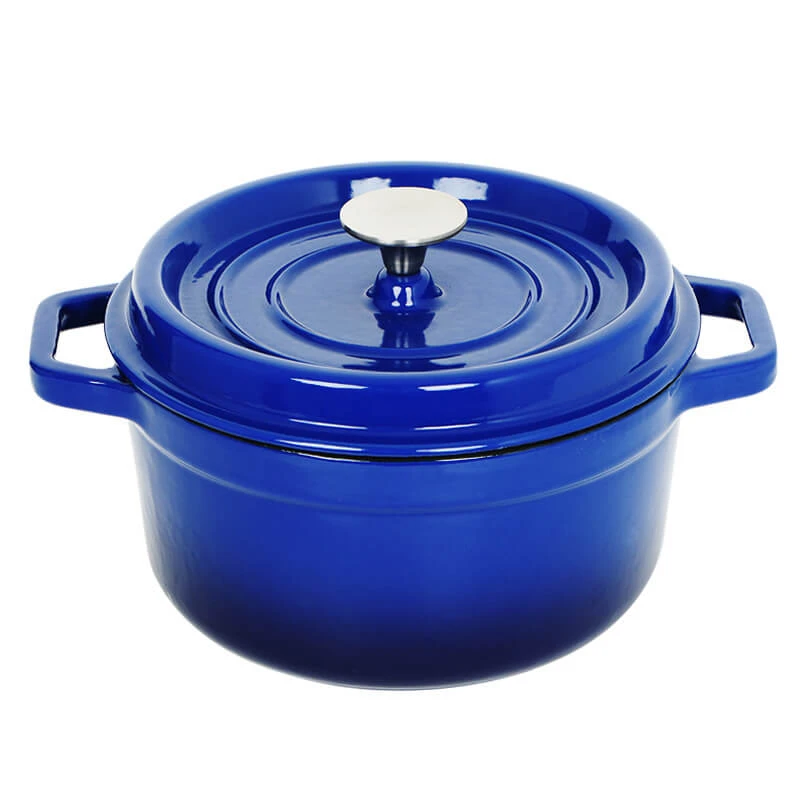
In straightforward terms, an oven safe dutch oven is a heavy-duty pot made from cast iron, enameled cast iron, ceramic, or even stainless steel, designed to safely withstand high oven temperatures — typically up to 500°F (260°C) or more. Unlike standard pots, these can go directly from stove burners into an oven, allowing for versatile cooking techniques like braising, roasting, and baking.
From a humanitarian perspective, their robustness and versatility make these pots ideal for mobile kitchens, refugee camps, and disaster relief centers where traditional kitchen setups aren’t always possible but reliable heat and cooking methods remain critical for food security.
Core Components and Key Factors of Oven Safe Dutch Ovens
1. Durability
Long-lasting materials like cast iron give these dutch ovens their legendary robustness. They resist warping and cracks, even after years of heavy use. Many models come with an enamel coating that prevents rust and allows easier cleaning — quite a leap from the basic bare cast iron of yesteryear. For anyone who’s burned a dinner due to a cracked pot, this durability is pure magic.
2. Heat Retention and Even Cooking
Cast iron’s high thermal mass means it heats slowly but holds heat for ages. This allows the cook to maintain consistent temperatures — essential for slow-cooked recipes or baking artisan breads. This isn’t just old chemistry; it’s science meeting culinary art on your stovetop and oven rack.
3. Oven Safety and Temperature Range
These dutch ovens are specifically designed to handle high heat without damage. Look for models rated safe to at least 450°F, but many premium brands claim 500°F+. Oven safe handles, sturdy lids, and insulated designs play a part here, ensuring safe use inside any conventional or convection oven.
4. Material and Coating
The choice between bare cast iron, enamel-coated, or ceramic can affect maintenance and performance. For example, enamel-coated dutch ovens don’t need seasoning and can be more hygienic, whereas bare cast iron delivers unparalleled heat distribution but requires more upkeep.
5. Size and Capacity
From petite 2-quart versions perfect for solo meals, to family-sized 7-quart monsters, size matters. Choosing the right capacity helps avoid waste and fits different kitchen setups. Plus, many modern dutch ovens come with stackable designs or accessories to enhance versatility.
Mini Takeaway: An oven safe dutch oven blends hardy materials, smart design, and heat-savvy physics to offer versatile cookware that fits both home cooks and field needs alike.
Real-World Applications: From Home Kitchens to Global Relief Efforts
Across continents, these dutch ovens shine in many arenas. In West Africa’s bustling markets, they’re key to slow-cooked stews that feed families daily. In wealthy urban centers, chefs prize them for their ability to develop deep flavors.
In emergency response, organizations like the Red Cross use rugged, oven safe dutch ovens to prepare nutritious meals in displaced persons camps. Their resilience means fewer replacements, lower logistic costs, and consistent meal quality — critical factors in crisis management.
Remote industrial zones, where electricity may falter, also benefit from dutch ovens’ ability to cook over wood or gas flames and finish dishes in portable ovens without fear of damage. The cookware’s multi-functionality supports food security and worker morale.
Advantages and Long-Term Value of Oven Safe Dutch Ovens
- Cost Efficiency: Despite higher upfront costs than average cookware, their longevity means less frequent replacement — a "buy once, cry never" scenario.
- Sustainability: Long-lasting materials with minimal synthetic coatings reduce environmental impacts.
- Safety & Reliability: Oven-safe handles and lids reduce accidents; consistent heat distribution lowers burnt meals.
- Emotional Connection: These pots often become heirlooms — reminders of cooking traditions and family gatherings.
In short, an oven safe dutch oven is an investment in quality, sustainability, and dependable cooking. Food tastes better, meals nourish deeper, and cooks feel more confident.
What’s Next? Future Trends in the Oven Safe Dutch Oven Market
Innovation isn’t stopping. Many manufacturers are now innovating by integrating sustainable, lightweight alloys and ceramic coatings that retain heat but reduce overall pot weight. Some models even tout smart sensor integration — imagine a dutch oven that monitors temperature and suggests cooking alerts on your phone! While niche today, these could be game changers for commercial kitchens.
Green energy is another parallel force. Improved insulation designs mean dutch ovens can hold heat longer, reducing energy consumption during cooking, which aligns well with growing eco-conscious consumer habits.
Challenges & Solutions
Sure, nothing’s perfect. One common gripe is that cast iron dutch ovens are heavy — they can feel like a workout every time you grab them. Also, enamel coatings sometimes chip if mishandled, and untreated cast iron demands maintenance.
Solutions? Lightweight hybrids combine cast iron with aluminum cores for easier handling. For coatings, manufacturers use tougher enamels or offer enhanced warranties. Meanwhile, seasoning kits and detailed care guides help users preserve the quality for decades.
Frequently Asked Questions About Oven Safe Dutch Ovens
Q1: Can I use an oven safe dutch oven on induction cooktops?
Absolutely! Most cast iron and stainless steel dutch ovens are induction compatible. The dense material interacts well with induction fields, providing even heating. Just check the manufacturer’s specs if you have a specific cooktop model.
Q2: How do I clean an enamel-coated oven safe dutch oven?
Hand wash with warm soapy water to preserve the enamel. Avoid metal scouring pads that can chip the coating. Stubborn food residue often loosens with soaking. Some brands say dishwasher safe, but hand washing extends the pot’s lifespan.
Q3: Is it safe to preheat an empty dutch oven in the oven?
Preheating an empty cast iron or enameled dutch oven can cause thermal shock or damage the enamel. It’s better to add oil or food before heating to protect the pot and avoid overheating.
Q4: What size oven safe dutch oven is best for a family of four?
Generally, a 5 to 6-quart capacity offers enough room for stews, roasts, or baking bread, fitting four servings comfortably without overcrowding.
Q5: Can I use a dutch oven outdoors on a campfire?
Yes! Cast iron dutch ovens excel over open flames or coals, but be mindful of handle temperatures and avoid thermal shocks by gradually heating.
Product Specifications of a Popular Oven Safe Dutch Oven Model
| Specification | Details |
|---|---|
| Material | Enameled Cast Iron |
| Capacity | 5.5 Quarts |
| Oven Safe Temperature | Up to 500°F (260°C) |
| Weight | 7.5 lbs |
| Handle Type | Enamel-coated Loop Handles |
| Includes Lid | Yes, matching enameled lid |
Vendor Comparison: Leading Oven Safe Dutch Oven Brands
| Brand | Material | Max Oven Temp | Weight | Average Price | Warranty |
|---|---|---|---|---|---|
| Brand A | Enameled Cast Iron | 500°F | 7.5 lbs | $150 | Limited Lifetime |
| Brand B | Bare Cast Iron | 450°F | 10.2 lbs | $100 | 10 Years |
| Brand C | Ceramic | 400°F | 6 lbs | $130 | 5 Years |
Thinking about adding an oven safe dutch oven to your kitchen arsenal? It’s a durable, energy-efficient, and multifaceted tool that extends the joy of cooking across cultures and climates. Whether you're roasting a Sunday chicken, simmering a hearty stew, or baking bread, the right dutch oven can do it all, and last for decades.
To explore top-quality options and detailed user guides, I recommend visiting oven safe dutch oven selections on ZD Cookware. Trust me, the investment feels right the moment you lift one.
References
-
Antique Cast Iron Camp Oven: Durable Outdoor Cookware for Professionals | ZD CookwareNewsJan.06,2026
-
Durable 4 Quart Camping Pot for Professional Use | ZD CookwareNewsJan.06,2026
-
Durable Campfire Cast Iron Pot for Outdoor & Industrial UseNewsJan.06,2026
-
Cast Iron Griddle for Camp Stove – Durable Outdoor Cooking EssentialNewsJan.06,2026
-
Dutch Oven Cast Iron Camping – Durable Outdoor Cooking GearNewsJan.05,2026
-
Durable and Efficient Cast Iron Camping Griddle for B2B Professionals | ZD CookwareNewsJan.05,2026