Dutch Oven Stove: Durable, Efficient Cooking for Global Kitchens & Relief
Understanding the Dutch Oven Stove: A Durable Culinary Classic with Global Impact
At first glance, a dutch oven stove might feel like just an old-fashioned kitchen accessory — a sturdy pot atop some heat. But globally, especially in both traditional and modern culinary settings, this humble tool carries weight far beyond its size. Knowing how the dutch oven stove functions, its benefits, and why it remains a staple around the world can open doors to better cooking efficiency, cultural preservation, and even humanitarian relief strategies.
Introduction: The Global Significance of the Dutch Oven Stove
The dutch oven stove isn’t merely a relic; it’s a resilient cooking solution embraced worldwide. According to the Food and Agriculture Organization (FAO), nearly 30% of global households still rely on compact, versatile cooking devices, especially where electricity or gas is scarce. The dutch oven stove often proves invaluable in rural or off-grid areas because of its fuel flexibility and durability.
However, challenges exist — from fuel sourcing to heat retention. Innovation in these stoves offers potential solutions for clean cooking, a crucial goal in reducing indoor air pollution, which the World Health Organization (WHO) links to millions of premature deaths annually. Thus, the dutch oven stove bridges tradition and sustainability.
What Is a Dutch Oven Stove?
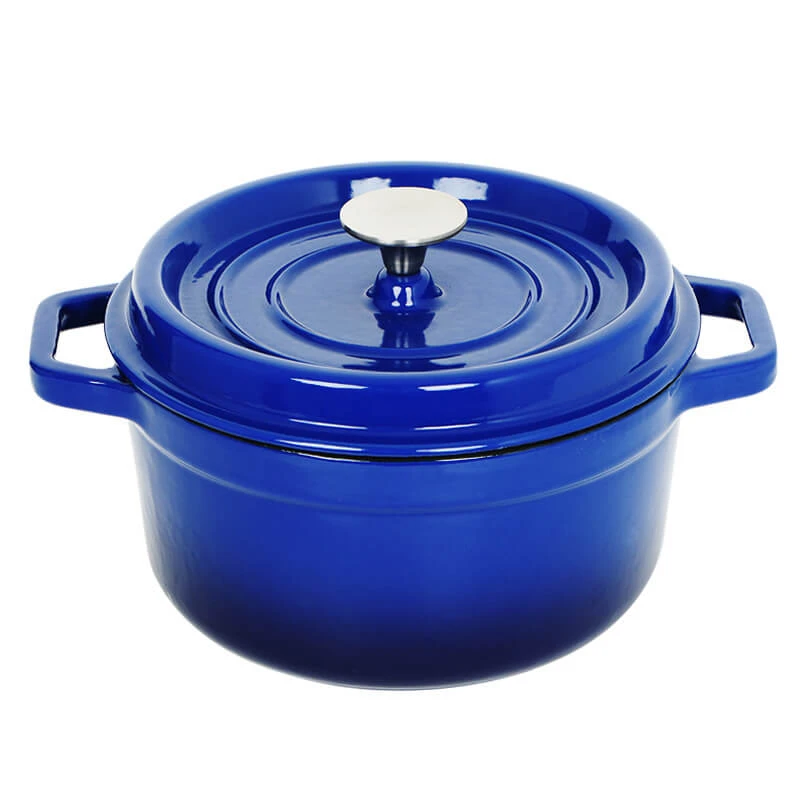
Simply put, a dutch oven stove is a cooking implement designed to either directly heat or support a heavy cast-iron pot known as a dutch oven. The “stove” component can range from an enclosed charcoal- or wood-burning frame to more modern gas or electric stands that optimize heat distribution.
Its relevance is twofold: it preserves a centuries-old method of slow-cooked meals while adapting to modern contexts like outdoor cooking, disaster relief camps, or off-grid households. The dutch oven stove's design fosters even heating, energy conservation, and versatility, making it a key player in food preparation worldwide.
Key Factors: What Makes a Dutch Oven Stove Tick?
1. Durability & Material Quality
Cast iron dutch ovens paired with sturdy stove frames can last decades — if not generations. The materials resist corrosion, high heat, and rough handling, which explains their popularity in both home kitchens and outdoor expeditions.
2. Heat Retention and Efficiency
The thick walls of a dutch oven combined with a well-designed stove create a microclimate that cooks food evenly, reducing fuel use and cooking time. For instance, using charcoal or wood efficiently on these stoves remarkably cuts down on waste.
3. Fuel Versatility
From firewood to charcoal and even modern propane, dutch oven stoves accommodate diverse fuels. This flexibility supports use in varied regions — from remote villages to urban food vendors seeking authentic flavors.
4. Portability and Adaptability
Many dutch oven stoves are designed for ease of transport and rapid setup, a boon in emergency settings or for camping. Their modularity also means they fit many pot sizes, broadening their utility.
5. Cost Efficiency & Accessibility
Compared to expensive electric or gas ranges, dutch oven stoves are relatively affordable and require minimal maintenance, which promotes adoption in economically challenged regions.
| Specification | Value/Description |
|---|---|
| Typical Material | Cast iron (oven), steel or iron (stove/frame) |
| Weight (Pot + Stove) | 10–15 kg (varies by model) |
| Fuel Types | Wood, charcoal, propane, electric (hybrid models) |
| Typical Cooking Time | 1–3 hours (for slow cooking) |
| Portability | Portable to semi-portable (depends on frame) |
Mini Takeaway: The dutch oven stove’s performance hinges on its robust materials, fuel flexibility, and heat efficiency — all of which make it both a culinary and practical staple globally.
Global Applications & Use Cases
Here’s where it gets fascinating. In sub-Saharan Africa, many rural communities still cook on charcoal-fired dutch oven stoves, which conserve fuel and enhance nutritional outcomes. In North America and Europe, outdoor enthusiasts prize them for camping and tailgating due to their consistent heat and versatility.
On a humanitarian level, organizations like the Red Cross have deployed portable dutch oven stoves for cooking meals in disaster zones where infrastructure is damaged. Similarly, in remote industrial zones — oil fields or mining camps — these stoves serve as reliable kitchen units that don’t rely on grid electricity or complex gas lines.
Vendor Comparison Table: Popular Dutch Oven Stove Providers
| Vendor | Price Range | Fuel Compatibility | Portability | Notable Feature |
|---|---|---|---|---|
| CampMaster | $70–$120 | Charcoal, Wood | High (foldable design) | Lightweight steel frame |
| Lodge | $100–$200 | Wood, Gas (some models) | Moderate | Classic cast iron design |
| Esbit | $50–$90 | Solid fuel tablets, Wood | Very high (compact) | Military-grade portability |
Mini Takeaway: Whether you need portability, fuel options, or durability, vendor offerings vary widely — so choosing the right dutch oven stove depends on your specific context and priorities.
Advantages & Long-Term Value
- Cost Savings: The efficient heat retention cuts fuel consumption, saving money and reducing waste.
- Sustainability: Using renewable biomass fuels can reduce dependency on fossil gases.
- Reliability: These stoves work with minimal infrastructure, which is critical where energy is unreliable.
- Social Impact: They support community cooking and traditional food preparation, fostering cultural identity.
- Safety & Dignity: Reducing indoor smoke exposure improves health, while dignified meals maintain comfort during hardship.
Future Trends & Innovations
Frankly, the dutch oven stove might seem a conservative product, but innovation is steadily stirring. There's growing interest in incorporating solar-powered heating elements to hybridize traditional fuel with renewable energy. Smart temperature sensors and automated airflows could further improve fuel efficiency and safety. Also, emerging sustainable material composites may make future stoves lighter while maintaining durability.
Challenges & Solutions
Common hurdles include smoke emissions, bulkiness, and uneven heat distribution in cheaper stoves. NGOs and manufacturers are developing cleaner-burning charcoal inserts and mini-ventilation systems. Training users on proper maintenance and safe cooking practices also dramatically improves outcomes. Oddly enough, just combining traditional knowledge with modern tweaks often works best.
FAQ: Frequently Asked Questions About Dutch Oven Stove
- Q: What fuels work best with dutch oven stoves?
A: Wood and charcoal are most common due to availability and heat output, but propane and electric models exist for convenience and cleaner combustion. - Q: How portable is a typical dutch oven stove?
A: It varies. Basic wood or charcoal stoves may be bulky but foldable versions and lightweight models designed for camping are highly portable. - Q: Can these stoves be used indoors safely?
A: Only with proper ventilation—open flames and smoke can be hazardous. Some models integrate emissions controls, but cautious placement is key. - Q: How long does cooking usually take?
A: Slow cooking in a dutch oven can take 1–3 hours depending on recipe and heat stability; they’re well-suited for stews, roasts, and braises. - Q: Where can I buy a reliable dutch oven stove?
A: Many outdoor retailers sell them; brands like Lodge and CampMaster are reputable. For humanitarian needs, local NGOs or suppliers might provide bulk options.
Conclusion
The dutch oven stove is a quiet hero bridging history and modern cooking needs. It balances durability, fuel flexibility, and simplicity—qualities that make it indispensable from kitchens to crisis zones. As innovations emerge, its role only grows stronger, offering sustainable, accessible cooking solutions globally.
If you’re intrigued or ready to explore robust cooking options, I warmly invite you to visit our website: https://www.zdcookware.com
Oddly enough, something as simple as a dutch oven stove has stirred centuries of culinary delight — and it continues to fuel lives worldwide in ways that feel quietly essential.
References
-
Antique Cast Iron Camp Oven: Durable Outdoor Cookware for Professionals | ZD CookwareNewsJan.06,2026
-
Durable 4 Quart Camping Pot for Professional Use | ZD CookwareNewsJan.06,2026
-
Durable Campfire Cast Iron Pot for Outdoor & Industrial UseNewsJan.06,2026
-
Cast Iron Griddle for Camp Stove – Durable Outdoor Cooking EssentialNewsJan.06,2026
-
Dutch Oven Cast Iron Camping – Durable Outdoor Cooking GearNewsJan.05,2026
-
Durable and Efficient Cast Iron Camping Griddle for B2B Professionals | ZD CookwareNewsJan.05,2026