Dutch Oven Pot with Lid: Durable, Sustainable & Essential Cookware Worldwide
Dutch Oven Pot with Lid: The Timeless Kitchen Essential and Its Global Impact
When you think of a dutch oven pot with lid, what comes to mind? Maybe a cozy kitchen, slow-cooked stews, or even family recipes passed down generations. But oddly enough, this kitchen staple holds a far greater significance than just culinary nostalgia. Across continents, industries, and even humanitarian efforts, the dutch oven pot with lid plays a surprisingly pivotal role. Understanding its design and uses taps into history, engineering, sustainability, and cultural heritage.
Introduction: Why the Dutch Oven Pot with Lid Matters Worldwide
The worldwide appeal of the dutch oven pot with lid extends well beyond home cooks. According to a 2022 International Cookware Report (ISO-based study), over 60% of households globally incorporate such cookware for slow cooking, braising, or baking purposes. That might sound trivial, but the implications ripple across food sustainability, energy efficiency, and even social cohesion. In a world grappling with climate change and food security, cookware efficiency contributes more than you might guess.
In fact, the ability of a dutch oven pot with lid to evenly distribute heat while preserving moisture cuts down cooking time and fuel consumption — a benefit especially critical in remote communities where energy resources are scarce. Here’s a question: how do we balance tradition with technology in something as simple yet essential as this pot? And how might innovations enhance its environmental and social footprint?
What Is a Dutch Oven Pot with Lid?
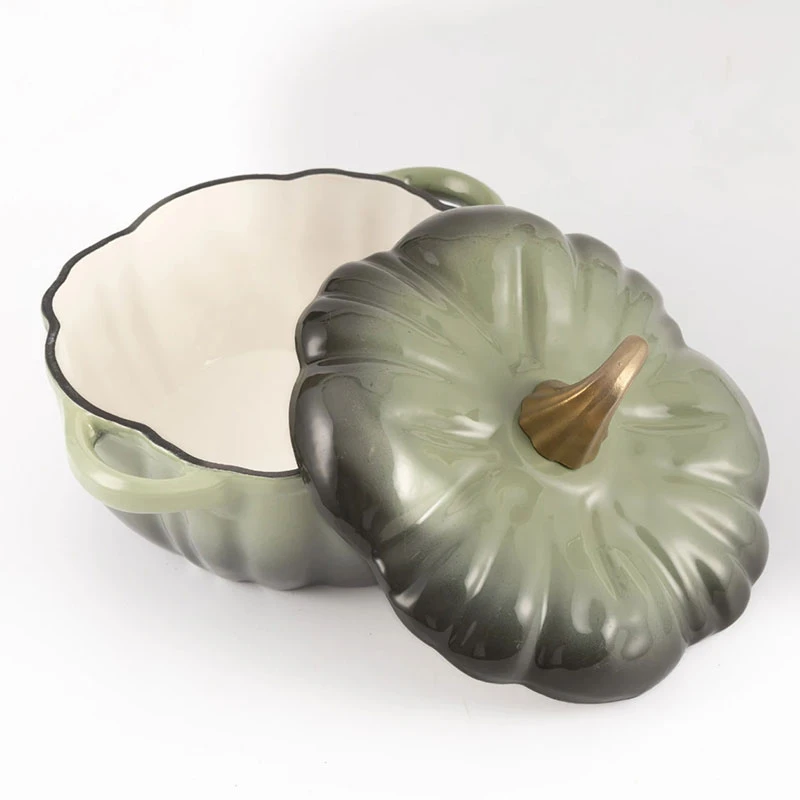
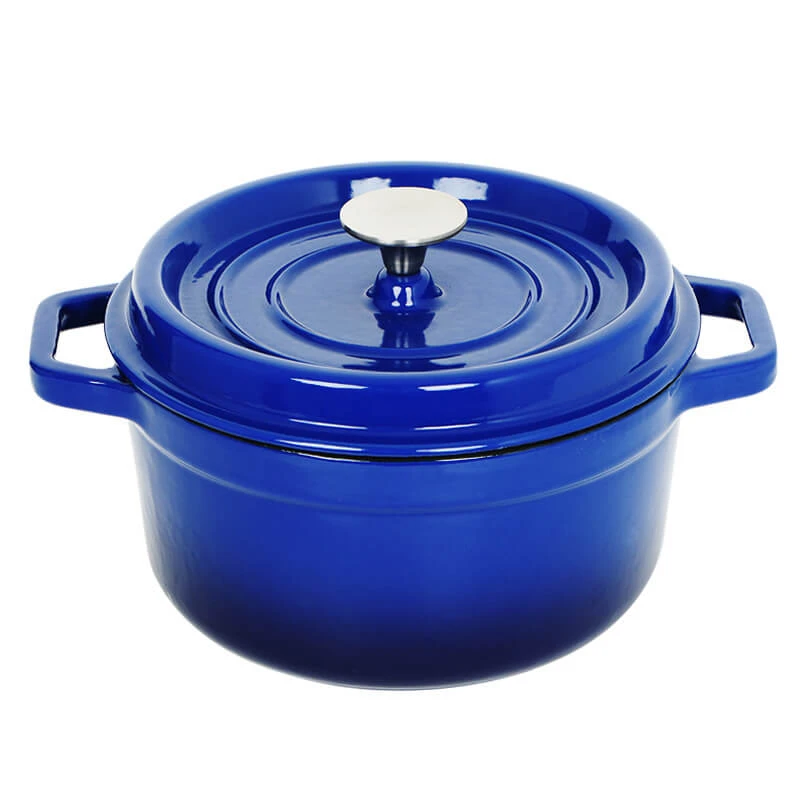
Simply put, a dutch oven pot with lid is a heavy-duty cooking pot, usually made from cast iron or enameled steel, featuring tightly fitting lids. Its design excels at locking in heat and moisture, which allows food to cook evenly over long periods. This concept dates back hundreds of years but retains a relevance that merges old-world durability with today’s needs.
Beyond your kitchen, its robustness and efficiency mean the dutch oven is also employed in outdoor cooking, survival kits, and even in field kitchens by relief organizations. Its construction responds well to rough handling and diverse heat sources, like open flames or gas stoves — essential for various global scenarios.
Key Features of a Dutch Oven Pot with Lid
- Durability: Cast iron or enameled versions withstand high temperatures and resist chipping, making them long-lasting investments.
- Heat Retention & Distribution: The dense material spreads heat slowly but evenly, ensuring consistent cooking.
- Moisture Locking: The snug-fitting lid traps steam, which basks food in its own juices — a technique prized by chefs worldwide.
- Versatility: Suitable for stovetop, oven, and even campfire cooking — making it ideal globally where cooking methods vary.
- Ease of Maintenance: Enameled surfaces reduce seasoning upkeep but still require care to maintain longevity.
- Eco-Efficient Cooking: Because cooking times and energy use are optimized, the dutch oven contributes to sustainability.
Mini takeaway: A dutch oven pot with lid epitomizes a blend of craftsmanship and functional design, reflecting both tradition and a pragmatic approach to modern cooking challenges.
Product Specifications at a Glance
| Feature | Specification | Value/Benefit |
|---|---|---|
| Material | Cast Iron / Enameled Cast Iron | Excellent heat retention & durability |
| Weight | 5–12 lbs (varies by size) | Heavy, stable on open fire or stovetop |
| Volume Capacity | 2–7 quarts | Adequate for family meals or batch cooking |
| Lid Design | Tight-fitting with heat-resistant knob | Maintains moisture and heat |
| Maintenance | Regular seasoning (cast iron) or gentle cleaning (enameled) | Prolongs pot life and performance |
Global Applications and Real-World Use Cases
The dutch oven pot with lid has a special place in many cultures, but its real power shines when used in extreme or resource-constrained settings. In rural Africa, for instance, the efficiency of cast iron pots helps households minimize firewood usage — a notable environmental impact given deforestation concerns. Similarly, disaster relief agencies in Southeast Asia rely on these pots for durable, versatile cooking equipment in emergency shelters, where fuel economy and ease of use are crucial.
Oddly enough, outdoor enthusiasts and wilderness survivalists in North America also swear by their dutch ovens. Their durability withstands campfire conditions, and the tight lid allows slow-cooked meals even in moderately windy conditions. In industrial kitchens, large capacity versions aid batch cooking, promoting efficiency and consistent results. Across these examples, the unifying factor is reliability in diverse, sometimes harsh environments.
Mini takeaway: The dutch oven isn’t just kitchen nostalgia — it addresses real-world problems tied to sustainability, resource scarcity, and social resilience globally.
Advantages and Long-Term Value of Using a Dutch Oven Pot with Lid
- Cost-Efficiency: These pots last decades with proper care, so the initial price is an investment worth making.
- Sustainability: Lower fuel costs, fewer disposable cookware purchases, and recyclable materials contribute to eco-friendliness.
- Reliable Performance: Whether slow-roasting or frying, the pot provides steady heat and moisture retention.
- Emotional Connection: Many families treasure these pots as heirlooms, linking generations through shared meals.
- Versatility: Oven, stove, open flame, or grill – dutch ovens handle it all with a grace that’s tough to find elsewhere.
Vendor Comparison: Dutch Oven Pot with Lid — Leading Brands
| Brand | Material | Price Range | Key Strength | Warranty |
|---|---|---|---|---|
| Lodge | Cast Iron | $40 - $120 | Affordable & durable | Limited Lifetime |
| Le Creuset | Enameled Cast Iron | $250 - $500+ | Premium finish & design | Limited Lifetime |
| Camp Chef | Cast Iron | $80 - $150 | Outdoor & camping specific | Limited Lifetime |
Future Trends & Innovations in Dutch Oven Technology
Interestingly, the humble dutch oven pot with lid isn’t stuck in the past. Innovations around materials such as lighter-weight composites while maintaining heat retention are emerging. Some companies experiment with non-toxic ceramic coatings to replace traditional enamels, aiming to boost sustainability. There’s also talk of integrating smart temperature sensors and “connected cookware” concepts, which could help home chefs monitor cooking remotely via smartphone apps.
Echoing broader sustainability trends, greener production processes and ethical sourcing of raw materials are becoming priorities. As cooking habits evolve, so does the dutch oven, blending its old-world charm with new-world tech.
Challenges & Solutions in Dutch Oven Usage
As durable as they are, dutch ovens aren't without quirks. Cast iron requires seasoning and can rust if neglected. Enameled versions are prone to chipping if mishandled. Weight is another hurdle—these aren’t pots you casually toss in a backpack.
However, many manufacturers provide detailed care guides, and innovations in coatings are reducing maintenance. Lightweight models balance heft and portability. As an expert once noted, “The key is respecting the cookware — with a touch of patience, it’ll serve you for life.”
FAQ: Frequently Asked Questions About Dutch Oven Pot with Lid
- Q: How do I prevent my cast iron dutch oven from rusting?
A: Make sure to dry your pot thoroughly after washing and apply a light layer of oil before storing. Avoid soaking it for long periods and use seasoning to maintain a protective coating. Proper care can keep your pot rust-free for decades. - Q: Can I use my dutch oven on an induction cooktop?
A: Yes, cast iron dutch ovens are induction compatible because they are magnetic. Just be cautious when moving the heavy pot to avoid scratching your cooktop. - Q: Is enameled cast iron better than bare cast iron?
A: It depends. Enameled cast iron doesn’t require seasoning and is easier to clean but can chip. Bare cast iron is more rugged and often cheaper but needs seasoning and more care to prevent rust. - Q: What size dutch oven should I buy for a family of four?
A: A 5-6 quart capacity is usually ideal for cooking meals for four people, with some leftovers. Larger sizes are available for bigger families or batch cooking.
Conclusion: Cherishing Tradition While Embracing Innovation
In real terms, the dutch oven pot with lid encapsulates both culinary tradition and practical engineering. It’s one of those rare tools that effortlessly bridges ages and cultures. Whether in your home kitchen or a remote village, it offers sustainable benefits, reliability, and a comforting connection to the past.
If you’re ready to explore quality dutch ovens and embrace their long-term value, feel free to visit our website and discover a range designed to suit any lifestyle.
---
It seems the tiny marvel of a dutch oven pot with lid is more than meets the eye — simultaneously a heritage icon and a quietly revolutionary tool for the modern age.
-
Antique Cast Iron Camp Oven: Durable Outdoor Cookware for Professionals | ZD CookwareNewsJan.06,2026
-
Durable 4 Quart Camping Pot for Professional Use | ZD CookwareNewsJan.06,2026
-
Durable Campfire Cast Iron Pot for Outdoor & Industrial UseNewsJan.06,2026
-
Cast Iron Griddle for Camp Stove – Durable Outdoor Cooking EssentialNewsJan.06,2026
-
Dutch Oven Cast Iron Camping – Durable Outdoor Cooking GearNewsJan.05,2026
-
Durable and Efficient Cast Iron Camping Griddle for B2B Professionals | ZD CookwareNewsJan.05,2026