Dutch Oven for Baking Bread – The Ultimate Guide to Timeless Baking
Why a Dutch Oven for Baking Bread Matters More Than Ever
If you’ve ever smelled fresh bread wafting through a kitchen, chances are a trusty dutch oven had a starring role. But here’s the kicker: this simple, cast-iron pot isn’t just a nostalgic tool for home bakers. Globally, the dutch oven for baking bread is woven into food culture, emergency response, and sustainable cooking practices. It’s a tool with deep roots and surprising modern-day relevance, blending tech simplicity with culinary magic. With rising energy concerns and a growing trend toward home baking worldwide, understanding the role of a dutch oven isn’t just about better sourdough. It’s an entry into how traditional cookware can meet today’s environmental challenges, food security issues, and lifestyle shifts. So, why does it matter globally? Because the dutch oven is often a household hero in places without electric ovens, works beautifully with minimal fuel, and proves to be a durable investment. In short, mastering the dutch oven for baking bread gives you insight into a tool that’s practical, cultural, and surprisingly future-friendly.Setting the Context: A Global Perspective on Bread Baking Tools
Bread is one of humanity’s oldest staples, produced and consumed everywhere — from bustling urban centers to remote villages. According to the Food and Agriculture Organization (FAO), over 100 million tons of bread are baked globally every year. And the dutch oven remains a critical piece of this story. Whether in refugee camps, rural households, or artisan bakeries, the dutch oven provides a consistent way to make high-quality bread without industrial ovens. Yet, amid urbanization and the push for sustainable cooking solutions, challenges arise—rising fuel costs, deforestation from wood use, and the need for reliable cookware that lasts. That’s where the dutch oven shines: it’s energy-efficient, retains heat like a champ, and often runs on charcoal or wood more cleanly than open fires. For example, in countries like Ethiopia or Nepal, where electric or gas ovens are a luxury, cast-iron dutch ovens have become indispensable for traditional bread recipes. So it’s more than a baking utensil — it’s a small but vital cog in global food sustainability and cultural tradition.What Exactly Is a Dutch Oven for Baking Bread?
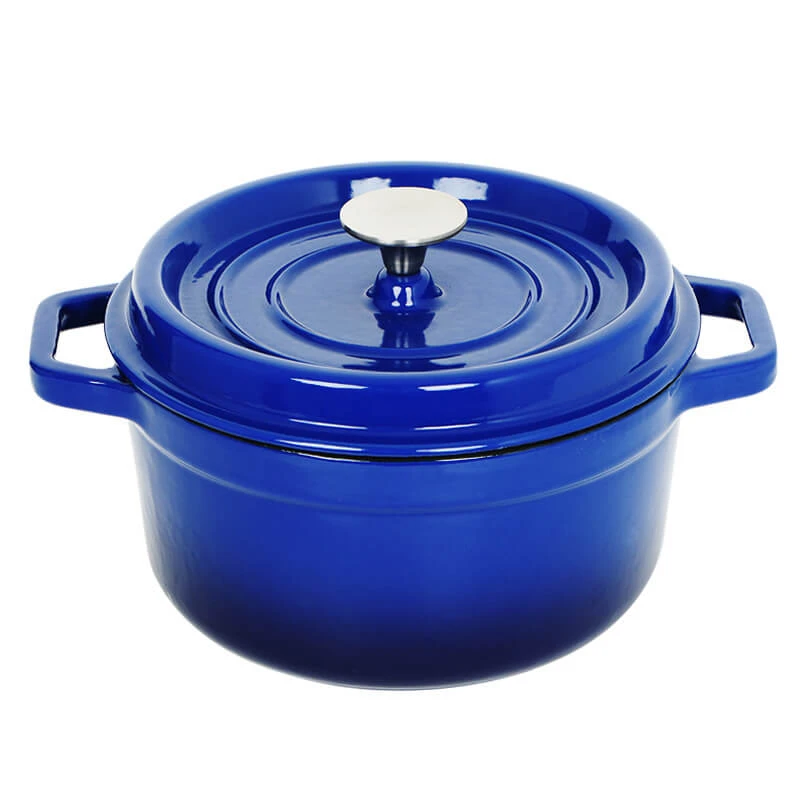
Simply put, a dutch oven for baking bread is a heavy, usually cast-iron pot with a tight-fitting lid designed to trap steam and circulate heat evenly. This creates the perfect steamy environment to bake crusty, artisan-style bread right in your home or field kitchen. Many ovens today have an enamel coating for easier maintenance and rust protection. Unlike regular pans, the dutch oven mimics the steam injection process of professional bread ovens, giving your loaf a crispy crust and tender inside. Its heat-retentive quality is what makes it so special. Traditionally, they were made from cast iron; now modern versions might mix materials or coatings but the principle remains. In humanitarian terms, it provides a quick, efficient way for displaced communities to bake bread when ovens are inaccessible, proving a simple yet profound link between cookware and resilience.Core Features That Empower the Modern Dutch Oven
Durability and Heat Retention
The iron core and thick walls mean it heats evenly and holds a steady temperature, critical for the perfect loaf. It’s not just about heat but how slowly and predictably that heat moves through the material. Cast iron’s thermal mass lets bread bake gently without hotspots.Steam Control via Lid Design
A tight lid locks moisture inside, replicating a commercial bread oven’s steam chamber. Some lids even have small bumps to drip moisture evenly back onto the crust, giving unique texture and sheen.Fuel Versatility
Whether you’re using charcoal, wood, or a stovetop burner, dutch ovens adapt beautifully. This flexibility matters big time in off-grid or developing regions, where stable electricity is a luxury.Size and Portability
Most dutch ovens range from 4 to 7 quarts, balancing loaf size with manageable weight. For field cooks or families, a medium size works best; it’s heavy but not unwieldy. Modern designs strive to keep weight down without sacrificing robustness.Maintenance and Longevity
Pre-seasoned or enamel-coated finishes help reduce the need for frequent seasoning and protect from rust. This longevity translates to savings and sustainability — many dutch ovens last decades with proper care.Where the Dutch Oven Shines Around the World
In rural Latin America, artisanal bakers use dutch ovens to recreate traditional flatbreads and crusty loaves that supermarkets can’t match. In the Middle East, these pots come into play during camping trips or large festive gatherings where ovens are scarce. Meanwhile, humanitarian organizations distributing cookware after natural disasters find dutch ovens invaluable for staged food programs — they cook hearty bread without complicated energy needs. Industrial bakeries often mimic the dutch oven’s method, yet the original remains the most affordable and reliable option for small-scale bakers. Plus, with the resurgence of home baking sparked by the 2020 pandemic, dutch ovens have seen a renaissance in urban kitchens across Europe and North America.Advantages of Using a Dutch Oven for Baking Bread
- Cost Savings: Minimal fuel requirements mean lower cooking costs — especially handy where electricity is pricey.
- Food Quality: Crisp crust, soft crumb, unmatched texture benefits.
- Durability: Designed to last a lifetime, cycling through generations.
- Sustainability: Energy-efficient and mostly recyclable materials.
- Emotional Value: Baking in a dutch oven connects you to generations of bakers — a comforting ritual that feels grounded.
What’s Next? Innovations and Trends in Dutch Oven Baking
The dutch oven isn’t standing still. Eco-conscious manufacturers are experimenting with recycled materials and non-toxic enamel coatings to reduce environmental footprints. Lightweight alloys inspired by camping gear are making dutch ovens more portable without losing heat retention. On the tech front, some brands are developing “smart” lids with temperature sensors that connect to apps — so you know the perfect baking moment. Green energy cooking methods, like solar ovens paired with dutch ovens, are expanding access to cooking without traditional fuels. Considering culinary trends, sourdough and artisan loaves keep rising in popularity, ensuring dutch ovens stay a kitchen staple.Challenges and Clever Solutions
Heavyweight design means not everyone can lift a 10-15 pound cast-iron pot easily. Some newer models lighten this but lose a bit of heat storage. Rusting remains an issue without proper care. Experts recommend thorough seasoning and drying, plus enamel coatings where possible. For low-income or disaster-prone areas, NGOs often bundle dutch ovens with education on maintenance to prolong lifespan. Solutions like detachable handles, stackable designs, and better lid seals also address user frustrations.Frequently Asked Questions About Dutch Oven for Baking Bread
Q1: Can I use any dutch oven for baking bread or just specific types?
A: Ideally, choose a heavy cast-iron or enameled cast-iron dutch oven with a snug lid. Lightweight or aluminum pots won’t retain heat or moisture sufficiently for that bakery-quality crust.
Q2: How often do I need to season my cast-iron dutch oven?
A: With regular use, seasoning every 3-6 months keeps the surface non-stick and rust-free. Enamel-coated models don’t require seasoning but still need thorough drying.
Q3: Is a dutch oven energy-efficient compared to electric ovens?
A: Yes, when used on stovetops or charcoal, dutch ovens require less fuel due to excellent heat retention and shorter cooking cycles than many electric ovens.
Q4: Can the dutch oven be used outdoors?
A: Definitely. In fact, many bakers prefer outdoor fire or charcoal cooking for bread in a dutch oven — it’s a versatile tool that adapts well to off-grid settings.
Q5: Where can I find reliable dutch ovens for baking bread?
A: There are many brands and price points; see our vendor comparison below for some standout options.
Product Specification Table
| Feature | Specification | Benefit |
|---|---|---|
| Material | Pre-seasoned Cast Iron / Enameled | Excellent heat retention, durability, and rust resistance |
| Capacity | 4–7 quarts | Ideal loaf size for home or small group baking |
| Weight | 8–15 lbs | Heavy enough for heat but manageable for most users |
| Lid Type | Tight-fitting with moisture drip bumps | Traps steam evenly for a superior crust |
| Heat Source Compatibility | Stovetop, charcoal, wood fire, oven | Adaptable across a wide range of settings |
Vendor Comparison for Dutch Ovens Suitable for Bread Baking
| Brand | Material & Coating | Price Range | Weight | Unique Feature |
|---|---|---|---|---|
| Lodge | Pre-seasoned Cast Iron | $50–$80 | 12 lbs | Affordable, proven durability |
| Le Creuset | Enameled Cast Iron | $300–$400 | 10 lbs | Colorful enameling, easy maintenance |
| Staub | Enameled Cast Iron, Matte Finish | $200–$350 | 11 lbs | Self-basting lid technology |
| Camp Chef | Pre-seasoned Cast Iron | $40–$70 | 13 lbs | Budget-friendly, outdoor-use friendly |
Conclusion: A Timeless Tool Worth Your Kitchen
To wrap it up, the dutch oven for baking bread is much more than a pot. It’s an intersection of history, culture, sustainability, and practical innovation. Whether you’re a home baker, a community cook, or an emergency responder, its long-term value is undeniable. It saves fuel, creates superior loaves, and carries a legacy of countless meals shared and memories made. If you’ve been on the fence about trying one, or need to upgrade your old pot, why not explore options on our website? There’s something deeply satisfying about pulling a perfect loaf out of a dutch oven — and honestly, once you try it, going back seems almost impossible. ----
Antique Cast Iron Camp Oven: Durable Outdoor Cookware for Professionals | ZD CookwareNewsJan.06,2026
-
Durable 4 Quart Camping Pot for Professional Use | ZD CookwareNewsJan.06,2026
-
Durable Campfire Cast Iron Pot for Outdoor & Industrial UseNewsJan.06,2026
-
Cast Iron Griddle for Camp Stove – Durable Outdoor Cooking EssentialNewsJan.06,2026
-
Dutch Oven Cast Iron Camping – Durable Outdoor Cooking GearNewsJan.05,2026
-
Durable and Efficient Cast Iron Camping Griddle for B2B Professionals | ZD CookwareNewsJan.05,2026