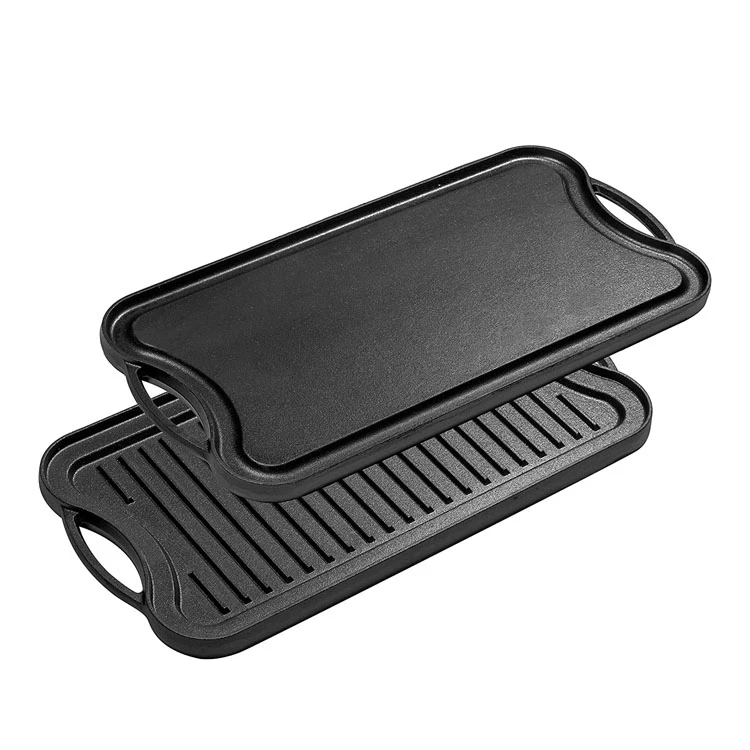
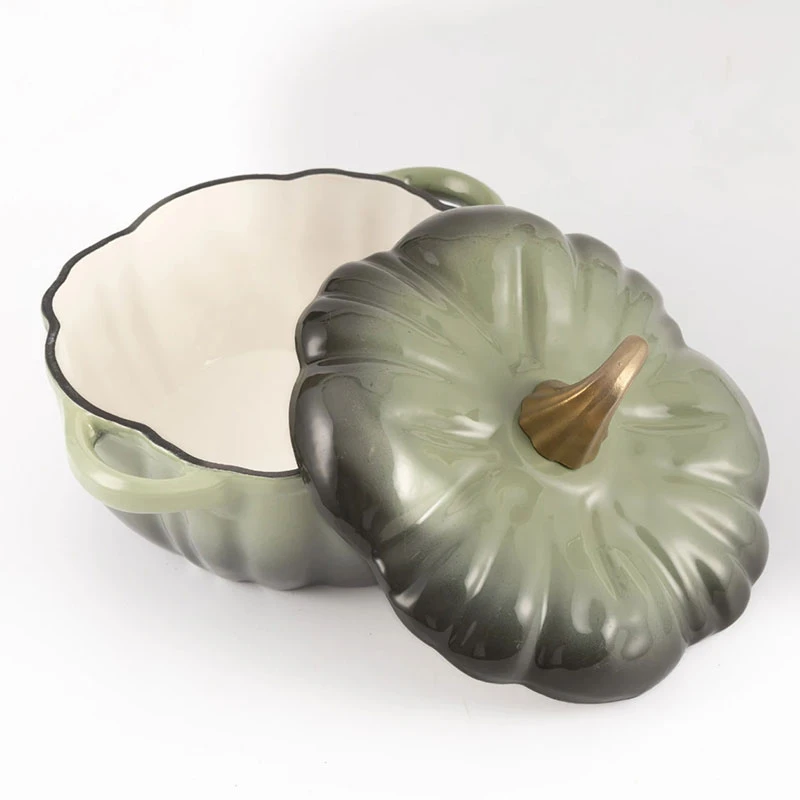
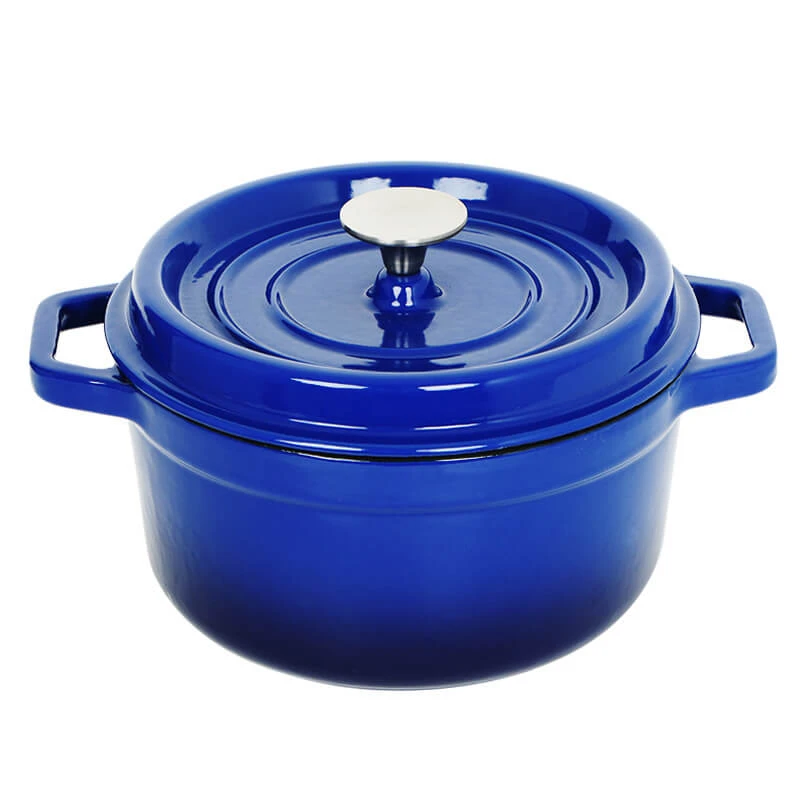
Dutch Oven Braiser: Ultimate Guide to Versatile, Durable Cookware
Dutch Oven Braiser: A Timeless Kitchen Essential with Modern Relevance
When you think about cookware that’s stood the test of time and reinvented itself for modern culinary needs, the dutch oven braiser undoubtedly comes to mind. This versatile piece blends the slow-cooking magic of a classic Dutch oven with the high-heat searing capabilities of a braiser. It’s a kitchen tool that’s respected worldwide for its adaptability and durability. Beyond just cooking, understanding the nuances of a dutch oven braiser reveals interesting insights into material engineering, culinary traditions, and manufacturing innovations that resonate globally.
Why the Dutch Oven Braiser Matters Globally
According to data from the International Organization for Standardization (ISO), quality cookware manufacturing is an integral part of both developed and emerging markets, significantly contributing to household sustainability and food security. The dutch oven braiser, which bridges slow cooking and braising in one vessel, addresses common kitchen challenges such as fuel efficiency and meal versatility—critical factors for millions worldwide. Oddly enough, this tool has seen a resurgence not just among home cooks but also professional chefs aiming for both flavor and functionality.
Defining the Dutch Oven Braiser
Simply put, a dutch oven braiser is a heavy-duty cooking pot constructed typically of cast iron or enameled cast iron, combining the traditional Dutch oven’s thick walls and tight-fitting lid with a wider, shallower design typical of braisers. This design allows for excellent heat retention and even distribution—ideal for both slow stews and quick searing/frying. In modern industry, it aligns with trends in sustainable cooking as it requires less energy and cooks evenly, minimizing wasted heat.
Key Components That Make the Dutch Oven Braiser Stand Out
1. Material Durability
Most commonly, dutch oven braisers are made from cast iron, renowned for exceptional thermal retention and durability. Enameled versions add a protective, non-reactive surface that enhances maintenance ease without sacrificing heat management.
2. Design Versatility
The braiser’s wide surface area combined with the Dutch oven’s deep sides means it can sear meats at high heat, then gently braise them under the lid—minimizing transfers between pots and less clean-up hassle.
3. Energy Efficiency
Its thick base and walls hold heat longer, so cooks often reduce stove flame during use, saving energy. This feature has measurable impact in regions where fuel conservation is critical.
4. Scalability for Different Cooking Volumes
Available sizes range from 3 quarts to over 7 quarts, accommodating anything from intimate family dinners to larger gatherings—useful globally where social meal-sharing is culturally significant.
Mini Takeaway: The dutch oven braiser’s blend of material excellence and design flexibility makes it indispensable in kitchens seeking both tradition and innovation.
Global Applications and Real-World Uses
In Europe, dutch oven braisers are staples in slow-cooked, rustic recipes like coq au vin or cassoulet. In North America, they're prized for backyard stews and artisan bread baking. Meanwhile, in parts of Africa and Asia, where fuel efficiency matters greatly, the braiser plays a role in reducing cooking times and preserving fuels—sometimes under conditions where energy sources are limited or expensive.
For example, NGOs operating in post-disaster zones often recommend cookware like dutch oven braisers for their reliability and minimal fuel needs. Oddly enough, these vessels offer a semblance of comfort and normalcy amid crisis settings.
Advantages and Long-Term Value of Dutch Oven Braisers
- Longevity: With proper care, a cast iron braiser can outlast multiple generations.
- Cooking Quality: Even heat distribution reduces hot spots, enhancing flavor development.
- Sustainability: Reduces energy waste in cooking processes.
- Emotional Connection: It feels like cooking with a trusted old friend—reliable, steady, and comforting.
Product Specifications Table
| Feature | Specification |
|---|---|
| Materials | Cast Iron, Enameled Cast Iron |
| Capacity | 3 to 7+ Quarts |
| Heat Source Compatibility | Gas, electric, induction, oven |
| Weight | 6 to 12 lbs (approx.) |
| Care Instructions | Hand wash recommended, seasoning for non-enameled |
Leading Vendors Comparison
| Brand | Material | Price Range | Warranty | Unique Feature |
|---|---|---|---|---|
| Brand A | Enameled Cast Iron | $150-$250 | 10 Years | Vibrant color options |
| Brand B | Traditional Cast Iron | $100-$180 | Lifetime | Feels like vintage nostalgia |
| Brand C | Enameled Cast Iron | $180-$300 | 5 Years | Ultra-smooth enamel coating |
Future Trends
Looking ahead, the dutch oven braiser might incorporate newer materials like ceramic-infused coatings or lightweight alloys to enhance portability without compromising heat retention. Green energy trends push manufacturers to refine designs minimizing energy consumption during cooking. Meanwhile, smart cookware with digital temperature sensors could emerge, making precise braising easier than ever. So, it's not just a relic of the past but a vessel evolving with innovation.
Challenges and Expert Solutions
One limitation is the weight; cast iron is heavy, which some users find cumbersome. Also, traditional care (seasoning, hand-washing) can intimidate new owners. Experts suggest enameled options as easier-to-maintain alternatives, plus ergonomic handle designs to improve usability. Further, education via user guides and videos helps overcome the 'fear factor'.
FAQs About Dutch Oven Braisers
- What makes a dutch oven braiser better than a regular braiser?
- Its thicker walls and tight-fitting lid provide superior heat retention for slow cooking, while the broader base offers searing capabilities, combining two functions in one versatile vessel.
- Can I use a dutch oven braiser on an induction stove?
- Yes, most cast iron and enameled cast iron braisers are induction-compatible due to their magnetic properties, making them suitable for modern kitchens.
- How do I clean and maintain an enameled dutch oven braiser?
- Simply use warm soapy water and a non-abrasive sponge. Avoid metal utensils to keep the enamel intact; no seasoning is required.
- Is a dutch oven braiser energy efficient?
- Definitely. Its excellent thermal retention means you can lower heat after reaching cooking temperature, saving energy over long cooking sessions.
- Where can I buy a reliable dutch oven braiser?
- Trusted cookware vendors and brands offer a range of options; you can start by checking specialized sites like dutch oven braiser collections for quality and reviews.
Conclusion and Call to Action
In real terms, the dutch oven braiser is more than just cookware—it's a bridge between culinary tradition and modern efficiency. Its thoughtful design and material strengths deliver long-term value, sustainability, and an emotional connection to food preparation. Whether you’re an experienced chef or a home-cooking enthusiast, embracing this tool can transform your cooking experience.
Curious to explore the top dutch oven braiser options? Visit our website to discover detailed reviews, specs, and guides tailored to your kitchen needs.
In summary: The dutch oven braiser combines tradition with innovation, proving that good design lasts forever.
References
- International Organization for Standardization (ISO)
- Wikipedia: Dutch oven
- World Bank - Sustainable Energy Data
-
Antique Cast Iron Camp Oven: Durable Outdoor Cookware for Professionals | ZD CookwareNewsJan.06,2026
-
Durable 4 Quart Camping Pot for Professional Use | ZD CookwareNewsJan.06,2026
-
Durable Campfire Cast Iron Pot for Outdoor & Industrial UseNewsJan.06,2026
-
Cast Iron Griddle for Camp Stove – Durable Outdoor Cooking EssentialNewsJan.06,2026
-
Dutch Oven Cast Iron Camping – Durable Outdoor Cooking GearNewsJan.05,2026
-
Durable and Efficient Cast Iron Camping Griddle for B2B Professionals | ZD CookwareNewsJan.05,2026