Durable & Sustainable Ceramic Cast Iron Dutch Oven | Global Guide 2024
Understanding the Ceramic Cast Iron Dutch Oven: A Global Perspective
There’s something quietly remarkable about the ceramic cast iron dutch oven. On paper, it's just a pot—heavy, durable, with a tight-fitting lid. But in kitchens across the world, it transcends mere cookware to embody cultural heritage, innovation in thermal cooking, and practical durability. It matters beyond the culinary arts too. Globally, the fusion of ceramic with cast iron surfaces addresses sustainable, efficient cooking needs, while providing versatility and a long lifespan. For industries and home cooks alike, knowing why this product kind of steals the show is worthwhile—because it’s a rare blend of tradition and thoughtful engineering.
Mini takeaway: This cookware isn’t just about stew; it’s a quiet hero in sustainable cooking, longevity, and global culinary culture.
The Worldwide Relevance of Ceramic Cast Iron Dutch Ovens
To put things in context, globally the cookware market is expected to reach over $27 billion by 2026, underscoring the growing emphasis on durable and sustainable kitchenware (Statista, 2023). Ceramic cast iron dutch ovens are increasingly popular due to their heat retention, eco-friendliness, and versatility. The UN’s Sustainable Development Goals indirectly highlight the importance of such products by focusing on sustainable consumption & production (SDG 12). In many parts of the world, energy-efficient cooking tools like these reduce fuel consumption and carbon footprints, critical in regions struggling with resource scarcity.
But here’s the rub: many kitchens in developing and developed nations struggle with cookware that either wears out too fast or demands more energy than necessary. The ceramic cast iron dutch oven neatly addresses this challenge by combining materials that prolong life and optimize thermal dynamics—making it globally relevant in both households and certain industries.
Mini takeaway: Efficient design and resource conservation make ceramic cast iron dutch ovens a powerful tool in today’s environmental and economic challenges.
What Exactly is a Ceramic Cast Iron Dutch Oven?
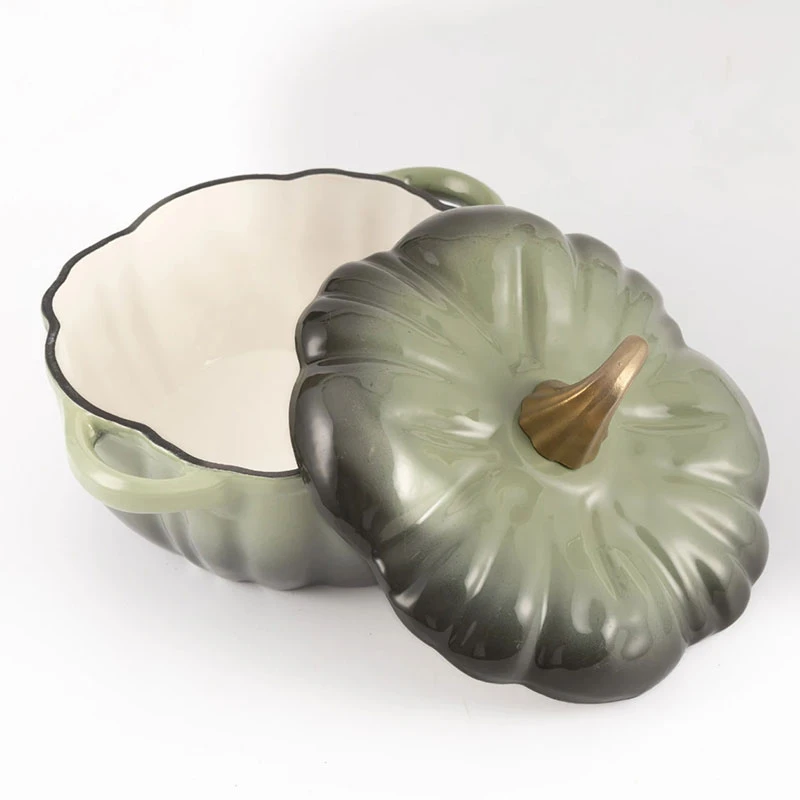
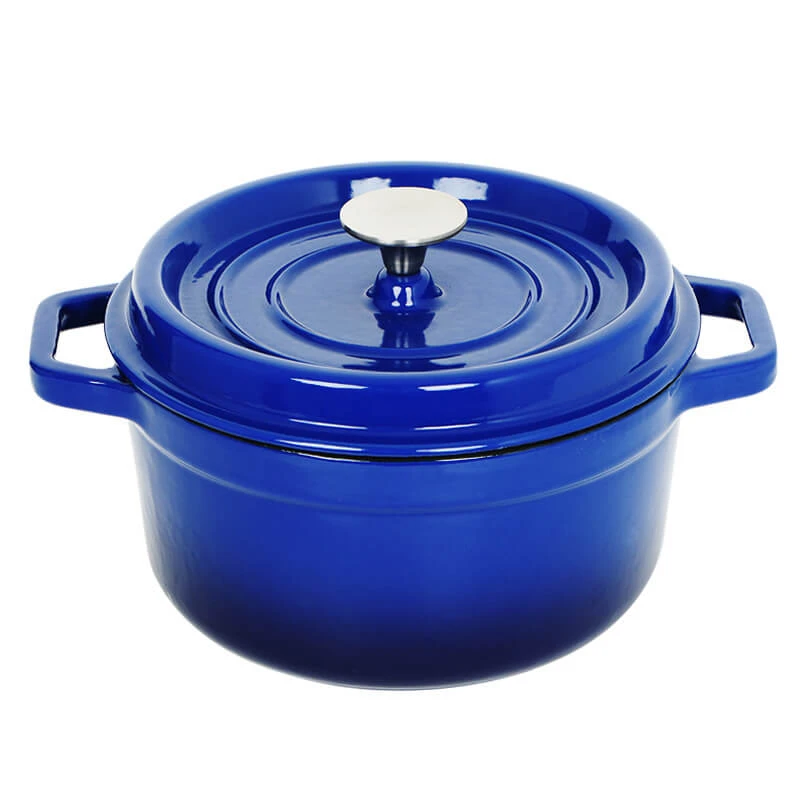
Simply put, a ceramic cast iron dutch oven is a heavy-duty pot constructed with a cast iron core coated internally and sometimes externally with porcelain-based ceramic glaze. It’s famed for its ability to retain heat evenly and cook food slowly with moisture locked in. Unlike plain cast iron, the ceramic layer provides resistance against rust, easier cleaning, and often a more aesthetic finish. This combination has deep ties to both modern cookware innovation and humanitarian needs, such as providing reliable cooking tools during disaster relief where durable, easy-to-maintain pots are crucial.
Think of it as merging the old-school robustness of cast iron with the ease of use and cleanability brought by ceramic coatings.
Core Features That Make These Dutch Ovens Stand Out
Durability
Cast iron itself is legendary for durability, often lasting generations. Adding ceramic glazing seals the surface, preventing rust and reducing required seasoning. It’s like a suit of armor against both wear and tear and the everyday mess of cooking.
Heat Retention and Distribution
The combination allows these dutch ovens to hold heat gently over hours, perfect for braising, stewing, or slow-roasting. This evenly distributed, consistent heat is a game-changer—a stew never burns on one side while staying raw on the other.
Non-reactive and Easy to Clean
Unlike bare cast iron which can react with acidic foods, ceramic coatings are non-reactive, preserving flavors and making the pot easier to clean. This minimizes leftover smells and stains.
Eco-friendly Production
More brands are ensuring their ceramic glazes are free of heavy metals and that their manufacturing processes respect environmental guidelines, making these ovens a greener choice overall.
Cost Efficiency
While initial costs can be higher than aluminum or stainless steel, the longevity and multi-functionality balance the investment. Over time, the cost-per-use becomes quite favorable.
| Specification | Description |
|---|---|
| Material | Cast iron core with porcelain ceramic coating |
| Weight | 3.5 – 6 kg (depending on size) |
| Capacity | 3 – 7 liters typical |
| Heat Source Compatibility | Gas, electric, induction, and oven safe |
| Maintenance | Hand wash recommended; no seasoning required |
Where Ceramic Cast Iron Dutch Ovens Make a Real Difference
Oddly enough, their use isn’t just limited to domestic kitchens with passionate home chefs or slow food aficionados. Around the world, NGOs in disaster relief often turn to these cookware items because they work on various heat sources and require minimal upkeep. For example, in remote post-disaster zones in Southeast Asia, a ceramic cast iron dutch oven becomes indispensable—one pot, multiple uses, less fuel spent.
Industrial kitchens on cruise ships or remote mining camps also swear by their endurance and versatility. In Europe and the US, culinary schools use them because they teach students craft with classic tools that last. Even camping enthusiasts favor them if they don’t mind the weight—these pots mean one-pan meals anywhere.
Mini takeaway: The global reach isn’t just about tradition; it’s about how these ovens fit specific practical, economic, and cultural needs.
Advantages and Long-Term Value of Ceramic-Coated Cast Iron
- Energy Efficient: Retains heat longer, reducing fuel usage.
- Longevity: Decades of use, different from disposable cookware.
- Environmentally Friendlier: Reduced waste from fewer replacements and non-toxic glazes.
- Safety: Non-toxic coatings provide peace of mind with acidic or salted foods.
- Aesthetic Appeal: Modern finishes in vibrant colors add culinary cheer.
Many users describe the emotional connection to these pots—there's a sense of reliability, trustworthiness, even legacy, as these items are often passed down. They represent a commitment to better cooking and care for the environment simultaneously. For those invested in sustainability, it’s a real pleasure to see cookware that respects these values.
Innovations on the Horizon
Looking forward, ceramic cast iron dutch ovens are seeing interesting developments. Advances in ceramic coating technology promise improved scratch resistance and even lighter weight without compromising durability. There's also movement toward making manufacturing greener, employing less energy-intensive firing methods while ensuring safe materials. Digital integration? Not yet—though smart cooking surfaces paired with old-school pots surely has potential in a couple of years.
The intersection of improved glaze chemistry and smart cookware basics could shape the future market. Sustainability will remain a key driver, with traceability becoming a selling point—knowing exactly how and where your pot was made, like a fine wine.
Common Challenges and How They’re Tackled
Despite the advantages, ceramic cast iron dutch ovens aren’t without quirks. Their weight can be a downside for some users, especially elderly or physically limited cooks. Ceramic coatings can chip if dropped or roughly handled. Cost remains higher than simple aluminum pots. However, manufacturers are addressing these issues by:
- Introducing lighter alloy cores with ceramic coatings that maintain heat well.
- Enhancing ceramic formulas to improve chip resistance.
- Offering smaller, more affordable sizes to attract first-time buyers.
- Educating users on proper care to extend life.
So while not flawless, the path forward is promising.
Vendor Comparison Table: Top Ceramic Cast Iron Dutch Ovens
| Brand | Material Quality | Price Range (USD) | Unique Feature | Warranty |
|---|---|---|---|---|
| Brand A | Premium cast iron + triple glazed ceramic | $120 - $180 | Multi-layer non-stick | 10 years |
| Brand B | Standard cast iron, double ceramic coat | $80 - $110 | Vibrant color options | 5 years |
| Brand C | Cast iron core with eco-friendly ceramic glaze | $100 - $130 | Sustainably sourced materials | 7 years |
FAQ: Practical Questions About Ceramic Cast Iron Dutch Ovens
How do I care for a ceramic cast iron dutch oven to ensure longevity?
It’s pretty straightforward: hand wash with mild detergent, avoid metal scrubbers that can chip the ceramic glaze, and dry immediately to prevent rust on any exposed cast iron. Unlike traditional cast iron, seasoning isn’t required thanks to the ceramic layer. Store with the lid off to avoid moisture buildup. This kind of routine will keep your pot in great shape for decades.
Are ceramic cast iron dutch ovens suitable for induction cooktops?
Yes, because cast iron is magnetic, these dutch ovens work beautifully on induction surfaces. Plus, their excellent heat retention makes cooking energy-efficient. Just be mindful when dragging your pot across surfaces to avoid scratches.
Can I use ceramic cast iron dutch ovens outdoors or on campfires?
They’re tough, but direct open flames can damage the ceramic glaze or cause cracks. Using a heat diffuser or cooking on coals rather than direct flame is advisable. Many campers prefer traditional cast iron outside, but ceramic cast iron ovens work great for Dutch oven cooking on portable propane burners.
Is the ceramic coating free from harmful chemicals?
Reputable manufacturers adhere to safety standards (like FDA and ISO certifications) ensuring ceramic glazes are free from lead, cadmium, and other toxins. Always check product specs. Eco-conscious brands particularly emphasize non-toxic, environmentally friendly coatings.
Where can I find high-quality ceramic cast iron dutch ovens?
Quality pots are available from major kitchenware brands and specialty manufacturers. Online retailers, including the official ceramic cast iron dutch oven store, offer a range of options with detailed specs, customer reviews, and warranties.
Final Thoughts: Why This Pot is More Than Just a Cookware Item
In a world full of transient, disposable goods, the ceramic cast iron dutch oven stands as a testament to durability, efficiency, and thoughtful design. It’s a classic with a modern twist—blending science and tradition to solve everyday cookware challenges globally. Whether you want sturdiness, heat efficiency, or a touch of elegance, it’s a bit of kitchen magic worth investing in.
Curious to explore, compare, or upgrade? Visit our website to find the perfect ceramic cast iron dutch oven that suits your culinary style and environmental values.
References:
-
Antique Cast Iron Camp Oven: Durable Outdoor Cookware for Professionals | ZD CookwareNewsJan.06,2026
-
Durable 4 Quart Camping Pot for Professional Use | ZD CookwareNewsJan.06,2026
-
Durable Campfire Cast Iron Pot for Outdoor & Industrial UseNewsJan.06,2026
-
Cast Iron Griddle for Camp Stove – Durable Outdoor Cooking EssentialNewsJan.06,2026
-
Dutch Oven Cast Iron Camping – Durable Outdoor Cooking GearNewsJan.05,2026
-
Durable and Efficient Cast Iron Camping Griddle for B2B Professionals | ZD CookwareNewsJan.05,2026