Discover the Versatility of the Non Stick Dutch Oven With Lid | Durable & Easy Care Cookware
Why the Non Stick Dutch Oven With Lid Is a Kitchen Essential Worldwide
Ask any cook around the globe and you’ll find that a trusty Dutch oven—especially a non stick dutch oven with lid—is more than just a pot. It’s a vessel of tradition, innovation, and practical kitchen wizardry. But it’s not just about cooking comfort; these pots have a global story tied to evolving food trends, sustainability demands, and the everyday need for reliable cookware. The appeal? Even heat distribution, easy cleaning, and versatility that fits everything from stews to casseroles.
Globally, cookware markets are evolving fast. According to an ISO report on kitchenware (2022), there’s been a steady rise in demand for durable, lightweight, and eco-friendly products. The non stick dutch oven with lid meets all these criteria, which is why it’s gaining ground in professional and home kitchens alike.
Why does this matter? Because good cookware can reduce cooking time and energy use — factors that add up on a huge scale when considering global cooking practices. And, frankly, avoiding burned-on messes isn’t just a convenience; it’s about reducing waste and preserving cookware longevity.
Summary: The non stick Dutch oven is a practical, eco-conscious cooking tool whose global importance is growing in line with modern culinary and environmental needs.
Understanding the Non Stick Dutch Oven With Lid
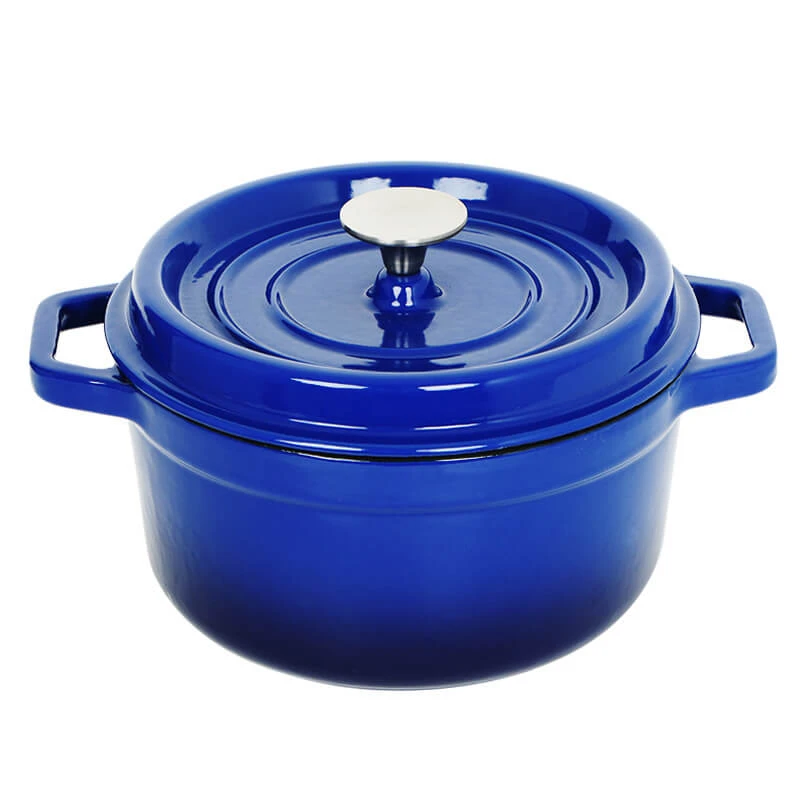
So what exactly is a non stick dutch oven with lid? Think of it as a heavy-duty cooking pot, traditionally made from cast iron, but nowadays often coated with advanced non-stick surfaces that make cleanup a breeze. The lid plays a crucial role—it locks in moisture and heat, ensuring food cooks evenly and retains flavor. This simple design innovation connects centuries-old cooking methods to contemporary needs for convenience.
Industries like hospitality and emergency catering also rely heavily on such cookware. Their durability and ease of use make them invaluable when feeding large groups quickly and reliably. Even humanitarian organizations see the value in cookware that demands minimal fuel and cleaning resources.
Core Features of the Non Stick Dutch Oven With Lid
Durability
Most non stick Dutch ovens today boast sturdy construction—cast aluminum or enameled cast iron bases—designed to withstand high heat and frequent use without warping or cracking. Durability means the pot lasts for years, saving money and landfill space.
Non-Stick Surface
The quality of the non-stick coating matters enormously. PFOA-free, ceramic, or diamond-infused surfaces offer varying degrees of scratch resistance and safety. This characteristic markedly reduces the need for oils or fats during cooking, promoting healthier meals.
Thermal Efficiency
Heat distribution is practically the heart of a Dutch oven’s magic. A good one heats evenly, preventing hotspots. This not only improves cooking outcomes but also saves gas or electricity.
Size and Weight
While classic cast iron Dutch ovens are famously heavy, many modern variants are lightweight without sacrificing performance. Size versatility—from small 2-quart pots for singles to large 7-quart beasts for families—means there’s something for every kitchen situation.
Ease of Cleaning
Thanks to the non-stick coating, scrubbing is much less of a chore compared to bare cast iron. This is a big deal, especially in commercial kitchens or for users with limited time.
Compatibility
Many contemporary models work across all heat sources: gas, electric, induction, and even ovens. It’s becoming standard to seek cookware that transitions seamlessly from stovetop to oven.
Mini Takeaway:
The perfect non stick dutch oven balances longevity, safe and efficient cooking surfaces, ease of use, and adaptability to modern cooking setups.
Non Stick Dutch Oven With Lid in the Real World
In Europe’s bustling culinary scene, non stick Dutch ovens are prized for both their performance in trendy bistros and home kitchens alike. Meanwhile, in parts of Asia, compact and lightweight models dominate where smaller kitchens and multifunctional cooking units are the norm.
Interestingly, NGOs running disaster relief kitchens rely on rugged Dutch ovens with lids to prepare nutritious meals efficiently in makeshift environments. Their ability to maintain consistent heat with minimal fuel makes a huge difference in remote or resource-challenged zones.
And don’t underestimate the influence of home chefs — cooking enthusiasts are sharing their favorite Dutch oven recipes online, turning these pots into viral kitchen stars. The versatility spans stew, bread, slow-roasting, frying, and more.
Mini Takeaway:
From gourmet kitchens to relief camps, the non stick Dutch oven with lid supports diverse cooking needs globally, adapting beautifully to cultural and operational demands.
Key Specifications Comparison
| Feature | Typical Range | Notes |
|---|---|---|
| Capacity | 2 to 7 quarts (1.9 - 6.6 liters) | Small to large user groups |
| Material | Cast iron, aluminum, enameled steel | Impacts weight and heat retention |
| Coating | PTFE, Ceramic, Diamond-infused | Health and durability tradeoffs |
| Compatible heat sources | Gas, electric, induction, oven-safe | Versatility in cooking |
| Average weight | 3.5 to 7.5 kg (7.7 to 16.5 lbs) | Varies by material |
Comparing Top Vendors of Non Stick Dutch Ovens With Lid
| Brand | Price Range | Material | Unique Features | Warranty |
|---|---|---|---|---|
| Lodge | $70 - $150 | Enameled Cast Iron | Affordable, durable enamel | Limited Lifetime |
| Le Creuset | $300 - $600 | Enameled Cast Iron | Iconic colors & lifetime durability | Lifetime |
| Calphalon | $80 - $200 | Hard anodized aluminum with non-stick | Lightweight & excellent heat conduction | Limited Lifetime |
| T-fal | $50 - $120 | Aluminum with PTFE non-stick coating | Affordable, dishwasher safe | Limited Warranty |
Why Choose a Non Stick Dutch Oven With Lid? Benefits in Real Terms
The advantages of investing in a quality non stick Dutch oven with lid align well beyond just the kitchen. Here’s why:
- Cost-effectiveness: Longevity and ease of cleaning reduce replacement and maintenance expenses.
- Energy Savings: Efficient heat distribution means less cooking time, which translates to smaller utility bills.
- Environmental Impact: Fewer cooking fats needed, and longer use cycles help reduce waste.
- Healthier Cooking: Non-stick surfaces cut down on oils and fats, promoting lighter meals.
- Emotional Satisfaction: There’s comfort in owning cookware that “just works,” lasting through family recipes and new culinary experiments.
Mini Takeaway:
Choosing the right non stick Dutch oven means benefiting practically and emotionally — it’s cooking confidence in a pot.
What’s Next? Emerging Trends in Cookware Technology
Innovation in cookware isn’t slowing down. Ceramic coatings replacing older PTFE technology are gaining ground because they’re perceived safer and more eco-friendly. Some brands are experimenting with recycled metals and greener production techniques, aligning with global sustainability goals set by the UN’s SDGs.
Digitally integrated cookware is something to watch — like Dutch ovens with embedded temperature sensors linked to apps that alert you when your stew hits the perfect simmer. Oddly enough, while it sounds futuristic, demand for such smart kitchenware is growing.
Finally, customization allows consumers to pick color, size, and materials aligned with their cooking philosophy, lifestyle, and even decor.
Challenges and Practical Solutions
Despite all the benefits, some issues persist:
- Coating Durability: No coating lasts forever; scrapes and chips happen. Solution? Follow manufacturer care guides, use silicone or wooden utensils.
- Weight: Cast iron varieties remain heavy for some users. The workaround? Aluminum-based Dutch ovens or hybrid models.
- Price Variations: Premium brands might cost a lot upfront. But think longevity and buy what fits your use case.
Many experts advise maintaining your Dutch oven with a bit of seasoning and proper storage to extend its life regardless of material.
Frequently Asked Questions About Non Stick Dutch Oven With Lid
- What makes a non stick Dutch oven with lid better than traditional cast iron?
- Non-stick variants require less oil, clean up quickly, and often weigh less than traditional cast iron. This makes cooking more convenient, especially for busy kitchens.
- Are non stick Dutch ovens safe for use on induction cooktops?
- Most modern non stick Dutch ovens are compatible with induction, but it’s best to check product specs. Materials like enameled cast iron and certain aluminum bases typically work well on induction.
- How long can I expect my non stick coating to last?
- With proper care, most non-stick coatings last 3-5 years. However, avoiding metal utensils and harsh cleaning agents can extend this lifespan significantly.
- Can I use a non stick Dutch oven with lid in the oven?
- Yes, most are oven-safe up to certain temperatures (often around 400°F/205°C). Always verify manufacturer guidelines to avoid damage.
- Is it worth investing in a branded non stick Dutch oven over generic options?
- Branded cookware often comes with better quality control, warranties, and advanced coatings. While they cost more upfront, they typically deliver more consistent performance and durability.
Conclusion: Cook Smart, Live Better
In the end, a non stick dutch oven with lid is not just cookware — it's a culinary companion designed to make life easier, healthier, and more sustainable. Whether you’re simmering a family stew or feeding a large group, this pot delivers reliable performance, safety, and versatility.
If you’re curious to explore options tailored specifically for your kitchen or business, don’t hesitate to check out a wide selection of non stick Dutch ovens that combine traditional craftsmanship with modern innovation.
References:
-
Antique Cast Iron Camp Oven: Durable Outdoor Cookware for Professionals | ZD CookwareNewsJan.06,2026
-
Durable 4 Quart Camping Pot for Professional Use | ZD CookwareNewsJan.06,2026
-
Durable Campfire Cast Iron Pot for Outdoor & Industrial UseNewsJan.06,2026
-
Cast Iron Griddle for Camp Stove – Durable Outdoor Cooking EssentialNewsJan.06,2026
-
Dutch Oven Cast Iron Camping – Durable Outdoor Cooking GearNewsJan.05,2026
-
Durable and Efficient Cast Iron Camping Griddle for B2B Professionals | ZD CookwareNewsJan.05,2026