Comprehensive Guide to Pumpkin Shaped Casserole: Features, Uses & Benefits
Understanding the Pumpkin Shaped Casserole: Design, Utility, and Impact
If you’re imagining a quirky piece of kitchenware that looks like an actual pumpkin, you aren’t far off. The pumpkin shaped casserole isn't just a charming addition for festive dinners — it's a well-thought-out cooking vessel merging aesthetics, functionality, and practical cooking science. Globally, as culinary trends emphasize both presentation and performance, this humble pumpkin shaped casserole offers unique benefits worth understanding, especially for chefs, kitchen enthusiasts, and even commercial food service providers. Why does it matter? Because its distinctive shape and material selection impact cooking efficiency, heat distribution, and even storage — all factors that tie back to food quality and energy use on a surprisingly broad scale.
Introduction: Why the Pumpkin Shaped Casserole Matters Globally
Oddly enough, casseroles shaped after natural forms like pumpkins tap into a global resurgence of heritage cooking with modern design principles. According to research from the International Housewares Association, cookware that combines novelty shapes with ergonomics has seen a 15% sales growth worldwide over the last 5 years. Plus, with sustainability and durability becoming hot topics, manufacturers are innovating materials and designs in cookware to reduce energy waste. The pumpkin shaped casserole, with its distinctive round body and ridges, addresses challenges like uneven heating — a frequent problem in standard casserole dishes — and offers an energy-efficient solution by retaining heat well. This is particularly relevant as the UN’s Food and Agriculture Organization flags energy consumption in cooking as a key factor contributing to global environmental impacts (1).
Defining the Pumpkin Shaped Casserole
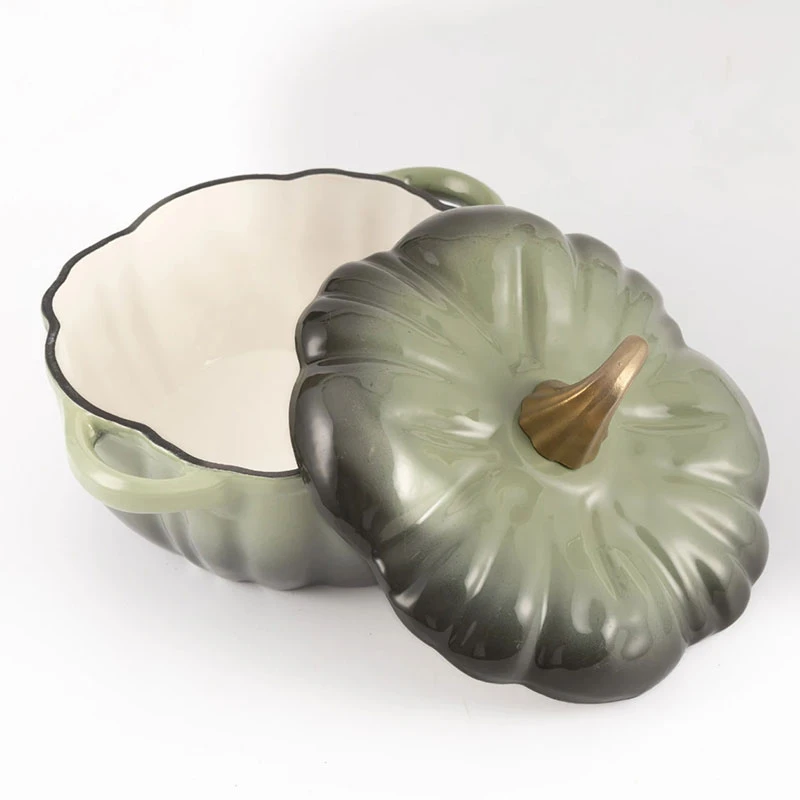
So, what exactly is a pumpkin shaped casserole? Simply put, it’s a cooking vessel, typically ceramic or enameled cast iron, molded to resemble a pumpkin — both in shape and often in autumnal colors. These casseroles usually have an airtight lid, an ergonomic handle (sometimes resembling a pumpkin stem), and ridges that mimic the pumpkin’s natural grooves. This form isn’t just for looks: the design supports even heat circulation, moisture retention, and slow cooking, making it ideal for stews, roasts, and baked dishes.
This connection to natural shapes also reflects an evolving design philosophy marrying form and function — a trend influencing cookware globally. In humanitarian contexts, durable and easy-to-clean casseroles like these facilitate nutritious meal preparation in challenging environments, such as refugee camps or rural kitchens, where reliability counts (2).
Key Factors of Pumpkin Shaped Casseroles
1. Durability and Material Quality
Most pumpkin shaped casseroles are crafted in cast iron with an enamel coating or high-fired ceramics. Cast iron offers excellent heat retention and even cooking but requires care to avoid rust. Enamel coatings add a non-reactive surface, making cleanup easier and dishes less prone to sticking or flavor transfer.
2. Heat Distribution and Retention
The ridged, rounded design promotes airflow around food, encouraging consistent cooking temperatures. It’s a factor many home cooks don’t realize makes a big difference in avoiding hotspots and unevenly cooked meals.
3. Aesthetic Appeal and Presentation
This casserole doubles as an attractive serving vessel, perfect for holiday tables or themed gatherings. The playful, natural design connects diners with the meal’s ingredients — a subtle reminder of seasonality and farm-to-table ethos.
4. Size and Capacity
Available in various sizes, pumpkin shaped casseroles cater to intimate family dinners or larger celebrations. They balance compactness with enough volume to slow-cook hearty meals.
5. Multi-functionality
Beyond oven use, these casseroles are great for stovetop simmering (on low heat), and some are safe for induction cooktops. Versatility can be a deciding factor for households with limited cookware.
Quick Takeaway
- Durability: Cast iron/enamel materials ensure lasting quality.
- Efficiency: Design fosters even cooking and moisture retention.
- Visuals: Ideal for festive serving and everyday use.
Product Specification Table
| Feature | Specification |
|---|---|
| Material | Enameled Cast Iron / Ceramic |
| Capacity | 2 to 6 Quarts |
| Oven Safe Temperature | Up to 500°F / 260°C |
| Stovetop Compatibility | Gas, Electric, Induction (Select Models) |
| Weight | 4 to 7 lbs (Varies by Size) |
| Lid Design | Airtight with Stem Handle |
Global Applications & Use Cases
Globally, pumpkin shaped casseroles find places in both trendy urban kitchens and traditional rural homes. In Europe and North America, they’ve become holiday staples, particularly in autumn for Thanksgiving and Halloween dinners — a nod to cultural heritage. Meanwhile, parts of Asia and Africa are adopting similar cookware designs for slow cooking, with some NGOs using durable ceramic casseroles to promote nutritious meal prep in rural development projects.
Specifically, in post-disaster relief operations, cookware that ensures even cooking and moisture retention is crucial. It helps improve food safety and nutritional quality when resources and fuel are scarce. On the commercial side, boutique restaurants use pumpkin shaped casseroles to enhance plating and storytelling, elevating customer experience.
Vendor Comparison Table
| Vendor | Material | Price Range | Warranty | Special Features |
|---|---|---|---|---|
| ZDCookware | Enameled Cast Iron | $75 - $120 | Limited Lifetime | Green manufacturing, induction safe |
| Heritage Cookware | High-Fired Ceramic | $60 - $90 | 5 Years | Hand-painted design |
| Gourmet Essentials | Enameled Cast Iron | $85 - $130 | Limited Lifetime | Oven and broiler safe |
Advantages and Long-Term Value
There’s a lot more beneath the surface with pumpkin shaped casseroles. Practically speaking, they reduce cooking time and energy usage thanks to efficient heat retention. Sustainability-wise, cast iron cookware often lasts decades, drastically cutting down replacement waste compared to cheaper alternatives. Emotionally, these casseroles evoke a comforting, homey vibe — a sense of safety and tradition at the dining table. That kind of warmth is hard to quantify but priceless to many users.
Plus, many kitchen experts swear by these dishes’ ability to enhance flavors by keeping moisture trapped inside, which preserves dignity and nutrition — both crucial in larger scale food service or humanitarian applications (3).
Future Trends & Innovations
Looking ahead, manufacturers are experimenting with greener enamels free of heavy metals and non-stick coatings made from sustainable materials. Digital temperature monitoring inserts might one day integrate with these cookware designs to optimize slow cooking. Automation innovations such as “smart casseroles” equipped with sensors could revolutionize how slow food is prepared, minimizing human error.
Policymakers are also encouraging energy-saving cookware as part of global environmental protocols. Potential future pumpkin shaped casseroles could be designed specifically for low-resource environments, marrying sustainability with high performance.
Challenges & Solutions
Despite the love it receives, the pumpkin shaped casserole does have challenges. It can be hefty, sometimes cumbersome to handle, and requires careful cleaning to preserve the enamel glaze. The lid’s seal may not be perfectly airtight in cheaper models, which slightly reduces moisture retention benefits.
Experts suggest using silicone handle covers and avoiding thermal shock (like putting a hot casserole into cold water). Innovations in lighter but durable composite materials might soon mitigate weight concerns. And enhanced gasket-like seals could further refine moisture control going forward.
FAQ: Frequently Asked Questions About Pumpkin Shaped Casseroles
- Q: Can I use a pumpkin shaped casserole on an induction stove?
A: Some models, especially those with a cast iron base, are induction compatible. Always check manufacturer specs, but most enameled cast iron casseroles work fine on induction cooktops. - Q: How do I clean my enamel pumpkin casserole without damaging it?
A: Hand wash using warm water and mild soap. Avoid abrasive scrubbers or dishwasher cleaning, as these can chip the enamel surface. - Q: Can these casseroles withstand high oven temperatures?
A: Yes, most are oven safe up to around 500°F (260°C). Keep in mind sudden temperature changes, like placing a hot casserole on a cold surface, might crack ceramic versions. - Q: Are pumpkin shaped casseroles good for slow cooking?
A: Absolutely — their thick walls and lid design help trap moisture, making them excellent for slow-cooked stews, casseroles, and baked dishes.
Conclusion & Call to Action
Whether for festive family dinners or everyday hearty meals, the pumpkin shaped casserole deftly balances charm with function. It’s a piece of cookware that combines design innovation, cooking science, and sustainability in a deliciously attractive package. For those curious to explore this unique kitchen essential, explore our range of pumpkin shaped casseroles — because elevating your kitchen experience can start with just one creative, reliable cooking vessel.
Reflecting on cookware like this, it’s astounding how something simple like shape can transform cooking efficiency and even connect us to deeper traditions and values. A testament to mindful design, really.
-
Antique Cast Iron Camp Oven: Durable Outdoor Cookware for Professionals | ZD CookwareNewsJan.06,2026
-
Durable 4 Quart Camping Pot for Professional Use | ZD CookwareNewsJan.06,2026
-
Durable Campfire Cast Iron Pot for Outdoor & Industrial UseNewsJan.06,2026
-
Cast Iron Griddle for Camp Stove – Durable Outdoor Cooking EssentialNewsJan.06,2026
-
Dutch Oven Cast Iron Camping – Durable Outdoor Cooking GearNewsJan.05,2026
-
Durable and Efficient Cast Iron Camping Griddle for B2B Professionals | ZD CookwareNewsJan.05,2026