Cast Iron Dutch Oven with Handle — Durable, Versatile Cookware for Every Kitchen
Understanding the Cast Iron Dutch Oven with Handle: Why It Still Reigns Supreme
In a world brimming with high-tech kitchen gadgets, the cast iron dutch oven with handle remains a steadfast classic. Whether you're a professional chef, a camping enthusiast, or someone who appreciates the beauty of timeless cookware, this tool bridges generations and geographies. But beyond nostalgia, it holds practical importance globally. Its durability, versatility, and ability to heat evenly make it indispensable—from humble home kitchens to remote field operations and communal cooking setups.
Why discuss this now? Globally, there's a growing appreciation for sustainable cooking solutions that reduce waste, conserve energy, and last decades—qualities epitomized by the cast iron dutch oven. According to recent ISO standards on sustainable materials, cast iron's longevity and recyclability position it as a smart, eco-friendly investment. And yet, many people underestimate the value the humble dutch oven brings, especially one with a sturdy handle for portability and safety.
Defining the Cast Iron Dutch Oven with Handle
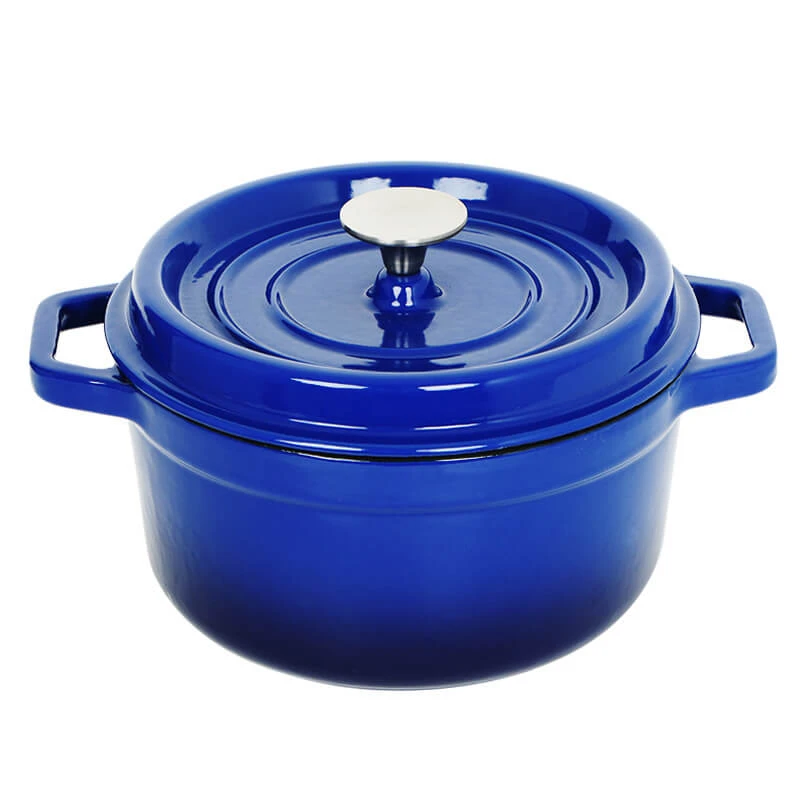
Put simply, a cast iron dutch oven is a heavy-duty, thick-walled cooking pot made primarily from cast iron, typically cast into shape and treated with an enamel or seasoning layer to prevent rust and add non-stick qualities. The handle is critical because it adds mobility and ergonomic convenience—this isn’t just about aesthetics. It allows cooks to safely lift and carry the pot, especially when it’s hot, heavy, and filled with food.
This classic kitchen staple connects closely to modern cooking industries and even humanitarian efforts. For instance, in field kitchens or disaster relief camps, hardy cookware like these enables efficient meal prep when power and resources are scarce.
Key Characteristics That Make It So Valuable
1. Durability
Cast iron is renowned for its toughness and longevity. While modern non-stick pans might warp or wear out within a few years, a well-cared-for cast iron dutch oven with handle often lasts decades. Many families pass theirs down generations.
2. Heat Retention & Uniformity
Cast iron excels at holding and distributing heat evenly—a crucial factor for slow-cooked meals, baking, or frying. Unlike thinner metals, you get consistent results without hot spots.
3. Portability and Safety
The handle isn’t just a convenience—it's a safety feature. Thick pot walls mean weight, and a robust, well-designed handle allows for easy, confident handling even in precarious conditions, like outdoor cooking.
4. Versatility
It’s suitable for stovetops, ovens, campfires, and even grills. One pot can go from searing meat on a burner to slow-braising in the oven, or cooking stew over an open flame.
5. Sustainability
Cast iron can be recycled repeatedly, and with proper care, it lasts a lifetime—this counters the disposable culture tied to cheaper cookware.
Practical Specifications of a Typical Cast Iron Dutch Oven with Handle
| Feature | Details |
|---|---|
| Material | Seasoned Cast Iron (Enamel coated variants available) |
| Capacity | 4-7 quarts, depending on model |
| Weight | 5-10 pounds (varies with size and coating) |
| Handle type | Wide metal bail handle or dual loop handles for grip |
| Heat tolerance | Up to 500°F (260°C) or more |
| Maintenance | Seasoning required unless enamel-coated |
Who Benefits from Cast Iron Dutch Ovens with Handles? Global Use Cases
- Home cooks worldwide: From the American South to parts of Europe and Asia, families swear by these pots for hearty stews, baked goods, and even deep frying.
- Outdoor and camping enthusiasts: Portability with the handle means easy transport over rough terrain, perfect for campfire cooking.
- Disaster-relief operations: Organisations often deploy field kitchens using cast iron pots for their resilience and the fact they don’t require electric power to cook.
- Small restaurants and artisanal food producers: The consistency and flavor developed by slow cooking in cast iron are prized.
For instance, I once spoke with a chef working at a remote lodge in Alaska, who lovingly described how her cast iron dutch oven with handle was her “best kitchen buddy” through frigid winters. That handle made all the difference, she said—lifting a heavy pot full of stew without a good grip would be a safety hazard.
Vendor Comparison: Pick the Perfect Cast Iron Dutch Oven with Handle
| Brand | Material | Weight (avg) | Handle Type | Price Range |
|---|---|---|---|---|
| Lodge | Seasoned cast iron | 7-9 lbs | Large bail handle | $40-$70 |
| Le Creuset | Enameled cast iron | 6-8 lbs | Dual side loop handles | $300-$600 |
| Staub | Enameled cast iron | 6.5-8.5 lbs | Loop handles | $250-$550 |
Advantages and Long-Term Value
The cast iron dutch oven with handle is more than just functional—it’s a legacy of quality craftsmanship and sustainability. Its long life means fewer replacements and less waste, which aligns perfectly with growing environmental concerns globally. Emotionally, owning a cast iron dutch oven often represents trust and pride in cooking, linking family traditions and modern innovation. Logically, the investment pays off because these ovens improve cooking quality, save energy, and reduce the need for multiple pots.
Future Trends & Innovations You Should Watch
Interestingly, even a product as old-school as the cast iron dutch oven is seeing innovations. Companies are exploring eco-friendly production methods and sustainable sourcing of raw materials. Some are developing hybrid coatings that reduce seasoning demands yet keep classic heat properties intact. Meanwhile, digital kitchen integration hints at smart lids and temperature monitoring tools paired with traditional pots—a nod to tech-savvy consumers wanting tradition with a dash of futurism.
Challenges & Solutions
Of course, no product is perfect. The cast iron dutch oven’s main drawbacks are its weight and maintenance needs. Handles can get hot, posing a burn risk if you’re not careful. Seasoning takes effort and attention, which might deter beginners.
But here’s the thing: carrying a high-quality silicone handle cover or dedicated oven mitts solves the heat issue. As for seasoning, many newer enamel-coated varieties offer a near-maintenance-free experience. Plus, online tutorials and communities provide great guidance to novices.
FAQ: Common Questions About Cast Iron Dutch Oven with Handle
- Q: Is a cast iron dutch oven with handle suitable for induction cooktops?
- A: Yes, cast iron works perfectly with induction stoves because of its magnetic properties, offering even heating and excellent temperature retention.
- Q: How do I prevent rusting on my cast iron dutch oven's handle?
- A: Regular seasoning of the entire pot, including the handle, along with thorough drying after washing, prevents rust. Using enamel-coated options also avoids this issue.
- Q: Can I use a cast iron dutch oven with handle over an open campfire?
- A: Absolutely. These pots are designed for such use and offer exceptional durability outdoors, though avoid direct contact with flames to extend lifespan.
- Q: What is the best way to clean a cast iron dutch oven without damaging the handle?
- A: Warm water and a stiff brush work best. Avoid soap if possible, and never soak it. Dry promptly and apply a thin oil coat to maintain seasoning.
Conclusion
The cast iron dutch oven with handle isn’t just kitchenware—it’s a sustainable, trusted companion across cultures and decades. Offering unmatched versatility, durability, and warmth-retention qualities, this cookware continues to meet the demands of modern life while respecting tradition. Whether for home chefs or field workers, investing in one means reliability and a touch of culinary magic.
If you’re thinking of upgrading your kitchen or gearing up for outdoor adventures, consider a cast iron dutch oven with handle. You won’t regret the timeless value and performance.
Oddly enough, sometimes the simplest tools bring the richest rewards.
References:
1. Wikipedia: Cast Iron Cookware
2. ISO: Sustainability in cookware materials
3. World Bank: Sustainable Development Reports
-
Antique Cast Iron Camp Oven: Durable Outdoor Cookware for Professionals | ZD CookwareNewsJan.06,2026
-
Durable 4 Quart Camping Pot for Professional Use | ZD CookwareNewsJan.06,2026
-
Durable Campfire Cast Iron Pot for Outdoor & Industrial UseNewsJan.06,2026
-
Cast Iron Griddle for Camp Stove – Durable Outdoor Cooking EssentialNewsJan.06,2026
-
Dutch Oven Cast Iron Camping – Durable Outdoor Cooking GearNewsJan.05,2026
-
Durable and Efficient Cast Iron Camping Griddle for B2B Professionals | ZD CookwareNewsJan.05,2026