Cast Iron Bakeware: Heirloom Tools for Better Baking
When most people think of baking, they picture glass dishes or lightweight aluminum pans. But serious bakers—and those who want consistently better results—are turning to cast iron bakeware for its unbeatable heat retention, rustic charm, and multi-generational durability.
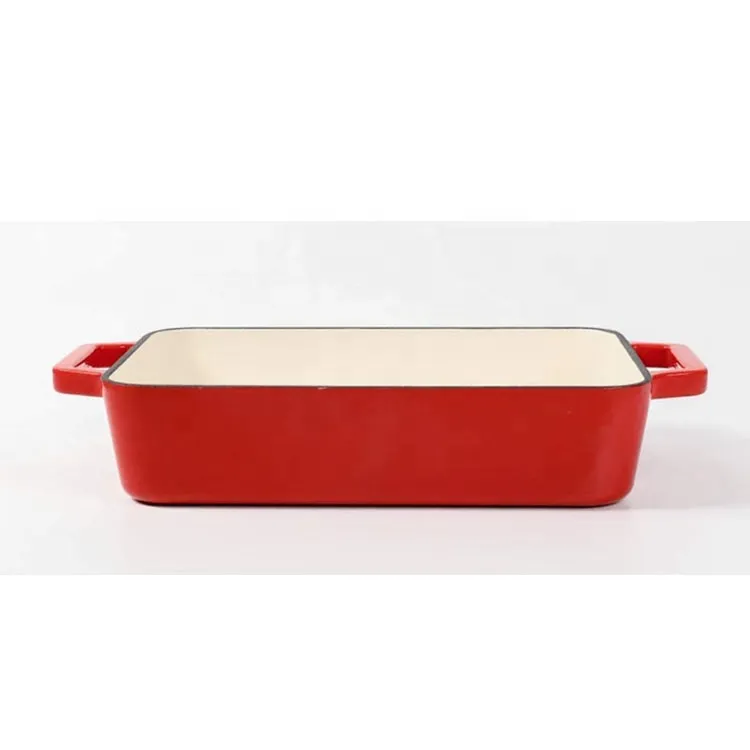
From golden cornbread to deep-dish pizza and gooey cinnamon rolls, baking in cast iron delivers results that light materials can’t touch. And with more stylish enameled cast iron bakeware options hitting the market, you don’t have to sacrifice looks for performance.
What Is Cast Iron Bakeware?
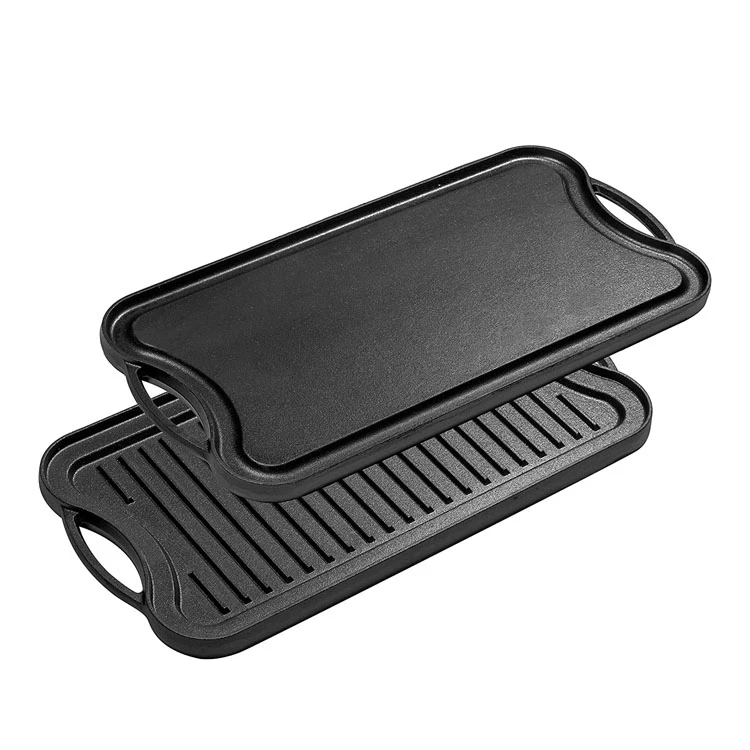
Cast iron bakeware includes pans, molds, and trays made from solid cast iron, often pre-seasoned or enameled. These pieces are heavier than traditional bakeware but offer superior thermal mass. That means your baked goods cook evenly, brown beautifully, and stay warm longer once out of the oven.
Typical pieces include:
Skillet-style baking pans
Cast iron cake pans or pie plates
Bread loaf pans
Muffin or biscuit molds
Casserole dishes and roasting pans
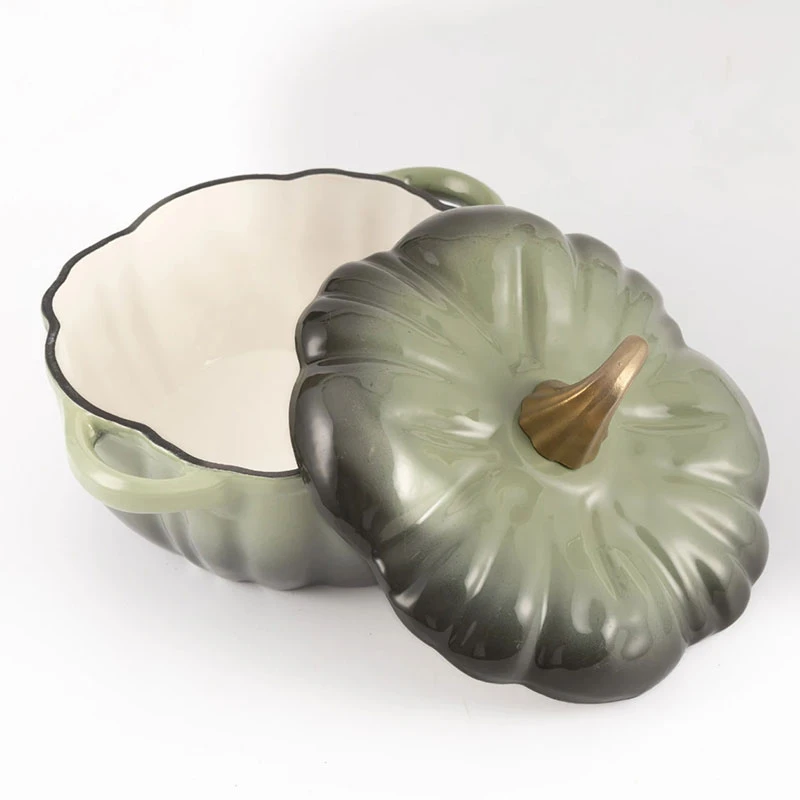
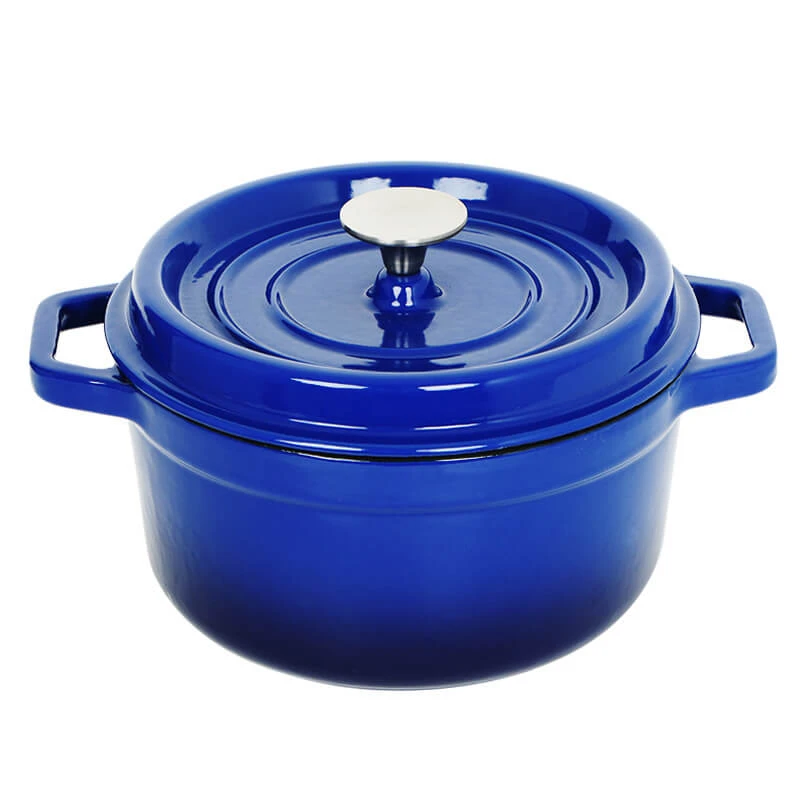
Enameled cast iron bakeware for low-maintenance, stylish baking
Why Bake with Cast Iron?
Cast iron might seem old-school, but it’s actually the most advanced baking upgrade you can make—especially if you want bakery-style texture and color at home.
Benefits of cast iron baking pans:
✅ Even baking – Cast iron distributes heat evenly, avoiding hot spots
✅ Better browning – Crusts come out golden and crisp, not soggy
✅ Retains heat – Keeps food warm at the table or in buffet setups
✅ Versatile – Oven, stovetop, grill, or campfire compatible
✅ Built to last – Doesn’t warp, dent, or degrade like thin metal pans
✅ Naturally non-stick – Especially when well-seasoned over time
Unlike cheap bakeware that warps or scorches, a cast iron baking pan only gets better with age and use.
Cast Iron vs. Enameled Cast Iron Bakeware
There are two main types of cast iron bakeware:
1. Traditional Cast Iron Bakeware
Comes pre-seasoned or raw (requires seasoning)
Naturally darkens with use, forming a slick cooking surface
Great for rustic, high-heat baking (bread, cobbler, biscuits)
Requires a bit of care to avoid rust (hand wash, re-oil)
2. Enameled Cast Iron Bakeware
Coated in a ceramic glaze—no seasoning needed
Won’t rust, can be soaked or washed with soap
Ideal for casseroles, lasagnas, and desserts with acidic ingredients
Available in bold colors and modern designs
Enameled cast iron bakeware is especially popular for bakers who want easy maintenance without giving up performance.
What to Bake in a Cast Iron Baking Pan
Here are some go-to recipes where cast iron really shines:
Cornbread – Crispy edges and fluffy center every time
Pizza – Deep-dish, Detroit-style, or skillet pizza
Brownies – Dense, fudgy, and perfectly baked
Focaccia – Evenly risen with a beautifully crisp crust
Roasted fruit or cobblers – Caramelized edges and bubbling fillings
Pull-apart bread – Even browning, no undercooked centers
Cakes or pies – Especially when you want a firm, golden bottom crust
Want more versatility? Use a cast iron baking pan as a serving dish—it retains heat longer than ceramic or glass and transitions from oven to table with style.
Cast Iron Bakeware Buying Tips
When shopping for cast iron bakeware, here’s what to look for:
|
Eiginleiki |
Why It Matters |
|
Pre-seasoned or enameled |
Seasoned is ready to use; enameled is low maintenance |
|
Weight & thickness |
Heavier = better heat retention, more even bake |
|
Handles or grip tabs |
Important for safe transfer in/out of oven |
|
Size & shape |
Match your common baking needs (e.g., bread vs cake) |
|
Compatible with lids |
Some enameled pieces come with lids for roasting |
|
Oven-safe temp |
Most go up to 500°F or more |
Some brands offer matched sets or gift-ready boxed bakeware, especially in enameled cast iron bakeware collections.
Price Guide: Cast Iron Bakeware
|
Item Type |
Features |
Price Range (USD) |
|
Skillet-style baking pan |
10"–12", pre-seasoned |
$25 – $50 |
|
Bread loaf pan |
Deep, even-baking sides |
$30 – $60 |
|
Pie or cake pan |
Wide, round, versatile |
$25 – $55 |
|
Muffin or biscuit mold |
6–8 cavity |
$30 – $65 |
|
Enameled casserole dish |
Bright finish, lid included |
$60 – $150+ |
|
Full bakeware set (3–5 pcs) |
Mixed sizes, bundled value |
$100 – $250+ |
Look for cast iron bakeware on sale around holidays, wedding season, or at specialty kitchenware retailers. Some direct-to-consumer brands offer lifetime guarantees or trial periods.
Cast Iron Bakeware FAQs
Q1: Can I bake cakes or desserts in cast iron?
A: Yes—cast iron excels at evenly baking cakes, brownies, and fruit desserts. Just be sure to grease or line the pan as needed.
Q2: Do I need to season cast iron bakeware?
A: Only if it’s bare cast iron. Most bakeware today comes pre-seasoned. Enameled cast iron bakeware doesn’t require seasoning at all.
Q3: Is cast iron good for baking bread?
A: Absolutely. Many artisan bakers use cast iron for sourdough, focaccia, and sandwich loaves thanks to its consistent heat and crust quality.
Q4: Can I put cast iron bakeware in the dishwasher?
A: No for traditional cast iron—it will rust. Yes for enameled cast iron, though hand washing is still recommended to protect the finish.
Q5: Is cast iron safe with acidic ingredients like tomatoes or lemon?
A: Bare cast iron may react with acidic foods. Use enameled cast iron bakeware for dishes with sauces, citrus, or wine.
-
Mastering Outdoor Cooking with a Portable Dutch Oven GuideFréttirApr.16,2026
-
Master Outdoor Cooking with the Oval Cast Iron Camp Oven GuideFréttirApr.09,2026
-
Unlocking Flavorful Adventures with Outdoor Cooking with a Dutch OvenFréttirApr.07,2026
-
Elevate Your Outdoor Cooking With A Premium Outdoor Cast Iron OvenFréttirApr.04,2026
-
Discover the Benefits of a Cast Camp Oven for Outdoor CookingFréttirMar.31,2026
-
Maximize Your Outdoor Cooking with a Camping Tripod and Dutch OvenFréttirMar.28,2026