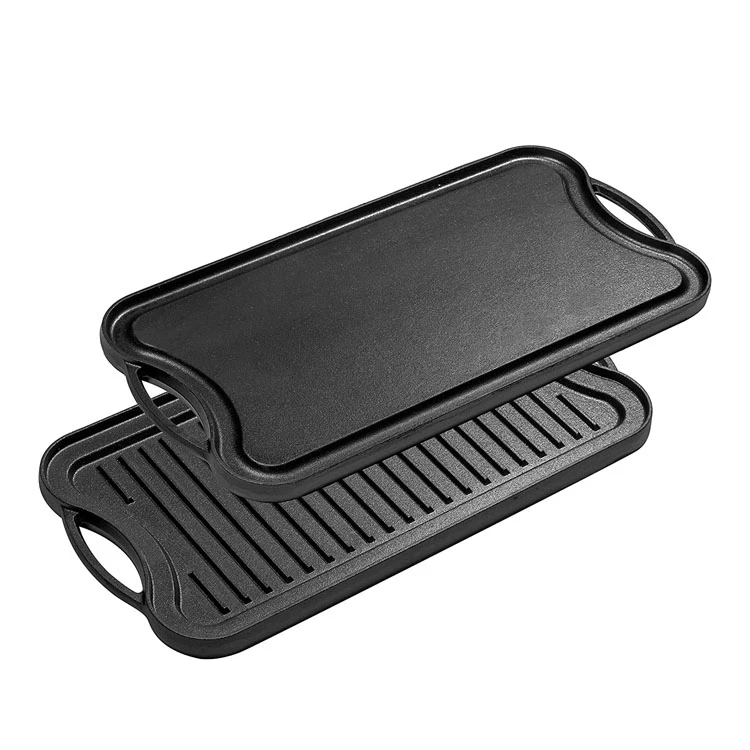
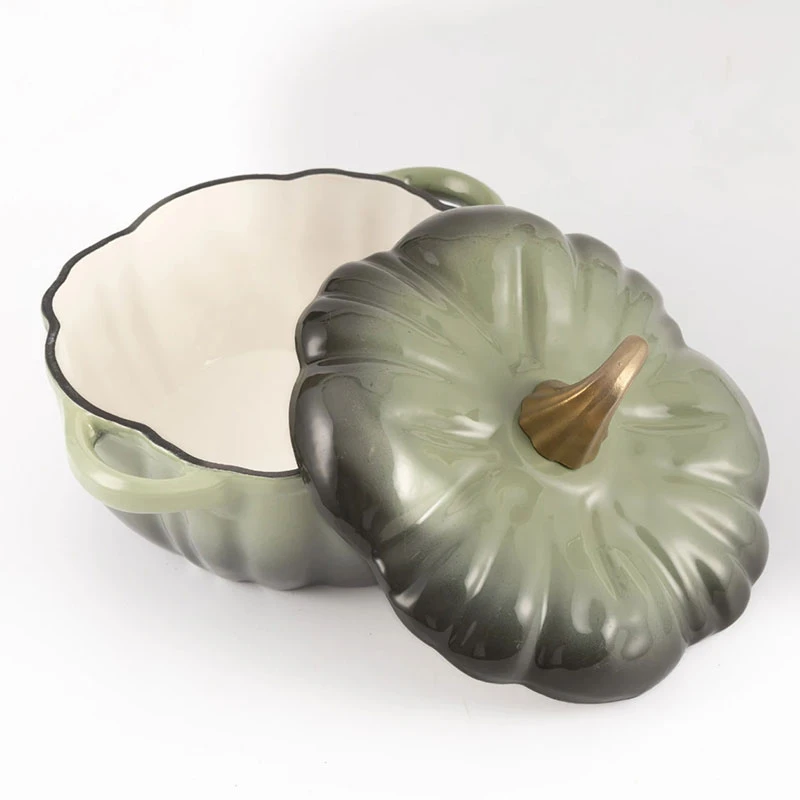
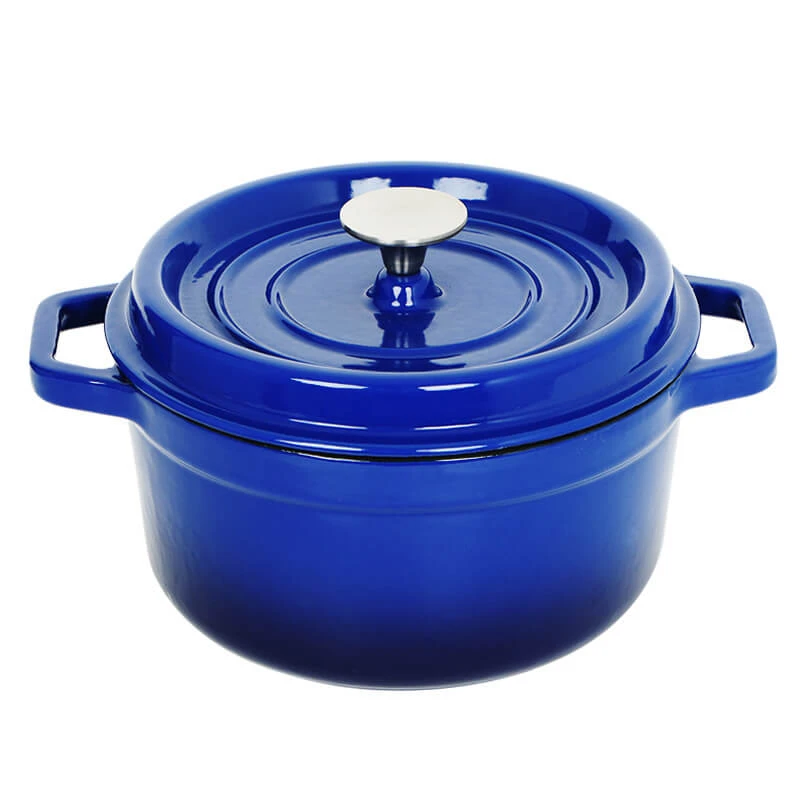
Unlocking Flavor with a Bonfire Dutch Oven A Comprehensive Guide
Unlocking Flavor: A Guide to the Bonfire Dutch Oven
The bonfire dutch oven has become a staple for both seasoned chefs and outdoor cooking enthusiasts. Its versatility, durability, and ability to create incredibly flavorful meals make it a sought-after piece of cookware. This article will delve into the world of bonfire dutch ovens, exploring their features, benefits, usage tips, and why they deserve a place in your kitchen (or campsite!). We will also review specific models and help you choose the right dutch oven for your needs.
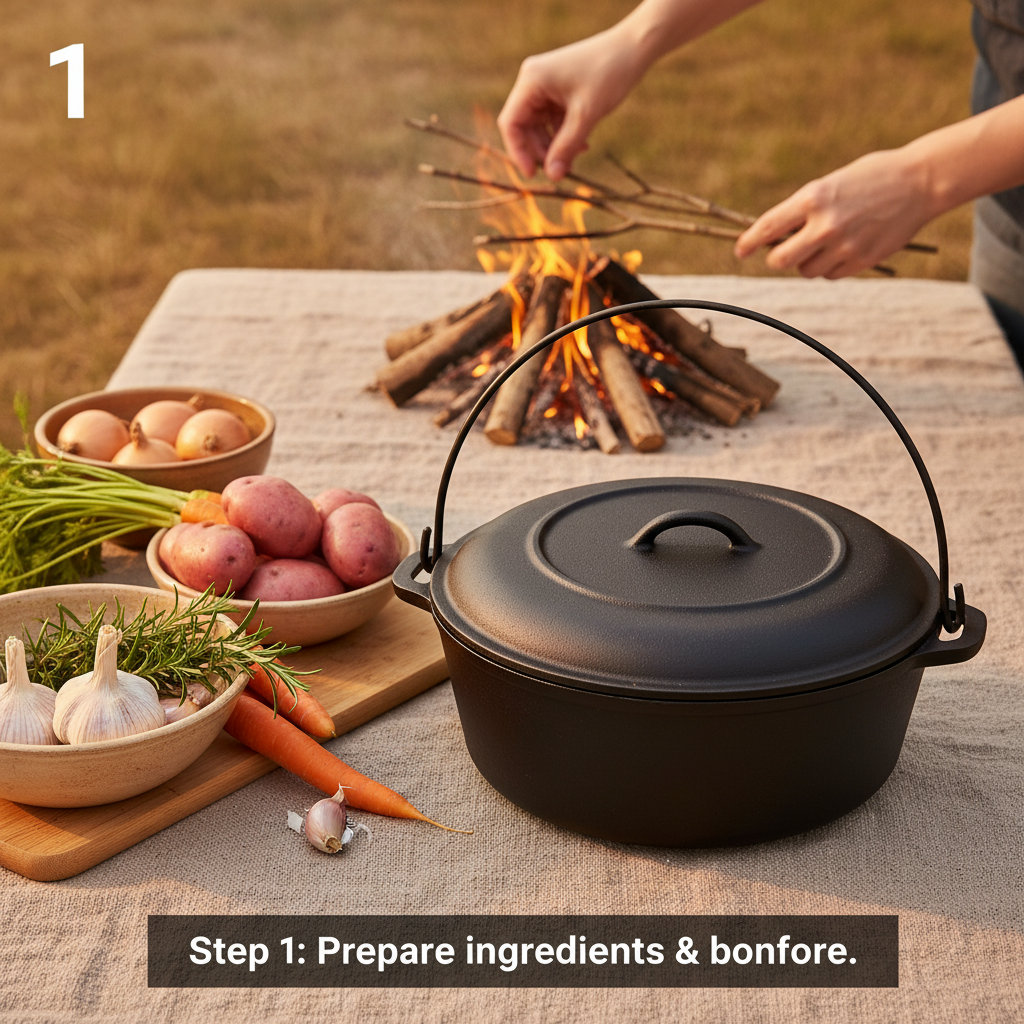
What is a Bonfire Dutch Oven?
A bonfire dutch oven, also known simply as a dutch oven, is a thick-walled cooking pot with a tight-fitting lid. Traditionally made of cast iron, modern versions also come in enameled cast iron. The heavy construction allows for even heat distribution and retention, making it ideal for slow cooking, braising, baking, and even frying. The tight-fitting lid traps moisture, resulting in tender and flavorful dishes. What sets a “bonfire” dutch oven apart is often its design tailored for outdoor use, often with legs for stable placement over coals or a campfire.
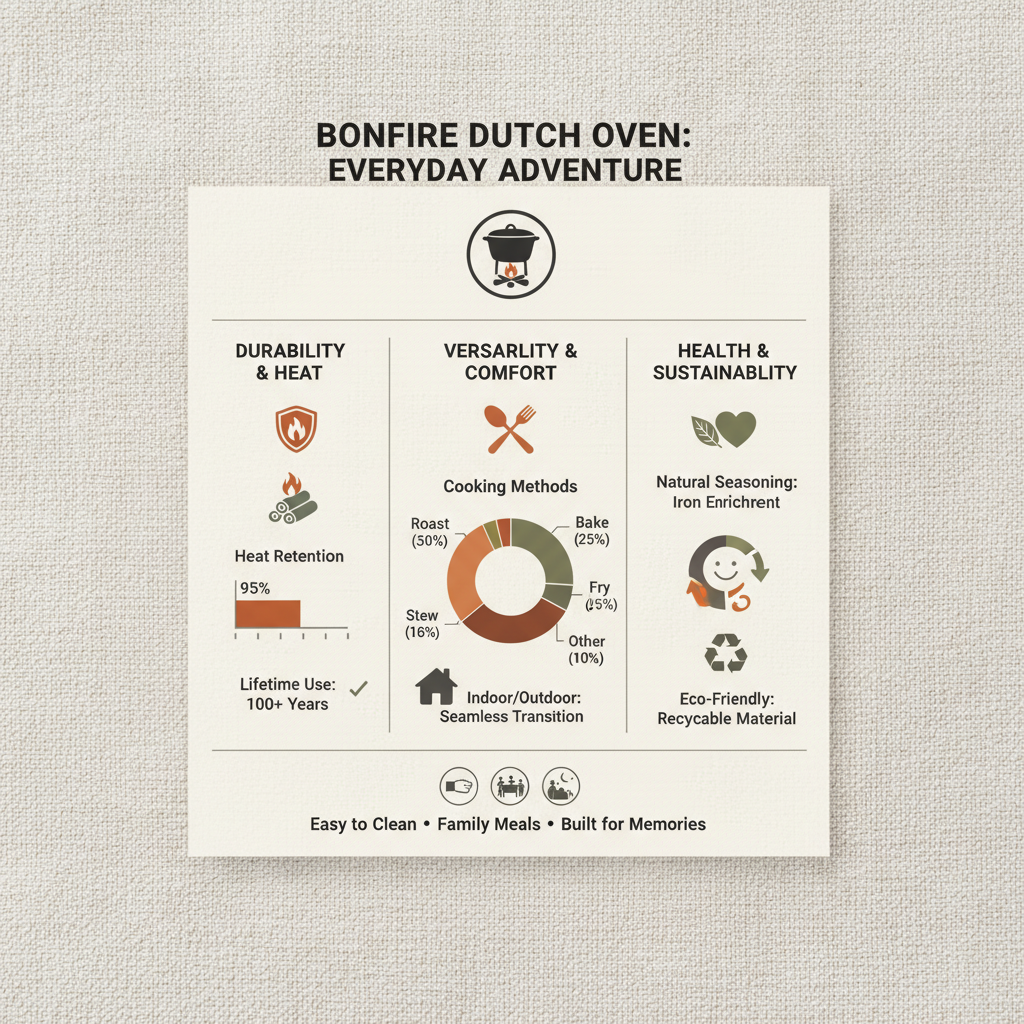
Key Benefits: Even heat distribution, excellent heat retention, versatility in cooking methods, durability, and flavorful results.
Materials: Cast Iron vs. Enameled Cast Iron
The choice between cast iron and enameled cast iron often comes down to preference and cooking style. Traditional cast iron requires seasoning – a process of coating the surface with oil and baking it to create a natural non-stick layer. This seasoning needs to be maintained to prevent rusting. Enameled cast iron, on the other hand, is coated with a porcelain enamel, eliminating the need for seasoning and making it easier to clean. However, enameled cast iron is generally more expensive and the enamel can chip if mishandled.
Material Comparison:
• Cast Iron: Requires seasoning, durable, excellent heat retention, more affordable.
• Enameled Cast Iron: No seasoning needed, easy to clean, resists rust, more expensive, enamel can chip.
Bonfire Dutch Oven Sizes and Shapes
Dutch ovens come in a variety of sizes and shapes. The size is typically measured in quarts and refers to the volume of the pot. Common sizes range from 5 quarts to 8 quarts. A 5-quart dutch oven is ideal for smaller families or side dishes, while an 8-quart is better for larger gatherings or roasts. As for shapes, you’ll find round and oval dutch ovens. Round dutch ovens are more versatile for stovetop use, while oval ones are better suited for roasting larger cuts of meat. ZdCookware's selection provides a range of options to suit any cooking needs.
Using Your Bonfire Dutch Oven: Tips and Techniques
Mastering the bonfire dutch oven involves understanding a few key techniques. When cooking over coals, evenly distribute the coals around and on top of the lid for consistent heat. For baking, use more coals on top than on the bottom. Always use heat-resistant gloves or tools when handling a hot dutch oven. Experiment with different recipes and techniques to unlock the full potential of this versatile cookware. Remember to properly clean and maintain your dutch oven to ensure its longevity.
Caring for Your Dutch Oven
Proper care ensures your bonfire dutch oven lasts a lifetime. For cast iron, avoid using soap, as it can strip the seasoning. Instead, use hot water and a scrub brush. Dry thoroughly and lightly oil after each use. Enameled cast iron is easier to clean – soap and water are fine, but avoid abrasive cleaners that can damage the enamel. Store your dutch oven in a dry place to prevent rusting.
Conclusion: Embrace the Versatility
The bonfire dutch oven is more than just a cooking pot; it's a gateway to flavorful, satisfying meals. Whether you’re a seasoned chef or a beginner cook, this versatile piece of cookware will quickly become a kitchen (or campsite) essential. Explore the diverse range of ZdCookware's selection and start creating unforgettable culinary experiences today!
Frequently Asked Questions (FAQs)
Can I use a dutch oven on a ceramic cooktop?
Yes, you can use a dutch oven on a ceramic cooktop, but with caution. Always lift and move the dutch oven – do not slide it, as this could scratch the cooktop. Using a trivet or heat diffuser is recommended to distribute heat evenly and prevent damage. Enameled cast iron dutch ovens are generally safer for ceramic cooktops than bare cast iron.
What can I cook in a bonfire dutch oven?
The possibilities are endless! You can braise meats, bake bread and desserts, make soups and stews, fry chicken, roast vegetables – the list goes on. Its excellent heat retention makes it perfect for slow cooking tough cuts of meat to tender perfection. It’s also fantastic for no-knead bread recipes.
How do I season a cast iron dutch oven?
To season a cast iron dutch oven, coat it with a thin layer of cooking oil (flaxseed oil is often recommended). Wipe off any excess oil, then bake it upside down in a 350°F (175°C) oven for an hour. Let it cool completely in the oven. Repeat this process 2-3 times to build up a good seasoning layer. Regular use also contributes to seasoning.
Is an enameled dutch oven worth the extra cost?
For many, yes. The convenience of not having to season and the ease of cleaning are significant benefits. Enameled dutch ovens also look attractive and are less prone to rusting. However, if you're comfortable with seasoning and maintaining cast iron, a traditional cast iron dutch oven is a perfectly viable and more affordable option.
-
Mastering Outdoor Cooking with a Portable Dutch Oven GuideNewsApr.16,2026
-
Master Outdoor Cooking with the Oval Cast Iron Camp Oven GuideNewsApr.09,2026
-
Unlocking Flavorful Adventures with Outdoor Cooking with a Dutch OvenNewsApr.07,2026
-
Elevate Your Outdoor Cooking With A Premium Outdoor Cast Iron OvenNewsApr.04,2026
-
Discover the Benefits of a Cast Camp Oven for Outdoor CookingNewsMar.31,2026
-
Maximize Your Outdoor Cooking with a Camping Tripod and Dutch OvenNewsMar.28,2026