Benefits and Uses of Oval Cast Iron Pot – Durable & Versatile Cookware
Oval Cast Iron Pot: A Timeless Kitchen Essential in Modern Homes
The oval cast iron pot is more than just cookware; it’s a culinary workhorse that merges tradition with modern-day functionality. Globally, cast iron cookware usage has seen a resurgence, credited with its durability, heat retention, and versatility. In fact, cookware made from cast iron has been documented for hundreds of years and remains cherished in households and professional kitchens worldwide. Understanding why the oval shape, in particular, stands out can deeply influence culinary techniques and results.
Why does this matter on a global scale? Well, as more consumers seek sustainable and long-lasting kitchen tools, the oval cast iron pot provides a reliable solution that supports both cooking performance and environmental consciousness. Plus, the design offers unique benefits in food preparation, especially for larger meals or specialty dishes.
Introduction: The Global Relevance of Oval Cast Iron Pots
The world cast iron cookware market was valued at approximately $1.3 billion in 2022 and is expected to grow steadily (source: Grand View Research). This growth signals an increasing demand for cookware that blends classic craftsmanship with eco-friendly manufacturing. Oval cast iron pots, due to their larger cooking surface and adaptability, address modern culinary challenges such as cooking hearty meals evenly for families or small gatherings without excess waste.
Yet, many kitchens still struggle with tools that unevenly cook food or damage easily, raising questions around durability and efficiency — an area where the oval cast iron pot particularly shines. Because it supports slow cooking and evenly distributes heat, it solves the classic problem of hot spots common in cheaper cookware. This means better flavor development, higher energy efficiency, and easier meal prep.
What Is an Oval Cast Iron Pot?
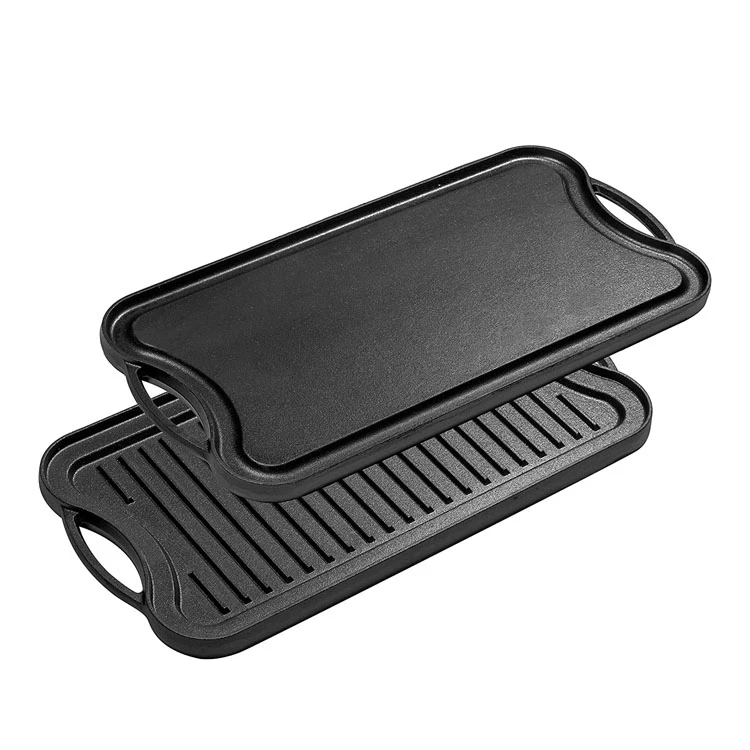
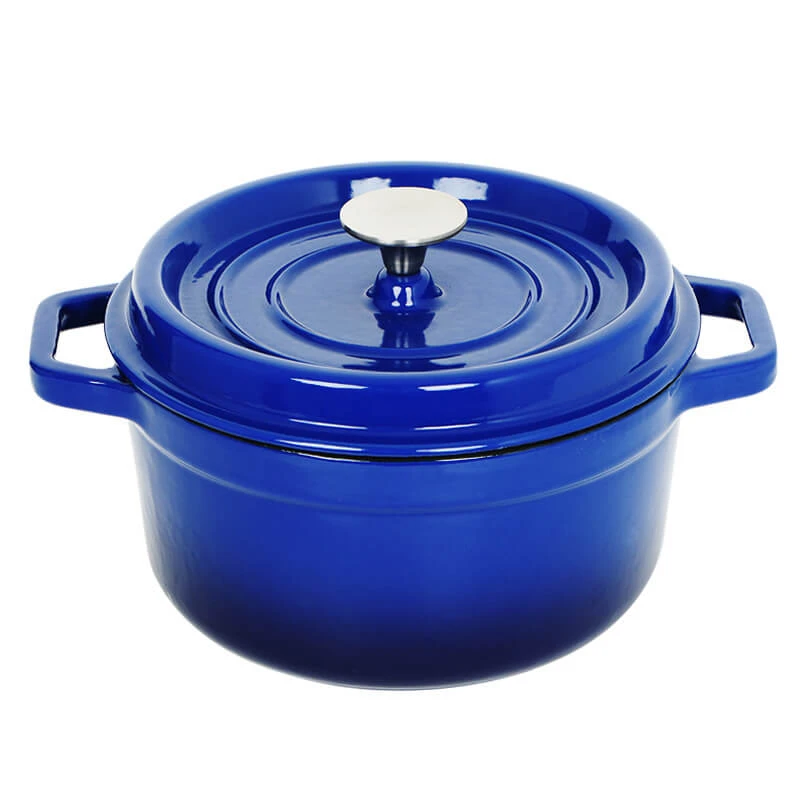
Simply put, an oval cast iron pot is a heavy-duty cooking vessel made from cast iron, shaped with an elongated, oval form instead of the traditional round. It features thick walls and an enamel coating in many models, which makes it resistant to rust and simpler to clean. This shape differentiates it by providing a longer cooking surface, ideal for certain cuts of meat, larger roasts, or whole chickens that don't fit well into round pots.
In modern kitchens and even in some humanitarian cooking setups—think community kitchens or disaster relief camps—this kind of pot proves indispensable. The pot’s robust nature and heat retention make it suitable across varied energy settings, including open flame, induction, or electric stoves.
Key Features of Oval Cast Iron Pots
- Durability: Cast iron is renowned for longevity. With proper care, a well-made oval cast iron pot can last generations.
- Even Heat Distribution: The thick cast iron walls ensure consistent warmth, reducing the risk of burning or uneven cooking.
- Versatility: From braising and roasting to slow cooking stews, its design caters to multiple cooking methods.
- Ease of Maintenance: Modern enamel-coated versions avoid rust and don’t require seasoning, making cleanup easier.
- Ergonomics and Size: The oval shape better accommodates certain cuts of food or multiple ingredients compared to round pots.
- Sustainability: Cast iron is recyclable and limits the need for frequent replacements, contributing to less waste.
Mini takeaway: The oval cast iron pot balances tradition with innovation, focused on practical cooking benefits and longevity.
Product Specifications
| Feature | Specification |
|---|---|
| Material | Cast Iron (enameled or bare finish) |
| Shape | Oval |
| Capacity | 3 to 7 Quarts |
| Coating | Enameled or seasoned bare iron |
| Compatibility | Gas, electric, induction, oven-safe |
| Weight | 6-12 lbs (varies by size) |
Top Vendors: Quality and Price Comparison
| Brand | Price Range | Capacity (Quarts) | Warranty | Special Features |
|---|---|---|---|---|
| Lodge | $45–$90 | 5–7 | Limited Lifetime | Pre-seasoned, oven safe |
| Le Creuset | $250–$450 | 3.5–7 | Limited Lifetime | Enameled, multiple color options |
| Staub | $220–$400 | 5–7 | Limited Lifetime | Matte enamel, self-basting lids |
Global Applications & Use Cases
From professional chefs in Michelin-starred kitchens in France to home cooks in Asia and North America, the oval cast iron pot has found a universal place. Oddly enough, it’s also favored in remote or resource-limited settings because of its energy efficiency and durability. In post-disaster relief operations, where fuel and energy might be scarce, the excellent heat retention of cast iron ensures meals can stay warm longer, maximizing limited resources.
In industrial kitchens and large households, the oval pot accommodates bigger cuts of meat and whole poultry, making it more practical than round Dutch ovens for certain preparations. For example, commercial bakeries use oval cast iron for slow roasting and steaming, where precise heat is critical.
Mini takeaway: The versatility of the oval cast iron pot spans diverse global kitchens, from professional to humanitarian contexts.
Advantages & Long-Term Value
- Cost Efficiency: While initially more expensive than some cookware, the pot’s longevity transforms the investment’s value over decades.
- Sustainability: Cast iron pots promote eco-conscious cooking due to their reusability and recyclable material.
- Reliability: Their sturdy build withstands rigorous use and diverse cooking conditions.
- Emotional Impact: There’s a comforting legacy in using a pot passed from generation to generation, reinforcing family bonds and culinary tradition.
Future Trends & Innovations
Lately, advances include more refined enamel coatings for easier cleaning and anti-scratch durability. Green manufacturing trends also push brands toward reducing carbon footprints in casting and shipping. Digital temperature monitoring integrated into lids is a promising development, offering precision cooking to the modern user.
Automation at manufacturing plants is enhancing quality consistency. Frankly, it’s exciting to see a classic item adapting via technology while maintaining the familiar heft and look.
Challenges & Solutions
Heavy weight is a widely noted drawback, especially for elderly users or those with limited mobility. To combat this, newer designs sometimes feature ergonomic handles and lighter composite materials—though these can affect heat distribution. There’s also an ongoing challenge with seasoning maintenance for bare cast iron pots, but enamel alternatives help here.
Experts recommend a balance: enamel for ease and maintenance, bare iron for those who enjoy the traditional seasoning process and superior non-stick surface. Care instructions, honestly, are critical to longevity.
FAQ: Frequently Asked Questions About Oval Cast Iron Pots
- Q: What’s the main advantage of an oval shape over round pots?
A: The oval shape better fits longer cuts of meat like roasts and whole chickens, allowing even cooking without crowding. - Q: Can I use an oval cast iron pot on induction cooktops?
A: Absolutely. Cast iron’s magnetic properties make these pots fully compatible with induction stoves and other heat sources. - Q: How should I care for an enamel-coated oval cast iron pot?
A: Avoid metal utensils to prevent chipping, hand wash with mild detergent, and dry promptly to prevent rust around rims or lids. - Q: Is the weight manageable for everyday cooking?
A: While heavier than typical pots, many users find the heat retention and cooking efficiency worth the effort; handle designs also help. - Q: Are oval cast iron pots suitable for baking bread?
A: Yes! They work great as Dutch oven substitutes, creating a humid environment for crusty, artisanal bread.
Conclusion
In the kitchen, investing in a quality oval cast iron pot means embracing a centuries-old tool refined for today’s cooking needs. Its robustness, versatility, and even cooking can elevate your meals and last lifetimes. If you’re ready to blend heritage with modern innovation, this cookware is a game changer.
Visit our website to discover a curated selection of oval cast iron pots designed for every kitchen and lifestyle.
Oddly enough, the simplest cooking tools often tell the richest stories—here’s to adding yours.
References
-
Mastering Outdoor Cooking with a Portable Dutch Oven GuideNewsApr.16,2026
-
Master Outdoor Cooking with the Oval Cast Iron Camp Oven GuideNewsApr.09,2026
-
Unlocking Flavorful Adventures with Outdoor Cooking with a Dutch OvenNewsApr.07,2026
-
Elevate Your Outdoor Cooking With A Premium Outdoor Cast Iron OvenNewsApr.04,2026
-
Discover the Benefits of a Cast Camp Oven for Outdoor CookingNewsMar.31,2026
-
Maximize Your Outdoor Cooking with a Camping Tripod and Dutch OvenNewsMar.28,2026