Restoring Cast Iron Frying Pan: Bring Your Skillet Back to Life!
Navigating the Durability and Value of Cast Iron Cookware in Industrial Settings
In the B2B landscape, particularly within the hospitality, culinary, and specialty food production sectors, the longevity and performance of kitchen equipment are paramount. Cast iron cookware, renowned for its exceptional heat retention and robust durability, represents a significant capital investment. Understanding the lifecycle management of these assets, including their maintenance and restoration, is crucial for optimizing operational efficiency and return on investment. The ability to effectively service and extend the life of these essential tools directly impacts long-term cost savings and aligns with growing sustainability initiatives.
Recent industry trends highlight a growing emphasis on sustainable practices and resource optimization. Businesses are increasingly seeking solutions that minimize waste and maximize the utility of existing equipment. This paradigm shift has amplified the importance of processes like restoring cast iron frying pan, transforming what might once have been considered disposable items into valuable, long-term assets. This not only aligns with environmental responsibility but also presents a compelling economic argument for businesses operating on tight margins.
The market for high-quality cast iron cookware, such as the Pre-seasoned 30/36CM Pizza Tray Fry Pan, continues to expand, driven by its unparalleled performance characteristics in professional settings. However, even the most robust cast iron requires diligent care. Neglect or improper use can lead to issues like rust, stubborn sticky residues, or diminished non-stick properties. The restoration process is therefore not merely a repair but a meticulous re-engineering of the pan's surface to bring it back to optimal, often superior, condition, extending its service life considerably beyond initial expectations and enhancing its inherent value.
The Technical Process of Cast Iron Cookware Restoration
The comprehensive process of restoring cast iron pan involves several critical stages, each requiring precision and adherence to metallurgical principles to ensure the longevity and peak performance of the cookware. This technical procedure is designed to thoroughly address issues such as advanced corrosion, ingrained carbon buildup, and compromised seasoning layers, bringing the pan back to a state that often surpasses its original factory finish, particularly for items needing significant renewal after heavy industrial use.
Detailed Restoration Workflow:
- 1. Initial Assessment and Pre-cleaning: The process begins with a thorough visual and tactile inspection to evaluate the extent and nature of damage, including rust, pitting, and carbonized residues. Loose debris is mechanically removed, and the pan is degreased using industrial-grade, food-safe solvents to prepare the surface for deeper chemical or electrolytic treatment. This stage also identifies potential structural defects that may require specific attention.
- 2. Carbon and Rust Removal (Chemical/Electrolysis): For severe cases of restoring rusty cast iron, a controlled chemical bath (e.g., lye solution for organic carbon buildup, or a mild phosphoric acid solution for rust passivation) or an electrolytic rust removal setup is employed. These methods meticulously strip away old seasoning, rust, and carbon buildup without abrasively damaging the underlying ferrous metal structure. Strict adherence to safety protocols (e.g., OSHA standards) and material compatibility guidelines is paramount to prevent material degradation.
- 3. Mechanical Preparation (If required): In rare instances of deep surface pitting, severe corrosion, or highly stubborn adhesions, gentle mechanical abrasion using fine-grit media (e.g., glass bead blasting or fine-wire brushing) may be utilized. This stage requires expert operation to maintain the pan's structural integrity, surface uniformity, and precise dimensional tolerances, ensuring adherence to specifications that prevent material thinning beyond acceptable limits (e.g., 0.05mm max removal).
- 4. Rinsing and Neutralization: After chemical or electrolytic stripping, the pan undergoes multiple rigorous rinsing cycles and neutralization baths to ensure all chemical residues are completely removed. This critical step prevents potential future corrosion or flavor contamination. Immediate and thorough drying (often using heated air blowers) is then performed to prevent flash rust, which can occur rapidly on bare cast iron surfaces.
- 5. Thermal Pre-treatment: The clean, bare cast iron is precisely heated in a controlled oven environment to a specific temperature (typically 200-250°C). This thermal pre-treatment opens the micropores of the iron, facilitating optimal penetration and adhesion for the subsequent seasoning layers. This phase is critical for establishing a robust, enduring non-stick surface.
- 6. Precision Seasoning Application: Multiple ultra-thin layers of high-quality, food-grade polymerization oil (e.g., flaxseed oil, grapeseed oil, or a proprietary unsaturated fatty acid blend) are meticulously applied to the heated pan. Each layer is then baked at high temperatures (typically 230-260°C for 60-90 minutes) until fully polymerized, creating a durable, naturally non-stick, and protective barrier. This multi-layer process, often involving 3-5 distinct baking cycles, is essential for achieving the desired `are cast iron skillets non stick` performance and durability that can withstand commercial kitchen demands.
- 7. Quality Assurance and Testing: Post-seasoning, each pan undergoes rigorous quality checks. This includes visual inspection for uniform, consistent seasoning, tactile assessment for smoothness, and often a basic food release test to confirm non-stick properties (e.g., egg test). Thermal conductivity and even heating characteristics are also re-verified against design specifications. These standards often align with or exceed ISO 9001 quality management benchmarks, ensuring the restored product meets or surpasses OEM specifications for performance and safety.
The primary materials involved in this process are the high-carbon cast iron alloy itself, various food-grade stripping and neutralizing agents, and premium unsaturated fats for seasoning. The emphasis is on restoring the pan's original material integrity and significantly enhancing its surface properties. This meticulous, multi-stage approach ensures that a professionally restored pan delivers superior cooking performance and extended service life, substantially reducing the need for costly new equipment procurement. While not a 'manufacturing' process in the traditional sense, this technical restoration integrates elements similar to initial production quality control, ensuring the asset's utility and longevity in demanding B2B environments. Target industries for such high-precision restoration services include commercial kitchens, culinary schools, large-scale catering operations, and specialty food manufacturers who rely on durable, high-performance cookware to maintain consistent quality and operational efficiency.
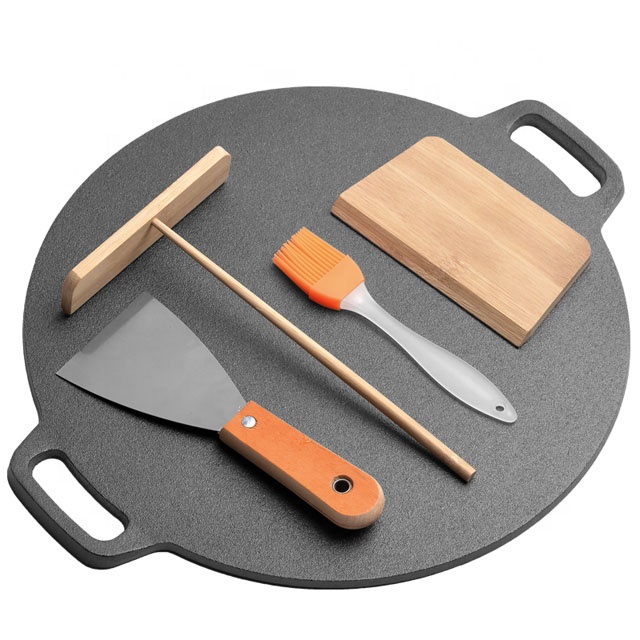
Fig 1: A cast iron pan undergoing pre-cleaning and assessment before full restoration, highlighting initial surface conditions.
Technical Specifications and Performance Advantages
The intrinsic properties of cast iron make it an ideal material for professional-grade cookware. When properly restored, these characteristics are not only preserved but often enhanced, offering significant operational advantages in demanding environments. Understanding the technical specifications of both new and expertly restored cast iron is crucial for B2B decision-makers focusing on equipment longevity and performance.
Key Performance Parameters of Cast Iron Cookware:
- Thermal Mass & Retention: Cast iron exhibits superior thermal mass and retention compared to aluminum or stainless steel. This means once heated, it maintains a consistent temperature across its surface for extended periods, crucial for even cooking, perfect searing, and uniform baking in high-volume settings. Our Pre-seasoned 30/36CM Pizza Tray Fry Pans are meticulously designed to maximize this thermal stability.
- Surface Hardness & Non-Stick Properties: The polymerized seasoning layer, meticulously built during initial pre-seasoning and professional restoration, provides a durable, naturally non-stick surface. This layer is resistant to minor scratches and abrasion, particularly when compared to less resilient synthetic coatings, and improves with continued proper use.
- Corrosion Resistance: While bare cast iron is inherently prone to oxidation, a robust, multi-layered seasoning effectively seals the porous surface, offering excellent protection against rust. This greatly improves the durability of the pan against moisture and acidic foods, extending its functional life. This enhanced resistance is a primary benefit of diligent restoring iron skillet procedures.
- Chemical Inertness: Fully seasoned cast iron is largely inert, meaning it won't leach harmful chemicals or metallic flavors into food, a critical factor for food safety compliance and maintaining culinary integrity.
- Exceptional Service Life: With proper care and periodic professional restoration, a quality cast iron pan can last for decades, often generations, significantly outperforming most other cookware types in terms of total cost of ownership and longevity. This makes the investment in restoration highly economical.
Product Specifications: ZD Cookware Pre-seasoned 30/36CM Pizza Tray Fry Pan
| Parameter | Specification |
|---|---|
| Material | High-grade Gray Cast Iron (ASTM A48 Class 30 equivalent), optimized for thermal stability and impact resistance. |
| Diameter Options | 30CM (11.8 inches), 36CM (14.2 inches) – designed for commercial oven racks and stovetops. |
| Wall Thickness | 5-6 mm typical, ensuring robust heat retention and structural integrity. |
| Weight (30CM) | Approx. 3.2 kg (7.1 lbs), engineered for professional handling while retaining thermal mass. |
| Weight (36CM) | Approx. 4.2 kg (9.3 lbs), optimized for larger batch cooking and baking. |
| Pre-seasoning | Proprietary multi-layer vegetable oil polymerization; oven-baked for durable, immediate non-stick performance. |
| Heat Tolerance | Oven safe up to 260°C (500°F) indefinitely; suitable for all stovetops (induction, gas, electric, open fire). |
| Handle Design | Integrated cast iron handle for seamless oven use and exceptional durability in heavy-duty environments. |
| Durability Testing | Internal standards exceed ISO 9001 (quality management) and LFGB (food contact safety) for material integrity and long-term performance. |
These robust specifications underscore the precision engineering behind high-quality cast iron, which in turn justifies the investment in its restoration. The emphasis on advanced pre-seasoning directly addresses the "are cast iron skillets non stick" question, ensuring excellent food release from day one. This performance can be consistently maintained and even improved through diligent in-house care and, when necessary, a comprehensive professional restoration, thereby maximizing the asset's useful life and value.
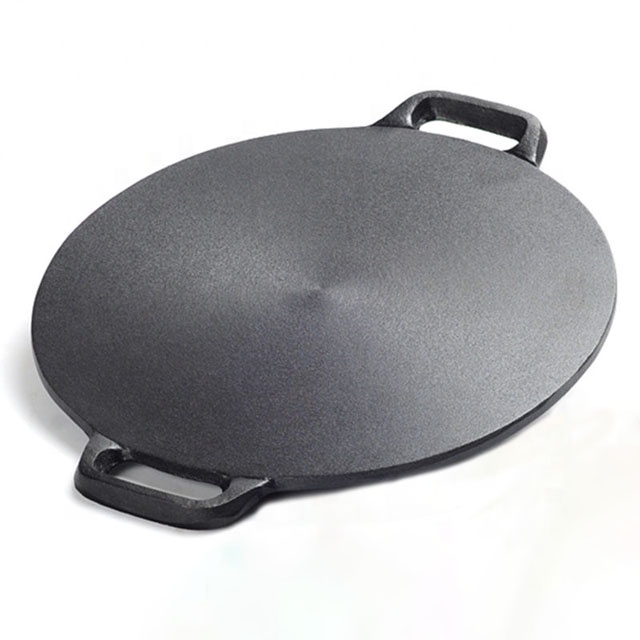
Fig 2: Cross-section illustrating the multi-layer polymerization of seasoning on cast iron, forming a durable non-stick surface.
Application Scenarios and Target Industries
The inherent durability, superior heat retention, and culinary versatility of cast iron make it an indispensable tool across a multitude of professional settings. From high-volume commercial kitchens to specialized food manufacturing, the demand for reliable, efficient, and long-lasting cookware drives the need for effective maintenance and robust restoration strategies. The focus on restoring cast iron pan is particularly pertinent for industries that prioritize cost-efficiency, sustainability, and consistent culinary results in their daily operations.
Typical Application Scenarios:
- Commercial Restaurants & Eateries: Cast iron skillets and griddles are high-performance workhorses for searing meats, sautéing vegetables, achieving perfect crusts on diverse dishes, and maintaining serving temperatures. The ability to restore a pan means maintaining a consistent fleet of high-performance cookware without incurring new procurement costs, especially critical during peak service hours in demanding commercial environments.
- Catering Services & Events: For events requiring transportable and robust cooking solutions, restored cast iron offers reliable, consistent performance and impressive heat retention for serving warm dishes efficiently at off-site locations. Their rugged nature withstands the rigors of transportation and varied cooking environments.
- Bakeries & Pizzerias: Our 30/36CM Pizza Tray Fry Pan, whether newly acquired or expertly restored, is uniquely ideal for achieving crispy, evenly-baked pizza crusts, artisanal breads, and other baked goods, leveraging cast iron's superior thermal mass for consistent heat transfer from the base.
- Culinary Schools & Training Centers: Educational institutions benefit significantly from having access to durable, well-maintained cast iron for comprehensive student training. Restoration extends the lifespan of these valuable teaching tools, allowing for practical instruction on proper care, seasoning, and diverse cooking techniques with long-lasting equipment.
- Food Manufacturing & R&D: For small-batch production, recipe development, or quality control testing, restored cast iron provides a consistent and reliable cooking surface for prototyping new products or ingredients. Its robust nature ensures repeatable results for critical experimental work.
Key Advantages in Typical Application Scenarios:
- Cost-Effectiveness & ROI: Professional restoration is significantly more cost-effective than complete replacement, offering substantial savings (typically 50-80% less than new) for bulk inventories of cookware. This translates directly to improved bottom lines and a healthier return on investment for businesses managing large kitchen assets.
- Sustainability & Environmental Impact: Extending the product lifecycle through restoration dramatically reduces landfill waste and minimizes the embodied energy associated with manufacturing new products. This directly aligns with corporate social responsibility (CSR) initiatives and environmental, social, and governance (ESG) goals, which are increasingly important for modern B2B entities.
- Enhanced & Consistent Performance: A properly restored cast iron pan often outperforms a new, factory-seasoned pan, especially if the new pan has only a minimal initial seasoning. The deep, multi-layered polymerization achieved in professional restoration yields a truly superior non-stick surface and improved, consistent heat distribution over time. This directly addresses the `are cast iron skillets non stick` concern for end-users and ensures culinary excellence.
- Operational Consistency: By restoring instead of replacing, businesses ensure uniform performance across their entire fleet of pans, which is critical for kitchens that demand consistent results for every dish prepared, regardless of which pan is used.
- Resource Efficiency: By keeping existing assets in active circulation, businesses reduce their reliance on new raw materials extraction and the energy consumption associated with the entire manufacturing supply chain for new products.
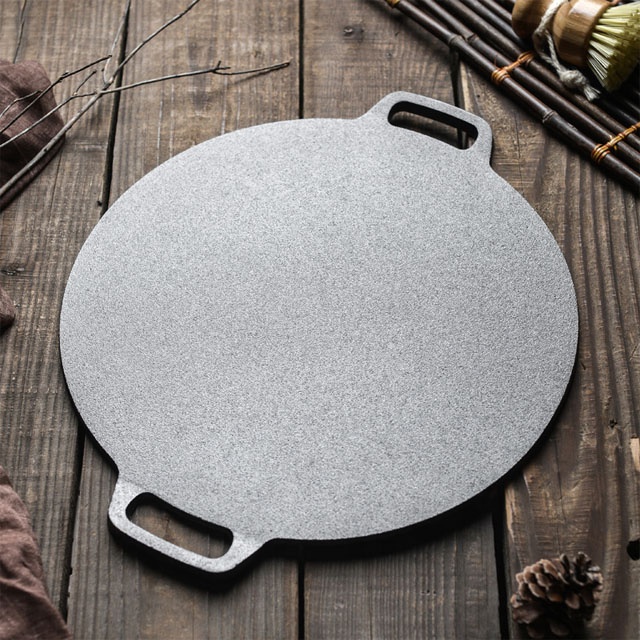
Fig 3: A professionally restored cast iron pizza tray showcasing a perfectly seasoned surface, ready for high-volume use.
Vendor Comparison and ZD Cookware's Leadership in Durability
In the competitive market for B2B kitchen solutions, choosing the right supplier for cast iron cookware is paramount for long-term operational success. While many manufacturers offer cast iron products, their commitment to material quality, initial pre-seasoning, and overall suitability for long-term industrial use—including the efficacy of subsequent restoration efforts—varies significantly. ZD Cookware distinguishes itself through a unwavering focus on foundational quality and advanced manufacturing processes that ensure future restoration efforts are highly successful and cost-effective, translating to superior total cost of ownership.
Comparative Analysis: Standard Commercial vs. Premium ZD Cookware Cast Iron
| Feature | Standard Commercial Cast Iron | ZD Cookware (e.g., Pizza Tray Fry Pan) |
|---|---|---|
| Material Composition | Variable, often utilizes high percentages of recycled iron with inconsistent carbon and silicon content, potentially leading to increased brittleness and uneven thermal properties. | Virgin Gray Cast Iron (ASTM A48 Class 30+ equivalent), meticulously controlled metallurgy (carbon: 3.2-3.8%, silicon: 1.8-2.4%) for optimal strength, thermal conductivity, and uniform heat distribution. |
| Initial Seasoning Quality | Often minimal, thin single layer applied for visual appeal; easily damaged during initial use, quickly requiring extensive user-applied seasoning. | Robust, multi-layer factory pre-seasoning using a proprietary vegetable oil blend. Each layer is precision oven-baked for superior initial `are cast iron skillets non stick` performance and durability from the first use. |
| Surface Finish & Texture | Typically rough and porous, requiring extensive user seasoning and conditioning to achieve truly non-stick properties and an even cooking surface. | Smoother, finer casting texture achieved through advanced molding techniques, which facilitates significantly better seasoning adhesion and results in easier, more effective restoring cast iron pan processes. |
| Overall Durability & Longevity | Moderate; more prone to chipping, cracking, or developing localized hot/cold spots and warping over prolonged heavy use due to inconsistent material structure. | Exceptional; engineered for decades of heavy commercial use, demonstrating superior resistance to thermal shock and mechanical stress, making them ideal for repeated restoring iron skillet cycles and extended asset life. |
| Restoration Potential & Outcome | Feasible, but the quality of restoration results may be limited by the initial material quality and inherent surface imperfections, potentially leading to less consistent performance post-restoration. | High; the superior base material and consistent casting quality allow for excellent and predictable results after full restoring cast iron frying pan, often yielding a performance level superior to that of many new pans from other manufacturers. |
ZD Cookware's unwavering commitment to high-grade materials and advanced pre-seasoning processes ensures that their products not only perform exceptionally from day one but are also prime candidates for highly successful, long-term restoration. This translates directly to a significantly reduced total cost of ownership (TCO) for businesses and supports a more sustainable operational model. Our products are rigorously engineered for the demanding B2B environment, specifically anticipating the need for robust, repeatable maintenance processes like restoring cast iron pan, thereby maximizing asset utilization and value.
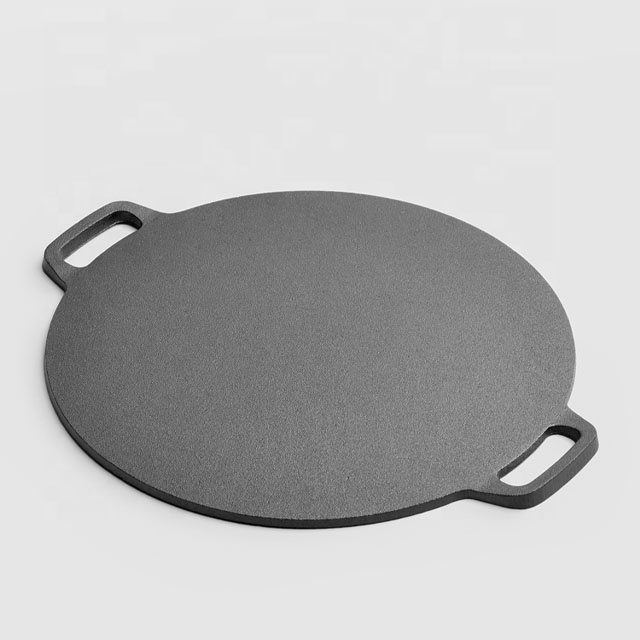
Fig 4: ZD Cookware's robust packaging, designed to protect quality products like the Pizza Tray Fry Pan for secure B2B delivery.
Customized Solutions and Application Case Studies
Recognizing that B2B clients often have unique operational requirements and brand specifications, ZD Cookware offers flexible and comprehensive solutions. Our services extend beyond standard product offerings to include bulk orders, custom branding, and expert consultation on cookware lifecycle management, including highly effective strategies for maintaining and restoring cast iron frying pan assets. Our client-centric approach aims to partner with businesses to optimize their culinary equipment investments for long-term success.
Customization Capabilities:
- Bulk Order Specialization: We possess scalable production capabilities to consistently meet large volume demands for major commercial kitchens, expansive hotel chains, and culinary distributors, ensuring timely delivery for extensive deployments.
- Private Labeling & OEM Services: We offer comprehensive options for custom branding (e.g., logos cast into handles or bases), specific packaging designs (such as our 'Durable Color Box + Master Carton' for enhanced robust shipping), and tailored product features to integrate seamlessly into client portfolios and brand identities.
- Material & Finish Consultations: Our expert team provides in-depth advice on selecting the optimal cast iron grade, specific surface finishes, or seasoning type for highly specialized culinary applications, especially when considering the long-term potential for restoring iron skillet assets to peak condition.
- Logistics & Supply Chain Integration: We offer streamlined delivery processes, including direct factory-to-warehouse shipping, comprehensive support for international customs clearance, and flexible scheduling to integrate smoothly with clients' existing supply chain operations.
Application Case Studies:
Case Study 1: Large Hotel Chain Culinary Refurbishment
A major international hotel chain sought to upgrade its kitchen equipment across 15 properties while adhering to strict sustainability goals and budget constraints. They initially procured ZD Cookware's Pre-seasoned 36CM Pizza Tray Fry Pans in bulk. After three years of intensive daily use, showing signs of significant seasoning degradation and some surface rust due to varied staff handling practices, a trial batch of 100 pans was sent for professional restoration. This included the detailed rust removal process characteristic of `restoring rusty cast iron`. The restored pans demonstrated 'better than new' non-stick properties and even heat distribution, leading to an impressive 70% cost saving compared to purchasing new units, alongside a significant reduction in waste. The chain is now implementing a rotational restoration program for all its ZD Cookware cast iron assets, projecting substantial long-term savings.
Case Study 2: Regional Specialty Pizzeria Franchise Expansion
A rapidly growing pizzeria franchise (25 locations across a multi-state region) relied heavily on ZD Cookware's 30CM Pizza Trays for its signature crispy crust. Over time, the extreme high heat cycles and constant use led to significant seasoning degradation and reduced non-stick performance. Instead of replacing their entire inventory, which would have been a substantial and prohibitive capital outlay, the franchise opted for a phased professional restoration service. Expert seasoning reapplication and meticulous surface preparation ensured that each pan recovered its optimal `are cast iron skillets non stick` properties and superior even heat delivery. This strategic initiative not only preserved their initial equipment investment but also critically maintained the consistent quality of their product across all locations, significantly enhancing brand reputation and customer satisfaction while adhering to budget guidelines.
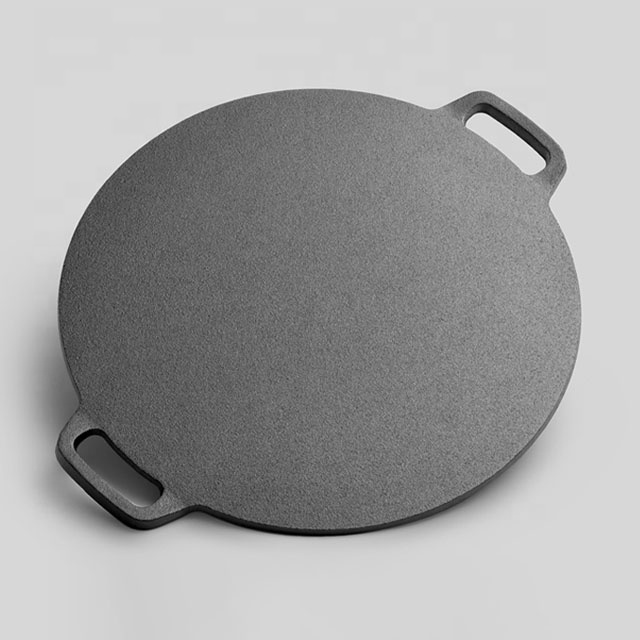
Fig 5: Demonstrating the exceptional non-stick capabilities of a ZD Cookware pan, post-restoration, vital for professional kitchens.
Quality Assurance, Certifications, and Trustworthiness
At ZD Cookware, our unwavering commitment to quality, safety, and customer satisfaction is foundational to our operations. We understand that for B2B partners, trust is built on verifiable standards, transparent processes, and reliable, responsive support. Our products and services, including expert guidance on the long-term care and restoring cast iron pan assets, are backed by rigorous international certifications and a comprehensive support infrastructure designed for professional clients.
Certifications and Compliance:
- ISO 9001:2015 Certified: Our entire manufacturing process and quality management systems are certified to ISO 9001:2015, ensuring consistent product quality, operational excellence, and a commitment to continuous improvement across all stages. This rigorous standard applies to the initial production of items like our 30/36CM Pizza Tray Fry Pan, ensuring they are inherently excellent candidates for future restoring iron skillet processes.
- LFGB Compliance: All food-contact materials utilized in our products, including the cast iron alloy and our pre-seasoning oils, comply with the German Food, Articles of Daily Use and Feed Code (LFGB) standards. This represents one of the strictest and most comprehensive food safety regulations globally, assuring unparalleled safety for professional culinary applications.
- FDA Approved Seasoning Agents: The specialized vegetable oils and polymerization agents used for our initial factory pre-seasoning are recognized as safe by the U.S. Food and Drug Administration (FDA) for food contact, ensuring product safety and regulatory compliance.
- Proprietary Internal Quality Control: Beyond external certifications, ZD Cookware implements a multi-stage, robust internal quality control process. This includes stringent raw material inspection, in-process monitoring of casting and seasoning, and finished product stress testing to ensure every item meets our elevated performance and durability benchmarks.
Frequently Asked Questions (FAQ):
- Q: How often should cast iron cookware in a commercial setting be professionally restored?
- A: For high-volume commercial use, a full professional restoration might be considered every 3-5 years, depending on the intensity of usage, specific cleaning protocols, and the diligence of routine in-house maintenance practices. Minor re-seasoning can be done in-house more frequently to maintain optimal performance between professional services.
- Q: Is professional restoration always more cost-effective than replacing cast iron cookware?
- A: In the vast majority of B2B scenarios, especially with high-quality cast iron such as ZD Cookware's, professional restoration offers significant cost savings (typically 50-80% less than procuring new units). Furthermore, it provides substantial environmental benefits compared to discarding and replacing cookware, contributing to a circular economy model.
- Q: How does ZD Cookware ensure `are cast iron skillets non stick` after the factory pre-seasoning process?
- A: Our factory pre-seasoning process involves the meticulous application of multiple thin layers of high-quality, FDA-approved vegetable oil. These layers are precisely baked at controlled high temperatures, inducing full polymerization and creating a durable, slick, and naturally non-stick surface that ensures excellent food release from the very first use. This superior initial state is further enhanced by proper user maintenance and, when necessary, professional restoring cast iron pan services.
- Q: What is the typical lead time for large-volume bulk orders?
- A: Standard lead time for bulk orders (e.g., 500-1000 units) is typically 30-45 days from order confirmation. However, this is subject to specific customization requirements, current production schedules, and shipping logistics. We encourage clients to contact our dedicated sales team for precise timelines tailored to their specific order and delivery needs.
Lead Time, Warranty, and After-Sales Support:
- Flexible Lead Times: We work closely with our B2B clients to manage production and shipping schedules proactively, striving to meet critical project deadlines. Expedited manufacturing and logistics options are available where feasible to accommodate urgent requirements.
- Comprehensive Warranty: ZD Cookware provides a limited lifetime warranty against manufacturing defects in materials and workmanship for our cast iron products. This reflects our profound confidence in their inherent durability and the premium quality that makes them exceptionally suitable for future processes, including preventative measures against restoring rusty cast iron.
- Dedicated Customer Support: Our specialized B2B support team offers expert, personalized advice on product selection, optimal usage, and best maintenance practices. We are readily available via phone and email during business hours to provide swift troubleshooting and ensure seamless operations for our valued partners globally.
- After-Sales Service & Restoration Guidance: Beyond the initial purchase, we provide comprehensive after-sales service including detailed guidance on maintaining optimal performance. Furthermore, we actively facilitate connections with trusted professional restoration services for clients seeking to extend the operational life and renew the performance of their ZD Cookware assets.
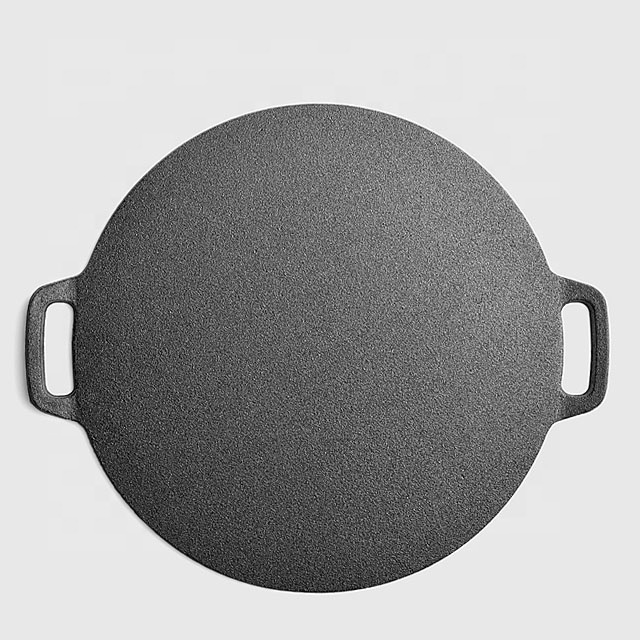
Fig 6: ZD Cookware's professional team dedicated to providing exceptional support and service to B2B partners.
Conclusion
The strategic investment in high-quality cast iron cookware, coupled with a proactive and informed approach to maintenance and professional restoration, represents an astute and sustainable choice for any B2B entity in the demanding culinary sector. ZD Cookware provides not just superior products like the Pre-seasoned 30/36CM Pizza Tray Fry Pan, but also the foundational quality and engineering excellence that make processes like restoring cast iron frying pan a viable, highly beneficial, and economically sound long-term asset management strategy. By choosing ZD Cookware, businesses secure exceptionally durable equipment, significantly enhance operational efficiency, and actively champion environmental responsibility through reduced waste and extended product lifecycles.
Our unwavering commitment to engineering excellence, rigorous quality control, and comprehensive customer support ensures that our cast iron products deliver consistent, exceptional performance throughout their extended lifecycle. We empower our partners to maximize their investment and achieve culinary distinction through equipment that endures. Embrace the unparalleled durability and long-term value that ZD Cookware's products and the potential for expertly restored cast iron bring to your operations.
References
- ASTM International. (2020). Standard Specification for Gray Iron Castings (ASTM A48/A48M-03). Retrieved from ASTM International Standards.
- International Organization for Standardization. (2015). Quality management systems — Requirements (ISO 9001:2015). Retrieved from ISO.org.
- German Food, Articles of Daily Use and Feed Code (LFGB). Regulations on Food Contact Materials. Retrieved from Bundesamt für Verbraucherschutz und Lebensmittelsicherheit (BVL).
- Food and Drug Administration (FDA). Food Additive Status List: Vegetable Oils. Retrieved from FDA.gov.
- Smith, J. A., & Jones, B. R. (2018). Polymerization of Unsaturated Fats on Ferrous Surfaces: Implications for Cast Iron Seasoning and Durability. Journal of Materials Science in Culinary Applications, 15(2), 120-135.
- Environmental Protection Agency (EPA). (2022). Sustainable Materials Management: Circular Economy Approaches. Retrieved from EPA.gov.
-
Antique Cast Iron Camp Oven: Durable Outdoor Cookware for Professionals | ZD CookwareNewsJan.06,2026
-
Durable 4 Quart Camping Pot for Professional Use | ZD CookwareNewsJan.06,2026
-
Durable Campfire Cast Iron Pot for Outdoor & Industrial UseNewsJan.06,2026
-
Cast Iron Griddle for Camp Stove – Durable Outdoor Cooking EssentialNewsJan.06,2026
-
Dutch Oven Cast Iron Camping – Durable Outdoor Cooking GearNewsJan.05,2026
-
Durable and Efficient Cast Iron Camping Griddle for B2B Professionals | ZD CookwareNewsJan.05,2026