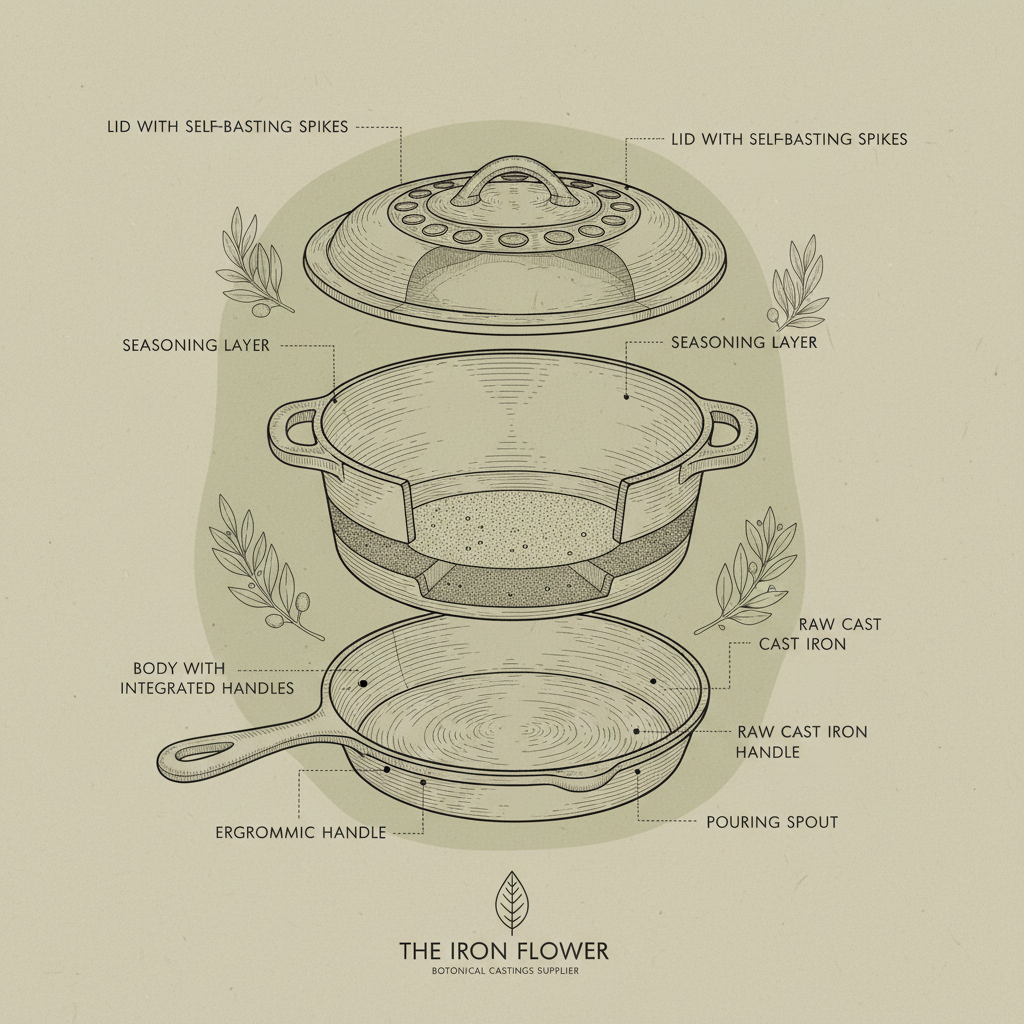
Different types of cast iron cookware represent a cornerstone of culinary traditions globally, prized for their durability, heat retention, and versatility. From the humble skillet to the sophisticated Dutch oven, these cooking vessels have been utilized for centuries, evolving alongside culinary techniques and dietary preferences. Understanding the nuances between different types – seasoned, enameled, vintage, and modern – empowers cooks to optimize their performance and longevity, fostering a deeper connection to the art of cooking. The resurgence in popularity of cast iron, fueled by a growing appreciation for sustainable and heirloom-quality kitchenware, demonstrates its enduring relevance in the modern world.
The global market for cast iron cookware reflects this renewed interest. According to industry reports, the cast iron cookware market is experiencing consistent growth, projected to reach substantial figures in the coming years. This demand is driven not only by home cooks but also by professional chefs who recognize the unique benefits cast iron offers. Factors such as increasing disposable income, a growing focus on healthy cooking methods, and the influence of culinary trends all contribute to this upward trajectory. However, challenges remain regarding production costs and ensuring sustainable sourcing of materials.
Ultimately, understanding different types of cast iron cookware isn't merely about choosing a pan; it's about investing in a piece of culinary history and a tool that, with proper care, can be passed down through generations. The ability to seamlessly transition from stovetop to oven, and even to campfire, makes cast iron an incredibly adaptable cooking companion.
Introduction to different types of cast iron cookware
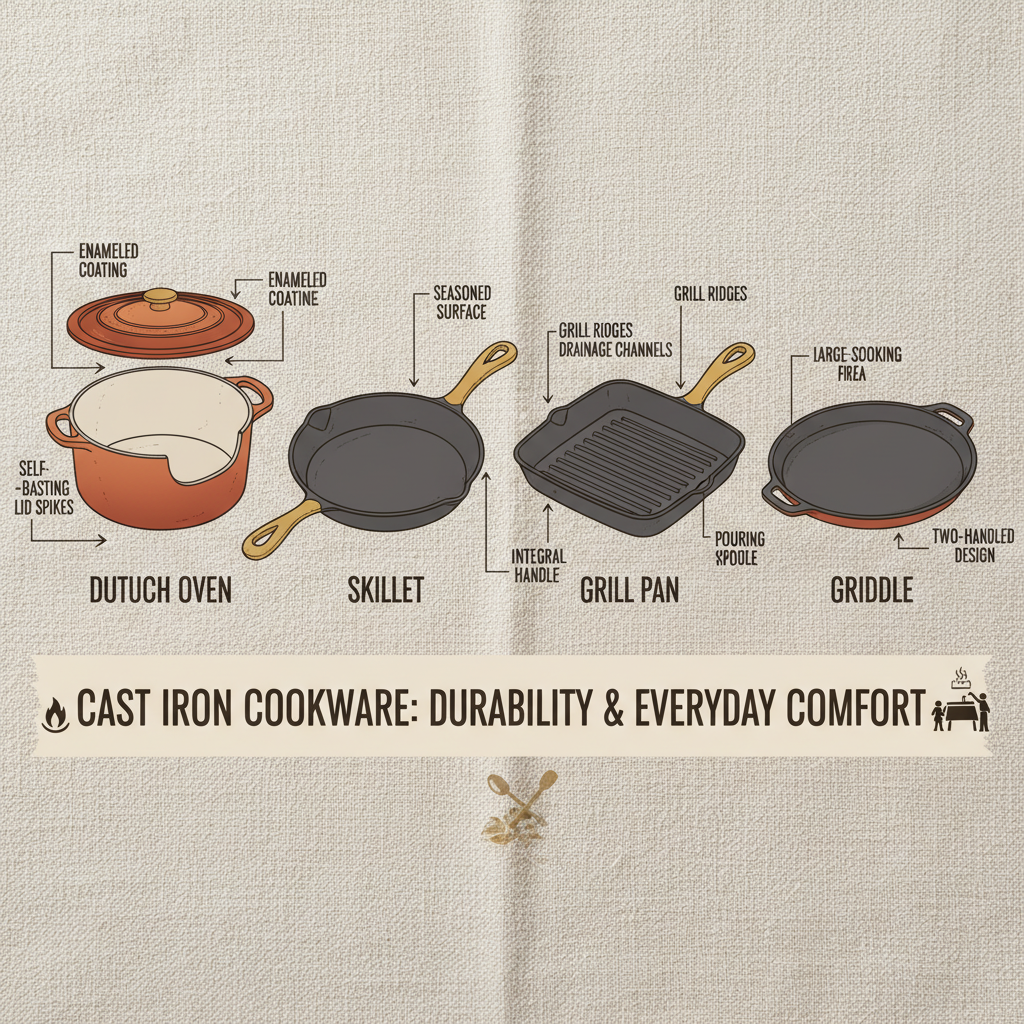
Cast iron cookware encompasses a broad range of vessels, each possessing unique characteristics and benefits. At its core, cast iron is an alloy of iron and carbon, renowned for its exceptional heat retention and even heat distribution. This foundational property makes it ideal for searing, frying, baking, and slow-cooking. But the world of cast iron extends far beyond the basic skillet.
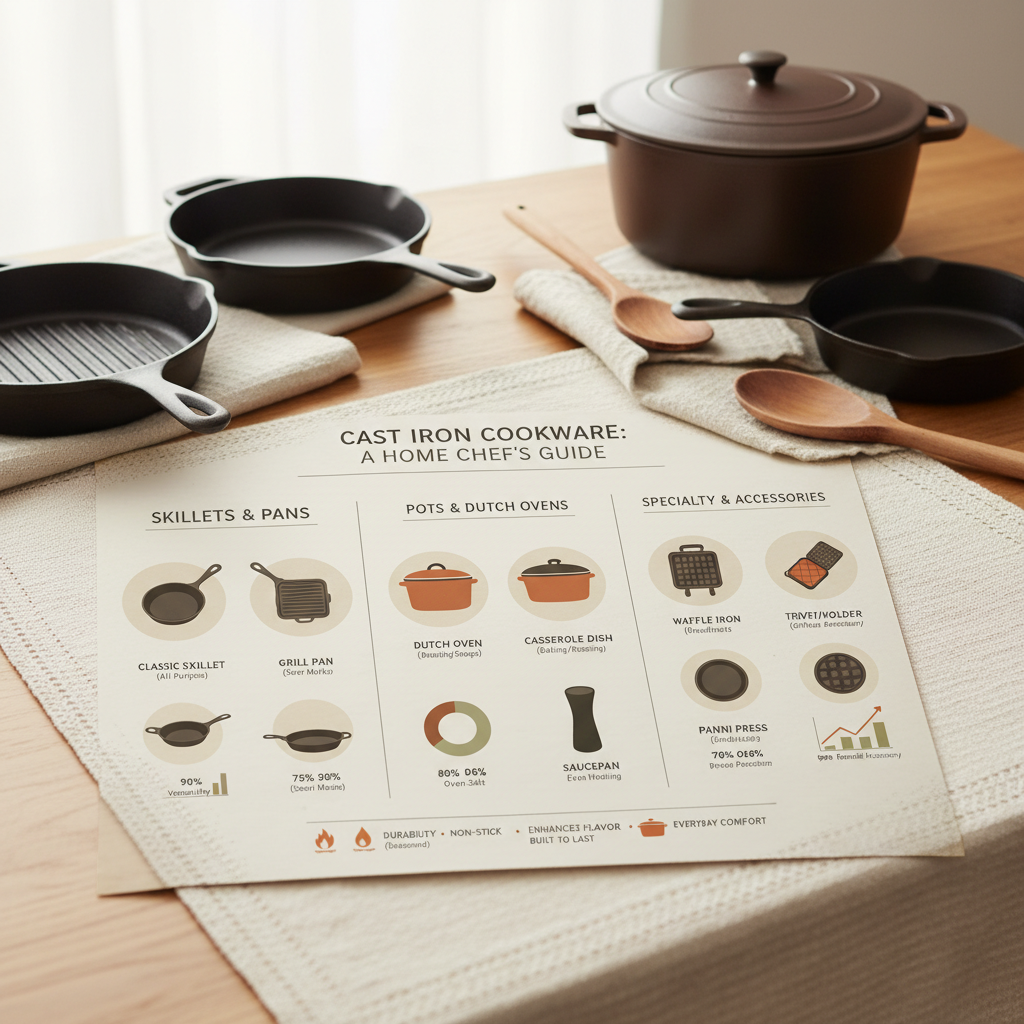
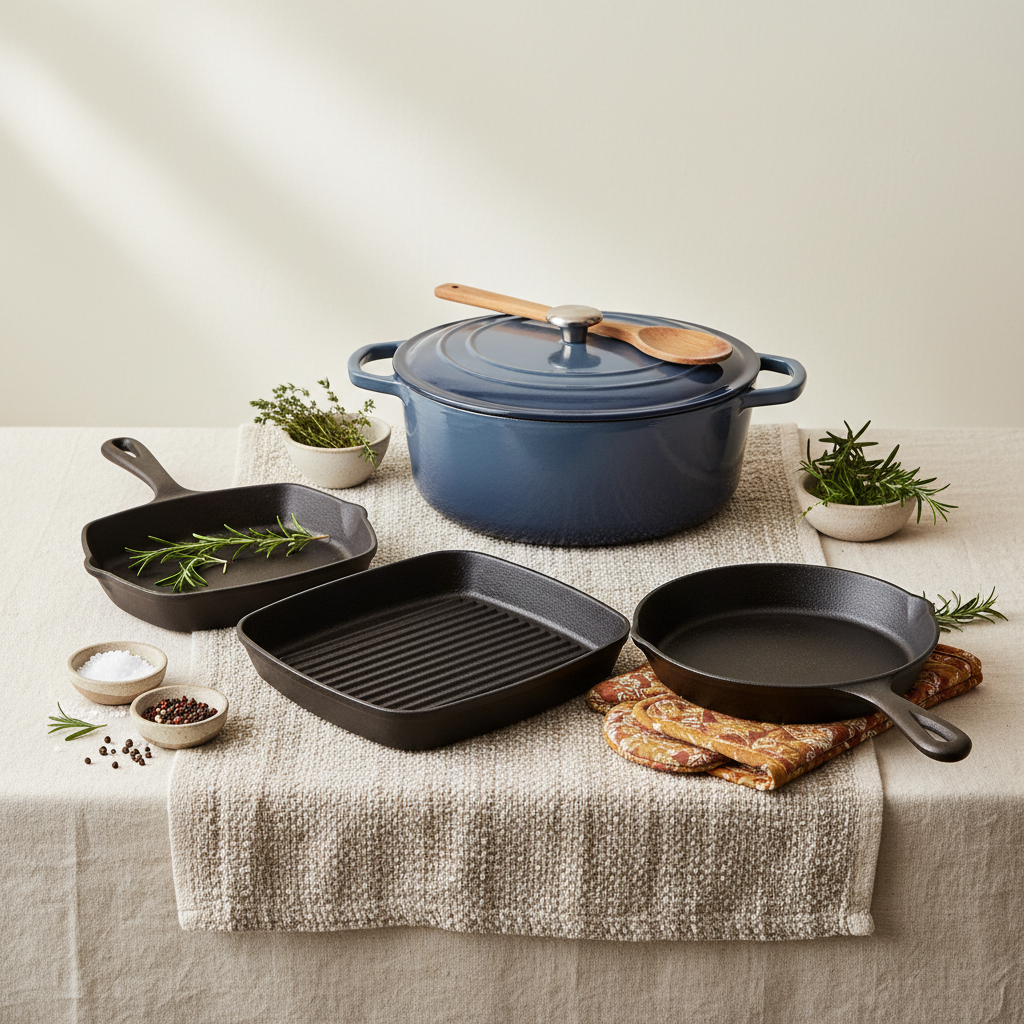
Different types of cast iron cookware include traditional seasoned cast iron, enameled cast iron, and vintage cast iron pieces. Seasoned cast iron requires regular maintenance to build up a natural non-stick surface, while enameled cast iron offers a low-maintenance, colorful alternative. Vintage pieces often boast unique designs and a well-established seasoning, making them highly sought after by collectors and cooks alike.
The Historical Development of different types of cast iron cookware
The history of cast iron cookware dates back centuries, with its origins traced to ancient China and eventually making its way to Europe. Early forms of cast iron were crude and heavy, but advancements in metallurgy gradually led to improved production techniques. By the 19th century, cast iron cookware became a staple in kitchens across the Western world, prized for its affordability and durability. The rise of industrialization played a crucial role in making cast iron accessible to a wider population.
The 20th century saw a decline in the popularity of cast iron, as lighter and more convenient materials like aluminum and stainless steel gained prominence. However, a resurgence began in the late 20th and early 21st centuries, driven by a renewed appreciation for traditional cooking methods and a desire for long-lasting, high-quality cookware. Modern casting techniques now enable the production of lighter and more refined cast iron pieces.
Today, numerous brands continue to produce cast iron cookware, both domestically and internationally, preserving the legacy of this time-honored cooking tradition while innovating with new designs and features. The availability of different types of cast iron cookware is more diverse than ever before.
Core Characteristics of different types of cast iron cookware
One of the most defining characteristics of cast iron is its incredible heat retention. Once heated, cast iron remains hot for an extended period, making it ideal for searing meats, maintaining consistent temperatures for slow cooking, and keeping food warm. This property differentiates it significantly from other materials like stainless steel, which cools down more quickly.
Another key characteristic is its versatility. Cast iron cookware can be used on a variety of heat sources, including stovetops (gas, electric, induction), ovens, campfires, and even grills. This adaptability makes it a valuable asset for both indoor and outdoor cooking. Different types of cast iron cookware excel in specific applications, like Dutch ovens for braising and skillets for frying.
The weight of cast iron is also a notable characteristic, contributing to its stability and heat retention. While heavier than other cookware options, this weight also provides a solid and grounded cooking experience. Understanding these core characteristics is essential for selecting the right type of cast iron for your culinary needs.
Durability and Performance of different types of cast iron cookware
The inherent durability of cast iron is legendary. With proper care, a cast iron pan can last for generations, becoming a cherished heirloom. Unlike non-stick coatings that degrade over time, cast iron actually improves with use as the seasoning builds up. This seasoning creates a natural non-stick surface, enhancing cooking performance and making cleanup easier.
However, the performance of different types of cast iron cookware varies. Enameled cast iron, while requiring less maintenance, can be susceptible to chipping if mishandled. Seasoned cast iron requires regular seasoning to maintain its non-stick properties and prevent rust. Vintage cast iron may have imperfections or uneven surfaces, but these often contribute to its unique character.
Performance Ratings for different types of cast iron cookware
Global Applications of different types of cast iron cookware
The applications of cast iron cookware are incredibly diverse, spanning cultures and culinary traditions worldwide. In France, enameled cast iron Dutch ovens are indispensable for preparing classic stews and braises. In the Southern United States, seasoned cast iron skillets are used for everything from frying chicken to baking cornbread.
In many developing countries, cast iron cookware provides a durable and affordable cooking solution for families, especially in rural areas where access to modern appliances is limited. In post-disaster relief operations, cast iron can provide a reliable means of preparing food when other options are unavailable.
The Advantages of different types of cast iron cookware
The advantages of choosing cast iron cookware are numerous. Beyond its exceptional heat retention and durability, cast iron offers a sustainable and eco-friendly cooking option. It requires minimal energy to maintain its temperature, and its long lifespan reduces the need for frequent replacements. This contributes to a lower environmental footprint compared to cookware made from less durable materials.
Economically, cast iron represents a sound investment. While the initial cost may be higher than some other cookware options, its longevity and versatility ensure that it provides years of reliable service. The ability to pass down cast iron cookware through generations adds an emotional value that transcends its monetary worth.
Future Trends in different types of cast iron cookware
The future of cast iron cookware is poised for innovation. We are seeing a growing trend toward lighter-weight cast iron designs, achieved through advanced casting techniques and alloy compositions. Manufacturers are also experimenting with new enamel coatings that offer enhanced durability and resistance to chipping.
Smart cast iron cookware, incorporating sensors and connectivity, may also emerge, allowing users to monitor cooking temperatures and receive alerts via smartphone apps. A continued emphasis on sustainable sourcing and manufacturing practices will be crucial to ensure that cast iron remains an environmentally responsible choice.
Furthermore, the integration of digital recipe platforms and online communities focused on cast iron cooking is fostering a vibrant and engaged user base. The demand for different types of cast iron cookware continues to fuel this innovation.
A Comparative Analysis of Key Attributes in different types of cast iron cookware
| Type of Cast Iron |
Maintenance Level |
Heat Retention |
Versatility (Heat Sources) |
| Seasoned Cast Iron |
High (Regular seasoning required) |
9/10 |
Excellent (Stovetop, Oven, Campfire) |
| Enameled Cast Iron |
Low (Easy to clean, no seasoning) |
8/10 |
Very Good (Stovetop, Oven) |
| Vintage Cast Iron |
Medium (May require re-seasoning) |
9/10 |
Excellent (Stovetop, Oven, Campfire) |
| Lightweight Cast Iron |
Medium (Regular seasoning recommended) |
7/10 |
Good (Stovetop, Oven) |
| Cast Iron Grill Pan |
Medium (Regular seasoning required) |
8/10 |
Good (Stovetop, Grill) |
| Cast Iron Dutch Oven |
Low - Medium (Enameled options require less maintenance) |
9/10 |
Excellent (Stovetop, Oven, Campfire) |
FAQS
Seasoning a new cast iron pan is crucial for creating a natural non-stick surface and protecting it from rust. Start by thoroughly cleaning the pan with warm, soapy water and drying it completely. Then, apply a thin, even coat of cooking oil (like flaxseed oil, vegetable oil, or canola oil) to all surfaces, inside and out. Bake the pan upside down in a preheated oven at 350-400°F (175-200°C) for one hour. Repeat this process several times to build up a robust seasoning.
No, it's strongly discouraged to put cast iron cookware in the dishwasher. The harsh detergents and prolonged exposure to water can strip away the seasoning, leading to rust. Always handwash cast iron with warm water and a mild soap, and dry it immediately. A gentle scrub with a non-abrasive sponge is sufficient for removing food residue.
If your cast iron cookware develops rust, don't panic! You can remove it with steel wool or a scouring pad. Scrub the rusted areas until the rust is gone, then wash the pan with warm, soapy water and dry it thoroughly. After removing the rust, re-season the pan to restore its protective coating.
Seasoned cast iron relies on layers of polymerized oil to create a non-stick surface and prevent rust, requiring regular maintenance. Enameled cast iron has a porcelain coating that eliminates the need for seasoning and makes cleaning easier. However, enameled cast iron can chip if dropped or subjected to extreme temperature changes.
Yes, well-seasoned cast iron is generally safe to use with acidic foods. However, prolonged cooking of highly acidic foods can potentially break down the seasoning over time. If you notice a metallic taste, it may be a sign that the seasoning is compromised and needs to be re-established.
Store cast iron cookware in a dry place to prevent rust. You can place a paper towel inside to absorb any residual moisture. Avoid stacking cast iron cookware directly on top of each other, as this can damage the seasoning. Instead, use pan protectors or place a towel between the pieces.
Conclusion
In conclusion, different types of cast iron cookware represent a remarkable blend of tradition, durability, and performance. From its historical roots to its modern resurgence, cast iron continues to be a cherished tool in kitchens worldwide. Its versatility, heat retention capabilities, and potential for longevity make it an invaluable asset for cooks of all skill levels. Investing in quality cast iron is not merely purchasing a cooking vessel; it’s acquiring a legacy.
As we look to the future, continued innovation in materials, design, and smart technology promises to enhance the functionality and appeal of cast iron cookware even further. By embracing sustainable practices and prioritizing quality craftsmanship, we can ensure that the tradition of cast iron cooking endures for generations to come. To explore the diverse range of different types of cast iron cookware available, visit our website today!