The Oval Cast Iron Dutch Oven: Durable, Efficient, and Timeless Cookware
Discovering the Oval Cast Iron Dutch Oven: Why It’s a Game-Changer
If you’ve ever wandered down the kitchenware aisle or scrolled cooking blogs late at night, you might have stumbled upon the oval cast iron dutch oven. It’s not just a fancy pot. It’s a vessel with a rich history and undeniable practicality, and frankly, it’s becoming a must-have for chefs and home cooks alike across the globe. Why? Because understanding this cookware means unlocking a world of slow-cooked, evenly heated dishes that taste like they came out of a restaurant kitchen. Plus, everyone appreciates durable, energy-efficient cooking tools that hold heat like a champ.
Globally, cast iron cookware markets are expanding — markets and chefs alike are gravitating toward sustainability and longevity. Yet, the tricky shape of the oval dutch oven caters uniquely to specific cooking needs, filling a niche circular ones sometimes miss. In short, the oval cast iron dutch oven reflects not just cookware innovation but a blend of cultural, practical, and sustainable values everyone can relate to.
Explore the finest oval cast iron dutch oven on our site.Understanding Why This Cookware Matters Globally
Cast iron has been around for centuries, but the unique shape of the oval dutch oven is more than just an aesthetic twist. Data from the International Organization for Standardization (ISO) notes increasing interest in cookwares that optimize energy use and durability. The oval shape helps cook awkward cuts of meat, like a brisket or whole chicken, more evenly. Oddly enough, this seemingly simple design solves a persistent kitchen challenge worldwide: efficient, consistent cooking to reduce food waste.
Of course, the rise in global interest in home cooking — partly thanks to pandemic lockdowns — has amplified demand for multi-use, durable cookware. For humanitarian kitchens or small-scale food entrepreneurs, the oval cast iron dutch oven offers a reliable, long-lasting cooking solution that fuels better meals with less energy. You could say it’s quietly helping solve food preparation challenges in places where affordable, sturdy cookware matters most.
What Exactly Is an Oval Cast Iron Dutch Oven?
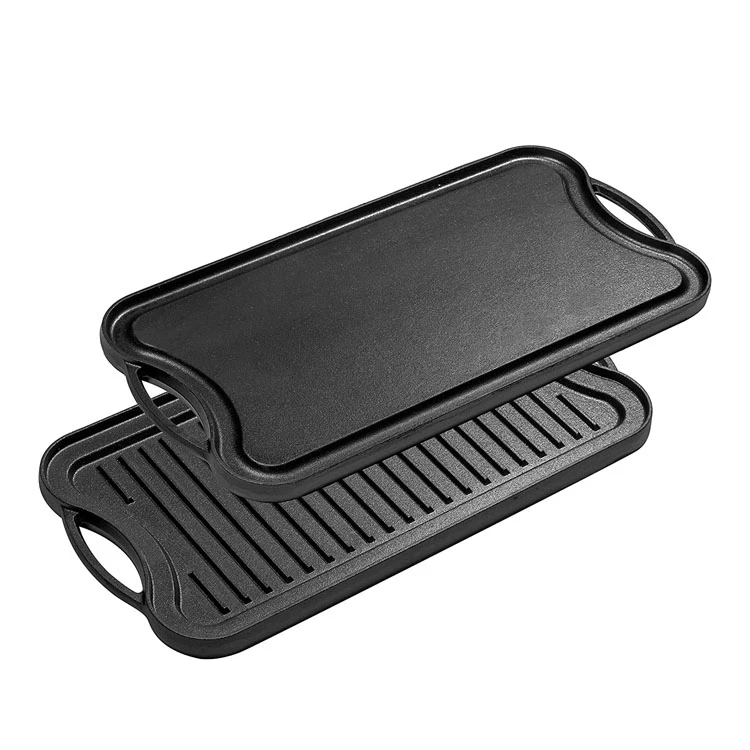
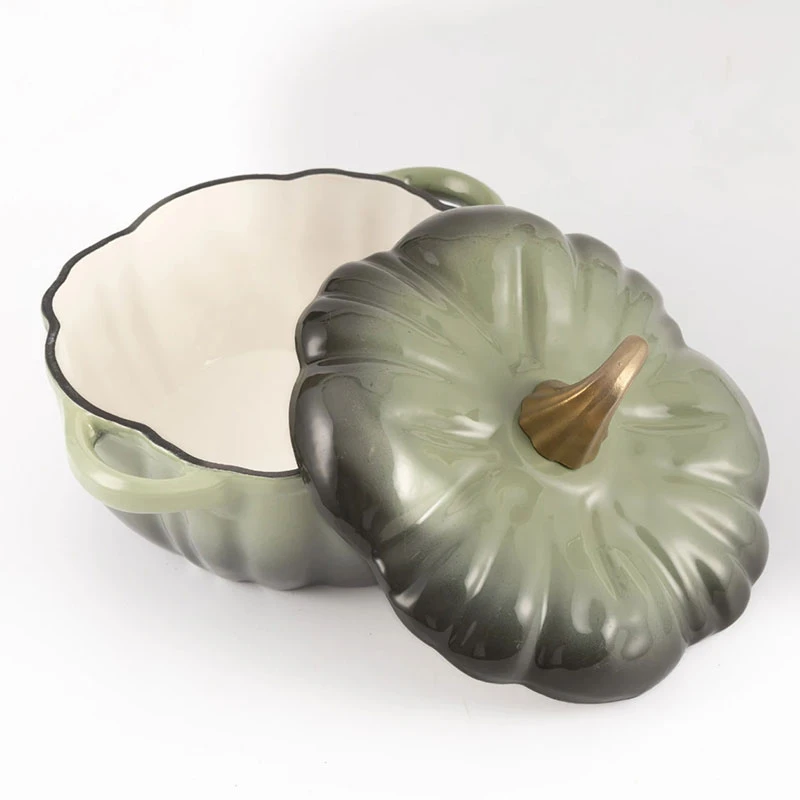
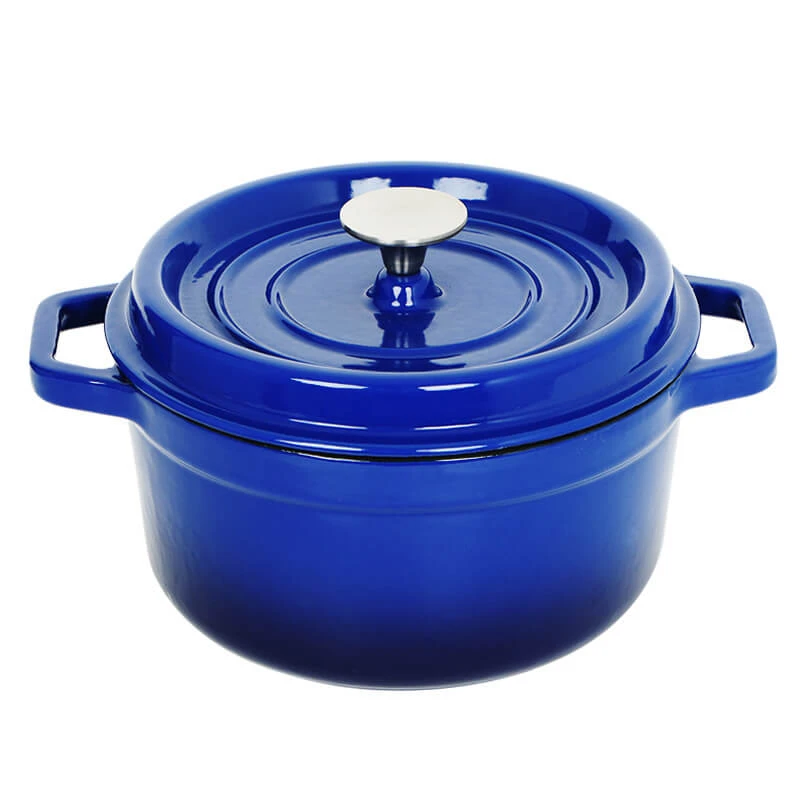
In plain terms, an oval cast iron dutch oven is a heavy, thick-walled pot made from cast iron shaped in an elongated oval form, often with a tight-fitting lid and two sturdy handles. It is prized for its ability to cook food slowly and evenly by retaining heat exceptionally well. The oval shape distinguishes it from regular round dutch ovens and is specifically tailored for roasting longer cuts of meat or cooking food in bulk.
This cookware connects with modern culinary arts, sustainable cooking, and even outdoor or institutional needs. Its heavy iron body naturally distributes heat and conserves energy during cooking — which can be a real boon in kitchens that prioritize sustainability or face frequent power challenges.
Key Components and Features of the Oval Cast Iron Dutch Oven
1. Durability and Longevity
Cast iron’s strength means these ovens literally last for decades, sometimes generations. That’s no exaggeration — many traditional families use them for 50+ years. The enamel coating on many modern variations adds rust resistance and reduces seasoning needs. For practical applications, that translates to a kitchen investment with tremendous resale and reuse value.
2. Heat Retention and Even Cooking
This dutch oven excels by holding steady temperatures. So once preheated, you get even heat distribution, which means no hot spots and properly cooked meals, every time. This aspect is both culinary art and science, especially important for slow-cooking dishes.
3. Shape and Size Versatility
The oval form is not just for looks. It fits bulky roasts or whole poultry better than a circle, giving chefs or home cooks the flexibility they need when preparing large meals. Sizes typically range from 3 to 7 quarts, accommodating casual meals or sizeable gatherings.
4. Energy Efficiency
By retaining heat so well, these ovens reduce the need for continuous high heat, saving energy. This is also why they’re used in small-scale commercial kitchens trying to minimize power consumption. Less energy equals less environmental footprint — a growing priority everywhere.
5. Ease of Maintenance
Thanks to enamel coatings on many modern models, cleaning is relatively easy compared to traditional bare cast iron. They are dishwasher safe but hand washing with mild detergent is recommended to prolong lifespan.
Product Specifications at a Glance
| Feature | Description |
|---|---|
| Material | Cast Iron with enamel coating (varies by model) |
| Shape | Oval |
| Capacity | 3 to 7 quarts (approximately 2.8 to 6.6 liters) |
| Heat Source Compatibility | Gas, electric, induction, oven safe |
| Weight | Typically 8-14 lbs (depends on size) |
Comparing Top Vendors: What Sets Them Apart?
| Vendor | Price Range | Warranty | Unique Feature |
|---|---|---|---|
| Brand A | $80 - $220 | Limited Lifetime | Triple enamel for durability |
| Brand B | $70 - $180 | 10 years | Ergonomic handles for easy lifting |
| Brand C | $110 - $240 | Limited Lifetime | Handcrafted cast with artisan finish |
Global Applications & Use Cases
Oval cast iron dutch ovens find their way into many corners of the world. In the northern countryside of Europe, they’re prized for hearty stews during icy winters, thanks to their heat retention. In the U.S., artisan bakers love them for homemade bread with crispy crusts. Post-disaster relief kitchens sometimes use them for bulk cooking because they withstand high heat and rough handling, and less fuel is required to cook large meals.
In industries focused on sustainability, like eco-lodges or zero-waste restaurants, these ovens cut down on energy use quite a bit. Oddly enough, their impact stretches beyond just kitchens — they cater to a slow food movement hungry for quality and eco-conscious choices. It’s fascinating how a single pot links culinary culture with environmental goals.
Advantages & Long-Term Value of the Oval Shape
There’s both a practical and emotional attraction here. Practically, the shape fits long roasts better, helping juices redistribute and keeping the food moist. Long-term, these dutch ovens build trust — it’s the "set it and forget it" type of cookware, which chefs love when juggling multiple tasks.
On a sustainability front, it’s one less disposable item cluttering landfills. Feeling connected to tools that perform well generation after generation adds a sense of dignity and pride in food-making. A solid investment, plain and simple.
Future Trends & Innovations
Modern cast iron manufacturers are innovating with lightweight alloys, eco-friendly enamel coatings, and smart cookware designs compatible with induction stoves. Sustainability standards from bodies like the United Nations Environment Programme (UNEP) encourage materials and processes with low carbon footprints. Some manufacturers are experimenting with digital temperature indicators embedded in lids — kind of a neat fusion of old and new.
Automation in production improves quality control, cutting defects and boosting durability. Frankly, it feels like the humble oval cast iron dutch oven is about to get a subtle tech makeover without losing its soul.
Challenges & Solutions
Sure, there are a few issues. These ovens are heavy and can be intimidating for older users or those with mobility constraints. Their pricing is also higher than typical cookware, which might put some off. But some brands address this by producing smaller, lighter versions with modern composite materials.
Another classic challenge is rusting — seasoning is critical if you go bare cast iron. The solution? Many models now offer non-toxic enamel coatings that prevent rust and make cleaning a breeze.
FAQ: Frequently Asked Questions About Oval Cast Iron Dutch Oven
- Q1: Why choose an oval cast iron dutch oven over a round one?
A1: The oval shape fits long cuts of meat better (think whole chicken or brisket), allowing more even cooking. This shape also provides more cooking surface area, which helps when preparing large meals. - Q2: How do I maintain my cast iron oval dutch oven?
A2: For enameled versions, simply hand wash with mild soap and avoid abrasive sponges. For bare cast iron, season regularly by coating with oil and heating to build a protective layer. Dry thoroughly to prevent rust. - Q3: Can I use the oval dutch oven on induction cooktops?
A3: Yes, cast iron cookware is compatible with induction cooktops due to its magnetic properties, making it a versatile choice for modern kitchens. - Q4: Is buying an oval cast iron dutch oven environmentally sustainable?
A4: Absolutely. Cast iron lasts decades, reducing the need for replacement. Plus, energy efficiency during cooking can lower overall household carbon footprints.
In Closing: Why the Oval Cast Iron Dutch Oven Should Be on Your Radar
Beyond just a cooking tool, the oval cast iron dutch oven represents an intersection of culinary tradition, functionality, and sustainability. It’s a pot built to last, designed thoughtfully for specific cooking needs, and increasingly relevant in a world that values durability and eco-consciousness. If you’re serious about elevating your kitchen while investing wisely, this oven is worth a close look. Visit our website: https://www.zdcookware.com and start exploring your options.
Overall, the oval cast iron dutch oven proves it’s not just about cooking, but about crafting flavorful experiences with responsibility and care.
Just a small note: Many culinary experts swear by it — it's honestly one of those timeless kitchen heroes.
References
-
Mastering Outdoor Cooking with a Portable Dutch Oven GuideNewsApr.16,2026
-
Master Outdoor Cooking with the Oval Cast Iron Camp Oven GuideNewsApr.09,2026
-
Unlocking Flavorful Adventures with Outdoor Cooking with a Dutch OvenNewsApr.07,2026
-
Elevate Your Outdoor Cooking With A Premium Outdoor Cast Iron OvenNewsApr.04,2026
-
Discover the Benefits of a Cast Camp Oven for Outdoor CookingNewsMar.31,2026
-
Maximize Your Outdoor Cooking with a Camping Tripod and Dutch OvenNewsMar.28,2026