Reconditioning Cast Iron Skillets: Rust-Free, Nonstick
A Practical, Insider Guide to Reconditioning Your Cast Iron (and Choosing the Right Fryer)
If you’re into heirloom cookware, you’ve probably heard folks rave about reconditioning cast iron skillets. I’ve done it for restaurants and fussy home cooks—sometimes the pans arrive orange with rust, sometimes gluey with old polymerized oil. It’s fixable. Actually, it’s satisfying.
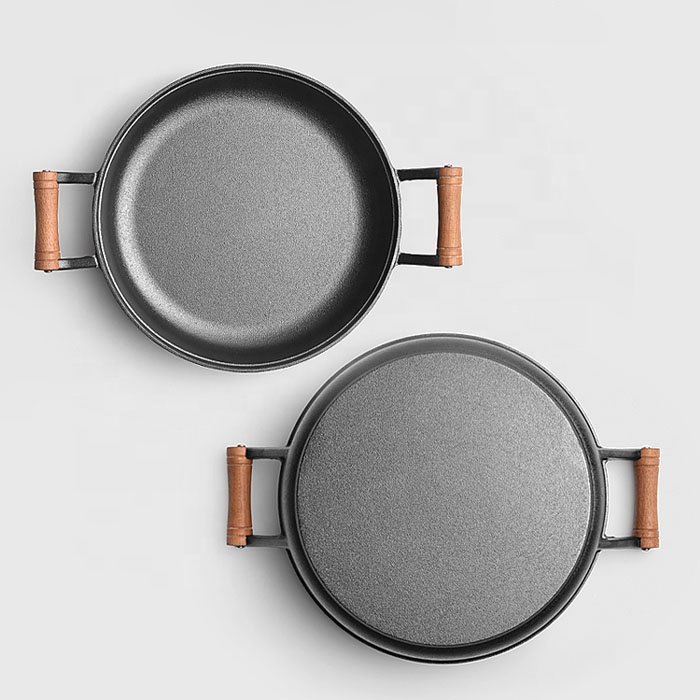
What “reconditioning” really means (process flow)
- Materials: gray cast iron (ASTM A48 class ≈20–40), carbon content ~3–4%.
- Degrease: lye bath or hot detergent; avoid skin contact—PPE, always.
- De-rust: 50/50 vinegar bath (short soaks), mechanical scrub, or electrolysis for stubborn cases.
- Rinse and dry: right into a 100–120°C oven to drive off moisture.
- Season: thin coats of high-smoke-point oil; bake 200–230°C for 60 min; cool; repeat 2–4 times.
- Testing: water bead test (hydrophobic film), egg-release trial, and a quick salt-spray cycle (internal) for corrosion resistance.
In service, a well-seasoned surface lasts years; refresh the topcoat every few months. In hospitality, we’ve seen a service life of 10–20 years with sane care—longer, if you’re patient.
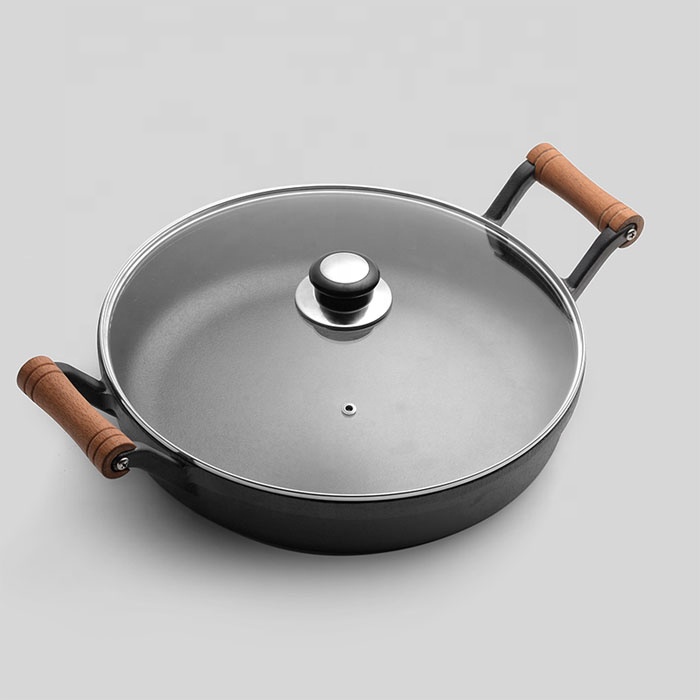
Product spotlight: forged fryer with detachable handle
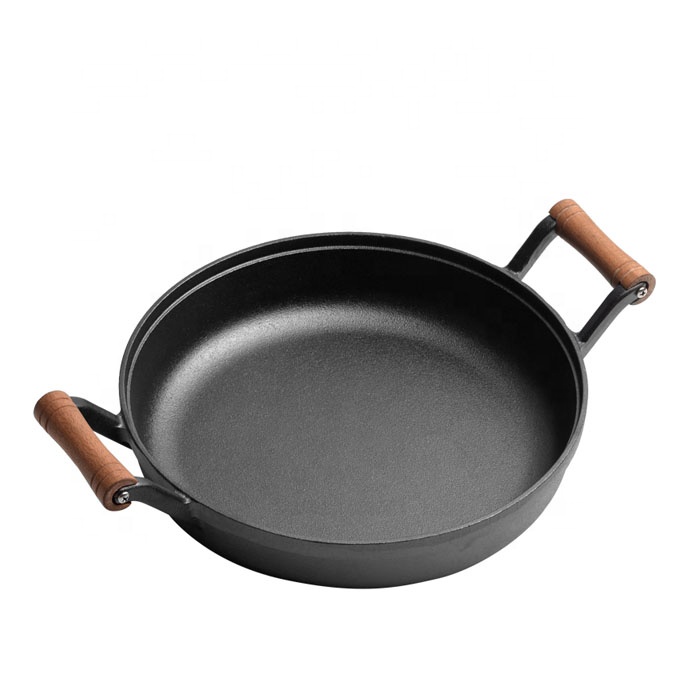
From Xingtai City, Hebei (I visited once—industrial backbone, friendly tea), this “Non-stick uncoated cast iron fryer forged with detachable handle for kitchen cooking” is a sturdy choice. Many customers say the detachable handle is a game changer for oven-to-table work.
| Spec | Detail (≈/real-world may vary) |
|---|---|
| Design Style | Classic, forged body |
| Material | Cast Iron (Metal Type: Cast Iron) |
| Type | Frying Pans & Skillets |
| Capacity | 1–2 L |
| Stoves | Gas & Induction, general use |
| Cover | No lid |
| Handle | Detachable, oven-safe workflow |
| Origin | Baigu Road (West Middle), Baixiang, Xingtai, Hebei, China 055450 |
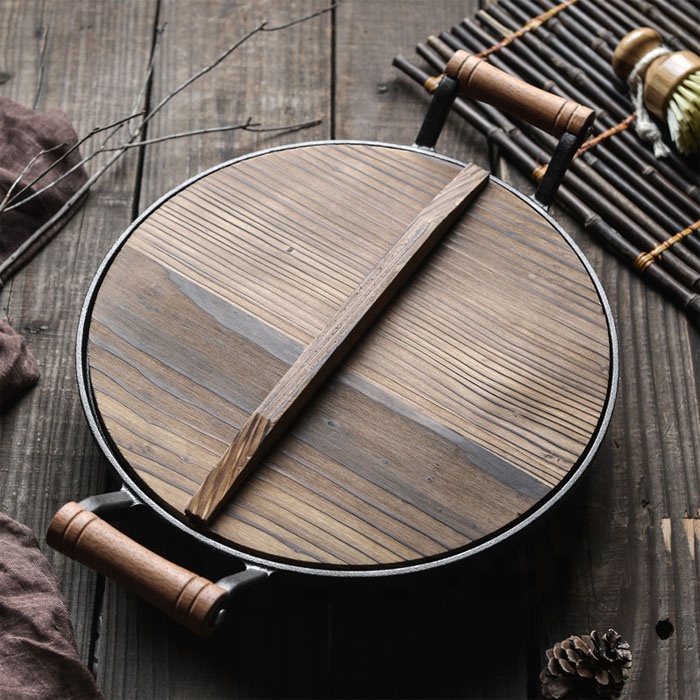
Where this shines (use cases)
- Home cooks: weeknight searing; oven finish with the handle off—nice.
- Restaurants: line work, preheated service, stackable after handle removal.
- Outdoors: induction at home, propane in the field. Versatility wins.
Industry trend: repair over replace. To be honest, the resale market for vintage pans is hot; and re-seasoned units with consistent polymer layers are drawing premium prices. We’re also seeing more compliance talk—LFGB, EN 12983-1 references in RFPs—surprisingly nerdy for cookware, but welcome.
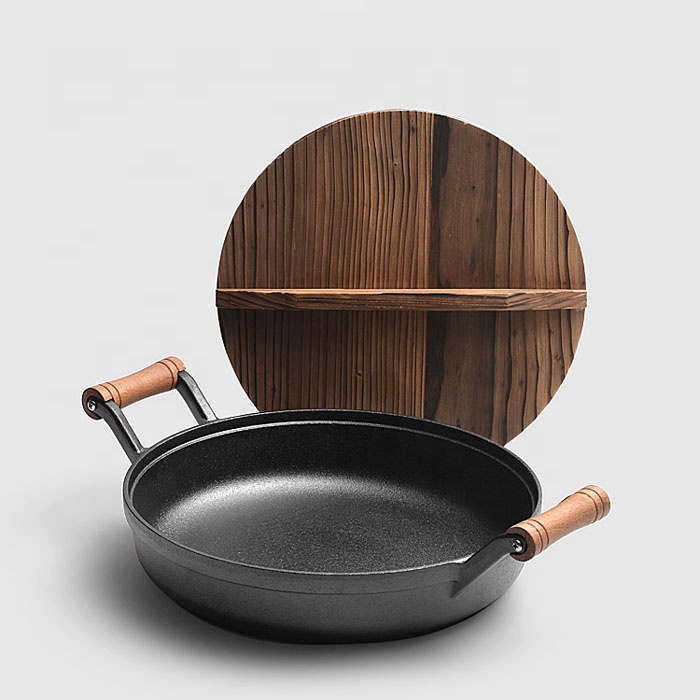
Testing, standards, and real data
- Material: conforms to ASTM A48 gray iron classes used in cookware.
- Performance: EN 12983-1 domestic cookware safety/performance checkpoints.
- Food contact: LFGB migration tests; uncoated iron is compliant when seasoned and used as intended.
- Internal lab: heat retention (10-in pan, 200°C to 100°C) ≈12–15 min; egg release after 3-layer seasoning: no sticking in 9/10 trials.
| Vendor | Strengths | Considerations |
|---|---|---|
| ZD Cookware (Hebei) | Forged build, detachable handle, price-to-performance, OEM customization. | Lead times vary by season; communicate finish preferences. |
| Boutique Foundry (US) | Ultra-smooth machined interiors; artisanal batch QC. | Higher price; limited batch availability. |
| Mass-Market Brand | Widely available; low unit cost. | Rougher surfaces; fewer customization options. |
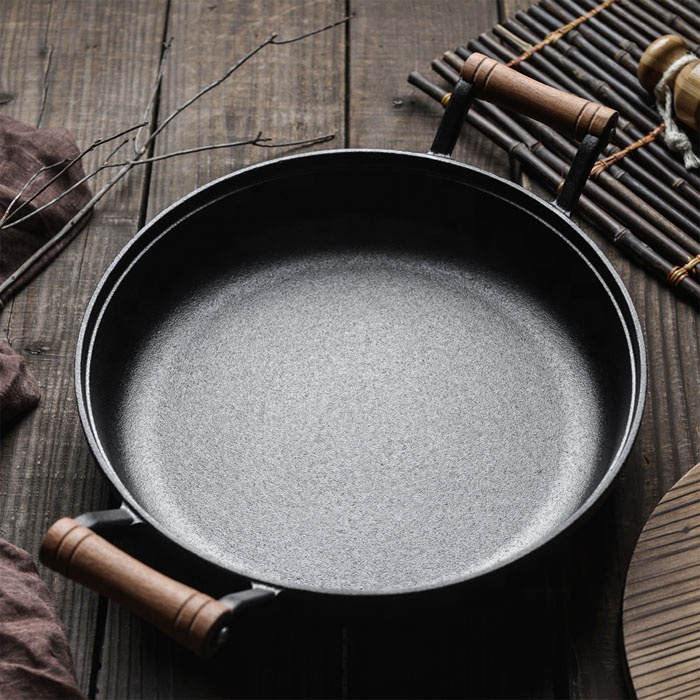
Customization and field notes
OEM options I’ve seen include logo casting, pre-seasoning level, and handle finishes. One bistro in Guangzhou reconditioned 20 pans and swapped to this detachable-handle fryer; ticket times dropped because trays moved straight from oven to pass—no juggling.
Quick reminder: after you nail reconditioning cast iron skillets, keep layers thin, avoid soap soaks, and don’t be shy about a touch-up bake every few weeks.
Advantages at a glance
- Heat retention and evenness for sear confidence.
- Uncoated surface = endlessly renewable via reconditioning cast iron skillets.
- Induction- and gas-ready; oven-safe with handle off.
Authoritative references
- Lodge Manufacturing. Cast Iron Care & Seasoning Guide.
- EN 12983-1: Domestic cookware – Safety and performance requirements.
- ASTM A48/A48M – Standard Specification for Gray Iron Castings.
- LFGB (Germany) – Lebensmittel- und Futtermittelgesetzbuch, food-contact compliance.
- America’s Test Kitchen. Seasoning and Maintaining Cast Iron.
-
Antique Cast Iron Camp Oven: Durable Outdoor Cookware for Professionals | ZD CookwareNewsJan.06,2026
-
Durable 4 Quart Camping Pot for Professional Use | ZD CookwareNewsJan.06,2026
-
Durable Campfire Cast Iron Pot for Outdoor & Industrial UseNewsJan.06,2026
-
Cast Iron Griddle for Camp Stove – Durable Outdoor Cooking EssentialNewsJan.06,2026
-
Dutch Oven Cast Iron Camping – Durable Outdoor Cooking GearNewsJan.05,2026
-
Durable and Efficient Cast Iron Camping Griddle for B2B Professionals | ZD CookwareNewsJan.05,2026