Durable Dutch Oven Cookware: Timeless Design Meets Modern Sustainability
Why Dutch Oven Cookware Still Matters in a Modern Kitchen
There’s something timeless about a good Dutch oven. Beyond nostalgia or grandma’s cooking style, dutch oven cookware plays a significant role worldwide in both everyday culinary use and in specialized industries. From searing and slow-cooking to deployment in relief kitchens or outdoor expeditions, understanding this cookware's versatility offers more than just delicious meals—it reflects broader global concerns about sustainability, durability, and multifunctional design.
The Global Appeal of Dutch Oven Cookware
Across continents and cuisines, Dutch ovens have a surprisingly wide footprint. According to a 2022 report by the World Bank, the global cookware market is expected to reach $40 billion by 2027, where traditionally made, durable cookware like Dutch ovens holds a steady share. Their ability to retain heat and versatility make them favored not only among home cooks but also food-service providers in remote or underdeveloped areas. For humanitarian organizations, durable Dutch ovens can mean the difference between efficient meal prep and needless resource waste, especially in crisis zones.
More broadly, food accessibility and cooking methods feed into larger sustainability discussions. The ISO 14000 environmental management standards highlight how durable, reusable goods (like cast iron Dutch ovens) contribute to reducing carbon footprints versus disposable alternatives. Yet challenges remain—things like weight and cost can limit their spread.
What Exactly Is Dutch Oven Cookware?
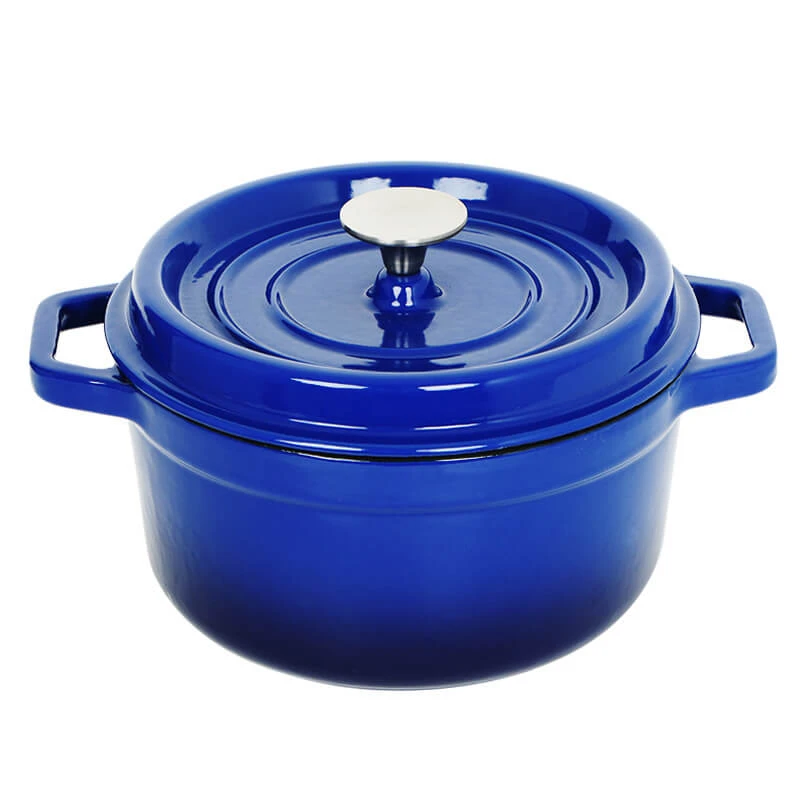
Simply put, a Dutch oven is a thick-walled pot, traditionally made from cast iron, sometimes coated with enamel, that’s designed to distribute heat evenly and retain it for long periods. You can use it on a stovetop, in the oven, or even over an open flame outdoors. It’s less about fancy gadgetry and more about reliable, multi-purpose design — which explains its staying power in modern kitchens and industries that prize durability.
In humanitarian efforts, Dutch oven cookware often surfaces as vital equipment for outdoor kitchens that need to be rugged and efficient. NGOs operating under difficult conditions, for instance, frequently choose Dutch ovens for meal preparation because they minimize fuel waste and breakdown rates.
Key Features of Dutch Oven Cookware
Durability
Cast iron’s reputation for longevity is legendary. A well-maintained Dutch oven can last generations—literally. This resilience means less frequent replacement, conserving resources and reducing manufacturing impact.
Heat Retention & Distribution
The thick walls and heavy lid create an environment where heat spreads uniformly, preventing localized burning and allowing for slow, tender cooking. I noticed when camping that even embers under the lid could sustain cooking for hours.
Versatility
You can sear, braise, bake, fry, or stew—all with the same pot. It’s like a kitchen Swiss Army knife. Especially for cooks working with limited tools, this is a game-changer.
Cost Efficiency
Though pricier upfront than thin steel or aluminum pans, Dutch ovens deliver strong value over their lifetimes. The initial investment can be easily recovered through years of use—many chefs swear by this.
Maintenance & Care
A seasoned cast-iron Dutch oven improves with use, but does require some upkeep to prevent rust and preserve its non-stick qualities. Enamel coatings reduce this effort but can chip under rough treatment.
Mini Takeaway:
Dutch oven cookware balances old-school practicality with modern-day needs: durability, versatility, and sustainability all baked into one solid package.
Worldwide Uses and Impact of Dutch Oven Cookware
- Humanitarian Relief: NGOs in disaster zones rely on Dutch ovens for preparing large-scale meals efficiently over wood or gas flames.
- Outdoor and Expedition Cooking: Campers and explorers prize Dutch ovens for their ability to cook wholesome meals with modest fuel.
- Commercial Kitchens: Boutique restaurants and bakeries use Dutch ovens for specialty dishes requiring even heat and moisture retention.
- Household Kitchens: In many cultures, the Dutch oven remains a kitchen staple for daily slow-cooked meals.
For example, during relief operations in Southeast Asia following floods, field kitchens equipped with durable Dutch ovens helped feed displaced communities with minimal fuel resources. Oddly enough, these pots, with roots dating back hundreds of years, continue proving their worth in high-tech, fast-paced environments.
Advantages That Stand the Test of Time
Investing in Dutch oven cookware comes with concrete advantages:
- Sustainability: Long-lasting materials reduce waste and manufacturing emissions.
- Cost Savings: Durable cookware minimizes replacement and fuel costs.
- Enhanced Cooking Quality: Superior heat retention means better texture and flavor development.
- Safety and Reliability: Thick walls reduce hot spots and prevent sudden burns or accidents in busy kitchens.
- Cultural and Emotional Connection: Owning and using a cherished Dutch oven can evoke tradition and comfort.
Current Product Specification Snapshot
| Feature | Typical Range / Value | Notes |
|---|---|---|
| Material | Cast Iron / Enameled Cast Iron | Enameled versions reduce seasoning needs |
| Weight | 4-14 lbs (depending on size) | Heavier models favored for durability |
| Size | 2-7 quarts | Varies by user needs |
| Heat Source Compatibility | Stovetop, Oven, Open Flame | Versatile for most cooking methods |
| Price Range | $30-$300 | Depends on brand, size, coating |
Comparing Leading Dutch Oven Vendors
| Brand | Material | Price Range | Special Features |
|---|---|---|---|
| Lodge | Cast iron (seasoned) | $40–$120 | Affordable, durable, US-made |
| Le Creuset | Enameled cast iron | $200–$375 | Color variety, lifetime warranty |
| Staub | Enameled cast iron | $220–$350 | Self-basting lid, matte finish |
| Camp Chef | Cast iron | $50–$110 | Outdoor optimized with flat lids |
Looking Ahead: Innovations in Dutch Oven Cookware
Though a centuries-old design, Dutch ovens are evolving. Manufacturers increasingly incorporate eco-friendly enameled coatings to reduce maintenance and improve durability. New alloys and lightweight cast irons are making models more user-friendly without sacrificing heat retention. We also see a shift towards smart cookware: imagine temperature indicators embedded in lids or surfaces compatible with induction cooktops.
Additionally, sustainability-minded brands are focusing on ethically sourced materials and circular economy principles—offering refurbishing or recycling programs to reduce long-term waste.
Challenges and How the Industry is Responding
Weight remains a sticking point. Many users shy away from traditional heavy cast iron, especially those with mobility concerns. That’s where innovations with lighter metals or composites come in—though they often sacrifice some heat retention.
Then there’s price. Premium brands are expensive, pushing some buyers towards cheaper, less durable alternatives. To address this, companies like Lodge have led by producing affordable, quality options for the mass market.
Maintenance—specifically seasoning—is another hurdle. Many cooks forget this part and end up disappointed. That’s why enameled versions continue growing in popularity despite their propensity to chip if mishandled.
FAQ: Frequently Asked Questions About Dutch Oven Cookware
Q1: What’s the difference between a cast iron and an enameled Dutch oven?
A1: Cast iron Dutch ovens require seasoning to maintain their non-stick surface and prevent rust. They’re more durable but need careful upkeep. Enameled versions come with a glass-like coating that makes cleaning easier and eliminates the need for seasoning, though the enamel can chip if handled roughly.
Q2: Can I use a Dutch oven on any heat source?
A2: Most Dutch ovens work great on gas, electric, and induction stovetops, as well as in conventional ovens and even open flames. Always check manufacturer guidelines, especially for enameled models.
Q3: How long does a cast iron Dutch oven last?
A3: With proper care, a quality cast iron Dutch oven can last decades, often becoming family heirlooms. Enamel coatings might require more gentle treatment but the core pot can still last a lifetime.
Q4: Are Dutch ovens eco-friendly?
A4: Yes. Their long lifespan and energy-efficient cooking capabilities help reduce waste and fuel consumption, which contributes positively to environmental sustainability compared to disposable or lightweight cookware.
Q5: What should I look for when buying a Dutch oven for outdoor use?
A5: Consider durability, weight, lid design (like flat tops for charcoal or campfires), and heat source compatibility. Brands specializing in outdoor gear often tailor features precisely for rugged conditions.
Conclusion: The Enduring Value of Dutch Oven Cookware
No matter where you are in the world—a backyard barbecue or a remote relief camp—the dutch oven cookware remains a cornerstone for efficient, quality cooking. Its blend of durability, functionality, and potential for sustainability ensures that it won’t be replaced by every shiny new gadget anytime soon. Investing in a Dutch oven means investing not only in a cooking tool but also in a legacy of craftsmanship and environmental mindfulness.
If you’re looking to explore a range of options or deepen your knowledge, be sure to visit our website—where tradition meets innovation in every pot.
References:
-
Antique Cast Iron Camp Oven: Durable Outdoor Cookware for Professionals | ZD CookwareNewsJan.06,2026
-
Durable 4 Quart Camping Pot for Professional Use | ZD CookwareNewsJan.06,2026
-
Durable Campfire Cast Iron Pot for Outdoor & Industrial UseNewsJan.06,2026
-
Cast Iron Griddle for Camp Stove – Durable Outdoor Cooking EssentialNewsJan.06,2026
-
Dutch Oven Cast Iron Camping – Durable Outdoor Cooking GearNewsJan.05,2026
-
Durable and Efficient Cast Iron Camping Griddle for B2B Professionals | ZD CookwareNewsJan.05,2026