Essential Guide to Cleaning Cast Iron While Camping for Longevity
Cleaning Cast Iron While Camping: A Comprehensive Guide
Maintaining your cast iron cookware while camping requires a bit of know-how, but it's well worth the effort. A properly cared-for cast iron skillet will last a lifetime and provide exceptional cooking performance. This article will guide you through the best practices for cleaning cast iron in the great outdoors, ensuring it remains seasoned and ready for your next culinary adventure. We'll cover everything from quick rinses to more thorough cleaning methods, plus tips on preventing rust and maintaining that perfect non-stick surface.
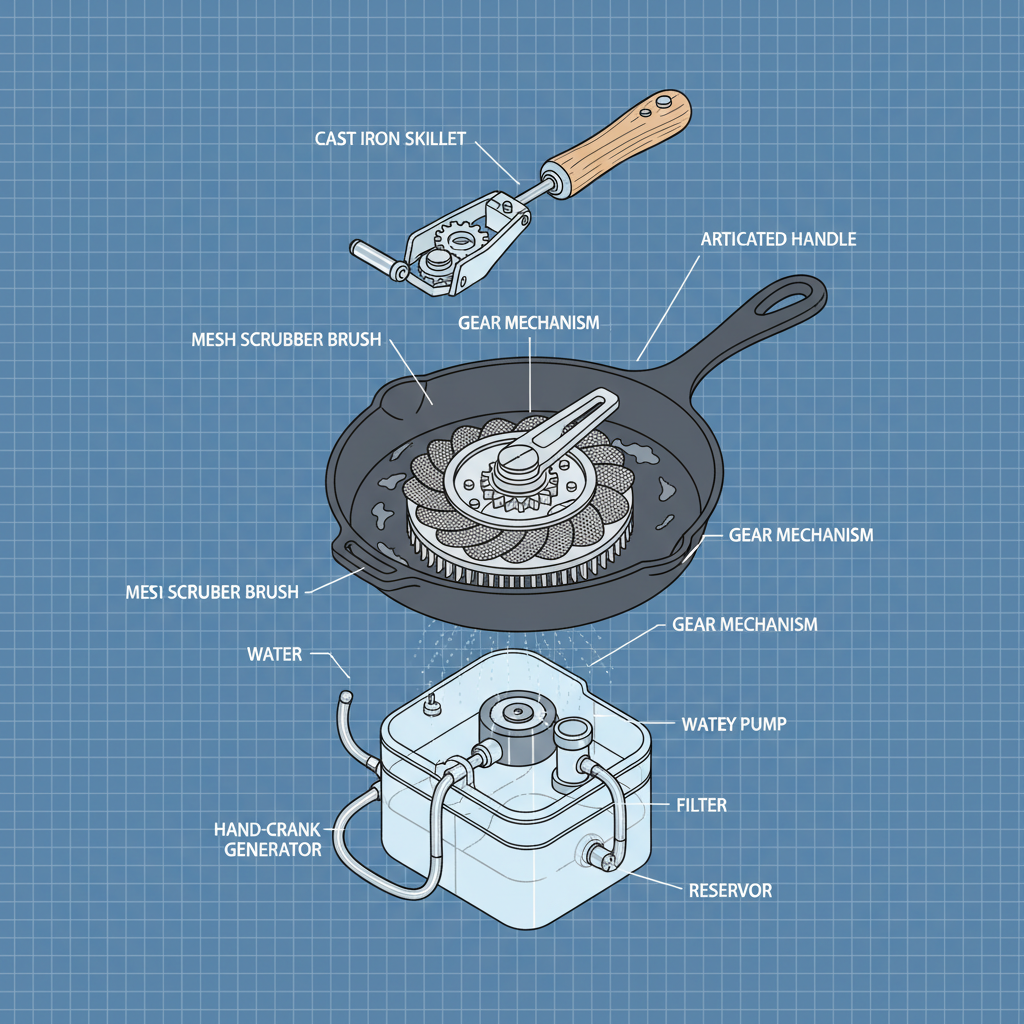
Why Clean Cast Iron While Camping?
Leaving food residue on your cast iron while camping can lead to rust, especially with exposure to moisture. Rust not only damages the cookware but also compromises its non-stick properties. Regular cleaning removes food particles and restores the seasoning, protecting the iron and ensuring optimal cooking performance. Furthermore, proper cleaning prevents unpleasant odors and keeps your campsite hygienic. Ignoring this step can significantly shorten the lifespan of your valuable cast iron.
Key Takeaway: Consistent cleaning, even in a basic way, prevents rust and maintains seasoning, preserving your cast iron’s longevity and performance.
The Quick Camp Clean: A Rinse and Wipe
For most camping situations, a quick clean is sufficient. Immediately after cooking, while the skillet is still warm (but not scalding hot!), rinse it with hot water. Use a non-abrasive sponge or cloth to wipe away any loose food particles. Avoid using soap unless absolutely necessary (more on that later). Then, thoroughly dry the skillet with a clean towel. A quick pass over a campfire can also help ensure it’s completely dry. Follow up with a very light coating of oil to protect the seasoning.
Essential Quick Clean Steps:
• Rinse with hot water immediately after cooking.
• Wipe away food particles with a non-abrasive sponge.
• Thoroughly dry with a clean towel or over a campfire.
• Apply a light coat of oil.
Dealing with Stubborn Food: Scraping and Boiling Water
Sometimes, a quick rinse isn’t enough. For stuck-on food, use a plastic or wooden scraper to gently remove the debris. Avoid metal utensils, as they can damage the seasoning. If scraping isn’t sufficient, add some water to the skillet and bring it to a boil over the campfire. This will loosen the food particles, making them easier to remove. Again, avoid using abrasive cleaners or scrub brushes.
When Soap is Necessary: And How to Minimize the Damage
While generally discouraged, soap may be necessary for removing greasy residue or lingering odors. If you must use soap, opt for a mild dish soap and use it sparingly. Rinse thoroughly with hot water to remove all traces of soap. Immediately dry the skillet and re-season it with a thin coat of oil. Avoid prolonged soaking in soapy water, as this can strip away the seasoning.
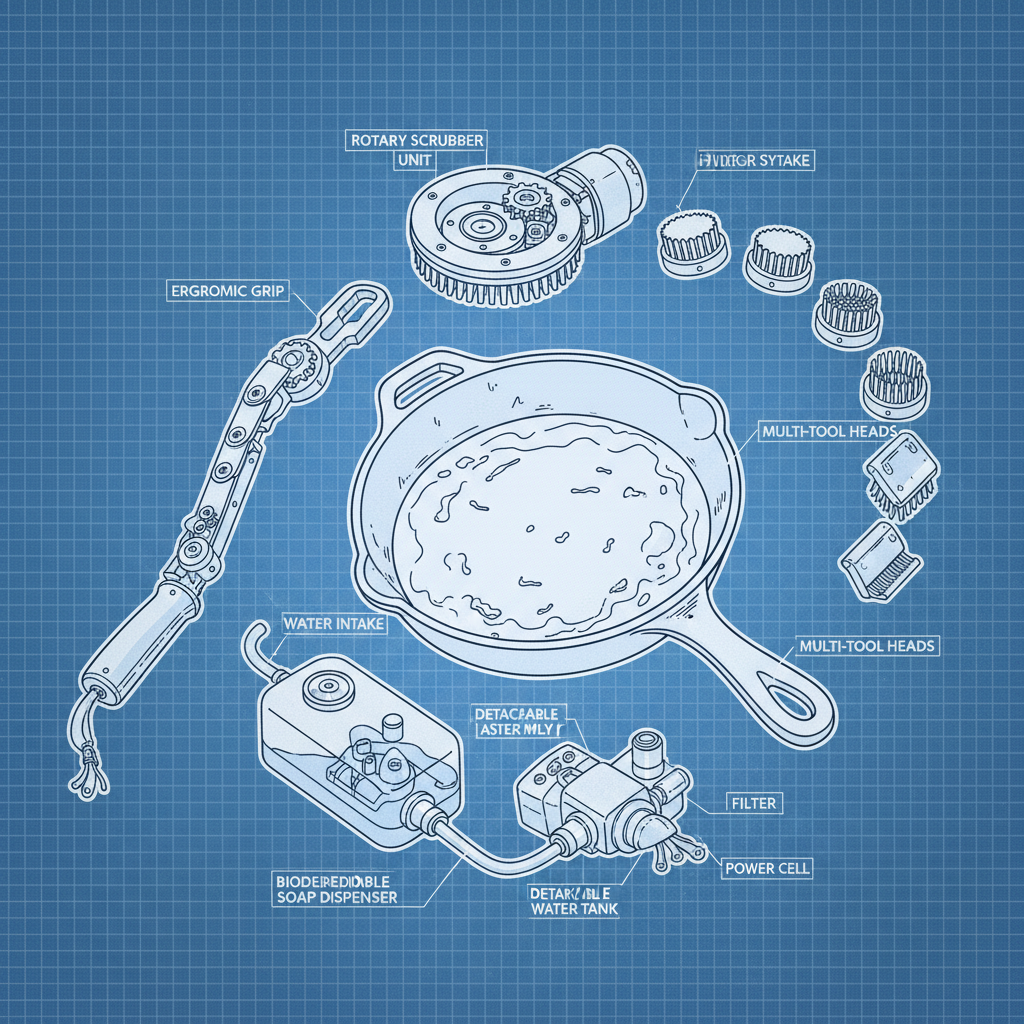
Preventing Rust: The Ultimate Camping Cast Iron Care
The best way to deal with rust is to prevent it from forming in the first place. After cleaning and drying, always apply a very light coat of cooking oil (vegetable, canola, or flaxseed oil work well). This creates a protective barrier against moisture. Store your cast iron in a dry place, protected from the elements. Consider wrapping it in a cloth or placing it inside a waterproof bag. Checking for any signs of rust regularly and addressing them promptly will ensure your cast iron skillet remains in excellent condition.
Conclusion: Enjoying Cast Iron on Your Camping Trips
With a little care and attention, you can enjoy the benefits of cast iron cookware on all your camping adventures. Remember to prioritize cleaning and seasoning, and you'll have a durable, reliable, and versatile cooking companion for years to come. Don't let the fear of maintenance prevent you from experiencing the joy of cooking with cast iron in the outdoors.
Frequently Asked Questions (FAQs)
Can I use steel wool to clean my cast iron while camping?
Absolutely not. Steel wool is far too abrasive and will strip away the seasoning, leaving your cast iron vulnerable to rust. Always opt for non-abrasive sponges, cloths, or plastic scrapers. Even chainmail scrubbers, while sometimes used at home, are generally too harsh for camping situations where you may not have the ability to fully re-season afterward. Protecting that seasoned layer is key to easy cleanup and non-stick cooking.
What type of oil is best for seasoning cast iron while camping?
Vegetable oil, canola oil, and flaxseed oil are all good choices for seasoning cast iron while camping. Flaxseed oil is often touted as the best, as it polymerizes (hardens) very well, creating a durable seasoning layer. However, it can be more expensive and requires careful application. Vegetable and canola oil are readily available and work perfectly well. Avoid using olive oil, as it can become sticky over time.
What should I do if my cast iron does rust while camping?
If you discover rust, don’t panic! Use a steel wool (in this case it is ok) or a sandpaper to gently remove the rust. Then, thoroughly wash the skillet, dry it completely, and re-season it with several thin coats of oil, baking it in the campfire (or on a stove if you’re back home) between each coat. It takes effort, but you can restore your cast iron to its former glory. It's crucial to address rust promptly to prevent further damage.
-
Mastering Outdoor Cooking with a Portable Dutch Oven GuideNewsApr.16,2026
-
Master Outdoor Cooking with the Oval Cast Iron Camp Oven GuideNewsApr.09,2026
-
Unlocking Flavorful Adventures with Outdoor Cooking with a Dutch OvenNewsApr.07,2026
-
Elevate Your Outdoor Cooking With A Premium Outdoor Cast Iron OvenNewsApr.04,2026
-
Discover the Benefits of a Cast Camp Oven for Outdoor CookingNewsMar.31,2026
-
Maximize Your Outdoor Cooking with a Camping Tripod and Dutch OvenNewsMar.28,2026