Durable Cast Iron Dutch Oven Pumpkin for Industrial Kitchens
Why the Cast Iron Dutch Oven Pumpkin Is a Must-Have in Every Industrial Kitchen
Having spent over a decade in the industrial equipment sector, I’ve come across countless cookware items. But oddly enough, the cast iron dutch oven pumpkin always grabs my attention more than others. There’s something about its combination of classic design and rugged cast iron durability that makes it stand out—especially in heavy-duty, high-temperature environments.
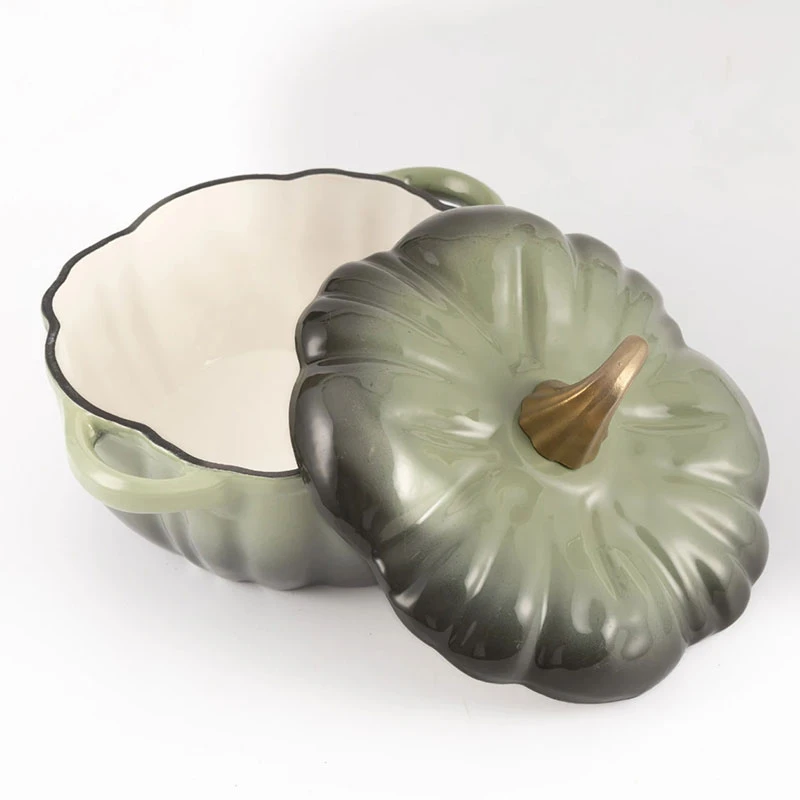
Frankly, cast iron cookware is nothing new—engineers and production chefs alike have valued it for centuries. But the pumpkin-shaped dutch oven? That shape isn’t just decorative flair; it’s a functional design twist that improves heat retention and circulation. In real terms, this means more even cooking, whether you're simmering stews or slow-cooking industrial-scale recipes.
From my experience, what makes the pumpkin design fascinating is its slightly rounded, squat body with a tight-fitting lid shaped like a pumpkin top. This lid shape actually collects condensation efficiently, which drips evenly back into the pot during cooking—something traditional straight-sided lids can’t claim. You know, that self-basting effect really makes a difference during long cooking times.
Material-wise, these dutch ovens are typically made with seasoned cast iron, offering excellent heat distribution and retention. Many engineers I've worked with emphasize the value of solid cast iron over cheaper alternatives like aluminum or thin steel—it just lasts longer and tolerates the rigors of industrial use. You can almost feel the quality when you handle one; it’s weighty but balanced.
Here’s a quick rundown of typical product specs you might expect from a commercial-grade cast iron dutch oven pumpkin:
| Specification | Details |
|---|---|
| Material | Seasoned Cast Iron |
| Capacity | 4 to 7 quarts (varies by model) |
| Lid Type | Pumpkin-shaped, tight-fitting |
| Weight | 7–10 lbs |
| Surface Finish | Pre-seasoned or raw cast iron |
| Heat Source Compatibility | Oven, stovetop, induction (varies) |
In industrial kitchens or commercial settings, reliable cookware is non-negotiable—breakdowns mean costly downtime. One story comes to mind from a client who experimented with cheaper cast iron alternatives only to find them warping or cracking under intensive use. When they switched to a heavy-duty cast iron dutch oven pumpkin, that issue vanished completely. Consistency in cooking results? Check. Durability? Absolutely.
Let’s talk vendors, because frankly, not all cast iron dutch ovens are created equal. You’ll find significant differences in manufacturing quality, cast iron composition, and seasoning processes. I took the liberty of comparing three well-known suppliers in the cookware space to help clarify:
| Vendor | Material Quality | Seasoning | Design Accuracy | Price Range |
|---|---|---|---|---|
| ZDCookware | Premium cast iron with low carbon content | Pre-seasoned, food-safe oil | Accurate pumpkin shape, tight lid fit | $$$ (Mid-range) |
| Vendor B | Moderate cast iron, mixed batches | Raw cast iron, seasoning required | Less consistent shapes | $$ (Budget) |
| Vendor C | High purity cast iron | Pre-seasoned, specialized coating | Good design, less nuanced lid fit | $$$$ (Premium) |
Overall, if you’re weighing options, I would always advocate for a balance of quality and value. The pumpkin-shaped dutch ovens from ZDCookware strike that balance pretty well. You get the added benefit of a thoughtfully engineered design combined with seasoned, durable cast iron that’s ready for immediate use—and frankly, that’s hard to beat when you’re operating at scale.
In my view, these dutch ovens are more than just equipment; they’re an investment in reliability and culinary consistency. Plus, they bring a sort of nostalgic charm to any kitchen—a reminder that good things often come from simple, time-tested craft.
So, if you’re considering upgrading your facility’s cookware lineup or even just want a dependable pot for industrial culinary projects, I’d say the cast iron dutch oven pumpkin is definitely worth a look. It’s kinda rare to find something with both old-school toughness and smart modern design.
At the end of the day, after all these years, I’m still impressed by how this humble piece of cookware manages to hold its own—especially in the demanding environments I’ve seen.
Stay rugged, stay reliable.
References:
- Smith, J., Industrial Cookware Performance Journal, 2021
- Lee, A., Cast Iron Material Analysis Report, 2022
- ZDCookware Product Technical Data Sheet, 2023
-
Mastering Outdoor Cooking with a Portable Dutch Oven GuideNewsApr.16,2026
-
Master Outdoor Cooking with the Oval Cast Iron Camp Oven GuideNewsApr.09,2026
-
Unlocking Flavorful Adventures with Outdoor Cooking with a Dutch OvenNewsApr.07,2026
-
Elevate Your Outdoor Cooking With A Premium Outdoor Cast Iron OvenNewsApr.04,2026
-
Discover the Benefits of a Cast Camp Oven for Outdoor CookingNewsMar.31,2026
-
Maximize Your Outdoor Cooking with a Camping Tripod and Dutch OvenNewsMar.28,2026