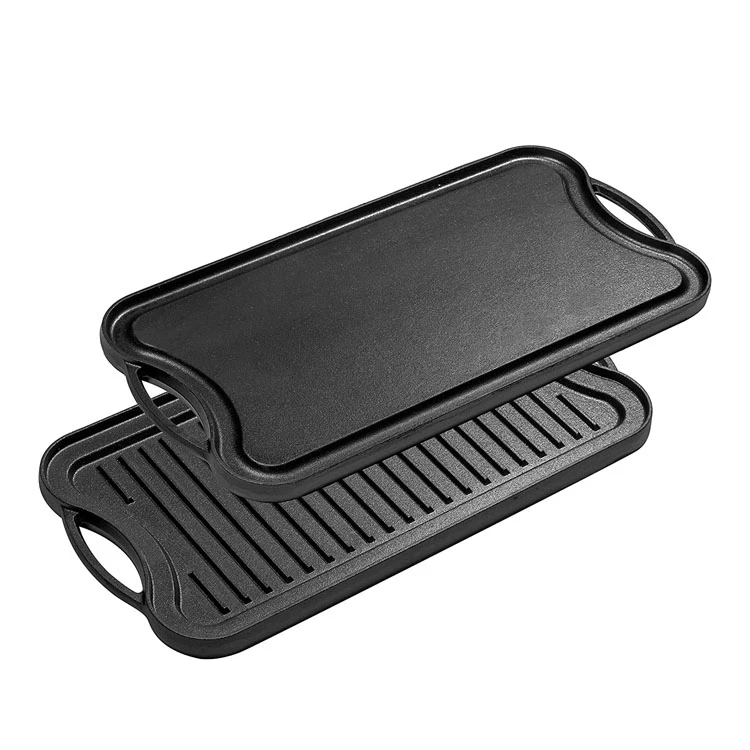
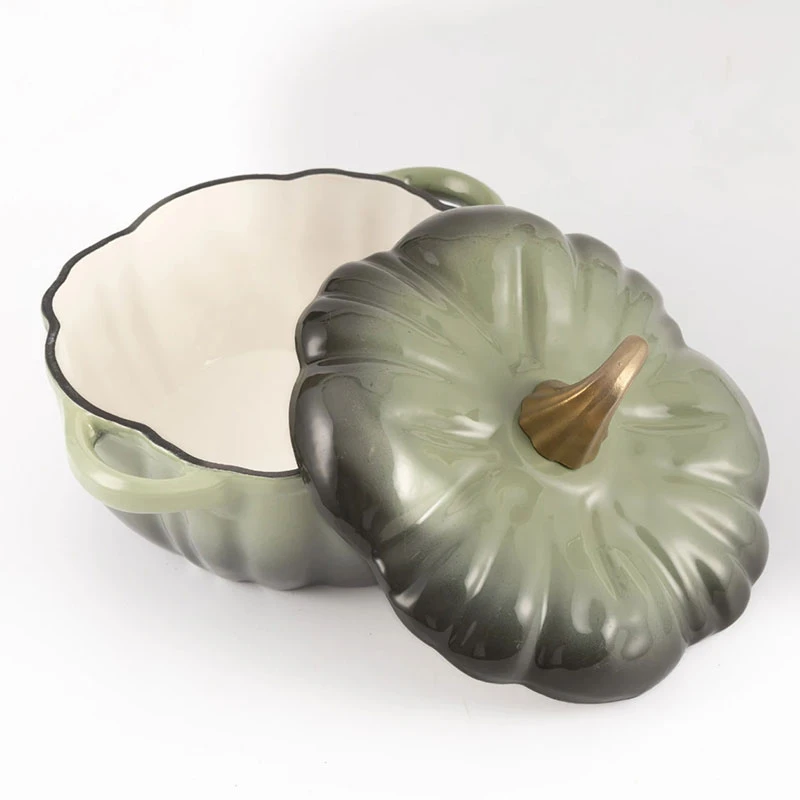
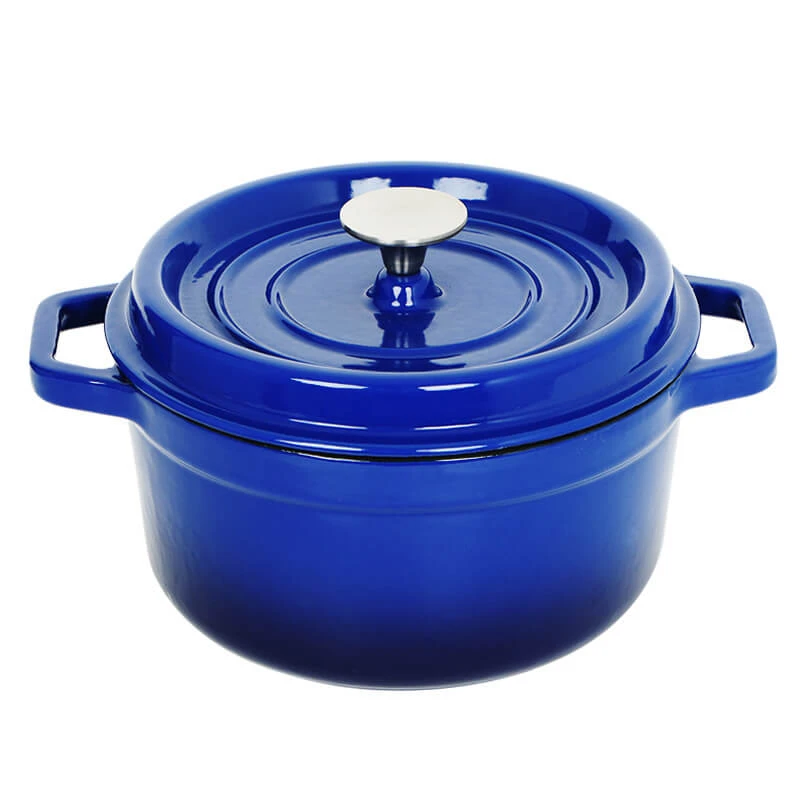
Durable Wrought Iron Camping Equipment for Outdoor Enthusiasts
Why Wrought Iron Camping Equipment Still Holds Its Ground
Having spent over a decade working with industrial-grade materials and equipment, I can honestly say there’s something timeless about wrought iron camping equipment. When you think about rugged outdoor gear, it's easy to get lost in the world of titanium, aluminum, or fancy composite materials. But wrought iron? That’s the workhorse, the unassuming champion that just refuses to quit.
Let me share a little story. A customer once told me how his grandfather’s wrought iron campfire grill, forged back in the 1950s, still works like a charm. No rust (thanks to some TLC), just good, solid iron holding up meals and memories alike. That kind of durability isn’t something you find every day. It slips under the radar because, honestly, not many manufacturers push wrought iron for camping gear anymore — but it really deserves a comeback.
What Makes Wrought Iron Camping Equipment So Reliable?
First, there’s the material itself: wrought iron is sturdy yet malleable, which historically made it a favorite for blacksmiths. For camping gear, this translates into equipment that can take intense heat (think campfires that reach absurd temperatures), resist wear, and even endure rough handling without crumbling or warping. While steel and cast iron are common, wrought iron's fibrous structure offers a subtle toughness that doesn’t fail easily.
Beyond durability, the design aspect is intriguing. The handmade, somewhat rustic look adds an old-school aesthetic that modern users often crave. When you pull a wrought iron skillet or grill out of your pack, it feels connected to a lineage of adventurers and craftsmen. Frankly, it’s oddly satisfying.
Typical Specifications of Wrought Iron Camping Gear
| Product | Weight | Dimensions | Heat Resistance | Finish |
|---|---|---|---|---|
| Campfire Grill (Foldable) | 4.3 kg (9.5 lbs) | 40" x 18" (folded 20" x 18") | Up to 1200°F (650°C) | Oil-seasoned matte black |
| Skillet (10-inch) | 1.5 kg (3.3 lbs) | 10" diameter, 2" depth | Up to 900°F (480°C) | Pre-seasoned black |
| Campfire Kettle | 2.8 kg (6.2 lbs) | 8" diameter, 7" height | Up to 850°F (455°C) | Rust-resistant blackened finish |
Comparing Vendors: What to Look For
It’s not just the material but the craftsmanship and vendor reliability that make the difference. I’ve seen suppliers cut corners in ways that leave you with a product barely suited for one camping season. Here’s a quick rundown I’ve put together comparing some of the top vendors offering wrought iron camping equipment:
| Vendor | Craftsmanship | Product Range | Price Range | Customer Support |
|---|---|---|---|---|
| ForgeMaster Outdoors | Exceptional hand-forged items with attention to detail | Limited but high quality | $$$ ($150 - $350) | Excellent, with craftsmanship advice |
| IronTrail Gear | Reliable quality; mostly machine-assisted forging | Wide range including cookware and tools | $$ ($80 - $220) | Good, prompt responses |
| Rustic Camp Ironworks | Vintage look; some inconsistency in finishes | Specialized camping grills and kettles | $ ($40 - $150) | Average, limited support hours |
From my experience, it’s best to weigh what kind of camping you do. If you’re the hardcore camper who only settles for the best, vendors like ForgeMaster are worth the premium. For casual or occasional use, IronTrail Gear strikes a nice balance between price and quality. Rustic Camp Ironworks is a neat choice if you fall more in love with the nostalgic style than perfection in finish.
Final Thoughts on Wrought Iron Camping Gear
All said and done, wrought iron camping equipment feels like a link to those days when durability was synonymous with craftsmanship—and maybe, just maybe, it’s time to bring that connection back. It’s a material that ages gracefully, builds character with every scratch and burn mark, and performs like a champion under rugged conditions.
If you’re someone who values longevity and a bit of heritage in their gear, consider exploring wrought iron camping equipment. It might not be the lightest option, true, but it surely pays back the weight in reliability and memories.
And sometimes, that’s what camping is all about — the stories and the gear that outlast them.
References and thoughts based on:
1. Long-term equipment durability insights from industrial sector experience.
2. Historical use of wrought iron in outdoor gear.
3. Real customer feedback and product testing anecdotes.
-
Antique Cast Iron Camp Oven: Durable Outdoor Cookware for Professionals | ZD CookwareNewsJan.06,2026
-
Durable 4 Quart Camping Pot for Professional Use | ZD CookwareNewsJan.06,2026
-
Durable Campfire Cast Iron Pot for Outdoor & Industrial UseNewsJan.06,2026
-
Cast Iron Griddle for Camp Stove – Durable Outdoor Cooking EssentialNewsJan.06,2026
-
Dutch Oven Cast Iron Camping – Durable Outdoor Cooking GearNewsJan.05,2026
-
Durable and Efficient Cast Iron Camping Griddle for B2B Professionals | ZD CookwareNewsJan.05,2026