Elevate Outdoor Cooking with a Campfire Cast Iron Camp Oven Guide
Campfire Cast Iron Camp Oven: Your Guide to Outdoor Cooking
Planning a camping trip and dreaming of delicious, hearty meals cooked over an open fire? A campfire cast iron camp oven is the ultimate tool for outdoor culinary adventures. These ovens offer exceptional heat retention and versatility, allowing you to bake, roast, and stew your favorite dishes while enjoying the great outdoors. This comprehensive guide will explore the benefits of using a campfire oven, key features to look for, and how to choose the perfect one for your needs. Elevate your camping cuisine with the enduring quality and performance of a cast iron oven.
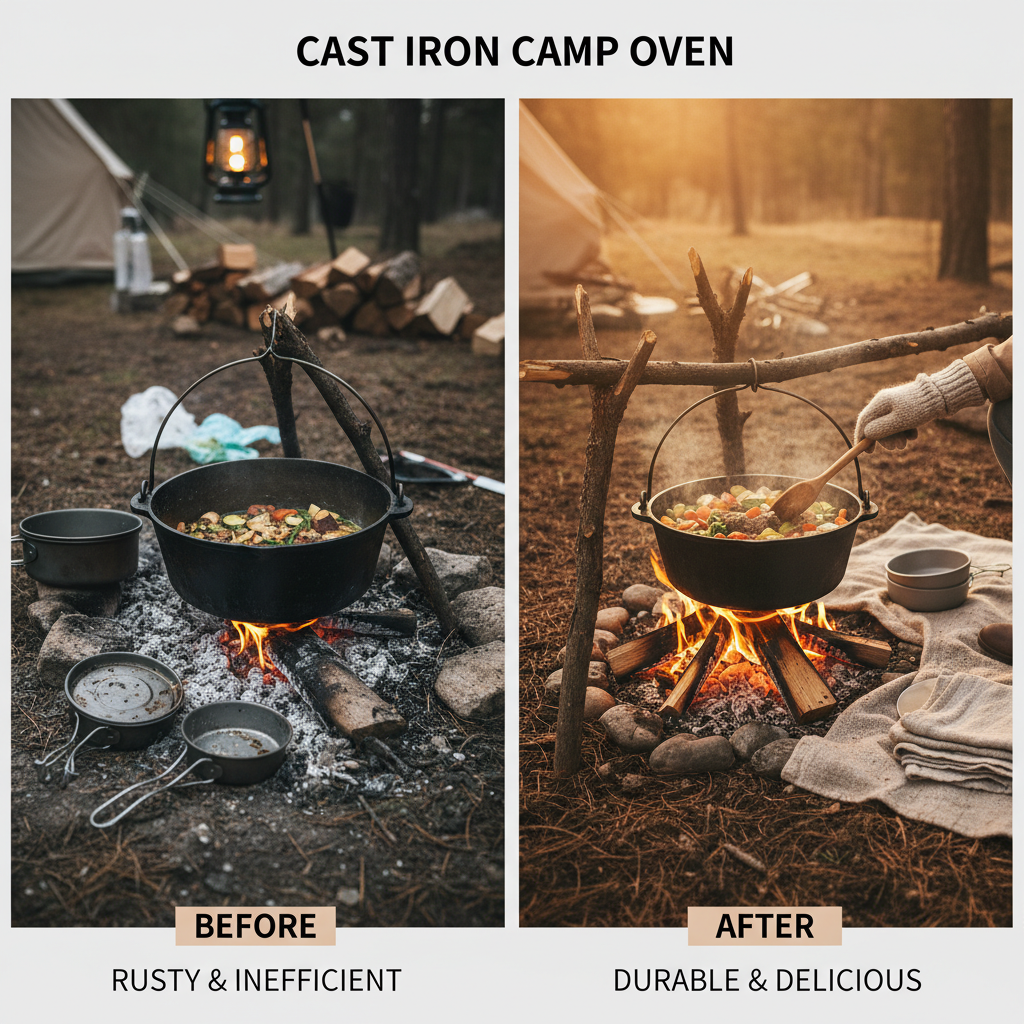
Why Choose a Campfire Cast Iron Camp Oven?
Cast iron ovens excel in outdoor cooking due to their unparalleled heat retention. This means consistent temperatures, crucial for baking breads, cakes, and even pizzas while camping. Unlike thinner metal alternatives, cast iron distributes heat evenly, preventing hot spots and ensuring thorough cooking. Furthermore, a well-seasoned cast iron oven is naturally non-stick, simplifying cooking and cleanup. Its durability ensures it will last for years with proper care, making it a worthwhile investment for any outdoor enthusiast. Cooking with a campfire oven unlocks a world of culinary possibilities beyond simple campfire meals.
Key Benefits: Exceptional heat retention, even heat distribution, natural non-stick surface, durability, versatility for baking, roasting, and stewing.
Essential Features to Look for in a Campfire Cast Iron Camp Oven
When selecting a campfire oven, several key features should influence your decision. Consider the size – larger ovens are ideal for groups, while smaller ones are better for solo campers or couples. Look for ovens with legs for stable placement directly on coals or a campfire grate. A bail handle is essential for lifting and transporting the oven safely. Some ovens come with accessories like lifter tools and thermometers for added convenience. Pay attention to the quality of the cast iron – thicker cast iron offers superior heat retention and durability. Selecting the right features will make a significant difference in your outdoor cooking experience.
Key Features Checklist:
• Size (capacity for your group)
• Legs for stable placement
• Bail handle for safe lifting
• Accessory compatibility (lifters, thermometers)
Campfire Cast Iron Camp Oven vs. Dutch Oven: What’s the Difference?
While often used interchangeably, a campfire cast iron camp oven and a Dutch oven have distinct differences. A camp oven typically features legs, allowing it to sit directly on coals, providing 360-degree heat. A Dutch oven, while also cast iron, generally has a wider body and is designed to be used with a tripod or placed on a grate. Camp ovens prioritize even baking, while Dutch ovens excel in stewing and braising. The choice between the two depends on your preferred cooking methods and camping style. Zdcookware offers both styles to cater to diverse outdoor cooking preferences.
Choosing the Right Size: Camp Oven Capacity Guide
Selecting the appropriate size camp oven is crucial for a successful cooking experience. Here's a general guide to help you determine the best capacity based on the size of your group:
Conclusion: Embrace the Flavor of the Outdoors
A campfire cast iron camp oven is more than just cookware; it's a gateway to unforgettable outdoor dining experiences. Its durability, versatility, and ability to deliver delicious, home-style meals in the wilderness make it an essential companion for any camping adventure. Explore the range of options at Zdcookware and start planning your next culinary journey under the stars!
Frequently Asked Questions (FAQs)
How do I season a campfire cast iron camp oven?
Seasoning is vital to prevent rust and create a natural non-stick surface. Begin by washing the oven with warm, soapy water and drying it thoroughly. Apply a thin, even coat of cooking oil (like flaxseed or vegetable oil) to all surfaces, inside and out. Place the oven upside down in a preheated oven at 350-400°F (175-200°C) for at least an hour. Allow it to cool completely before use. Repeat this process several times to build up a robust seasoning layer. Regular use and proper cleaning will maintain the seasoning over time.
How do I clean a cast iron camp oven after use?
Avoid using harsh detergents or abrasive scrubbers, as they can damage the seasoning. While the oven is still warm (not hot!), scrape out any food residue with a plastic scraper. Add a little warm water and scrub gently with a soft brush or sponge. Dry the oven thoroughly with a clean cloth. Apply a thin coat of oil after drying to prevent rust. If food is stuck on stubbornly, you can simmer water in the oven for a few minutes to loosen it.
What kind of fuel is best for cooking with a camp oven?
Hardwood charcoal is an excellent choice for consistent, even heat. Alternatively, you can use seasoned hardwood logs, but ensure they are burning down to coals before placing the oven on top. Avoid using softwoods like pine, as they produce a lot of smoke and can impart an undesirable flavor to your food. Distributing the coals evenly around and on top of the oven is key to achieving optimal cooking temperatures.
Can I use a campfire cast iron oven on a gas grill?
While technically possible, it’s not ideal. A gas grill doesn’t replicate the all-around heat distribution of coals. You may encounter uneven cooking. However, if you must use a gas grill, place the oven on a diffuser or heat-resistant surface to protect the grill’s components and create more even heating. Direct campfire cooking remains the most authentic and effective way to utilize a cast iron camp oven.
-
Mastering Outdoor Cooking with a Portable Dutch Oven GuideNewsApr.16,2026
-
Master Outdoor Cooking with the Oval Cast Iron Camp Oven GuideNewsApr.09,2026
-
Unlocking Flavorful Adventures with Outdoor Cooking with a Dutch OvenNewsApr.07,2026
-
Elevate Your Outdoor Cooking With A Premium Outdoor Cast Iron OvenNewsApr.04,2026
-
Discover the Benefits of a Cast Camp Oven for Outdoor CookingNewsMar.31,2026
-
Maximize Your Outdoor Cooking with a Camping Tripod and Dutch OvenNewsMar.28,2026