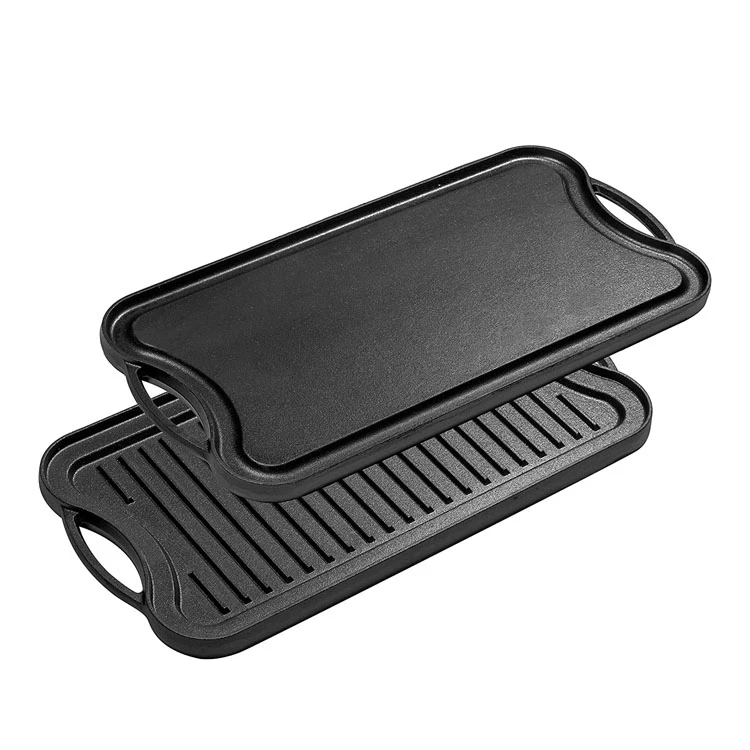
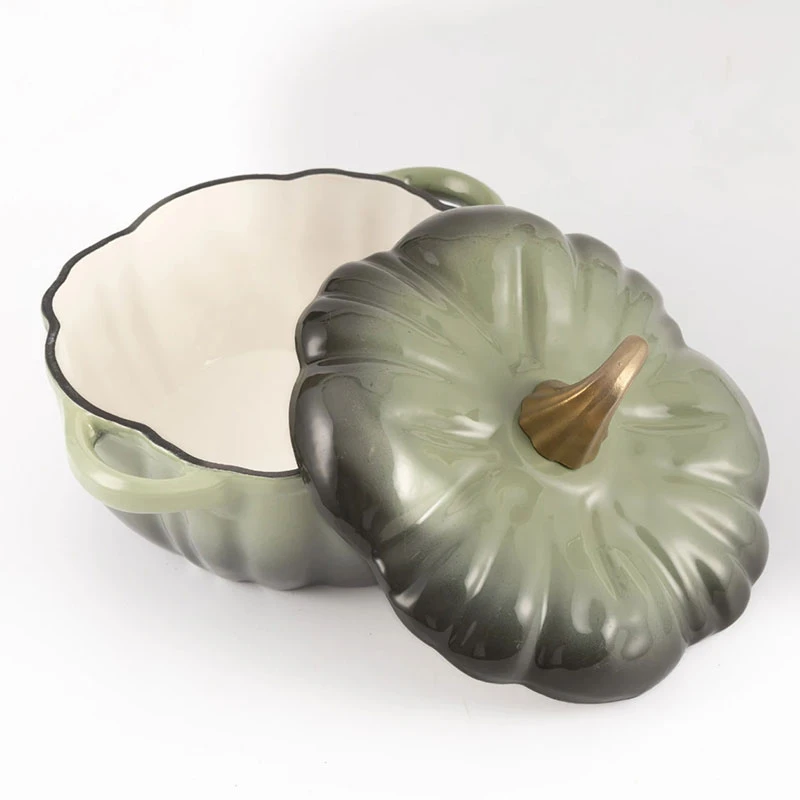
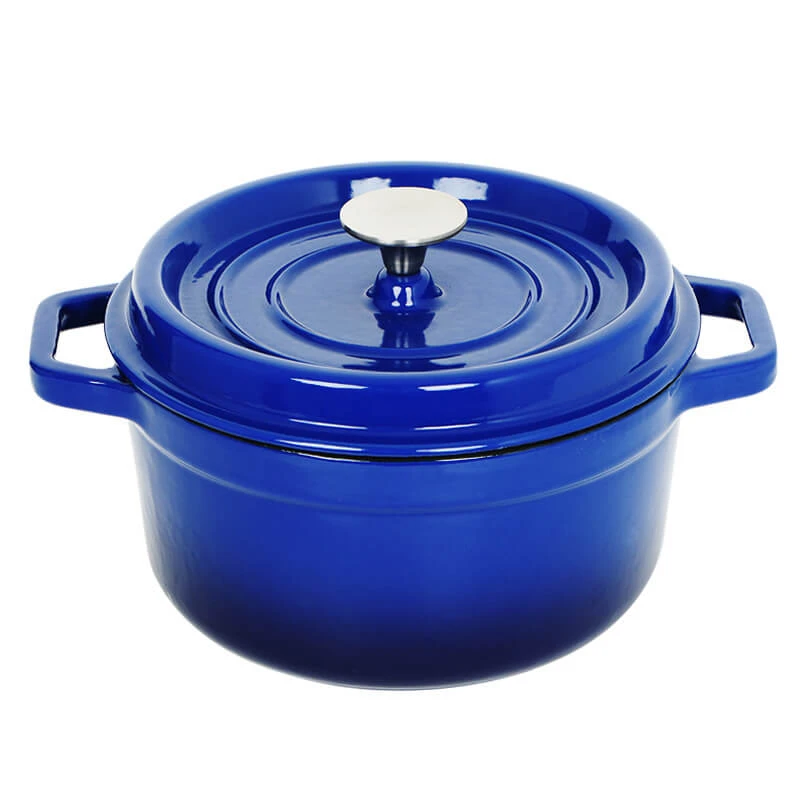
Elevate Your Outdoor Dining with Campfire Cooking with Cast Iron Dutch Oven
Campfire Cooking with Cast Iron Dutch Oven
There's something primal and deeply satisfying about cooking over an open fire. And when it comes to campfire cooking, nothing beats the versatility and durability of a cast iron Dutch oven. From hearty stews and savory roasts to perfectly baked breads and decadent desserts, a Dutch oven allows you to create incredible meals while enjoying the great outdoors. This guide will explore the benefits, techniques, and essential tips for successful campfire cooking with cast iron dutch oven. Get ready to elevate your outdoor dining experience!
Why Choose a Dutch Oven for Campfire Cooking?
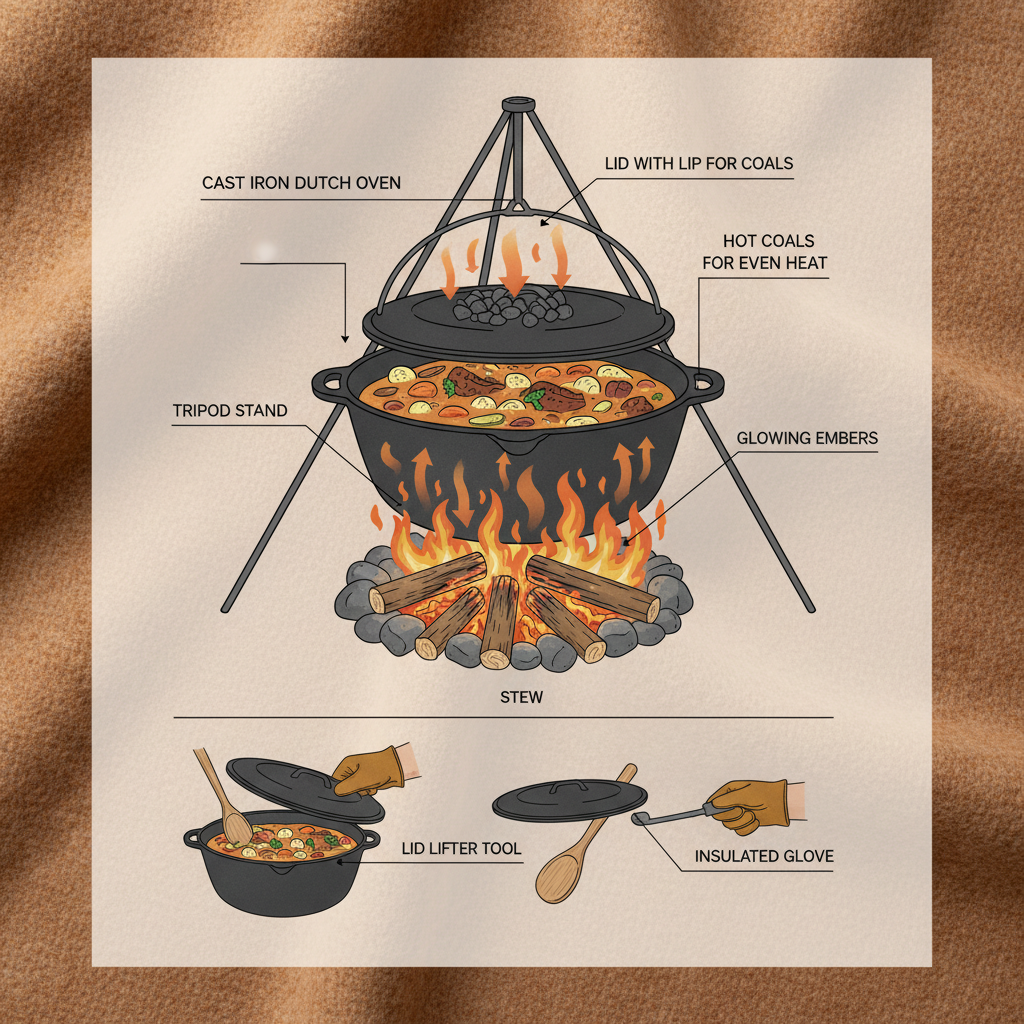
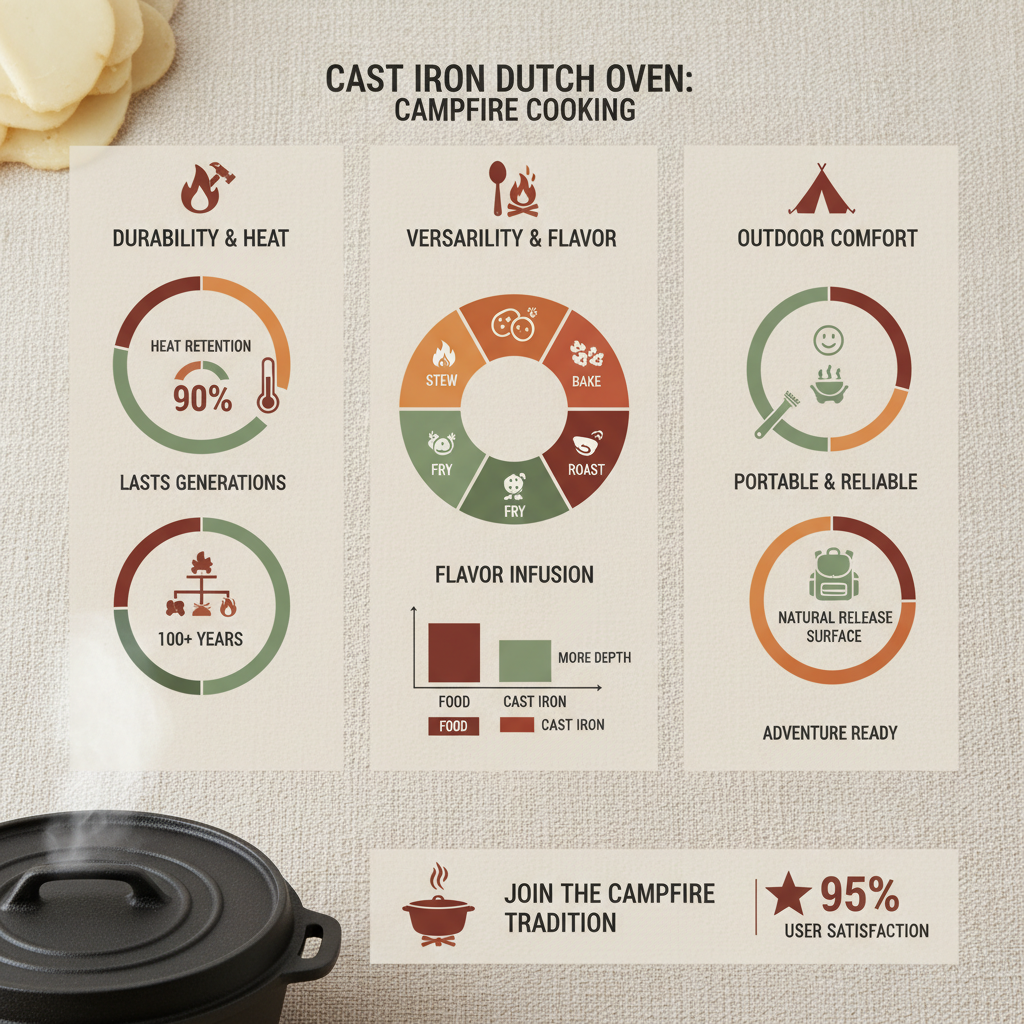
The unique properties of cast iron make it ideal for campfire cooking. Its excellent heat retention ensures even cooking, even with the fluctuating temperatures of an open flame. Cast iron also distributes heat remarkably well, preventing hot spots that can burn your food. Furthermore, a Dutch oven is incredibly durable and can withstand the rigors of outdoor use. Unlike other cookware, it's built to last for generations, becoming a cherished family heirloom. The thick walls also mean it can handle the direct heat of coals exceptionally well, allowing for baking, searing, and slow cooking.
Key Benefits: Excellent heat retention, even heat distribution, exceptional durability, versatile cooking methods, and a long lifespan.
Essential Techniques for Campfire Dutch Oven Cooking
Mastering campfire Dutch oven cooking involves understanding a few key techniques. One of the most important is coal placement. The number of coals placed on top of the Dutch oven versus underneath determines the cooking temperature. A general rule of thumb is a 2:1 ratio (twice as many coals on top as underneath) for baking and a 1:2 ratio for searing or frying. Another crucial technique is "seasoning" your Dutch oven, which creates a natural non-stick surface. This involves coating the Dutch oven with oil and baking it at a high temperature. Regularly seasoning your Dutch oven will prevent rust and improve its cooking performance.
Coal Placement Guide:
• Baking: 2/3 coals on top, 1/3 coals underneath
• Stewing/Simmering: 1/3 coals on top, 2/3 coals underneath
• Frying/Searing: 1/4 coals on top, 3/4 coals underneath
Campfire Cooking with Cast Iron Dutch Oven: Recipe Ideas
The possibilities are endless when it comes to recipes. A classic campfire Dutch oven meal is a hearty beef stew, cooked low and slow until the meat is tender and the vegetables are flavorful. You can also bake delicious cobblers or breads directly in the Dutch oven. For a more rustic approach, try cooking a whole chicken or roast directly over the coals. Don't forget about breakfast! Dutch ovens are perfect for making pancakes, bacon, and scrambled eggs. Explore different recipes and experiment with flavors to discover your own campfire favorites. Looking for the perfect Dutch oven? Check out the selection at ZD Cookware!
Choosing the Right Dutch Oven
Dutch ovens come in various sizes and materials. For campfire cooking, a 12-inch Dutch oven is a versatile choice, suitable for most meals. Consider a Dutch oven with legs, as this allows you to place it directly over coals without needing a tripod. The lid is also an important feature; a lid with a raised rim is ideal for holding coals on top for baking. At ZD Cookware, you'll find a wide selection of high-quality cast iron Dutch ovens to suit your needs.
Care and Maintenance for Longevity
Proper care will ensure your Dutch oven lasts a lifetime. After each use, clean the Dutch oven with hot water and a stiff brush. Avoid using soap, as it can strip away the seasoning. Dry the Dutch oven thoroughly and apply a light coat of oil to prevent rust. Store the Dutch oven in a dry place. Regular seasoning will maintain the non-stick surface and protect the cast iron from corrosion. With a little care, your Dutch oven will become a trusted companion for countless campfire adventures.
Conclusion: Embrace the Tradition of Campfire Cooking
Campfire cooking with a cast iron dutch oven is a rewarding experience that connects you with nature and tradition. With the right techniques, recipes, and a quality Dutch oven from ZD Cookware, you can create unforgettable meals under the stars. So, gather your ingredients, build a fire, and start cooking!
Frequently Asked Questions (FAQs)
What's the best way to season a cast iron Dutch oven?
The best way to season a Dutch oven is to coat it thoroughly with a thin layer of cooking oil (like vegetable, canola, or flaxseed oil). Then, place it upside down in a preheated oven at 350-400°F (175-200°C) for at least an hour. Place a baking sheet on the rack below to catch any drips. Repeat this process 2-3 times for a good base seasoning. Regular use also contributes to seasoning – the more you cook with it, the better it becomes!
How do I prevent food from sticking to my Dutch oven while campfire cooking?
Ensure your Dutch oven is well-seasoned. Use enough oil or fat when cooking. Preheat the Dutch oven gradually over the coals before adding food. Avoid using metal utensils, as they can scratch the seasoning. If food does stick, gently simmer some water in the Dutch oven to loosen it before cleaning.
Can I use my Dutch oven on a gas grill?
While a Dutch oven is primarily designed for open flame or oven use, you can use it on a gas grill, but with caution. Ensure the grill has a burner that provides even heat distribution. Avoid direct high heat, as it could damage the seasoning or the Dutch oven itself. Use a lower setting and monitor the temperature closely.
What size Dutch oven is best for a family of four?
For a family of four, a 6-quart or 8-quart Dutch oven is generally a good size. A 6-quart is suitable for smaller meals or side dishes, while an 8-quart offers more capacity for larger roasts or stews. Consider the types of meals you typically cook when choosing the size.
-
Mastering Outdoor Cooking with a Portable Dutch Oven GuideNewsApr.16,2026
-
Master Outdoor Cooking with the Oval Cast Iron Camp Oven GuideNewsApr.09,2026
-
Unlocking Flavorful Adventures with Outdoor Cooking with a Dutch OvenNewsApr.07,2026
-
Elevate Your Outdoor Cooking With A Premium Outdoor Cast Iron OvenNewsApr.04,2026
-
Discover the Benefits of a Cast Camp Oven for Outdoor CookingNewsMar.31,2026
-
Maximize Your Outdoor Cooking with a Camping Tripod and Dutch OvenNewsMar.28,2026