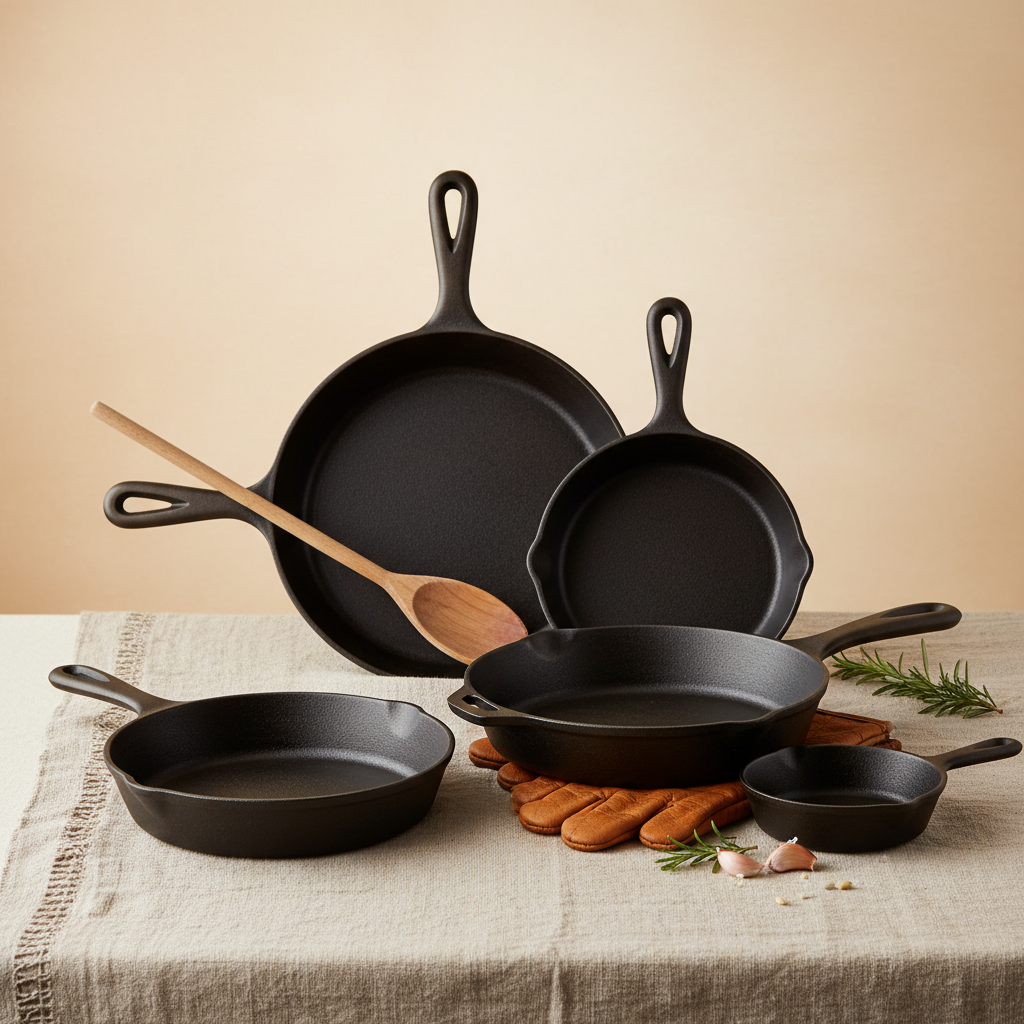
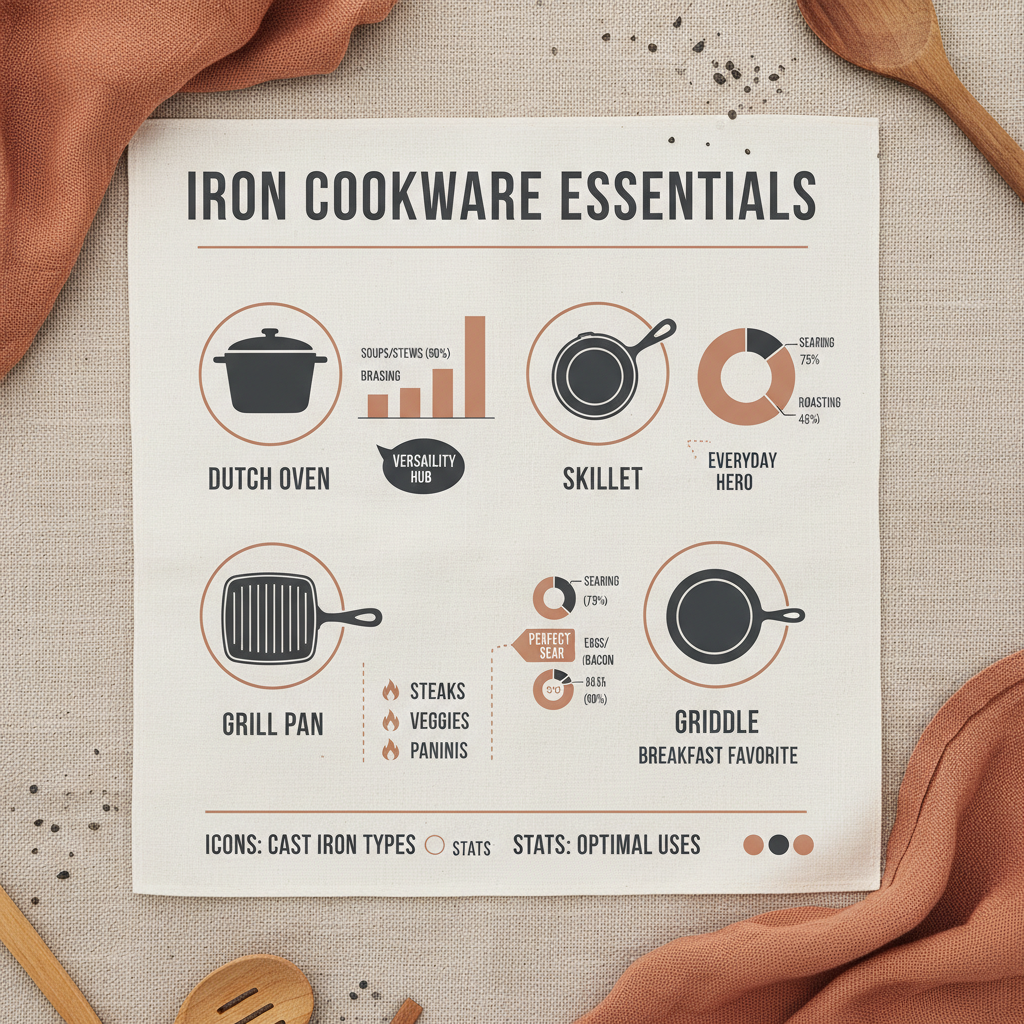
Different types of cast iron skillets have been culinary staples for centuries, renowned for their durability, heat retention, and versatility. From the classic, all-purpose skillets used daily in homes to specialized Dutch ovens for braising and baking, the world of cast iron cookware is surprisingly diverse. Understanding these differences is crucial for both novice cooks and seasoned chefs seeking to optimize their cooking experience and invest in cookware that will last a lifetime. The ongoing demand showcases their timeless appeal, even amidst modern alternatives.
Globally, cast iron skillets transcend cultural boundaries, appearing in kitchens across continents. The United Nations Sustainable Development Goals, particularly those related to sustainable consumption and production (Goal 12), resonate with the longevity of cast iron – a single skillet can be passed down through generations, reducing the need for frequent replacements. Furthermore, in regions where access to consistent energy sources is limited, the heat retention properties of cast iron are especially valuable, allowing for efficient cooking with minimal fuel.
The enduring popularity of cast iron stems from its unique characteristics and relatively affordable price point. This has led to a resurgence in recent years, driven by a renewed appreciation for traditional cooking methods and a desire for cookware that performs reliably.
The Defining Characteristics of different types of cast iron skillets
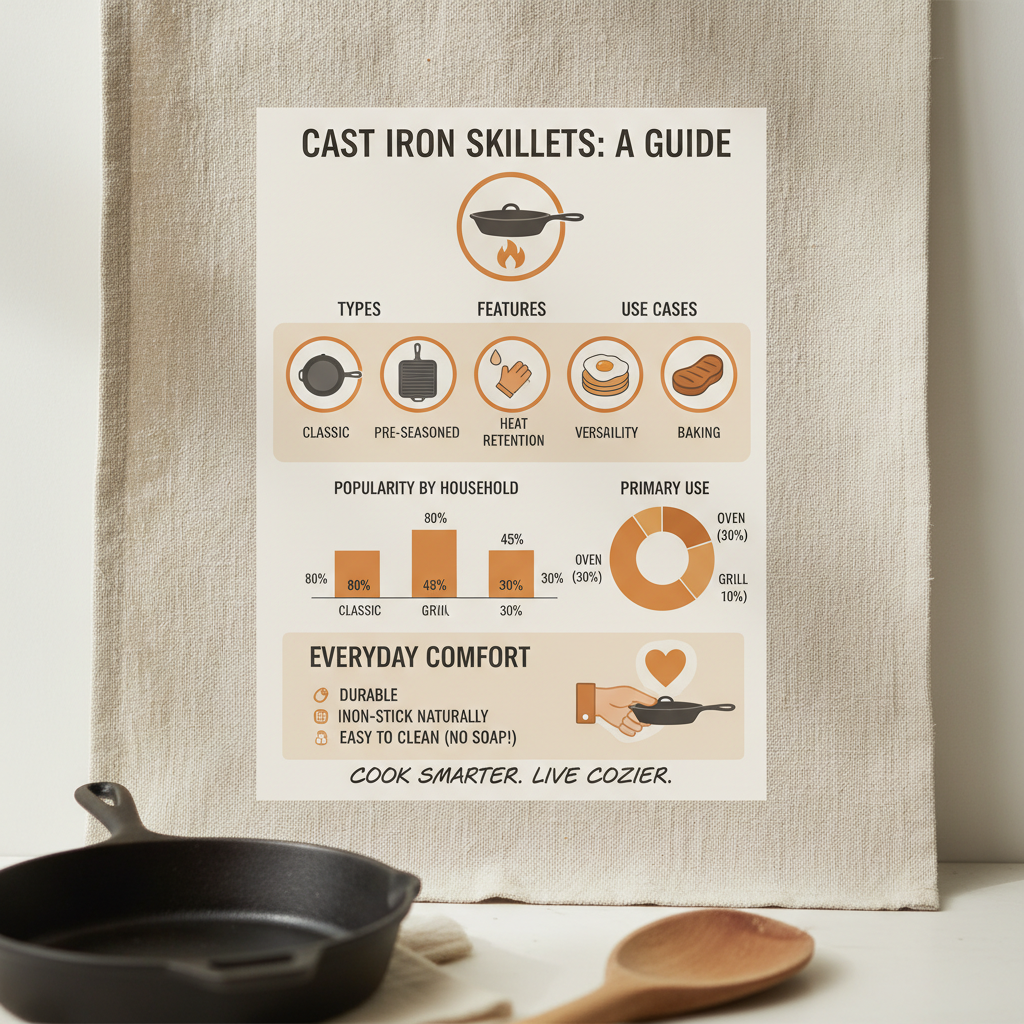
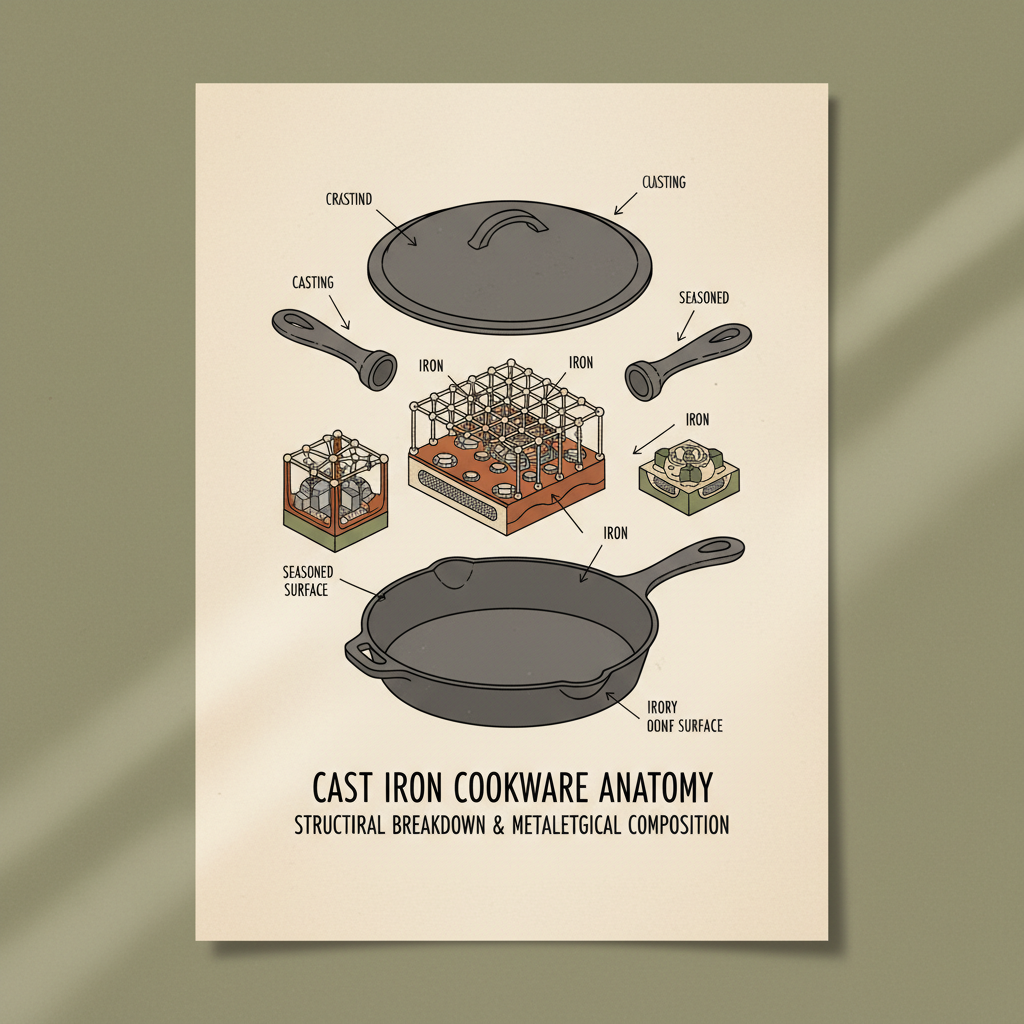
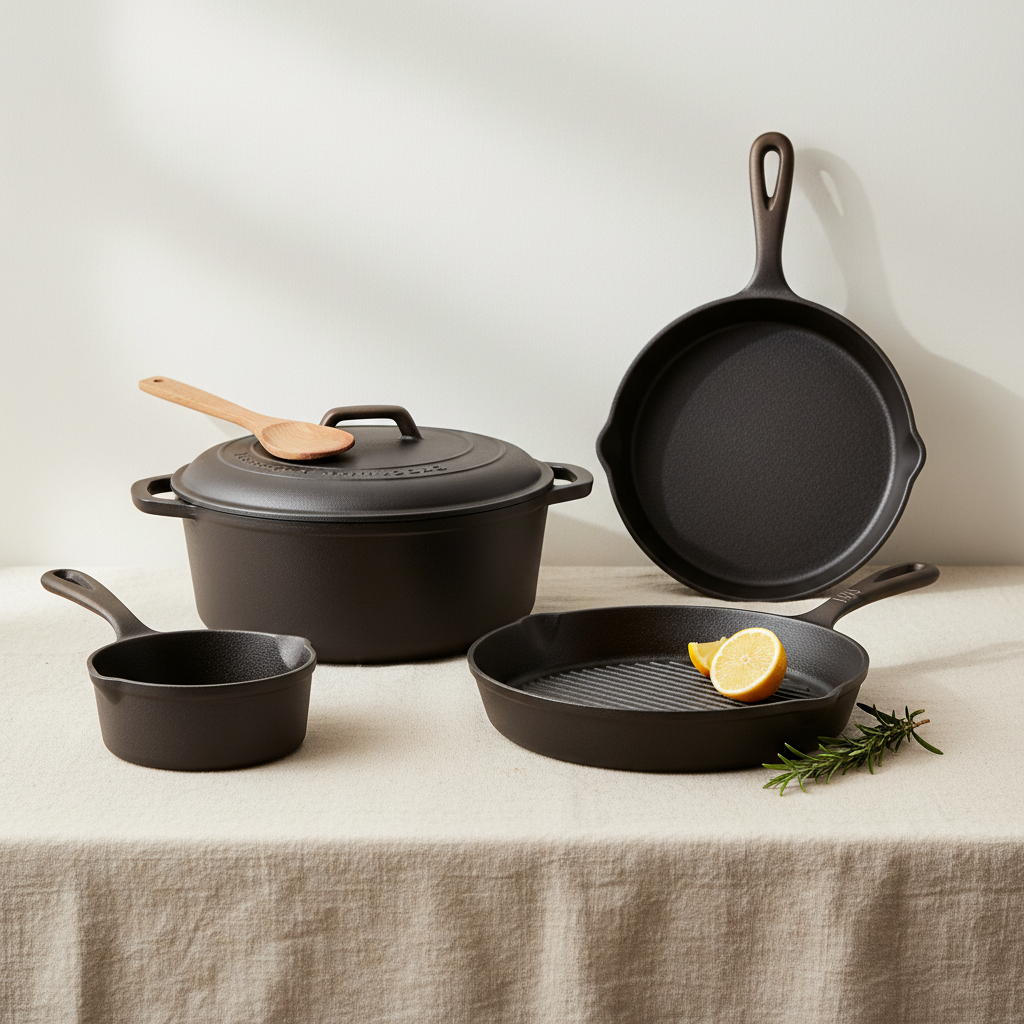
Different types of cast iron skillets are categorized primarily by their manufacturing process and surface treatment. The three main types are traditional (rough), seasoned (pre-seasoned), and enameled cast iron. Traditional skillets require seasoning, a process of baking oil into the iron to create a non-stick surface. Seasoned skillets come pre-coated, reducing initial maintenance. Enameled skillets have a porcelain enamel coating, eliminating the need for seasoning and offering easier cleaning.
Each type offers unique advantages. Traditional skillets develop the best non-stick surface over time with proper care, while enameled skillets are more resistant to rust and offer a wider range of colors. Understanding these differences allows consumers to choose the skillet that best suits their cooking style and lifestyle.
The Historical Development of different types of cast iron skillets
The history of cast iron cookware dates back centuries, with evidence of iron casting found in ancient China. However, the modern cast iron skillet as we know it began to emerge in the 19th century, particularly in the United States. Early American colonists relied heavily on cast iron for its durability and ability to distribute heat evenly. Companies like Griswold and Wagner became prominent manufacturers, producing highly sought-after skillets that are now collector’s items.
The popularity of cast iron peaked in the early 20th century, but declined with the advent of non-stick cookware in the mid-20th century. However, a renewed appreciation for cast iron’s benefits has fueled a resurgence in recent decades, driven by a desire for healthier cooking options and a connection to culinary traditions.
Throughout history, different types of cast iron skillets have adapted to changing culinary practices, from wood-burning stoves to modern induction cooktops, demonstrating its remarkable versatility.
Material Composition and Manufacturing Processes of different types of cast iron skillets
Cast iron itself is an alloy primarily composed of iron, carbon, and silicon. The specific proportions of these elements influence the skillet’s hardness, brittleness, and heat retention capabilities. Manufacturing typically involves melting iron ore, adding these alloying elements, and pouring the molten metal into molds.
The molding process varies depending on the desired skillet type. Traditional skillets are often made using sand casting, which results in a slightly rough surface. Seasoned skillets undergo an additional process of oil seasoning before being sold. Enameled skillets require a more complex process, involving applying multiple layers of porcelain enamel and firing at high temperatures to create a durable, glossy finish.
Modern manufacturing techniques, such as automated molding and quality control measures, have improved the consistency and reliability of cast iron skillets, making them more accessible and affordable than ever before.
Performance Metrics of different types of cast iron skillets
Evaluating different types of cast iron skillets requires considering several performance metrics. Heat retention is a key factor, with cast iron consistently outperforming other cookware materials. This even heat distribution prevents hot spots and ensures consistent cooking results.
Another important metric is thermal responsiveness – how quickly the skillet heats up. While cast iron takes longer to heat than some materials, its ability to maintain a consistent temperature throughout the cooking process is a significant advantage.
Performance Comparison of different types of cast iron skillets
Global Applications and Cultural Significance of different types of cast iron skillets
Across the globe, different types of cast iron skillets hold unique cultural significance. In the Southern United States, cast iron cooking is deeply ingrained in culinary traditions, with families passing down skillets through generations. In Japan, tetsubin (cast iron kettles) are used for brewing tea, prized for their ability to enhance the flavor of the water.
In many rural communities worldwide, cast iron skillets remain a practical and affordable cooking solution, especially where access to modern appliances is limited. They are often used over open fires or on simple stoves, providing a reliable means of preparing meals.
Advantages and Disadvantages of different types of cast iron skillets
The advantages of different types of cast iron skillets are numerous. Their exceptional heat retention ensures even cooking, making them ideal for searing, frying, and baking. They are incredibly durable and, with proper care, can last a lifetime. Moreover, they are versatile, compatible with various heat sources, and relatively affordable.
However, cast iron also has some disadvantages. It is heavy, making it difficult to maneuver for some cooks. Traditional skillets require regular seasoning to maintain their non-stick properties. They can also rust if not properly cared for. Enameled skillets, while easier to maintain, can chip if subjected to sudden temperature changes.
Ultimately, the choice of skillet depends on individual preferences and cooking habits.
Future Trends and Innovations in different types of cast iron skillets
Innovation in cast iron cookware continues. Lightweight cast iron skillets, made with thinner walls, are gaining popularity, addressing the weight issue without sacrificing heat retention. New seasoning techniques and coatings are improving the non-stick performance of traditional skillets.
Manufacturers are also exploring new enamel formulations to enhance durability and resistance to chipping. Furthermore, the integration of smart technology, such as temperature sensors embedded in the skillet, could provide real-time cooking feedback and enhance precision.
Sustainable manufacturing practices, utilizing recycled iron and reducing energy consumption, are also becoming increasingly important.
Summary of Key Factors for Choosing the Right Cast Iron Skillet
| Skillet Type |
Maintenance Level |
Heat Retention |
Weight & Durability |
| Traditional Cast Iron |
High (Regular Seasoning Required) |
9/10 |
Heavy, Extremely Durable |
| Pre-Seasoned Cast Iron |
Medium (Occasional Seasoning) |
8/10 |
Heavy, Very Durable |
| Enameled Cast Iron |
Low (Easy Cleaning) |
7/10 |
Heavy, Durable (Enamel can chip) |
| Lightweight Cast Iron |
Medium (Similar to Pre-Seasoned) |
6/10 |
Lighter, Durable |
| Stainless Steel with Cast Iron Core |
Low (Dishwasher Safe) |
5/10 |
Moderate, Durable |
| Hybrid Cast Iron (Seasoned with New Coatings) |
Very Low (Minimal Maintenance) |
7/10 |
Heavy, Highly Durable |
FAQS
Seasoning a cast iron skillet involves applying a thin coat of oil (like flaxseed, vegetable, or canola) to all surfaces and baking it upside down in a hot oven (typically 450-500°F) for an hour. Repeat this process several times to build up a durable, non-stick coating. Proper seasoning prevents rust and enhances the skillet's cooking performance. Regular use also contributes to seasoning.
It’s generally not recommended to put cast iron skillets in the dishwasher. The harsh detergents and prolonged exposure to water can strip away the seasoning and cause rust. Hand washing with mild soap and a soft sponge is the best way to clean cast iron. Dry it thoroughly after washing, and apply a light coat of oil to prevent rust.
To remove rust, scrub the skillet with steel wool or a wire brush until the rust is gone. Wash with soap and water, dry thoroughly, and then re-season the skillet. For stubborn rust, you can soak the skillet in a vinegar and water solution (50/50) for a short period, but avoid prolonged soaking as it can damage the iron.
Traditional cast iron requires seasoning to prevent rust and create a non-stick surface, while enameled cast iron has a porcelain coating that eliminates the need for seasoning. Enameled cast iron is easier to clean and doesn’t rust, but the enamel can chip. Traditional cast iron, with proper care, can develop a superior non-stick surface over time.
While traditionally there was concern about acidic foods reacting with cast iron, well-seasoned cast iron is generally safe to use with acidic foods like tomatoes. However, prolonged simmering of highly acidic foods may strip away some of the seasoning. It's best to avoid prolonged cooking of acidic foods in newly seasoned skillets.
Yes, you can use metal utensils in your cast iron skillet. While they might slightly scratch the surface over time, a well-seasoned skillet is durable enough to withstand metal utensils. Avoid using abrasive cleaners or scouring pads, as these can damage the seasoning.
Conclusion
Different types of cast iron skillets represent a remarkable blend of tradition, durability, and versatility. From the historical significance of these cooking tools to the ongoing innovations in materials and manufacturing processes, cast iron continues to be a cornerstone of kitchens worldwide. Understanding the nuances between traditional, pre-seasoned, and enameled skillets empowers consumers to make informed choices based on their individual cooking styles and needs.
Investing in a cast iron skillet is an investment in a culinary companion that will last a lifetime. By embracing proper care and maintenance techniques, and by exploring the latest advancements in cast iron technology, you can unlock the full potential of this timeless cookware and elevate your cooking experience. For a wider selection of different types of cast iron skillets, visit our website: www.zdcookware.com