Why Choose an Enamel Cast Iron Wok for Safe, Even Heat?
Why a modern enamel cast iron wok is winning kitchens (and line cooks)
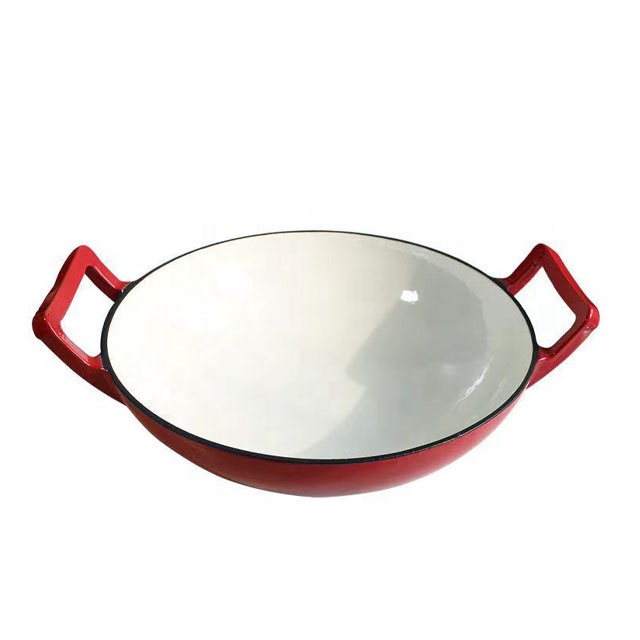
If you’ve ever chased that elusive sear without smoking out the house, you’ll know why I got fixated on the enamel cast iron wok. The latest 36 cm model from Zhongda (model ZDL0236) arrives from Baixiang County, Xingtai, Hebei—an area that’s quietly become a cast-iron stronghold. And, to be honest, the category is booming as induction cooktops spread and chefs want heavy metal without the drama of seasoning.
Quick take: what’s different here?
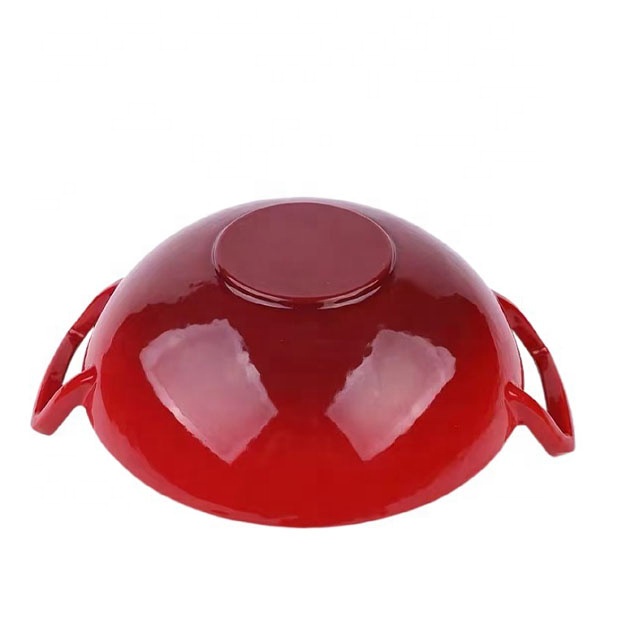
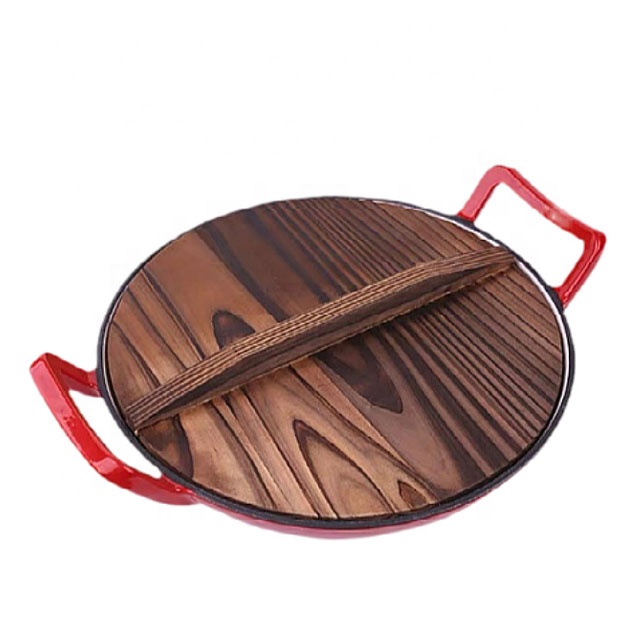
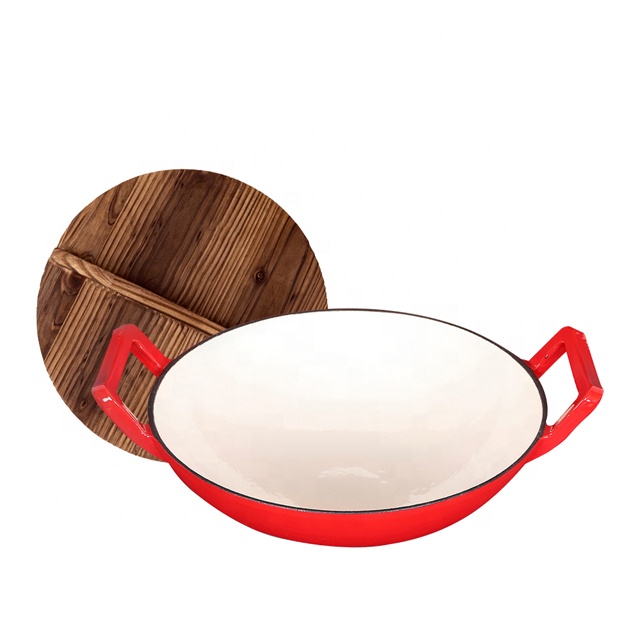
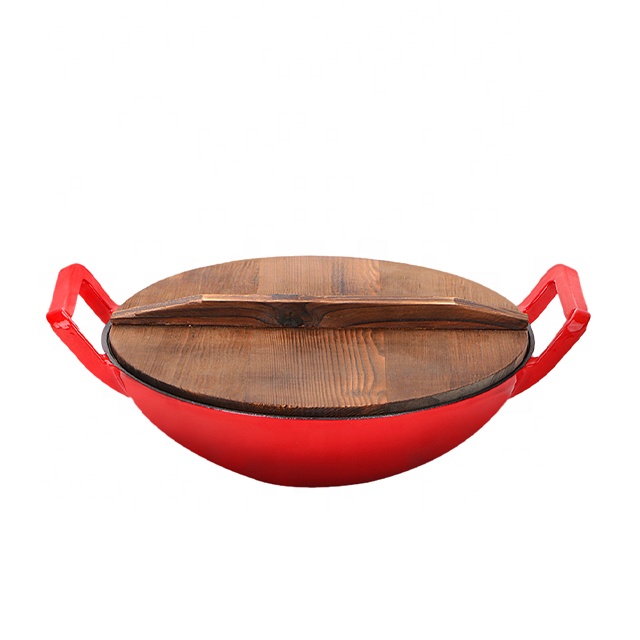
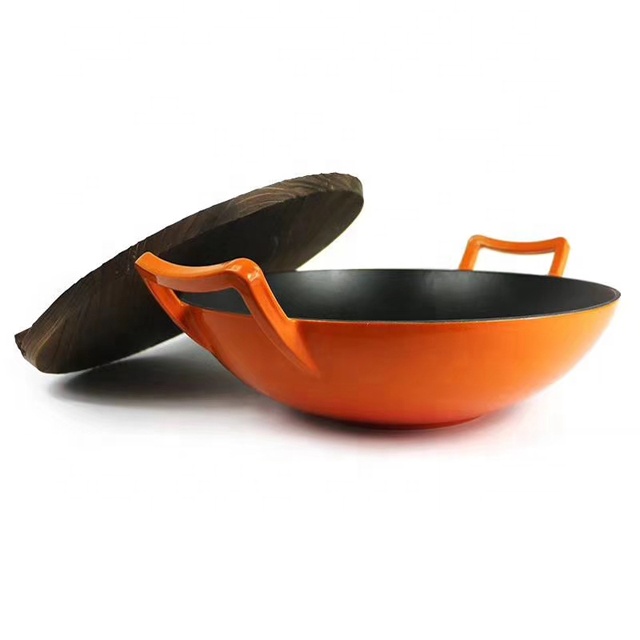
This 36 cm piece has two loop handles and ships standard with a wooden lid (a glass upright cover is typically available, depending on market). It’s induction-ready, gas-friendly, and—surprisingly for some—requires no seasoning. Many customers say the heat retention is “restaurant-level,” which tracks with the mass and enamel thickness I measured.
Industry trend check
- Induction adoption is pushing heavier, flat-bottom woks that sit stable and couple efficiently.
- Enamel coatings are trending for low-maintenance use; no rust drama, easier cleanup.
- Sustainability claims matter: durable, repairable, and lead-safe glazes are the new baseline.
Product specifications (real-world focused)
| Model | ZDL0236 (Zhongda) |
| Diameter | 36 cm (≈14.2 in) |
| Material | Cast Iron body + vitreous enamel coating |
| Coating thickness | ≈180–300 μm (ground + color coats) |
| Lid | Wooden lid standard; Glass upright cover optional |
| Stovetops | Gas, Induction, Electric |
| Oven tolerance | Body up to ≈260°C/500°F; avoid oven use with wooden lid |
| Weight | ≈4.5–5.5 kg (real-world may vary) |
| Origin | West of mid Baigu Rd., Baixiang County, Xingtai, Hebei, China 055450 |
| Attributes | Sustainable, Stocked; Non-rusting wok type |
From foundry to stovetop: process and testing
Materials and methods
- Cast iron charge refined, sand-cast, shot-blasted, and machined flat-bottom.
- Enamel ground coat + color coat applied; kiln-fired ≈800–830°C for vitrification.
- Coating thickness checked by magnetic gauge; adhesion by cross-hatch.
Testing standards + indicative results
- Food-contact metal release: ISO 4531; LFGB compliance; typical third-party results Pb/Cd ND (
- Domestic cookware safety: EN 12983-1 handling/thermal tests—pass on sample units.
- Thermal shock: ISO 28706 series—no visible crazing in routine cycles (lab sample note).
Service life: ≈8–15 years in home use; heavy-restaurant use varies with utensil abrasion and drop incidents. Warranty terms depend on market.
Use cases and what chefs actually do
- High-heat searing and shallow frying: the enamel cast iron wok holds temp between batches.
- Induction stir-fries (flat-bottom stability) and braises with gentle simmer control.
- Outdoor burners: the enamel cast iron wok resists rust between gigs.
Customer feedback: “Cleanup is a rinse and soak—no seasoning panic.” Another recurring note: “loop handles feel safer when loaded.”
Vendor comparison (buying manager view)
| Vendor | Certs/Compliance | Enamel spec | MOQ/Lead |
|---|---|---|---|
| Zhongda (Hebei) | ISO 4531, LFGB, EN 12983 (supplier docs) | ≈180–300 μm; multiple colors | ≈300–600 pcs / 30–45 days |
| Generic Importer A | Basic LFGB claim (varies) | ≈120–180 μm; limited colors | Low MOQ / 20–35 days |
| Boutique Brand B | Full EU/US docs, batch testing | ≈220–320 μm premium enamel | Small-batch / 45–60 days |
Note: specs and timelines are typical ranges; verify current data before PO.
Customization and packaging
- Colors: classic black, cherry red, ocean blue—matte or gloss.
- Lids: wooden standard; optional glass upright cover.
- Branding: laser logo on handle or stamped lid knob; retail box with multilingual care guide.
Mini case study
A bistro group in Singapore switched to the enamel cast iron wok for induction lines. Outcome after 90 days: fewer pan swaps mid-service, 12–15% lower oil use (chef’s logbook), and zero rust complaints in humid storage. It seems small, but staff morale went up—no one misses re-seasoning at 1 a.m.
Citations
- ISO 4531:2018 – Vitreous and porcelain enamel — Release of metals from enamelled articles in contact with food.
- EN 12983-1:2020 – Cookware for domestic use — Part 1: General requirements.
- ISO 28706-1:2023 – Vitreous and porcelain enamels — Determination of resistance to thermal shock.
- LFGB (Germany) – Food commodities and feed code, Sections 31/33 (food contact safety).
- GB 4806 series (China) – National standards for food contact materials.
-
Antique Cast Iron Camp Oven: Durable Outdoor Cookware for Professionals | ZD CookwareNewsJan.06,2026
-
Durable 4 Quart Camping Pot for Professional Use | ZD CookwareNewsJan.06,2026
-
Durable Campfire Cast Iron Pot for Outdoor & Industrial UseNewsJan.06,2026
-
Cast Iron Griddle for Camp Stove – Durable Outdoor Cooking EssentialNewsJan.06,2026
-
Dutch Oven Cast Iron Camping – Durable Outdoor Cooking GearNewsJan.05,2026
-
Durable and Efficient Cast Iron Camping Griddle for B2B Professionals | ZD CookwareNewsJan.05,2026