Durable & Versatile Cast Iron Dutch Oven Pot – Global Cooking Essential
The Enduring Appeal of the Cast Iron Dutch Oven Pot
When you hear "cast iron Dutch oven pot," perhaps your mind jumps to Grandma's kitchen or a rustic campsite dinner—but this humble cooking vessel holds significance far beyond the heartwarming aroma of slow-cooked stew. Globally, the cast iron Dutch oven pot is not just a culinary icon; it’s a robust tool appreciated for durability, versatility, and sustainability in countless scenarios — from everyday home kitchens to outdoor expeditions to disaster relief camps. Understanding what makes this pot tick pays off more than you’d expect.
Why the Cast Iron Dutch Oven Pot Still Matters Worldwide
Cast iron cookware has roots dating back centuries, but the Dutch oven pot, specifically, plays an outsized role even in today’s modern, fast-paced world. According to a recent ISO standard on cookware durability and safety, cast iron remains prized for its heat distribution and retention qualities, unmatched by many modern metals (1). As the global population grows and sustainability becomes an essential factor in product design, cast iron Dutch oven pots are valued not only for how well they cook but for their remarkable longevity and low environmental footprint.
Oddly enough, in an era of disposable consumer goods, these hefty pots challenge that norm by refusing to wear out quickly. Worldwide, manufacturers produce millions each year, meeting both gourmet chefs’ and humanitarian field workers’ needs, a fact highlighted in trade data from the World Bank last year (2). On the flipside, the key challenge remains: how to balance traditional craftsmanship with modern manufacturing efficiency and evolving cooking styles.
What Is a Cast Iron Dutch Oven Pot, Exactly?
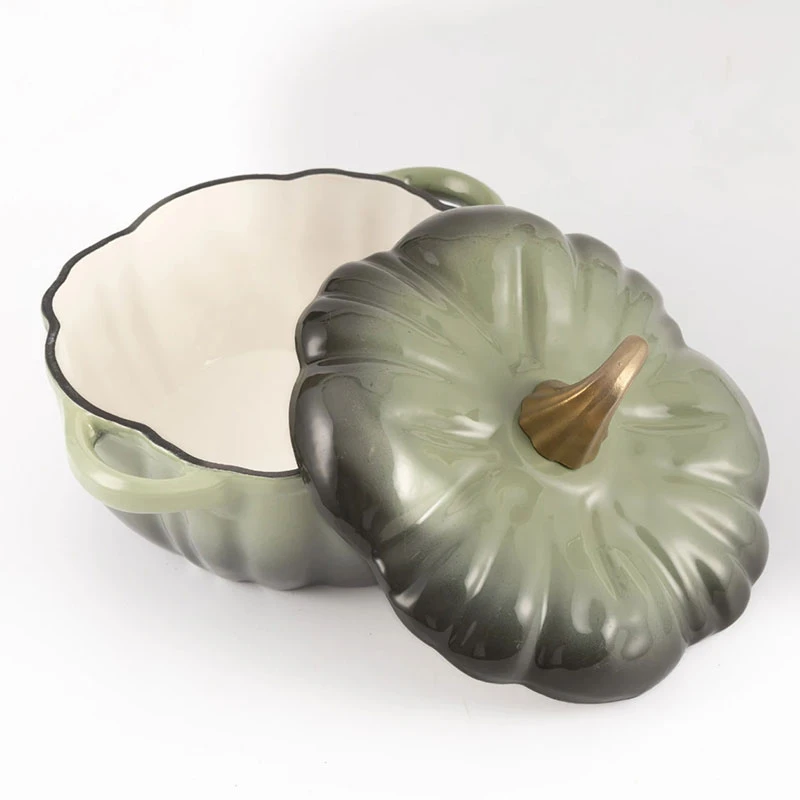
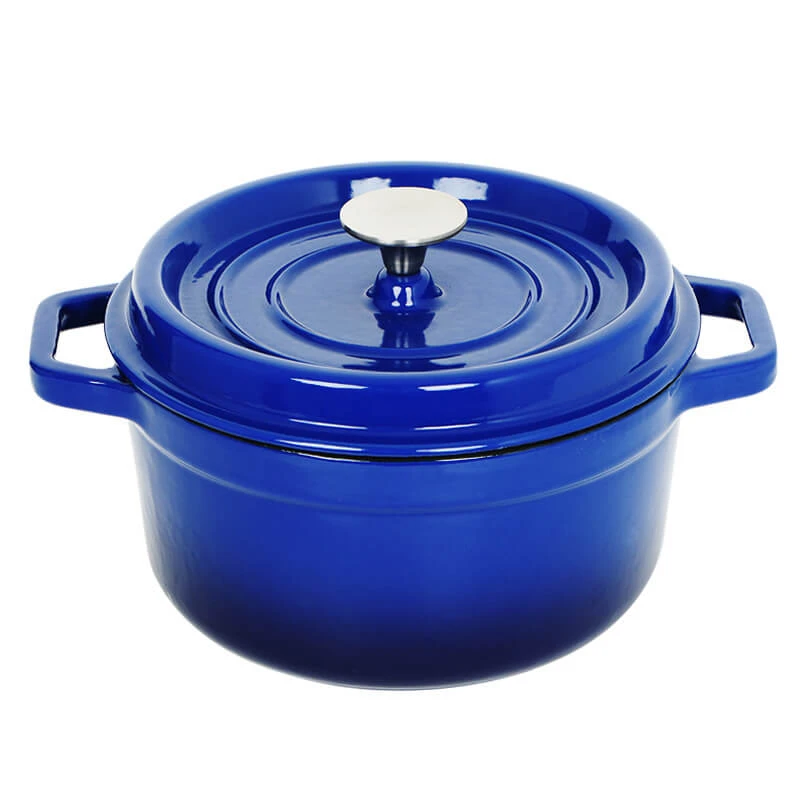
At its core, a cast iron Dutch oven pot is a thick-walled cooking vessel made from cast iron, typically weighing several pounds, with a tight-fitting lid and sturdy handles. Sometimes called a “cocotte” or “bean pot,” its design encourages even heat distribution and moisture retention, resulting in tender, flavorful meals even on low heat. Originally used for open-fire cooking by Dutch traders in the 17th century, today it intersects with modern needs—from simmering hearty stews in home kitchens to sterilizing water or preparing large-scale meals over portable stoves in remote emergency camps.
This dual nature — domestic and industrial — is what makes the cast iron Dutch oven pot particularly interesting. It’s found in family kitchens, yes, but also in sectors like humanitarian aid where sustainable, reliable cookware is crucial for people displaced by disaster or conflict.
Key Qualities That Define the Cast Iron Dutch Oven
- Durability: Cast iron’s robustness means pots can last decades—some passed down through generations.
- Heat Retention: The heavy material stores and distributes heat slowly but evenly, critical for braising or baking.
- Versatility: Suitable for stovetops, ovens, campfires, and even induction cookers with proper seasoning.
- Natural Non-stick Surface: Proper seasoning creates a reliable non-stick layer without synthetic chemicals.
- Cost Efficiency: Though the initial price can be higher, the lifespan and performance lead to savings over time.
Basically, this cookware is the slow and steady type—taking its time to heat but rewarding you with consistent results, almost meditative in approach.
Where and How Cast Iron Dutch Oven Pots Make a Difference Globally
Their global footprint is quite widespread:
- In Europe and North America: A staple for artisan cooking, slow-roasting roasts, and baking sourdough.
- For Humanitarian Organizations: Agencies use these pots to prepare heat-intensive, nutritious meals in refugee camps, where fuel efficiency and durability are essential.
- In Remote Industrial Zones: Workers rely on these pots for reliable meal prep under tough conditions without electricity or modern conveniences.
- Camping and Outdoor Recreation: Enthusiasts appreciate their versatility and robustness for open-fire cooking and baking.
For example, an NGO operating in sub-Saharan Africa credited their use of cast iron Dutch oven pots with drastically reducing fuel costs and cooking times during emergency feeding programs. It feels like a small detail in the grand scheme, but in difficult conditions, it’s a giant leap for meal preparedness.
Comparing Popular Cast Iron Dutch Oven Pot Models
| Specification | Model A | Model B | Model C |
|---|---|---|---|
| Material | Enameled Cast Iron | Raw Cast Iron | Pre-seasoned Cast Iron |
| Capacity | 5 Quart | 6 Quart | 4.5 Quart |
| Weight | 8.5 lbs | 10 lbs | 7.5 lbs |
| Oven Safe Max Temp | 500°F | Uncapped (No enamel limits) | 450°F |
| Maintenance | Hand wash, avoid dishwasher | Seasoning required | Pre-seasoned, hand wash |
Why Choose Cast Iron Dutch Oven Pots? The Long-Term Perks
Investing in a cast iron Dutch oven pot feels like making a friend for life. Seriously. The advantages are many:
- Exceptional Longevity: These pots can be heirloom pieces, avoiding landfill altogether.
- Energy Efficiency: Heat retention means lower energy consumption for simmering and baking.
- Food Quality: Slow, even cooking enhances flavor and texture, aligning with foodie trends toward natural preparation.
- Social & Cultural Impact: Their presence in refugee kitchens supports dignity through proper meals.
Plus, from a sustainability viewpoint, using a cookware item that lasts decades rather than years is a declaration against throwaway culture. It’s a small but tangible step toward lowering one’s environmental footprint—ironically, through an old-school tech.
How Innovations Are Shaping the Future of Cast Iron Dutch Oven Pots
Technology isn’t ignoring cast iron. In fact, innovation is quietly bubbling beneath the surface. New enamel coatings promise greater scratch resistance and less reactivity, expanding the use cases. Smart materials are being tested to make the pots lighter, yet keeping that reliable heat retention. There’s also a rising trend toward digital integration to monitor cooking temps, though admittedly it feels a bit futuristic compared to the pot’s rustic charm.
Moreover, manufacturers are increasingly adopting sustainable production methods, with recycled iron and greener energy powering foundries. This aligns well with global sustainability goals endorsed by entities like the UN (3). While some may shy away from heavier cast iron, these developments may lower entry barriers for younger cooks or field workers.
Obstacles and Practical Solutions in Using Cast Iron Dutch Oven Pots
No product is perfect, right? Cast iron Dutch oven pots can be heavy and prone to rust if not maintained. The seasoning process can intimidate newcomers. Enamel-coated versions can chip. But many manufacturers are addressing these by offering pre-seasoned models, ultra-durable enamels, or lighter alloys. Educational campaigns by brands about seasoning and cleaning keep customers confident. It’s a classic case of tradition meeting tech and education to improve user experience.
Frequently Asked Questions About Cast Iron Dutch Oven Pot
- Q: Is it safe to use a cast iron Dutch oven pot on an induction stove?
- A: Yes! Cast iron is compatible with induction cooktops because it’s ferromagnetic, making it a great choice for modern kitchens.
- Q: How do I prevent my cast iron Dutch oven from rusting?
- A: Dry the pot immediately after washing, apply a thin layer of oil for seasoning, and store in a dry place. Avoid soaking or dishwasher use.
- Q: Can I bake bread in a cast iron Dutch oven pot?
- A: Absolutely. That’s one of the most beloved uses. The pot mimics a brick oven by holding moisture, creating crispy crust and fluffy interiors.
- Q: Why is my enamel-coated Dutch oven chipping, and can I fix it?
- A: Chipping often results from hard impacts or thermal shock. Luckily, minor chips don’t necessarily affect cooking but avoid harsh scrubbing. For repairs, consult the vendor’s warranty or replace if extensive.
- Q: Are cast iron Dutch ovens eco-friendly?
- A: Yes, thanks to their longevity and potential for recycled content. They reduce waste compared to disposable cookware and often require less fuel during cooking.
Making the Most of Your Cast Iron Dutch Oven Pot
Whether you’re a home chef seeking that perfect roast, a camper craving reliable gear, or a global aid worker planning nutritious meals in tough environments, the cast iron Dutch oven pot answers the call. It blends centuries of tradition with modern needs—durable, sustainable, and surprisingly versatile.
If you’d like to explore or purchase quality products, consider checking out cast iron Dutch oven pot selections from trusted vendors. There’s something truly rewarding about cooking with these pots that just can’t be rushed or faked.
In the end, it’s about good food, sustainability, and a nod to craftsmanship that endures. I like to think this pot tells a story—a story of patience, resilience, and flavor worth waiting for.
Vendor Comparison: Highlighting the Leaders in Cast Iron Dutch Oven Pots
| Vendor | Price Range | Warranty | Unique Features | Customer Rating |
|---|---|---|---|---|
| BrandAlpha | $80 – $150 | Limited Lifetime | Classic handcrafted enamel | 4.7/5 |
| CastX | $65 – $120 | 10-year | Pre-seasoned, ultra-lightweight series | 4.4/5 |
| EcoPan | $90 – $160 | Lifetime | Made from 70% recycled iron, green foundry | 4.8/5 |
Mini takeaway: These specs and vendor traits illustrate how the cast iron Dutch oven pot market balances tradition with innovation, price with performance, and sustainability with style.
Wrapping It Up: Why Your Kitchen (and More) Could Use a Cast Iron Dutch Oven Pot
The cast iron Dutch oven pot may seem a simple kitchen item, but it’s a powerhouse of culinary promise and resilience. Spanning households to humanitarian fields, it’s a symbol of enduring quality and reliable performance. The slow burner that somehow speeds up your results. So, next time you think about modern cookware, maybe give this timeless tool a closer look. A better meal and a better planet might just be around the corner.
For more insights or to purchase, don't hesitate to visit cast iron Dutch oven pot — because some classics never go out of style.
References
-
Antique Cast Iron Camp Oven: Durable Outdoor Cookware for Professionals | ZD CookwareNewsJan.06,2026
-
Durable 4 Quart Camping Pot for Professional Use | ZD CookwareNewsJan.06,2026
-
Durable Campfire Cast Iron Pot for Outdoor & Industrial UseNewsJan.06,2026
-
Cast Iron Griddle for Camp Stove – Durable Outdoor Cooking EssentialNewsJan.06,2026
-
Dutch Oven Cast Iron Camping – Durable Outdoor Cooking GearNewsJan.05,2026
-
Durable and Efficient Cast Iron Camping Griddle for B2B Professionals | ZD CookwareNewsJan.05,2026