Large Dutch Oven Pot - Durable & Versatile Cookware for Every Kitchen
Understanding the Large Dutch Oven Pot: Why It Still Matters Worldwide
When you hear “large dutch oven pot,” you might picture a hefty, enamel-coated cast iron pot sitting proudly over a campfire or nestled on a kitchen stove. But beyond its rustic charm, this cookware piece has become a global staple — not just for home cooks but also for chefs in commercial kitchens, food service industries, and even humanitarian aid kitchens. Its wide range of use and its ability to cook meals efficiently at scale makes it a quietly powerful player in many parts of the world. Understanding why a large dutch oven pot is so valued helps us appreciate its cultural, economic, and practical significance.
Mini takeaway: The large dutch oven pot is more than a kitchen tool; it’s a global asset bridging tradition and functionality.
The Global Significance of the Large Dutch Oven Pot
Across continents, from bustling cities to remote villages, the large dutch oven pot holds a special place in food preparation. According to reports by the United Nations Food and Agriculture Organization (FAO), communal cooking pots like these contribute significantly to food security by facilitating large-scale meal prep efficiently and sustainably [1]. But here’s the kicker — modern society often overlooks how tools shaped by centuries of cooking tradition support modern humanitarian and industrial needs. Large cooking vessels such as these help kitchens manage resources intelligently, cut fuel consumption, and serve more portions with less effort and waste.
However, users often face challenges like weight, material durability, and heating consistency — all areas prompting ongoing innovations.
Mini takeaway: The demands of feeding communities and industries sustainably highlight the enduring relevance of the large dutch oven pot worldwide.
What Exactly Is a Large Dutch Oven Pot?
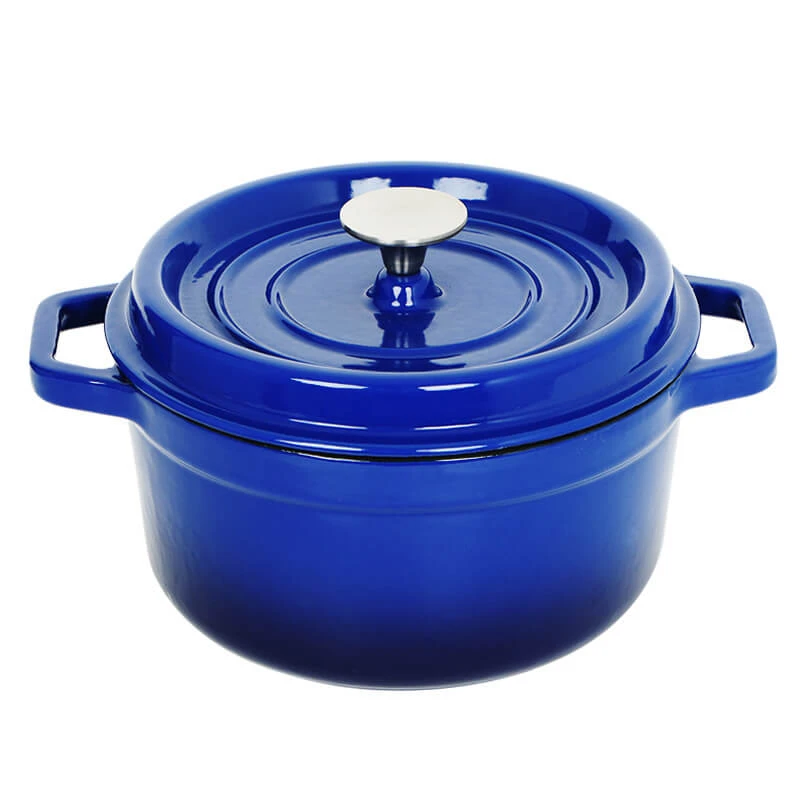
Simply put, a large dutch oven pot is a thick-walled cooking pot, usually made from cast iron or its enamel-coated cousin, designed to retain and distribute heat evenly. Its hallmark feature is a tight-fitting lid that traps moisture, turning it into steam for slow, thorough cooking — perfect for stews, braises, and bread baking.
In industrial kitchens or disaster relief camps, large dutch ovens come in sizes ranging from 5 to 15 quarts or even bigger, allowing cooks to prepare thousands of meals daily when scaled with multiple units. It’s this adaptability and ruggedness that tie the humble large dutch oven pot to sectors beyond home cooking — including emergency food supply, institutional catering, and sustainable gastronomy.
Mini takeaway: At its core, the large dutch oven pot combines durability, heat retention, and moisture control, making it indispensable in various cooking scenarios.
Key Features That Define the Large Dutch Oven Pot
1. Durability and Material Composition
Most large dutch ovens are made from cast iron, often treated with an enamel coating to prevent rust and ease cleaning. Cast iron is famed for its longevity — it can last generations if well cared for. The enamel variant adds a hygienic, non-reactive surface, essential when batch cooking acidic dishes like tomato stews.
2. Heat Retention and Distribution
The weighty walls of the pot mean heat spreads evenly, reducing hot spots and the risk of scorching. This thermal stability is crucial whether you’re simmering chili for hours or baking crusty bread.
3. Lid Design and Moisture Sealing
The domed, snug-fitting lid ensures moisture doesn’t escape, locking in flavors and nutrients. Some modern designs even feature built-in moisture rings or basting spikes for enhanced condensation control.
4. Size and Scalability
A key factor for food service use is the pot’s capacity. A larger pot reduces cooking batches, saving time and energy. However, scalability can be a double-edged sword: heavier pots demand stronger handles or lifting gear.
5. Versatility in Cooking Methods
A large dutch oven pot is as happy on a stovetop as in a wood fire or industrial oven. That versatility means it’s often the go-to tool in diverse environments — urban restaurants or off-grid camps alike.
Mini takeaway: Durability, heat management, and size options combine to make the large dutch oven pot a uniquely reliable cooking companion.
How the Large Dutch Oven Pot Makes an Impact Worldwide
In real-world terms, the large dutch oven pot finds itself in all sorts of kitchens:
- Humanitarian Missions: When disaster strikes, kitchens often need rugged, high-capacity cookware. NGOs deploy large dutch ovens to feed displaced populations quickly and safely.
- Industrial Catering: Universities, prisons, military bases, and hospitals depend on these pots for batch cooking without sacrificing food quality.
- Traditional and Cultural Uses: Many communities keep the art of large pot cooking alive in celebrations and daily life, often using locally crafted versions.
- Eco-conscious Restaurants: Chefs seeking energy efficiency and slow--flavorful cooking often favor these pots over gas-heavy fryers and pans.
For example, in sub-Saharan Africa, community kitchens use large dutch ovens for communal meals, reducing cooking fuel consumption with the pot’s heat retention — an essential economic and ecological advantage.
Mini takeaway: Its roles span from feeding communities in crisis to high-end culinary art — a global, multifaceted utility.
Advantages and Long-Term Value of Investing in a Large Dutch Oven Pot
The benefits aren’t just theoretical. Large dutch oven pots offer practical, tangible value:
- Cost Effectiveness: A single large pot replaces multiple smaller pans, saving resources and cleanup time.
- Sustainability: Superior heat retention means lower fuel use, significant where energy resources are scarce or costly.
- Reliability: Hardened cast iron doesn't warp or lose heat easily, performing consistently over decades.
- Social Impact: Allowing larger meal preparation at once supports community bonding and food access equity.
So, yes, it feels like a simple tool, but it empowers cooks everywhere with safety, trust, and innovative cooking methods, gently transforming food-related livelihoods.
Looking Ahead: Trends and Innovations in Large Dutch Oven Design
While the classic cast iron model reigns supreme, innovation isn’t standing still:
- Lighter Materials: New alloys and carbon composites aim to retain heat but reduce weight.
- Eco-friendly Coatings: Organic, non-toxic enamels improve sustainability and recyclability.
- Smart Cookware Features: Temperature sensors embedded in lids or walls help chefs monitor cooking remotely — a step toward digital kitchens.
- Localized Manufacturing: Policies encouraging local craftsmanship reduce carbon footprints and promote economic growth.
It’s quite exciting how tradition meshes with technology to keep this centuries-old tool relevant.
Common Challenges & Practical Solutions
Of course, no tool is perfect. Challenges with large dutch oven pots include:
- Weight Challenges: Hefty pots can be hard to handle. Solution? Ergonomic handles and lifting aids.
- Cleaning Care: Enamel chipping and rust sometimes occur with improper use — mindful maintenance routines are key.
- Cost Barriers: High-quality pots can be pricey upfront. Bulk purchasing or community funding programs can ease the burden.
Many chefs and aid organizations find that training and education about proper use maximizes a pot's longevity and performance.
Product Specifications of a Typical Large Dutch Oven Pot
| Feature | Specification |
|---|---|
| Material | Enameled Cast Iron |
| Capacity | 12 Quarts (approx. 11.4 liters) |
| Weight | 14.5 lbs (6.6 kg) |
| Dimensions | Diameter 13.5 in; Height 7 in |
| Lid Type | Tight-fitting, domed, with basting spikes |
| Heat Source Compatibility | Gas, electric, induction, oven, open flame |
Vendor Comparison: Top Large Dutch Oven Pot Makers
| Brand | Price Range | Material Quality | Unique Features | Warranty |
|---|---|---|---|---|
| Classic Ironware Co. | $$$ (Premium) | High-grade cast iron, thick enamel | Custom color options, basting lid | Lifetime |
| GreenCookware Ltd. | $$ (Mid-range) | Eco-friendly enamel coating, recycled iron | Non-toxic coating, lightweight design | 5 years |
| Heritage Pots | $ (Budget) | Basic cast iron, no enamel | Traditional design | 1 year |
Frequently Asked Questions About Large Dutch Oven Pots
Q1: What size large dutch oven pot is ideal for community kitchens?
A 10-14 quart pot is typically recommended for community or institutional kitchens. It balances capacity with manageable weight, allowing cooks to prepare meals for 20 to 50 people efficiently without requiring heavy lifting gear.
Q2: Can I use a large dutch oven pot on induction cooktops?
Absolutely! Most cast iron large dutch ovens are induction compatible due to their ferrous metal construction. Just ensure the pot base is flat for optimal contact with the cooktop surface.
Q3: How do I maintain my large dutch oven pot to prevent enamel damage?
Use non-abrasive scrubbers and avoid sudden temperature changes (like washing a hot pot with cold water). Mild detergents and drying thoroughly after washing help preserve the enamel surface longer.
Q4: Are large dutch oven pots eco-friendly?
Yes, especially cast iron and enamel-coated pots reduce energy consumption by retaining heat longer and enabling slow cooking methods, which use less fuel than quick high-heat options. Plus, their long lifespan minimizes waste.
Q5: Where can I find large dutch oven pots suitable for commercial use?
Several vendors specialize in commercial-grade pots. Explore options like large dutch oven pot suppliers online, ensuring you check specifications and warranties for heavy use.
Wrapping Up: Why the Large Dutch Oven Pot Is Worth It
At the end of the day, the large dutch oven pot combines tradition with modern-day utility. Its durability, versatility, and ability to deliver consistent cooking results at scale make it indispensable from home kitchens to humanitarian relief centers. Investing in quality cookware like this means supporting sustainability and food security on many levels — and frankly, it just feels good to own a tool that’ll last decades.
To explore more about large dutch oven pots, including specialized sizes and designs, visit our website: large dutch oven pot.
References
-
Antique Cast Iron Camp Oven: Durable Outdoor Cookware for Professionals | ZD CookwareNewsJan.06,2026
-
Durable 4 Quart Camping Pot for Professional Use | ZD CookwareNewsJan.06,2026
-
Durable Campfire Cast Iron Pot for Outdoor & Industrial UseNewsJan.06,2026
-
Cast Iron Griddle for Camp Stove – Durable Outdoor Cooking EssentialNewsJan.06,2026
-
Dutch Oven Cast Iron Camping – Durable Outdoor Cooking GearNewsJan.05,2026
-
Durable and Efficient Cast Iron Camping Griddle for B2B Professionals | ZD CookwareNewsJan.05,2026