Mastering Outdoor Camp Cooking with a Versatile Dutch Oven
Mastering the Outdoors: A Guide to Camp Cooking with a Dutch Oven
Camp cooking takes on a whole new dimension with a Dutch oven. This versatile piece of cookware is a staple for outdoor enthusiasts, offering a way to create delicious and hearty meals while enjoying nature. From simmering stews to baking bread, the possibilities are endless. This article will explore the benefits of using a Dutch oven for camp cooking, offer tips for successful outdoor meals, and showcase some must-try recipes. Whether you're a seasoned camper or new to the outdoors, a Dutch oven will quickly become your go-to cooking companion.
Why Choose a Dutch Oven for Camp Cooking?
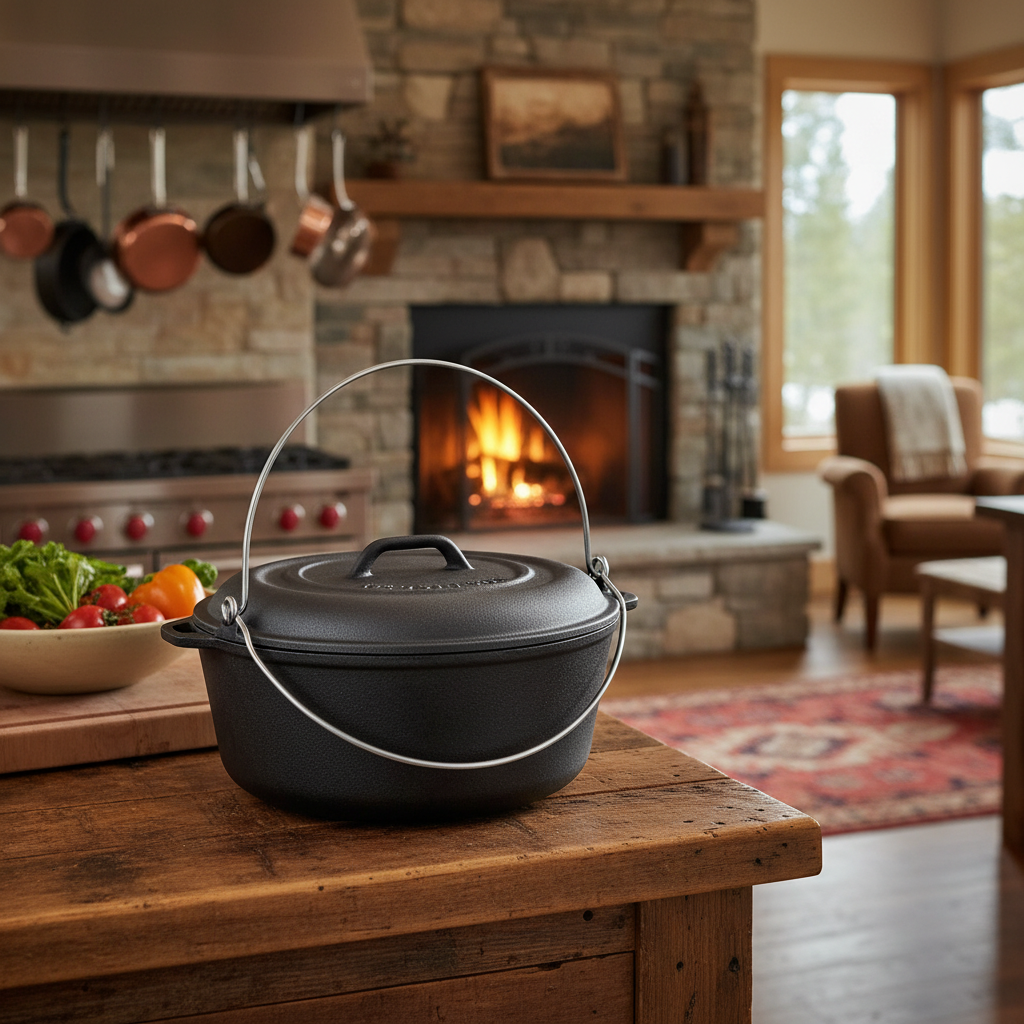
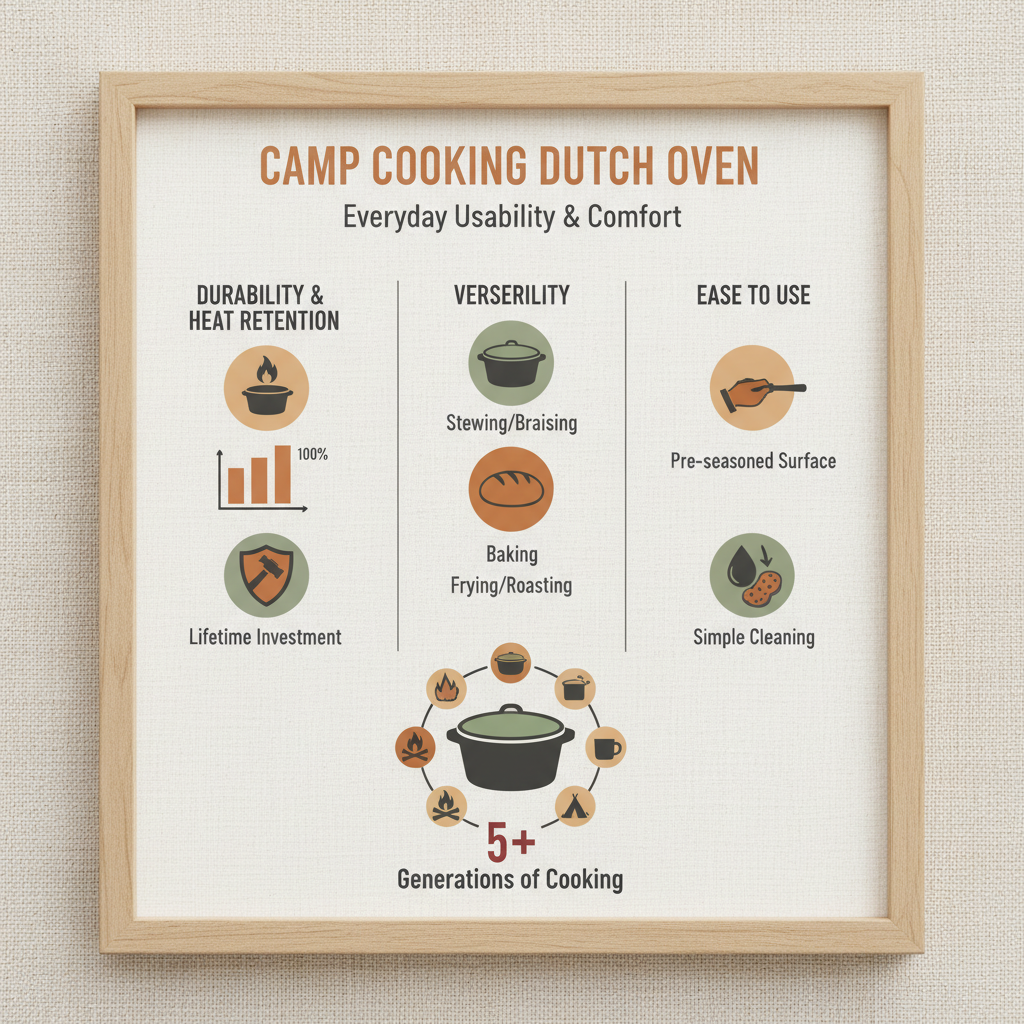
Dutch ovens excel in camp cooking due to their exceptional heat retention and even cooking capabilities. Their thick walls and tight-fitting lids trap heat, allowing for slow cooking and creating tender, flavorful dishes. Unlike traditional camping stoves, a Dutch oven can be used over a campfire, on charcoal embers, or even on a portable propane stove, providing flexibility in cooking methods. They are incredibly durable, capable of withstanding the rigors of outdoor use, and can last for generations with proper care. ZD Cookware's Dutch ovens are known for their quality and versatility, making them ideal for any camping adventure.
Types of Dutch Ovens for Camping
Dutch ovens come in a variety of materials and designs, each offering different advantages. Cast iron is the most traditional and popular choice, known for its excellent heat retention and durability. Enameled cast iron offers the benefits of cast iron with the added convenience of being easier to clean. Lightweight aluminum Dutch ovens are a good option for backpackers looking to minimize weight, but they don't retain heat as effectively as cast iron. Consider your cooking style and the type of camping you do when choosing the right Dutch oven for you.
Key Considerations: Heat retention, weight, ease of cleaning, and cooking versatility.
Essential Techniques for Camp Cooking Dutch Oven Success
Mastering Dutch oven cooking outdoors requires understanding a few key techniques. “Seasoning” your Dutch oven before first use creates a non-stick surface and protects it from rust. Controlling the heat is crucial. Using charcoal briquettes allows you to distribute heat evenly, with more briquettes underneath for cooking and fewer on top for browning. Regularly rotate the Dutch oven to prevent hotspots. Properly cleaning and maintaining your Dutch oven after each use will ensure its longevity. Always remember safety first when working with hot coals and a heavy Dutch oven.
Dutch Oven vs. Traditional Camping Cookware: A Comparison
While traditional camping cookware has its place, a Dutch oven offers distinct advantages. Traditional pans often have limited heat retention, requiring more frequent adjustments and resulting in uneven cooking. Dutch ovens distribute heat evenly, allowing for slow and consistent cooking. The versatility of a Dutch oven allows you to prepare a wider range of dishes, from complex stews to delicate desserts. Here's a quick comparison:
Popular Camp Cooking Dutch Oven Recipes
The possibilities with a Dutch oven are endless. Here are a few popular recipes to get you started:
Campfire Chili: A classic, hearty meal perfect for a cold night.
Peach Cobbler: A sweet treat baked directly in the embers.
No-Knead Bread: Simple and delicious bread that requires minimal effort.
You can find a wealth of recipes online and in cookbooks specifically designed for Dutch oven cooking, and ZD Cookware's blog offers even more inspiration!
Choosing the Right Dutch Oven: A Quick Guide
Selecting the ideal Dutch oven requires considering your camping style and needs. If you’re backpacking, a lighter-weight aluminum option might be best. For car camping or base camps, a traditional cast iron Dutch oven offers superior heat retention and durability. Here’s a quick breakdown:
Conclusion: Embrace the Joy of Camp Cooking with a Dutch Oven
A Dutch oven is more than just cookware; it's a gateway to incredible outdoor meals and unforgettable camping experiences. With its versatility, durability, and exceptional cooking performance, a Dutch oven is an essential addition to any camper’s gear. Explore the possibilities, experiment with recipes, and savor the flavors of the great outdoors.
Frequently Asked Questions (FAQs)
How do I season a Dutch oven?
Seasoning a Dutch oven involves coating the interior with oil and baking it at a high temperature. This creates a non-stick surface and protects it from rust. Start by washing the Dutch oven with warm, soapy water and drying it completely. Then, apply a thin, even coat of cooking oil (flaxseed oil is often recommended) to the entire interior. Place the Dutch oven upside down in a preheated oven at 350-400°F (175-200°C) for at least an hour. Repeat this process several times to build up a robust seasoning layer.
What’s the best way to clean a Dutch oven after camp cooking?
Avoid using harsh soaps or abrasive scrubbers, as they can damage the seasoning. For most messes, simply scrape out any food debris with a wooden or plastic utensil. Add warm water and gently scrub with a soft sponge or brush. If needed, you can add a small amount of mild soap. Dry the Dutch oven thoroughly and lightly coat the interior with oil to prevent rust.
Can I use a Dutch oven on a gas stove?
While a cast iron Dutch oven can be used on a gas stove, it's important to use a diffuser plate to distribute the heat evenly and prevent cracking. Enameled cast iron Dutch ovens are generally safe for use on gas stoves, but always check the manufacturer’s instructions. Avoid using cast iron Dutch ovens on glass top stoves, as they can scratch the surface.
How do I control the temperature when cooking with a Dutch oven over a campfire?
Controlling the temperature is key to successful campfire Dutch oven cooking. The number of charcoal briquettes you use will determine the temperature. A general rule of thumb is to use more briquettes underneath than on top. You can also move briquettes around to adjust the heat distribution. Regularly check the temperature using a Dutch oven thermometer.
-
Mastering Outdoor Cooking with a Portable Dutch Oven GuideNewsApr.16,2026
-
Master Outdoor Cooking with the Oval Cast Iron Camp Oven GuideNewsApr.09,2026
-
Unlocking Flavorful Adventures with Outdoor Cooking with a Dutch OvenNewsApr.07,2026
-
Elevate Your Outdoor Cooking With A Premium Outdoor Cast Iron OvenNewsApr.04,2026
-
Discover the Benefits of a Cast Camp Oven for Outdoor CookingNewsMar.31,2026
-
Maximize Your Outdoor Cooking with a Camping Tripod and Dutch OvenNewsMar.28,2026