logo
0%

Table of Contents

Cast iron cookware represents a cornerstone of culinary traditions worldwide, evolving from rudimentary implements to sophisticated tools cherished by both professional chefs and home cooks. Understanding the diverse types of cast iron cookware – from classic skillets to Dutch ovens and beyond – unlocks a world of culinary possibilities and offers benefits in terms of durability, heat retention, and versatility. This exploration is crucial because, despite modern advancements in cookware materials, cast iron continues to hold a significant place in kitchens globally, offering a unique cooking experience and enduring value.

The global market for cast iron cookware is experiencing renewed growth, driven by a resurgence in home cooking, a growing appreciation for sustainable products, and the recognition of cast iron’s superior performance. According to industry reports, the demand for high-quality cast iron has increased steadily over the past decade, with significant demand coming from North America, Europe, and increasingly, Asia-Pacific regions. This trend is particularly important considering the broader context of sustainable living and the desire for cookware that lasts a lifetime, reducing the need for frequent replacements.

Ultimately, knowledge of the different types of cast iron cookware empowers consumers to make informed decisions, optimizing their cooking experiences and investing in products built to last. This isn't simply about acquiring cookware; it's about connecting with a culinary heritage and embracing a cooking style that emphasizes flavor, durability, and sustainability.
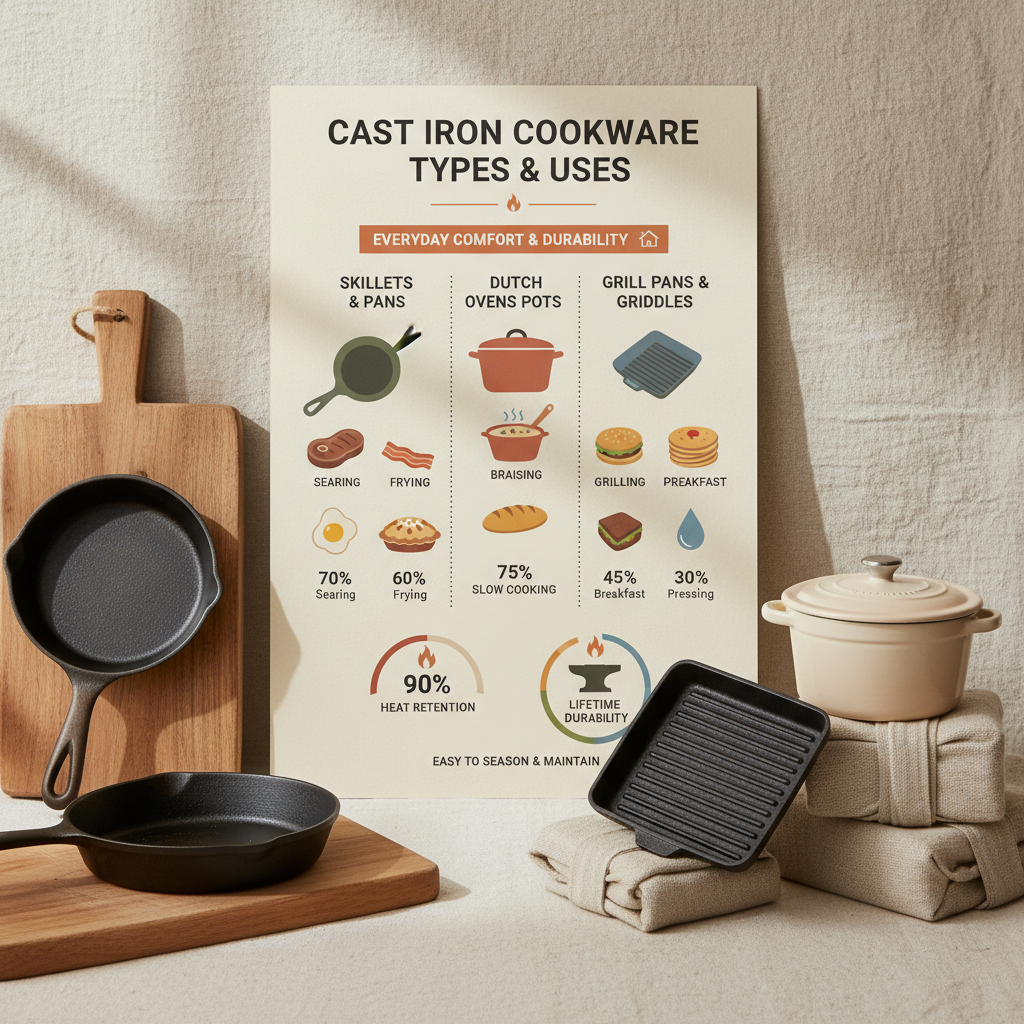
Exploring the Diverse Types of Cast Iron Cookware and Their Benefits

The Foundations of types of cast iron cookware

Exploring the Diverse Types of Cast Iron Cookware and Their Benefits

At its core, cast iron cookware is defined by its composition: iron with a high carbon content. This unique blend gives cast iron its exceptional heat retention capabilities and robustness. The fundamental process involves pouring molten iron into a mold, resulting in the creation of a durable, versatile cooking vessel.

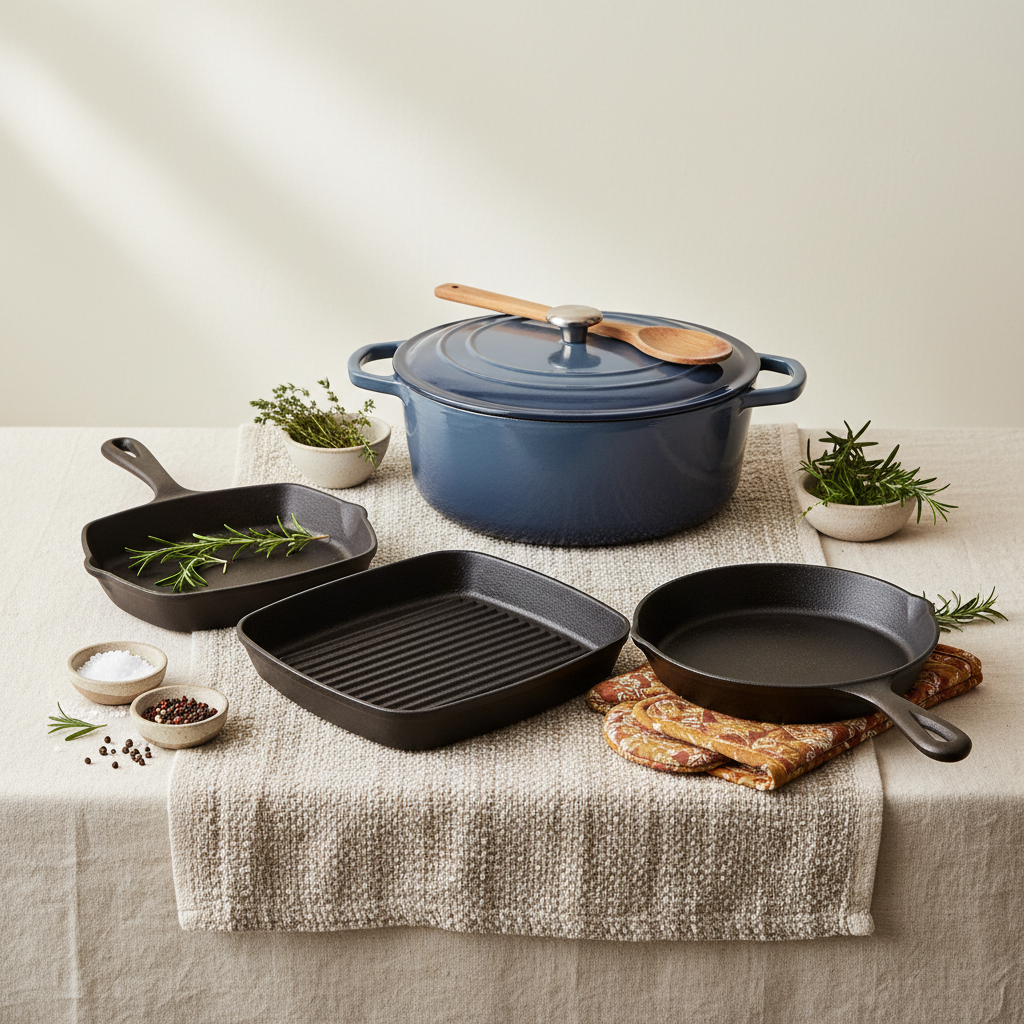
The variations within types of cast iron cookware largely stem from the finishing process, primarily whether the cookware is seasoned (coated with baked-on oil) or enameled (covered with a protective glass-like coating). Seasoned cast iron develops a natural non-stick surface over time with proper care, while enameled cast iron offers a smoother, lower-maintenance cooking experience.

Historical Evolution of types of cast iron cookware

The history of cast iron cookware stretches back centuries, with its origins traced to ancient China and subsequently adopted by Europe during the Middle Ages. Early forms were crude but effective, providing a substantial improvement over previous cooking methods. The Industrial Revolution brought about mass production techniques, making cast iron cookware accessible to a wider population.

Throughout the 19th and 20th centuries, cast iron became a staple in kitchens worldwide, prized for its durability and ability to withstand high temperatures. Iconic brands emerged, solidifying cast iron’s place in culinary history. The late 20th and early 21st centuries saw a slight dip in popularity with the rise of non-stick alternatives, but a recent resurgence has reaffirmed cast iron's enduring appeal.

Today, a renewed appreciation for traditional cooking methods and sustainable practices has fueled a revival of interest in types of cast iron cookware, with artisans and manufacturers combining time-honored techniques with modern innovations.

Core Characteristics of types of cast iron cookware

Several key characteristics define the performance and appeal of cast iron cookware. First and foremost is its exceptional heat retention. Once heated, cast iron maintains a consistent temperature, making it ideal for searing, braising, and slow cooking. This even heat distribution prevents hotspots and ensures thorough cooking.

Secondly, cast iron's durability is unmatched. With proper care, a single piece of cast iron cookware can last for generations, becoming a treasured family heirloom. This longevity contributes to its sustainability, reducing the need for frequent replacements. Furthermore, cast iron can be used on a variety of heat sources, including stovetops, ovens, campfires, and even grills.

Finally, the versatility of types of cast iron cookware is a significant advantage. From frying chicken to baking cornbread, cast iron can handle a wide range of culinary tasks. The ability to transition seamlessly from stovetop to oven simplifies many recipes and enhances cooking efficiency.

Practical Applications of types of cast iron cookware

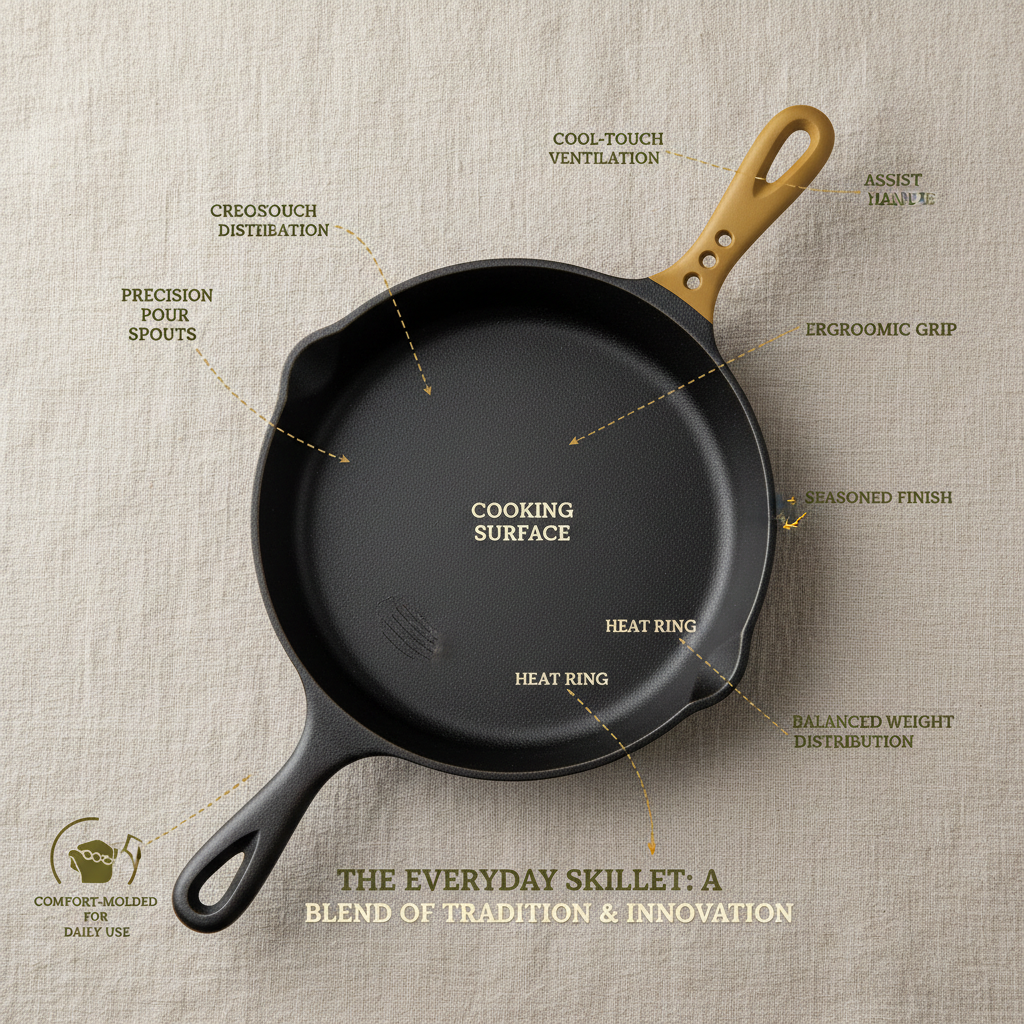
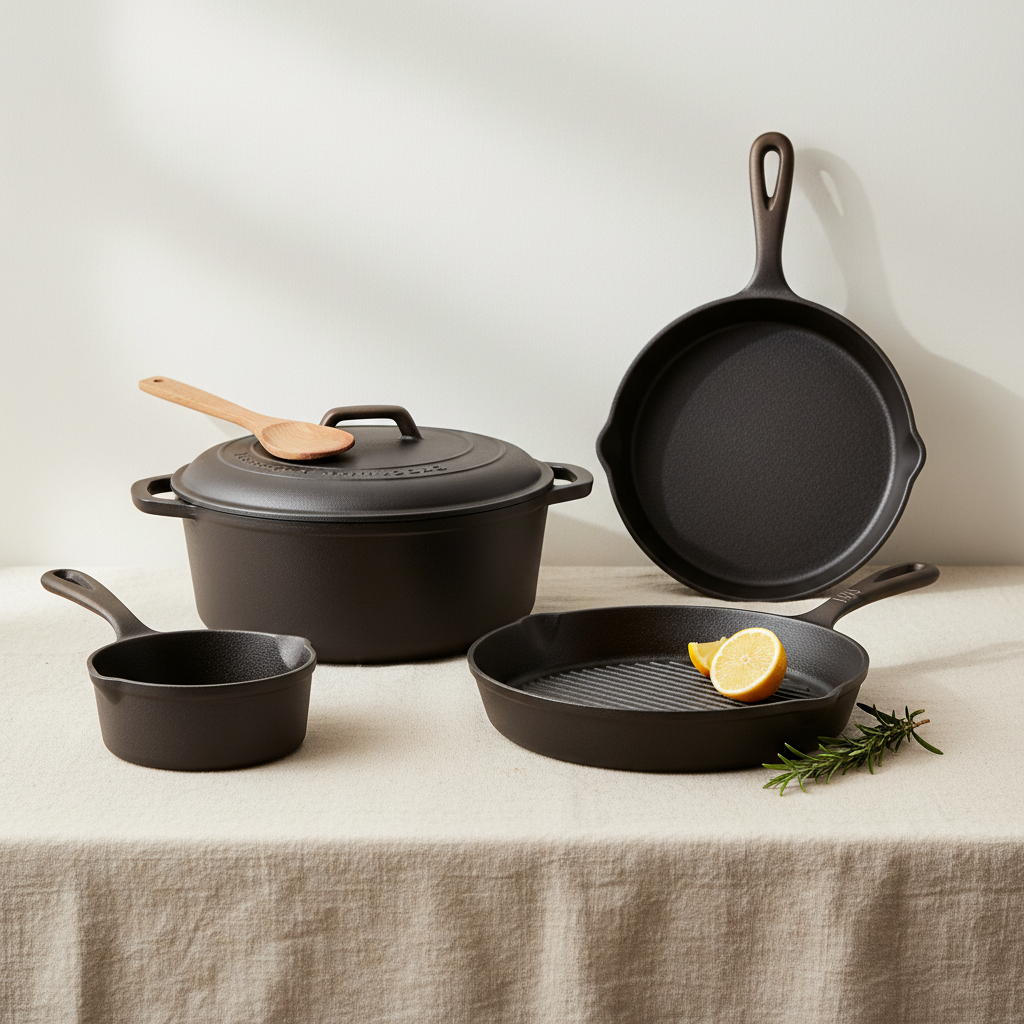
The practical applications of cast iron cookware are remarkably diverse. Skillets are perfect for searing meats, frying eggs, and sautéing vegetables. Dutch ovens excel at braising, stewing, and baking. Griddles provide an ideal surface for pancakes, bacon, and grilled sandwiches.

Each of these types of cast iron cookware caters to specific culinary needs, but their shared ability to retain heat and distribute it evenly makes them invaluable tools in any kitchen. They are particularly well-suited for dishes that require long, slow cooking times, such as pot roasts and chili.

Performance Ratings for Different types of cast iron cookware Methods


Global Culinary Traditions and types of cast iron cookware

Across diverse cultures, cast iron cookware holds a significant place in culinary traditions. In the Southern United States, cast iron skillets are revered for their ability to create perfectly crispy fried chicken and cornbread. In France, enameled Dutch ovens are essential for preparing classic stews like coq au vin.

In Japan, cast iron teapots and griddles are integral to traditional tea ceremonies and grilling techniques. These regional variations demonstrate the adaptability of types of cast iron cookware to a wide range of flavors and cooking styles.

The Advantages of Utilizing types of cast iron cookware

Utilizing cast iron cookware presents a multitude of advantages. Beyond its exceptional cooking performance, cast iron is remarkably durable, potentially lasting a lifetime with proper care. This longevity translates into significant cost savings over time, eliminating the need for frequent replacements.

Furthermore, cast iron's natural heat retention reduces energy consumption, contributing to a more sustainable lifestyle. Its versatility allows for a wide range of cooking techniques, simplifying meal preparation and expanding culinary possibilities.

Finally, for those seeking a connection to culinary heritage, cast iron offers a tangible link to generations of cooks who have relied on its enduring qualities.

Innovations and Future Trends in types of cast iron cookware

The world of cast iron cookware isn’t stagnant; innovation continues to shape its evolution. Lightweight cast iron options, utilizing thinner walls and ergonomic handles, are gaining popularity, making cast iron more accessible to a wider range of cooks.

Enameled cast iron is also undergoing refinement, with new color palettes and improved chip resistance. The rise of sustainable manufacturing practices is also influencing the industry, with manufacturers increasingly focusing on reducing their environmental impact.

Looking ahead, we can expect to see further integration of smart technology, such as temperature sensors and connected cooking platforms, enhancing the functionality and convenience of types of cast iron cookware.

Summary of Key Factors Influencing Cast Iron Cookware Performance

Cookware Type Heat Retention (1-10) Ease of Maintenance (1-10) Versatility (1-10)
Seasoned Cast Iron Skillet 10 6 9
Enameled Dutch Oven 9 8 8
Cast Iron Griddle 8 7 7
Cast Iron Cornbread Pan 9 6 6
Cast Iron Wok 7 5 8
Mini Cast Iron Cocottes 8 7 7

FAQS

What is the best way to season a new cast iron skillet?

Seasoning a new cast iron skillet involves coating it with a thin layer of oil (flaxseed, canola, or vegetable oil work well) and baking it at a high temperature (typically 400-450°F) for an hour. Repeat this process several times to build up a durable, non-stick surface. Proper seasoning prevents rust and enhances the skillet’s cooking performance, creating a naturally non-stick layer over time. Avoid using harsh soaps during cleaning to preserve the seasoning.

Can cast iron cookware be used on induction cooktops?

Generally, yes, most cast iron cookware is compatible with induction cooktops. However, it depends on the specific cookware and cooktop. For cast iron to work on an induction cooktop, it needs to have a magnetic base. If you’re unsure, you can test it with a magnet – if it sticks firmly, it will work. Enameled cast iron is also typically induction-compatible, but it's always best to check the manufacturer’s specifications.

How do you prevent rust on cast iron?

Preventing rust on cast iron is crucial for its longevity. After each use, thoroughly dry the cookware with a clean cloth. If necessary, lightly oil the surface to create a protective barrier. Avoid soaking cast iron in water for extended periods, as this can promote rust. If rust does appear, scrub it off with steel wool and re-season the cookware.

Is enameled cast iron the same as seasoned cast iron?

No, enameled and seasoned cast iron are distinct. Seasoned cast iron has a coating of baked-on oil that creates a natural non-stick surface and protects against rust. Enameled cast iron is coated with a layer of glass-like material, offering a smoother, non-reactive surface that doesn’t require seasoning. Enameled cast iron is typically easier to clean but can chip if mishandled, while seasoned cast iron requires more maintenance but develops a unique patina over time.

What types of cleaning products should I avoid using on cast iron?

Avoid using harsh soaps, detergents, and abrasive cleaners on cast iron, as they can strip away the seasoning. Instead, use warm water and a soft sponge or brush. For stubborn food residue, you can use a chainmail scrubber or a paste made from baking soda and water. Always dry the cookware thoroughly after cleaning and lightly oil it to maintain the seasoning.

Can cast iron cookware be put in the dishwasher?

It is strongly discouraged to put cast iron cookware in the dishwasher. The harsh detergents and prolonged exposure to water can strip away the seasoning and promote rust. Handwashing is the recommended method for cleaning cast iron, ensuring its longevity and maintaining its cooking performance. Consistent handwashing is a vital element in preserving the benefits of types of cast iron cookware.

Conclusion

In conclusion, understanding the various types of cast iron cookware – from traditional skillets to modern enameled Dutch ovens – empowers cooks with a versatile and durable toolset. Cast iron’s exceptional heat retention, longevity, and adaptability make it a cornerstone of kitchens worldwide, connecting us to culinary traditions and promoting sustainable cooking practices. Investing in quality cast iron is not just purchasing cookware; it’s acquiring a legacy.

Looking ahead, the future of cast iron cookware is bright, with ongoing innovations enhancing its functionality and accessibility. Embracing these advancements while respecting the time-honored techniques of seasoning and maintenance will ensure that cast iron remains a cherished companion in the kitchen for generations to come. Visit our website at www.zdcookware.com to explore our comprehensive selection of cast iron cookware!

Julian Vance

Julian Vance

Julian Vance is Zhongdacook's Logistics and Supply Chain Manager for the US. He ensures the efficient and timely delivery of our cast iron cookware to distributors and retailers across the country. Julian has over 8 years of experience in logistics and a proven track record of optimizing supply chain operations.
Previous Explore Durable and Versatile cast iron dishes for sale for Modern Kitchens
Next Discover the Timeless Quality of Cast Iron Cookware for Sale