Discover the Benefits and Uses of the Cast Iron Oven | Durable, Efficient Cooking Solutions
Understanding the Cast Iron Oven: A Global Perspective
The humble cast iron oven might not grab headlines like the newest smart gadget, but its impact quietly stretches across the globe — from rustic kitchens in remote villages to professional bakery setups in bustling cities. Why does it matter? Well, this cookware marvel combines durability, heat retention, and versatility in a way few others do, making it an essential tool for efficient, sustainable cooking, especially where electricity or modern appliances are scarce. Understanding how a cast iron oven works and why it’s such a trusted kitchen staple opens up a world of benefits, from economic savings to environmental awareness.
In a world increasingly conscious about sustainable resources and practical solutions, knowing about something as basic—and yet revolutionary—as cast iron ovens is surprisingly beneficial. Whether you’re a commercial chef, an aid worker planning relief strategies, or a home cook exploring reliable cooking methods, this topic is worth your attention.
Why Cast Iron Ovens Matter Globally
According to the International Organization for Standardization (ISO) and data from the World Bank, nearly 770 million people worldwide lack access to electricity. In such contexts, traditional electric or gas ovens are impractical, making alternative cooking technologies essential.
Cast iron ovens, known for their energy efficiency and longevity, address these challenges by enabling cooks to retain heat for extended periods, thus reducing fuel consumption. They are also widely valued in professional kitchens that prize consistent, even cooking temperatures and the ability to withstand heavy use.
But here’s the rub: despite their global importance, many still underestimate what makes cast iron ovens so essential — and that’s what we’re here to unpack.
What Is a Cast Iron Oven?
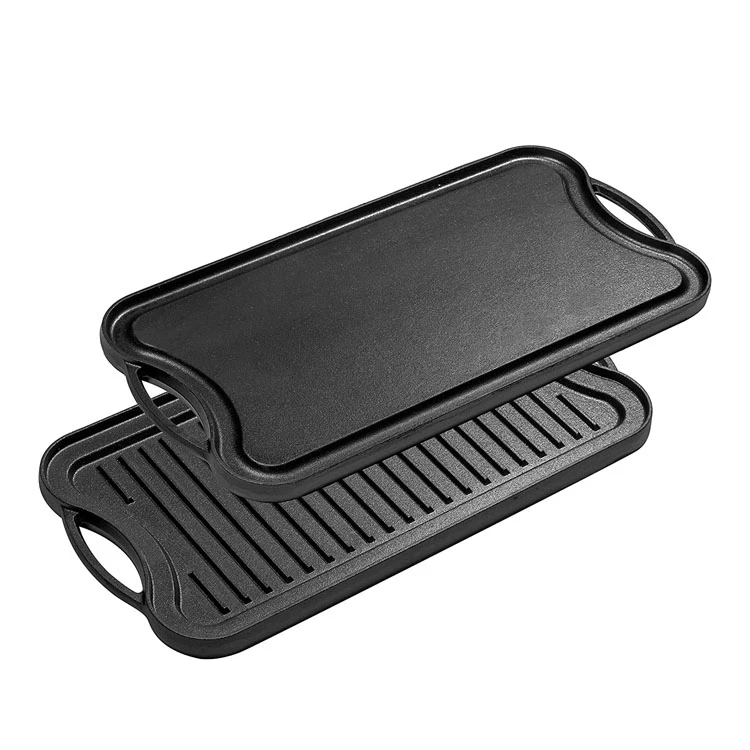
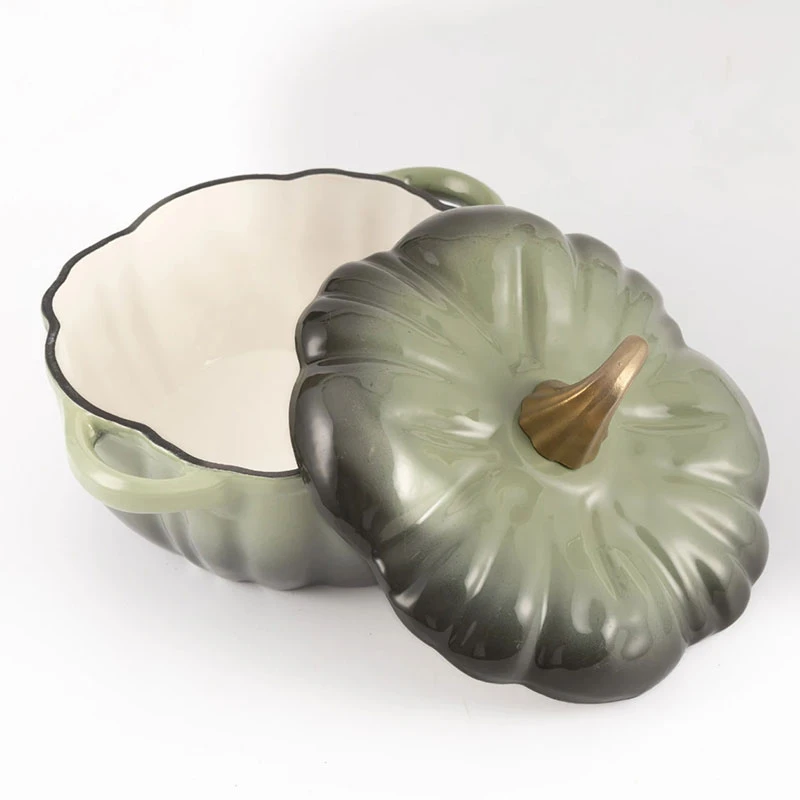
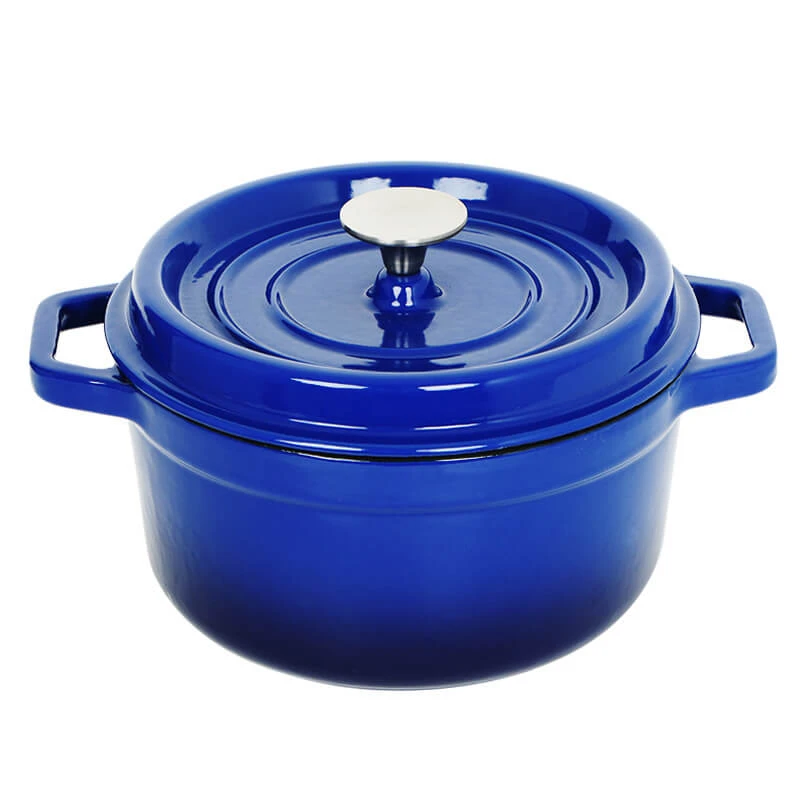
Simply put, a cast iron oven is a cooking appliance constructed primarily from cast iron, a material made by melting iron with a small amount of carbon and pouring it into molds. The result is a heavy, dense, and incredibly heat-retentive cooking vessel that can be a freestanding oven, a stove insert, or an enclosed baking pot.
Compared to modern, thin steel-based ovens, cast iron ovens hold heat longer and distribute it evenly, often eliminating hotspots. This characteristic is invaluable not only in home kitchens but also in humanitarian and industrial settings where fuel efficiency and reliability are paramount.
Oddly enough, these ovens symbolize a fusion of old-world craftsmanship and modern sustainability demands. They cater to both traditional cooking styles and the need for durable, low-maintenance equipment in challenging environments.
Core Characteristics of Cast Iron Ovens
- Durability: Cast iron withstands decades of heavy use, often improving with time if maintained properly.
- Heat Retention: Its heat capacity means cooking at steady temperatures, which is crucial for baking bread, roasting meats, or slow-cooking stews.
- Energy Efficiency: They require less continuous heat input—great for locations where fuel or electricity is scarce or expensive.
- Versatility: From stovetop to oven baking, these ovens adapt across cooking methods.
- Cost Effectiveness: The upfront investment tends to pay off over years, with minimal energy waste and low maintenance.
Mini takeaway: Cast iron ovens aren’t just “old school”—they represent a smart blend of functional design and sustainability that’s increasingly relevant worldwide.
How Cast Iron Ovens Are Used Around the World
The cast iron oven’s utility scales beyond the kitchen. For instance, in post-disaster relief efforts, NGOs often rely on cast iron ovens and cookware for safe, reliable meal preparation with limited fuel.
A case in point: In regions of Sub-Saharan Africa where local wood fuel harvesting strains forests, organizations promote cast iron ovens as an energy-saving alternative that dramatically reduces wood consumption. In rural China and Eastern Europe, households treasure these ovens for their ability to cook multiple meals while staying warm in the winter.
Industrial bakeries in Europe and the U.S. still swear by cast iron ovens, sometimes customizing them for artisanal bread that benefits from the material’s even heat distribution.
| Specification | Details |
|---|---|
| Material | High-grade cast iron with enamel coating options |
| Dimensions | From compact 12-inch models to 24-inch professional ovens |
| Heat Capacity | Typically holds temperatures from 100°C to 260°C evenly |
| Fuel Compatibility | Wood, charcoal, gas, electric stove top |
| Weight & Portability | Heavy (up to 20 kg or more) but often comes with handles or carriers |
| Maintenance | Seasoning with oil to prevent rust; occasional re-enameling for coated versions |
Mini takeaway: From remote villages reliant on wood fires to high-tech culinary ateliers, cast iron ovens wear many hats and serve multiple needs.
Why Choose a Cast Iron Oven? Key Benefits & Long-Term Value
- Cost Savings: Reduced fuel use means less spending and environmental impact.
- Environmental Sustainability: Energy-efficient cooking reduces carbon emissions.
- Reliability and Longevity: A properly cared-for cast iron oven can last several decades, often outperforming modern appliances.
- Cultural and Social Impact: Provides a cooking method that supports traditional cuisines and techniques, preserving culinary heritage.
- Safety: Heavy lids and solid construction reduce accidental burns and improve consistent heating.
In telling this story, experts often emphasize trust. People trust cast iron ovens for their reliability and durability — it’s a connection to cooking’s roots, enhanced by modern needs.
Future Trends: Innovation Meets Tradition in Cast Iron Ovens
Recently, material scientists have been experimenting with new cast iron alloys and nano-coatings that increase rust resistance and reduce weight—kind of the holy grail for portability without sacrificing heat retention.
Moreover, some manufacturers integrate smart temperature monitors and connectable sensors into ovens, blending digital tech with traditional cookware to optimize baking times and fuel use.
I noticed growing interest in environmentally friendly enamels replacing older toxic coatings, meeting increasing global regulatory standards (hello, EPA and EU eco-standards).
Common Challenges and How to Overcome Them
- Weight: Cast iron ovens are heavy and can be hard to move—solution? Manufacturers add detachable handles and lighter cast blends (a few brands on the market).
- Rust Potential: Left unattended, cast iron can rust. Regular seasoning and care instructions solve this.
- Initial Cost: Higher upfront expense than cheap cookware—though longevity offsets it.
- Fuel Accessibility: Wood or charcoal may not always be available; hybrid models improve versatility.
Expert insight: Many users found combining cast iron ovens with solar cookers or biodigesters in rural areas significantly expands sustainable uses.
FAQ: A Few Questions You Might Have on Cast Iron Ovens
- Q: Are cast iron ovens suitable for electric stove tops?
- A: Absolutely! Cast iron distributes heat very evenly on electric cookers, but consider weight limits of your stovetop. Use heat diffusers if needed for glass tops.
- Q: How often should I season my cast iron oven?
- Seasoning depends on frequency of use but generally once every few weeks keeps it non-stick and rust-free. Avoid soap that strips oils.
- Q: Can cast iron ovens be used outdoors?
- Yes, they’re perfect for camping or outdoor cooking — just protect them from moisture when not in use.
- Q: What’s the typical lifespan of a cast iron oven?
- With proper care, 30+ years is common, and many antique ovens are still in daily use.
- Q: How does a cast iron oven compare to a typical steel oven?
- The cast iron oven retains heat longer, cooks more evenly, and generally lasts longer, though it weighs more.
Bringing It All Together
All in all, cast iron ovens represent a fascinating intersection of tradition, efficiency, and global practicality. They answer real-world challenges: energy scarcity, need for durability, cultural preservation, and sustainability. Whether you’re baking bread, roasting meats, or supporting disaster relief kitchens, they deserve a place on your radar.
Interested in checking out high-quality options or learning more about enhancing your kitchen setup? Visit our website: cast iron oven for robust solutions that marry craftsmanship with smart innovation.
| Brand | Price Range | Weight | Unique Feature |
|---|---|---|---|
| Lodge | $40 - $150 | 12-20 lbs | Classic American design, reliable seasoning |
| Le Creuset | $300 - $600 | 18-22 lbs | Enameled finish, vibrant colors |
| Victoria | $50 - $120 | 15-21 lbs | Heavy-duty, budget-friendly |
Final reflection: If the past teaches us anything, it’s that resilience and time-tested solutions matter most. Cast iron ovens are not just vintage relics—they’re sustainable tools for cooking well into the future.
References:
-
Antique Cast Iron Camp Oven: Durable Outdoor Cookware for Professionals | ZD CookwareNewsJan.06,2026
-
Durable 4 Quart Camping Pot for Professional Use | ZD CookwareNewsJan.06,2026
-
Durable Campfire Cast Iron Pot for Outdoor & Industrial UseNewsJan.06,2026
-
Cast Iron Griddle for Camp Stove – Durable Outdoor Cooking EssentialNewsJan.06,2026
-
Dutch Oven Cast Iron Camping – Durable Outdoor Cooking GearNewsJan.05,2026
-
Durable and Efficient Cast Iron Camping Griddle for B2B Professionals | ZD CookwareNewsJan.05,2026