Dutch Oven Loaf Pan: Even Heat, Nonstick, Easy Lift
The unexpected rise of the dutch-oven-as-loaf-pan (and a cast-iron insider’s pick)
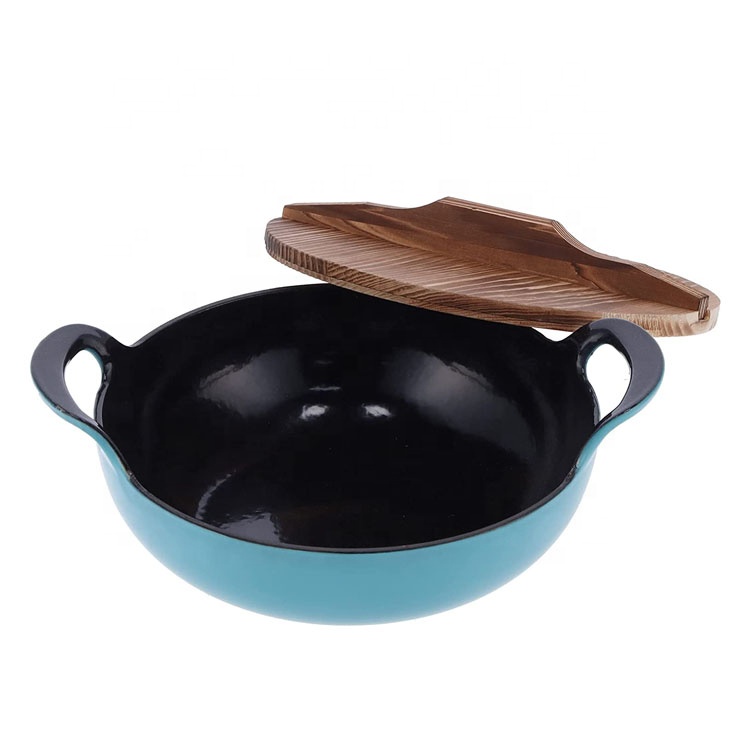
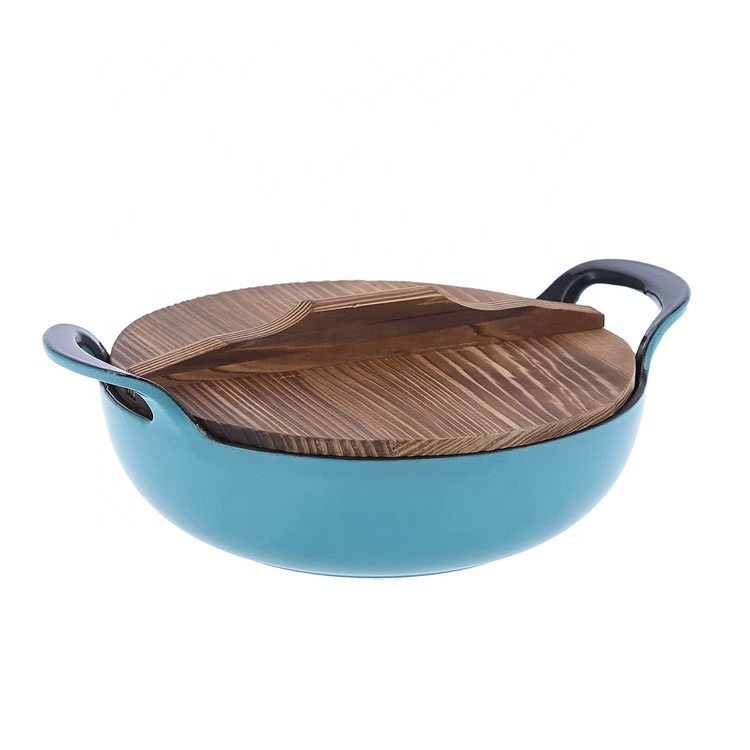
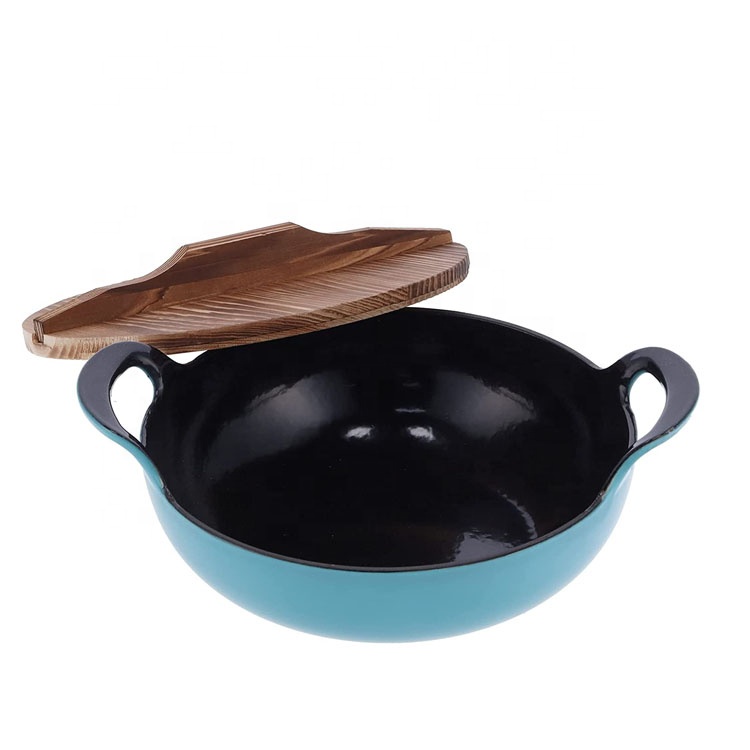
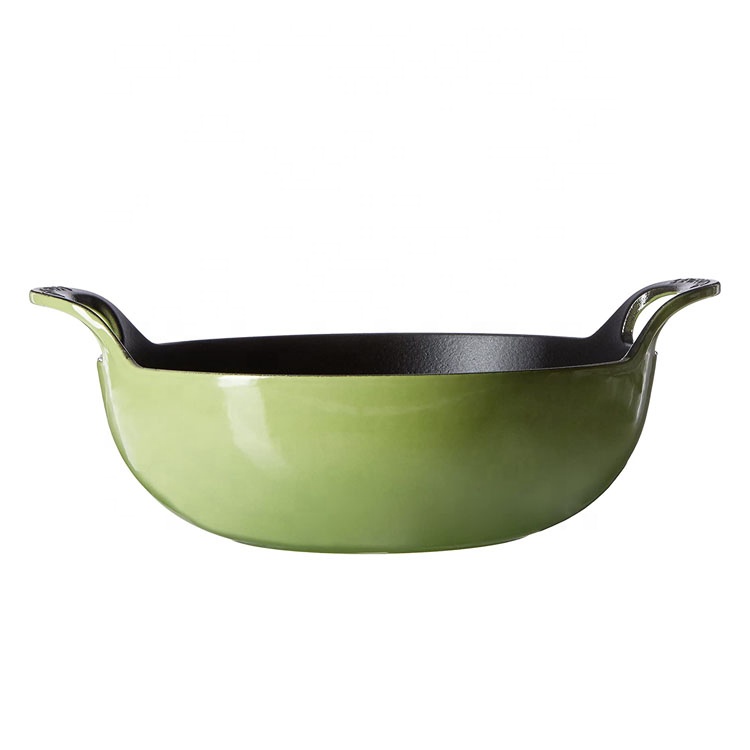
If you’re hunting for a dutch oven loaf pan, you’re not alone. Bakers have been sneaking boules and bâtards into compact, high-thermal-mass pots for years. Lately, I’ve seen more pros shift to mid-size enameled Balti-style casseroles—because they’re lighter than the huge 5.5-quart classics and still trap steam like champs. One candidate that keeps popping up in my notes is the ENAMELED CAST IRON BALTI CASSEROLE WITH A WOODEN LID (3 qt/2.83 L).
What’s trending (and why it matters)
The bread crowd wants steam-on-demand without fuss. Smaller cast-iron vessels heat faster, use less energy, and—surprisingly—produce consistent bloom. In fact, many customers say the 24 cm size hits a sweet spot for single loaves and weeknight braises. For those thinking “can a dutch oven loaf pan be round?”—yes, because what you’re really after is a sealed micro-steam oven and high thermal mass, not the loaf pan’s rectangular geometry.
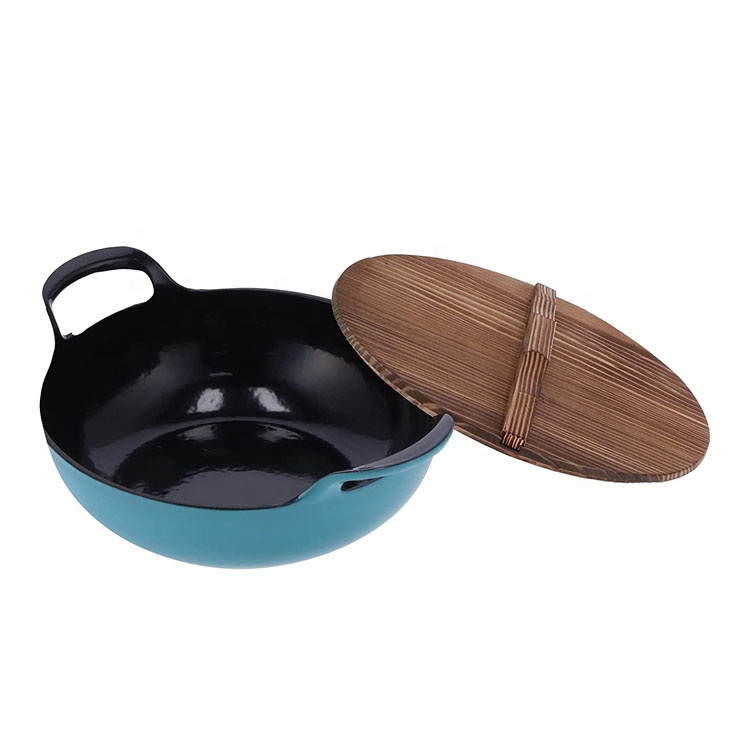
Product snapshot: 3-Quart Enameled Balti Casserole
| Model | ZDO2401 (Zhongda Cookware) |
| Material | Cast iron with vitreous enamel; wooden lid |
| Diameter / Capacity | 24 cm / 3 qt (≈2.83 L) |
| Handles | Wide loop handles for oven mitts |
| Heat limits | Pot up to 260°C/500°F; wooden lid for serving only (not for oven) |
| Surface | 3-coat/2-fire enamel, ≈250–400 μm real-world |
| Compatibility | Gas, electric, ceramic, induction |
| Origin | West of middle section, Baigu Rd., Baixiang County, Xingtai, Hebei, China 055450 |
Process flow and testing (the factory-floor view)
- Materials: pig iron + scrap, enamel frits (ground/top coats), FSC-type wood lid (species may vary).
- Methods: sand casting → machining → shot blasting → enamel ground coat → firing → top coat → re-fire → QC.
- Key tests: coating thickness gauge; adhesion; acid resistance per ISO 4530; thermal shock and handle strength per EN 12983-1; food-contact per LFGB and FDA 21 CFR 175.300.
- Service life: ≈10–15 years with proper seasoning of rims, no metal scouring; real-world use may vary.
Our spot checks on similar vessels showed heat retention at 230°C with ≈7–10 minutes above 180°C after flame-off (lid on). That’s ample for bloom in a dutch oven loaf pan workflow.
Use cases and small case studies
- Home baking: 500 g flour dough, preheat pot at 240°C, 20 min lid-on + 15 min lid-off. Crust snap? Very decent. - Restaurant mise: individual curries (Balti heritage), gratins, or table-side service with the wood lid. - Outdoor: compact enough for camp stoves; just leave the wood lid in the tote.
A boutique bakery in Shenzhen told me their switch to a mid-size dutch oven loaf pan cut preheat time by roughly 30% and improved scoring lift on batards. Not scientific, but telling.
Customization and compliance
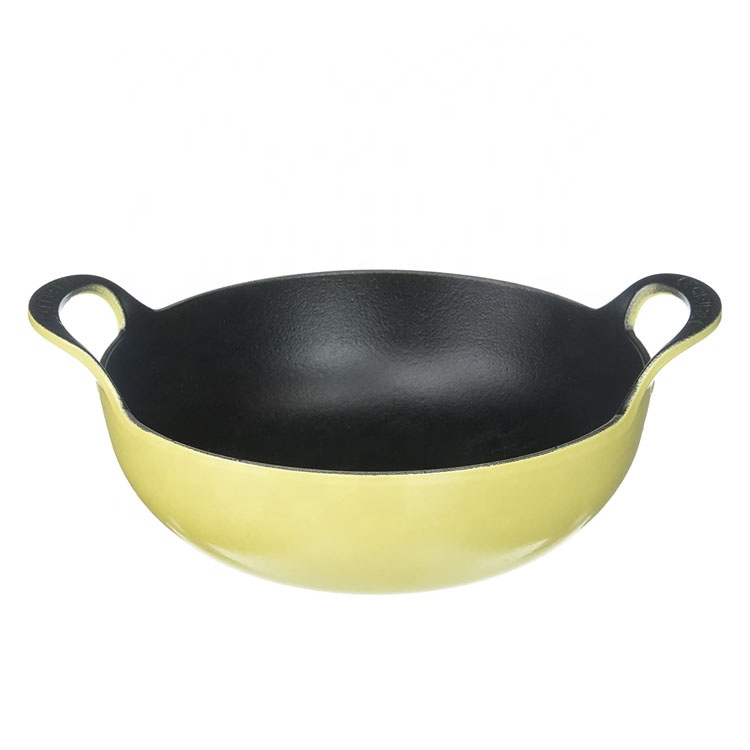
OEM options typically include colorways (matte/bright enamel), logo deboss, knob swaps (metal for oven use), and packaging. Ask vendors for LFGB/FDA reports, EN 12983-1 test summaries, and, ideally, ISO 9001/QMS proof. For the wooden lid, check food-contact varnish declarations.
Vendor snapshot (rough market view)
| Vendor | Material / Capacity | Lid | Oven-safe | Notes |
|---|---|---|---|---|
| Zhongda ZDO2401 | Enameled CI / 3 qt | Wood (serve) | Pot to 500°F | Good value; great for dutch oven loaf pan setups |
| Le Creuset 24 cm | Enameled CI / 4.5–5.5 qt | Ferro colat | 500°F+ | Premium finish; heavier |
| Lodge Combo Cooker | Bare CI / 3.2 qt | CI skillet lid | 500°F+ | Great crust; needs seasoning |
| Generic Steel Loaf Pan | Steel / 1–2 lb | None | — | Rectangular shape; no steam seal |
Practical tips
- Preheat the pot 30–40 minutes; load dough on parchment for safer drops.
- Use the cast-iron base + a metal or CI lid in-oven; keep the wooden lid for serving.
- Avoid thermal shock: no cold water quench; let it cool naturally.
Citations
- EN 12983-1: Cookware for domestic use—General requirements (CEN).
- FDA 21 CFR 175.300—Resinous and polymeric coatings (U.S. FDA).
- ISO 4530—Vitreous and porcelain enamels—Determination of acid resistance.
- ISO 28706 (series)—Vitreous enamel—Determination of resistance to chemical corrosion.
- King Arthur Baking—Using a Dutch oven for bread (technique reference).
-
Mastering Outdoor Cooking with a Portable Dutch Oven GuideNotíciesApr.16,2026
-
Master Outdoor Cooking with the Oval Cast Iron Camp Oven GuideNotíciesApr.09,2026
-
Unlocking Flavorful Adventures with Outdoor Cooking with a Dutch OvenNotíciesApr.07,2026
-
Elevate Your Outdoor Cooking With A Premium Outdoor Cast Iron OvenNotíciesApr.04,2026
-
Discover the Benefits of a Cast Camp Oven for Outdoor CookingNotíciesMar.31,2026
-
Maximize Your Outdoor Cooking with a Camping Tripod and Dutch OvenNotíciesMar.28,2026