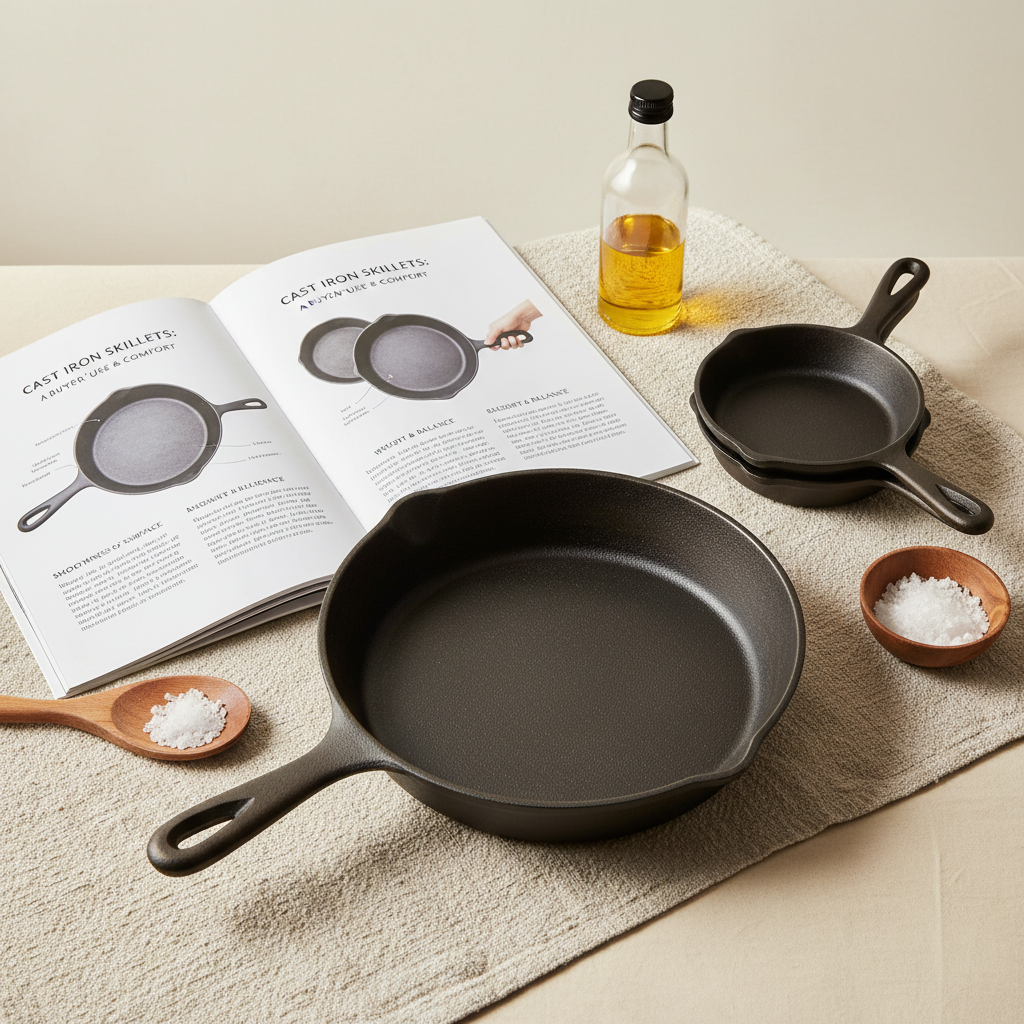
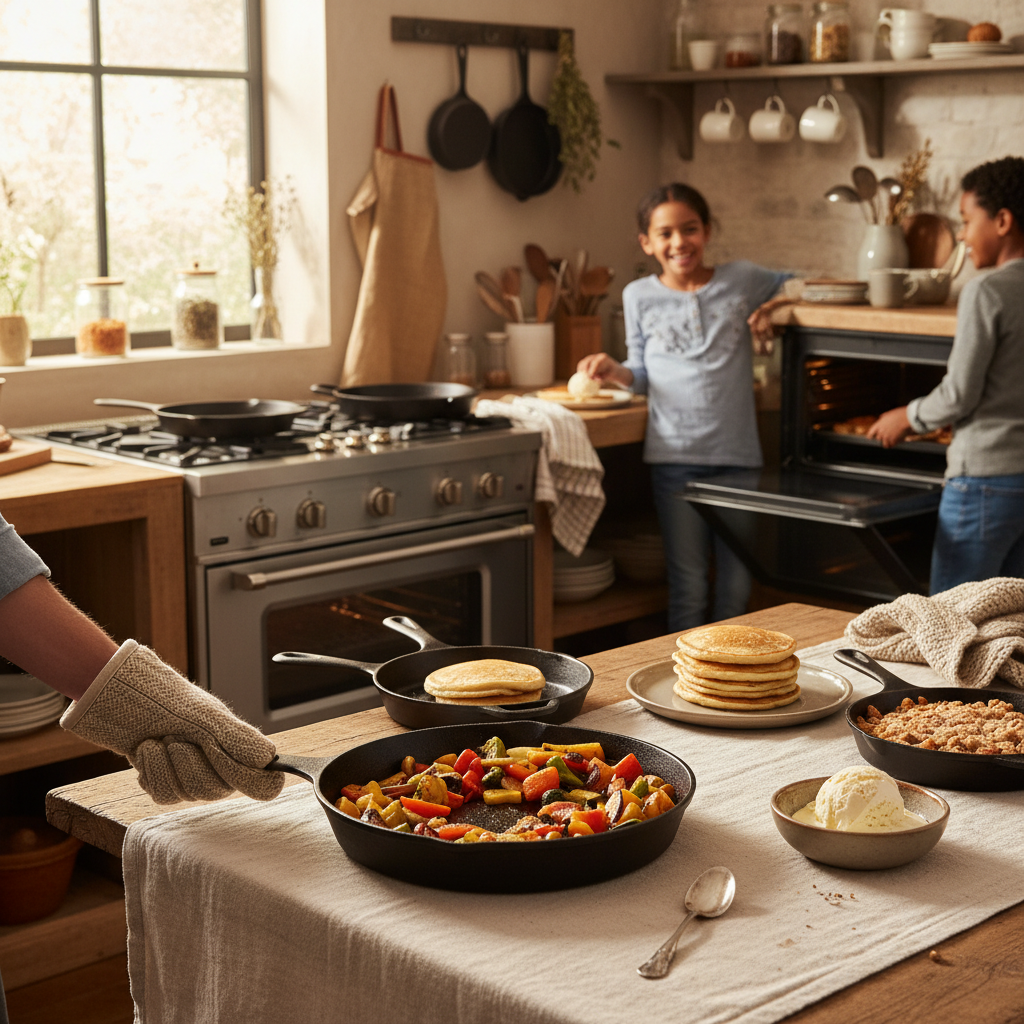
Choosing a good cast iron skillet is a cornerstone of any well-equipped kitchen, offering unparalleled versatility and durability. These skillets have been a staple for generations, prized for their ability to retain heat, provide even cooking, and impart a unique flavor to food. Understanding how to choose a good cast iron skillet goes beyond simply picking one off the shelf; it involves considering factors like material, weight, seasoning, and intended use.
The resurgence in popularity of cast iron cookware isn't merely a nostalgic trend. It reflects a growing desire for sustainable and long-lasting kitchen tools. According to a 2023 market report, the global cast iron cookware market is projected to reach $1.8 billion by 2028, driven by increased consumer awareness of its benefits and a shift towards healthier cooking methods. The ability to effectively learn how to choose a good cast iron skillet is becoming increasingly valuable.
Ultimately, selecting the right cast iron skillet enhances the cooking experience and provides a reliable tool for creating delicious meals for years to come. It’s an investment in quality, functionality, and a connection to culinary traditions. The considerations discussed will empower you to make an informed decision and choose a skillet perfectly suited to your needs and cooking style.
Understanding Cast Iron Composition
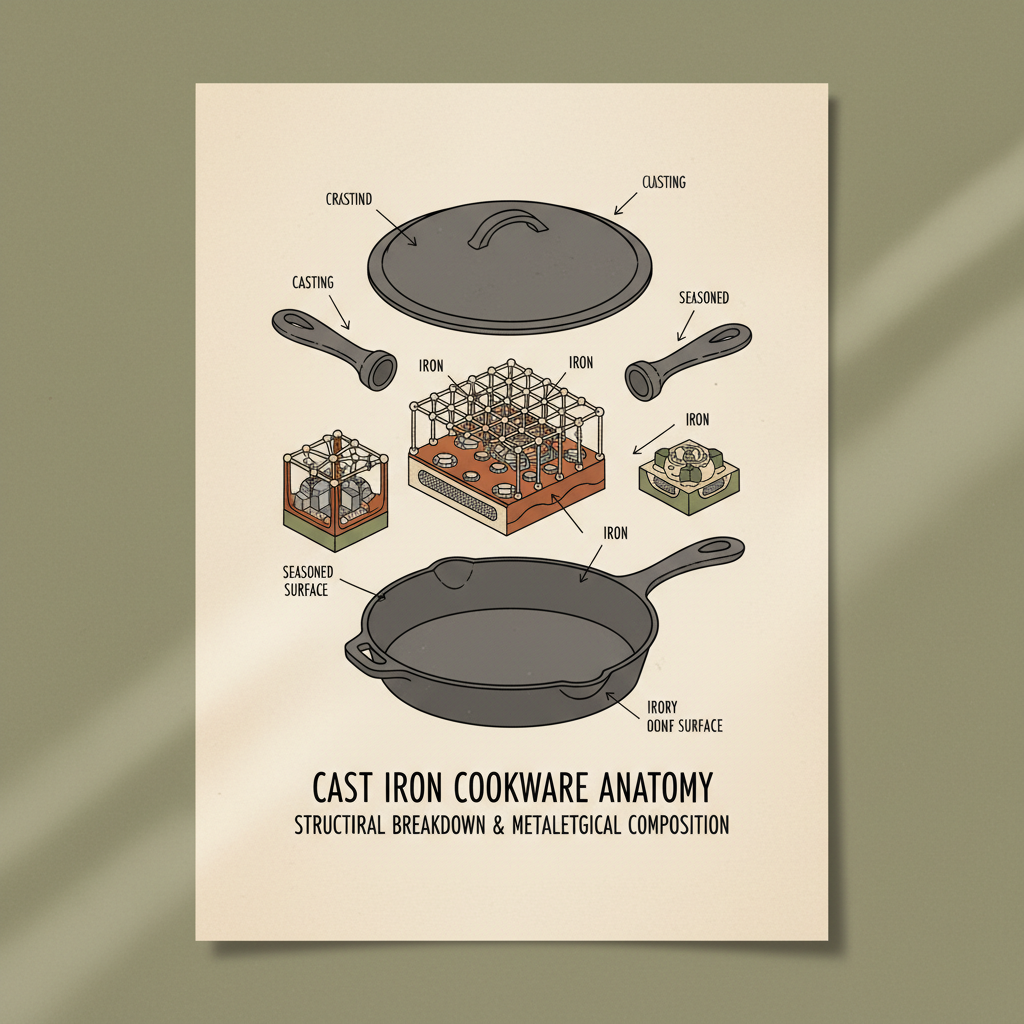
The composition of a cast iron skillet significantly impacts its performance and longevity. Traditional cast iron is primarily composed of iron with a small percentage of carbon, which gives it its hardness and durability. Modern cast iron skillets may incorporate alloys to improve their properties. how to choose a good cast iron skillet means understanding these differences.
Different types of cast iron exist, including standard cast iron, enamel-coated cast iron, and seasoned cast iron. Each type offers unique advantages. Enamel-coated cast iron, for example, is easier to clean and doesn’t require seasoning, while seasoned cast iron develops a natural non-stick surface over time.
Weight and Handle Design
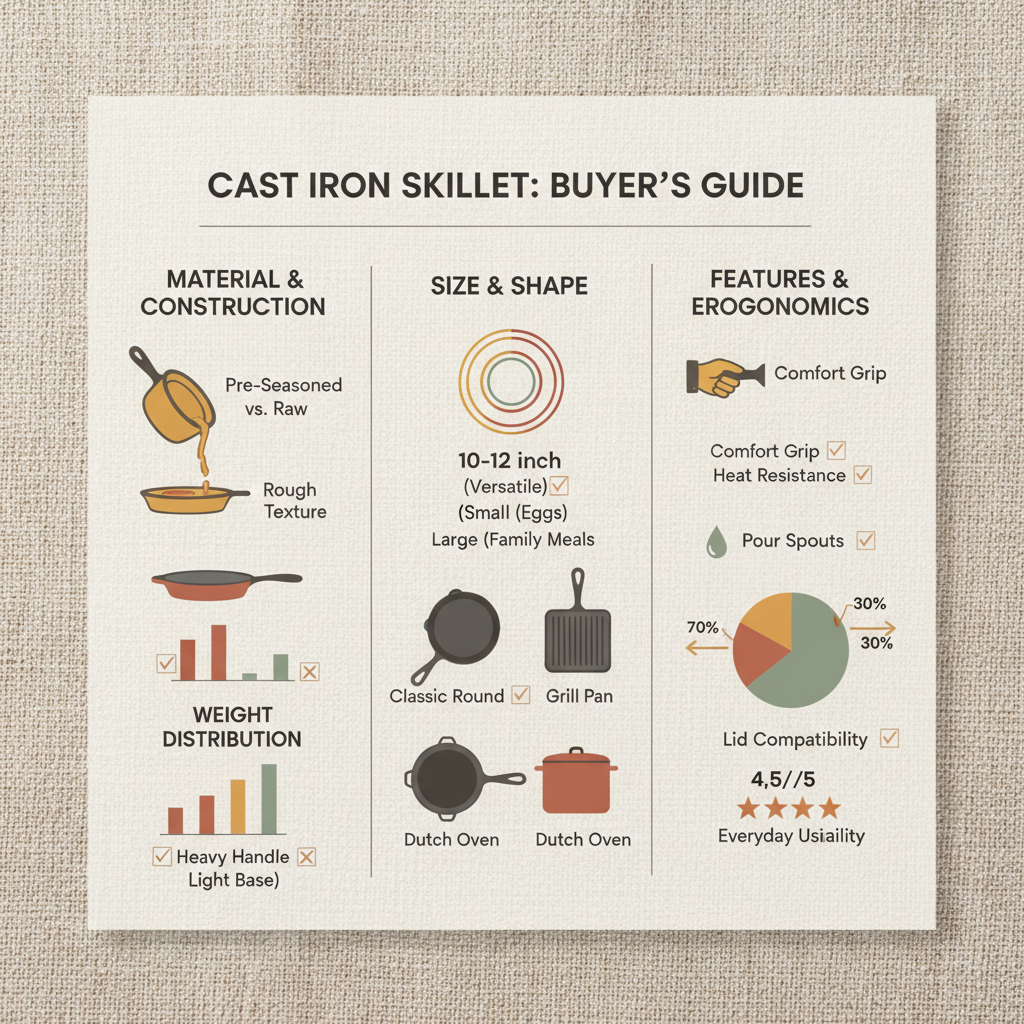
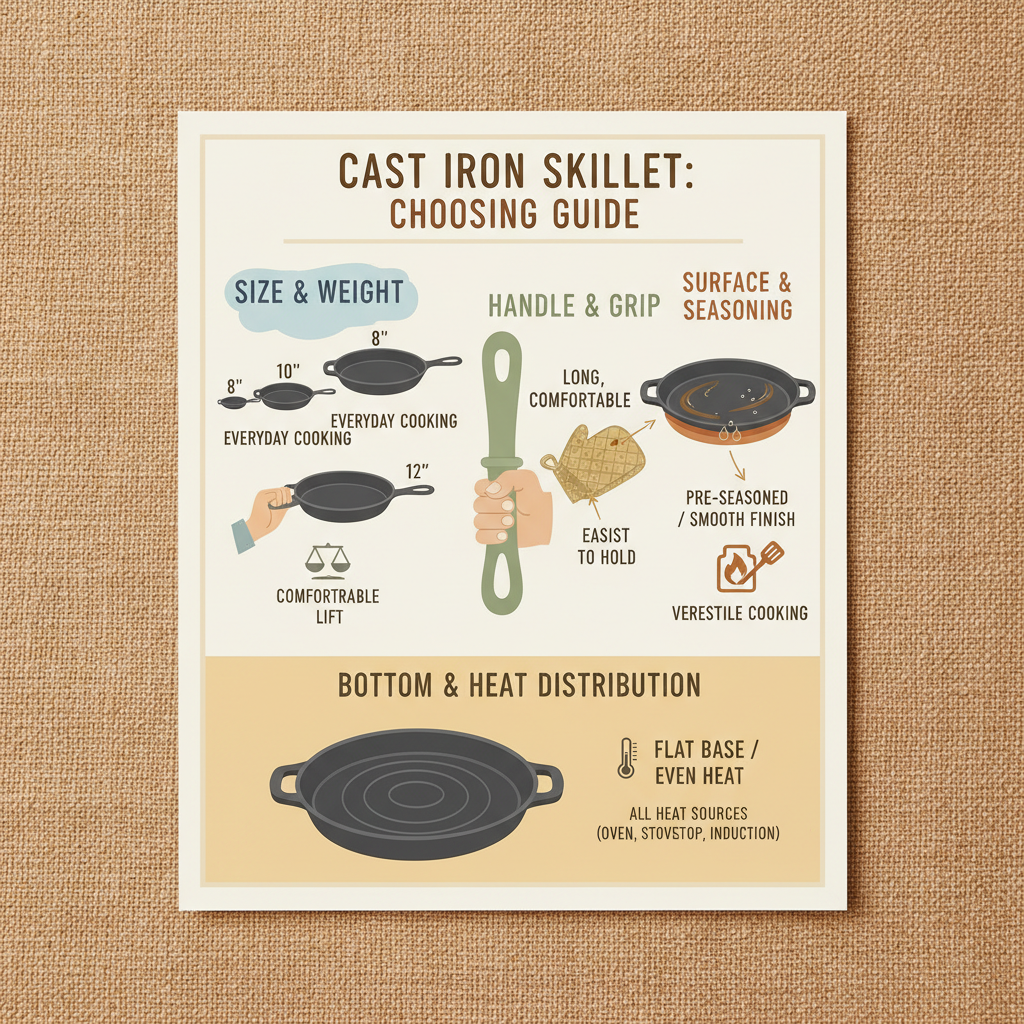
The weight of a cast iron skillet is a crucial consideration, especially for those new to using this type of cookware. Heavier skillets retain heat exceptionally well but can be challenging to maneuver. Balance this with your physical strength and cooking habits. how to choose a good cast iron skillet often depends on personal preference in this regard.
Handle design is equally important. Look for skillets with ergonomic handles that provide a comfortable and secure grip. Handles should be securely attached to the skillet and large enough to accommodate most hand sizes. Some skillets feature helper handles on the opposite side for easier lifting and pouring.
Consider the shape and length of the handle. A longer handle can offer better leverage, while a shorter handle might be more compact for storage. Ensure the handle material stays relatively cool during stovetop cooking, or be prepared to use a pot holder.
Seasoning and Surface Texture
Seasoning refers to the process of coating a cast iron skillet with thin layers of oil and baking it at high temperatures. This creates a natural, non-stick surface that prevents food from sticking and protects the iron from rust. Proper seasoning is essential when learning how to choose a good cast iron skillet.
The surface texture of a cast iron skillet can vary. Some skillets have a rough, pebbled surface, while others are smoother. A smoother surface is generally easier to clean and maintain, but a rougher surface can provide better non-stick properties when properly seasoned.
When purchasing a skillet, check the quality of the seasoning. It should be evenly distributed and free of any flaking or peeling. If the skillet is not pre-seasoned, you’ll need to season it yourself before using it.
Evaluating Manufacturing Quality
The quality of manufacturing significantly impacts the performance and durability of a cast iron skillet. Look for skillets made by reputable brands with a history of producing high-quality cookware. Understanding how to choose a good cast iron skillet involves scrutiny of the manufacturing process.
Examine the skillet for any defects, such as cracks, warps, or uneven surfaces. A well-made skillet should have a consistent thickness throughout and be free of any imperfections.
Manufacturing Quality Evaluation
Cast Iron Skillet Sizes & Shapes
Cast iron skillets come in a variety of sizes and shapes, each suited to different cooking tasks. Common sizes range from 8 inches to 12 inches in diameter. Smaller skillets are ideal for individual portions, while larger skillets are better for family meals.
Shape also plays a role. Round skillets are versatile for general cooking, while square or rectangular skillets are useful for searing and baking. Deep skillets are suitable for frying, while shallow skillets are best for sautéing.
Cost Considerations & Value
The price of a cast iron skillet can vary depending on its size, quality, and brand. Generally, you can expect to pay anywhere from $20 to $200 or more for a good-quality skillet. how to choose a good cast iron skillet shouldn’t solely revolve around price.
Consider the value you’re getting for your money. A well-made cast iron skillet can last a lifetime with proper care, making it a worthwhile investment. Don't necessarily equate a higher price with better quality, but be wary of extremely cheap skillets, as they may be made from inferior materials.
Factor in the cost of seasoning supplies, such as oil, if you're purchasing an unseasoned skillet. Also, consider any additional accessories, such as lids or handle covers, that you may need.
Care and Maintenance for Longevity
Proper care and maintenance are essential for extending the life of your cast iron skillet. Avoid using harsh soaps or abrasive cleaners, as these can damage the seasoning. Instead, clean the skillet with hot water and a soft sponge.
After cleaning, dry the skillet thoroughly and lightly coat it with oil to prevent rust. Store the skillet in a dry place. Regular seasoning will help maintain the skillet’s non-stick surface and protect it from corrosion.
While cast iron is incredibly durable, it can be susceptible to cracking if subjected to extreme temperature changes. Avoid placing a hot skillet in cold water, and allow it to cool gradually before cleaning.
Summarizing Key Maintenance Practices for Cast Iron Skillets
| Cleaning Method |
Seasoning Frequency |
Storage Conditions |
Temperature Shock Avoidance |
| Hot water and gentle sponge |
After each use, or as needed |
Dry, ventilated area |
Avoid sudden temperature changes |
| Avoid harsh detergents |
Every 3-6 months for deep seasoning |
With a light coating of oil |
Allow to cool before washing |
| No steel wool or abrasive cleaners |
After restoring a rusted skillet |
Prevent moisture buildup |
Never quench a hot skillet in water |
| Use a pan scraper for stuck-on food |
As needed to maintain non-stick surface |
Separate from other cookware |
Gradual temperature adjustments |
| Dry immediately after washing |
Consistent oiling after cleaning |
Avoid stacking without protection |
Warm the skillet gradually |
| Hand wash only |
Apply thin, even layers of oil |
Check for rust regularly |
Avoid placing in a cold sink |
FAQS
The most effective way to season a new cast iron skillet involves applying a very thin, even coat of oil (like flaxseed, canola, or vegetable oil) to all surfaces, inside and out. Then, bake it upside down in a preheated oven at 450-500°F for an hour. Allow it to cool completely in the oven. Repeat this process 2-3 times for a solid base seasoning. This builds up polymerized oil layers which create the non-stick surface.
To remove rust from a cast iron skillet, start by scrubbing it with steel wool or a wire brush to remove the loose rust. Then, wash the skillet with hot, soapy water. After drying it thoroughly, re-season it by applying a thin coat of oil and baking it in the oven as described in the seasoning process. Persistent rust may require a vinegar soak (50/50 vinegar/water) for 30 minutes, followed by thorough scrubbing and re-seasoning.
While it was traditionally advised against, modern dish soaps are generally safe to use on well-seasoned cast iron. The key is to use a mild soap and avoid prolonged soaking. Rinse thoroughly and dry immediately. Aggressive scrubbing or harsh detergents can strip away the seasoning, so use caution. The goal is to maintain seasoning while cleaning.
Cast iron is incredibly versatile and excels at cooking a wide range of foods! It’s fantastic for searing meats, baking cornbread, frying chicken, making pancakes, roasting vegetables, and even simmering sauces. Its excellent heat retention makes it ideal for achieving a beautiful crust on steaks and maintaining consistent temperatures for delicate dishes.
Preventing food from sticking relies on maintaining a well-seasoned surface. Ensure the skillet is properly preheated before adding food. Using enough oil or fat is also crucial. Avoid overcrowding the skillet, as this can lower the temperature and cause sticking. If food does stick, allow it to cool slightly before gently scraping it loose.
Cooking acidic foods like tomatoes in cast iron can potentially strip away some of the seasoning, but it's generally safe for short cooking times. Prolonged simmering of highly acidic foods may impart a metallic taste and damage the seasoning. If you frequently cook acidic dishes, consider using an enamel-coated cast iron skillet or seasoning your skillet more frequently.
Conclusion
In conclusion, understanding how to choose a good cast iron skillet is an investment in a cooking companion that will last for generations. By considering factors like composition, weight, seasoning, manufacturing quality, and care, you can select a skillet that perfectly matches your needs and cooking style, leading to more enjoyable and flavorful culinary experiences.
The versatility, durability, and heat retention of cast iron make it a valuable addition to any kitchen. Embrace the tradition of cast iron cooking, and with proper care, you’ll enjoy countless meals cooked to perfection. Visit ZD Cookware today to explore our selection of high-quality cast iron skillets and accessories.