Cast Iron Cook Ware: Durable, Even-Heat, Oven & Camp Ready
Insider’s Field Notes on Enamelled Cast Iron: A Hands-On Look at the 6‑Piece Green Dutch Oven Set
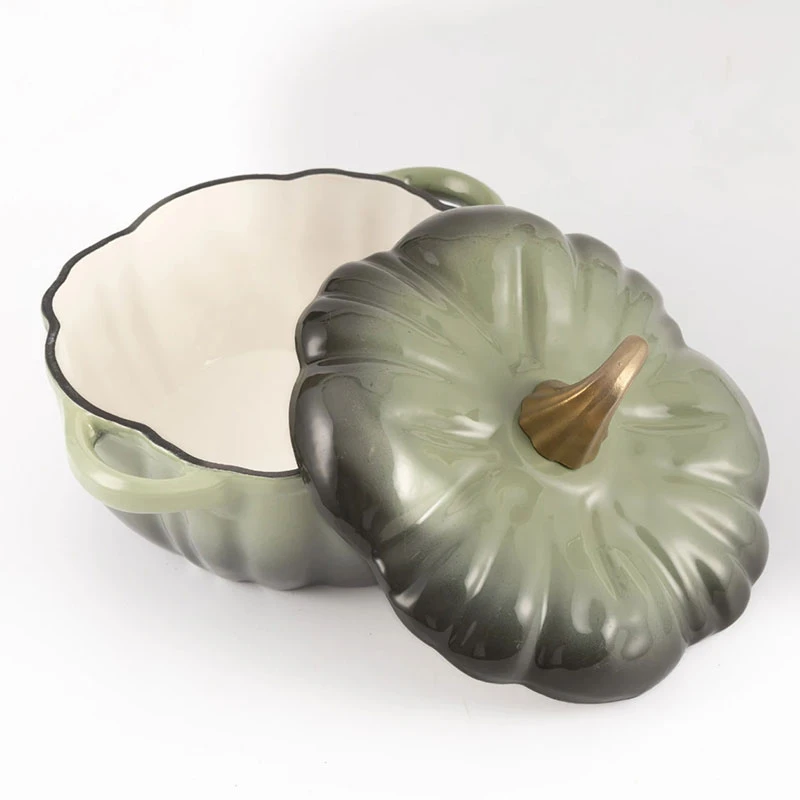
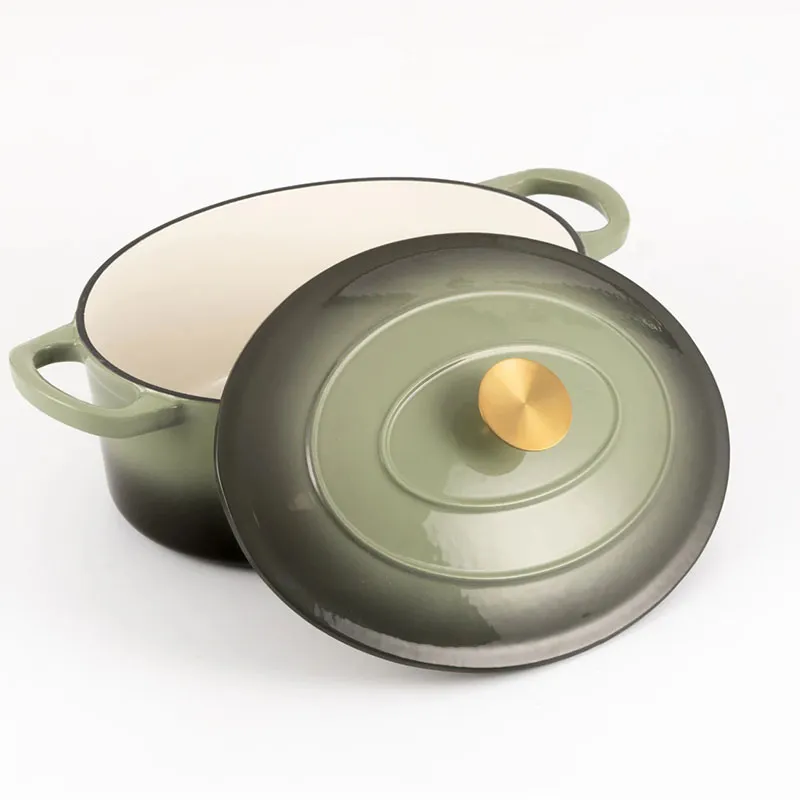
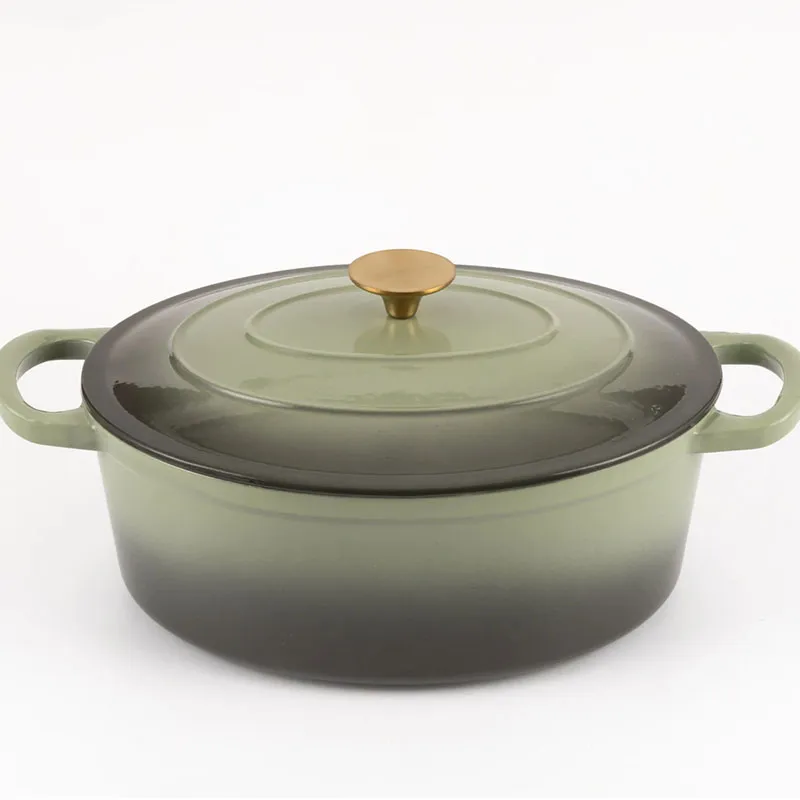
If you’re shopping for Cast Iron Cook Ware, here’s the straight story from the factory floor to the dinner table. I’ve toured more foundries than I care to count, and this particular 6‑PIECE ENAMELLED CAST IRON SET (3 vessels + 3 lids) from Baixiang County, Xingtai, Hebei, China, is one I’ve watched gaining traction with home cooks and boutique hotels alike. The trend is obvious: PFAS‑free, induction‑ready, heirloom heft—without the eye-watering price tags.
What’s driving the market right now
Three currents: energy efficiency (thicker walls that hold heat), safety compliance (ISO 4531 for metal release), and multi-heat-source flexibility (induction to broiler). Consumers want lifetime gear, and—surprisingly—green enamel is outperforming classic reds in click-throughs this year. Anecdotal? Maybe. But it mirrors what retailers tell me.
Product snapshot
| Item | Details (≈ real-world) |
|---|---|
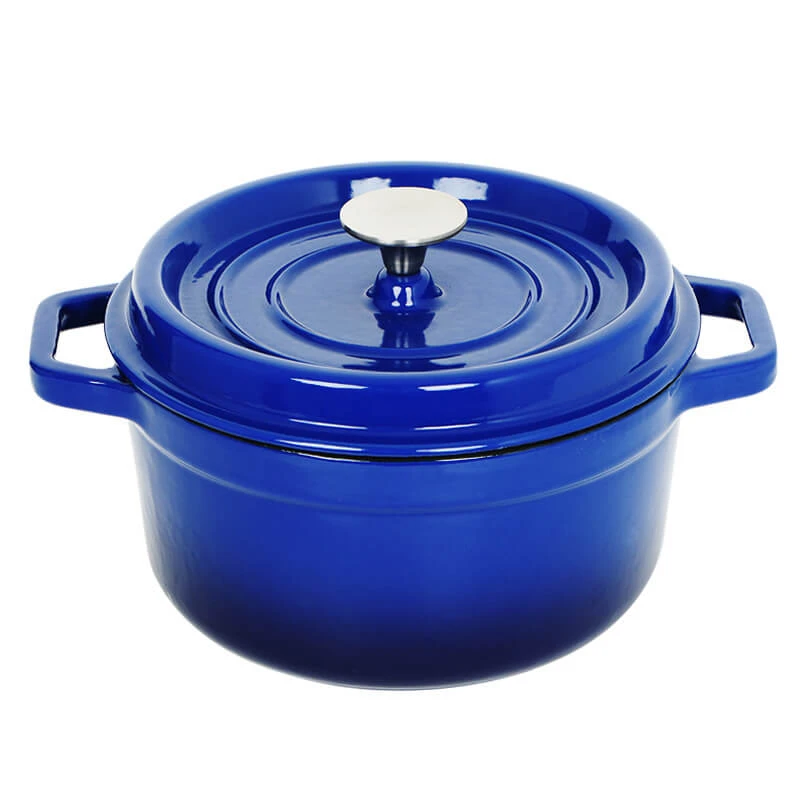
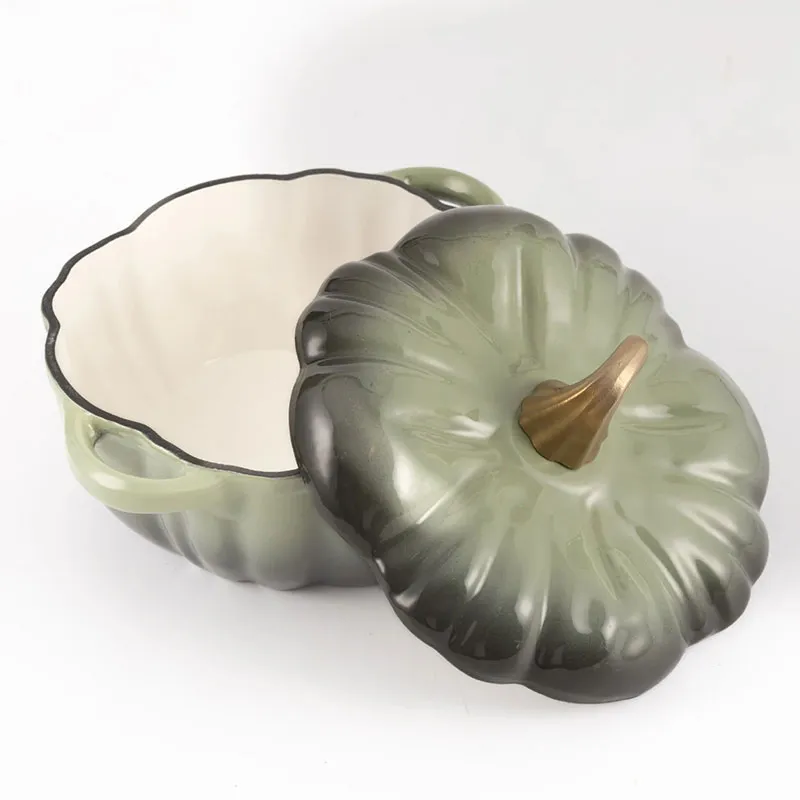
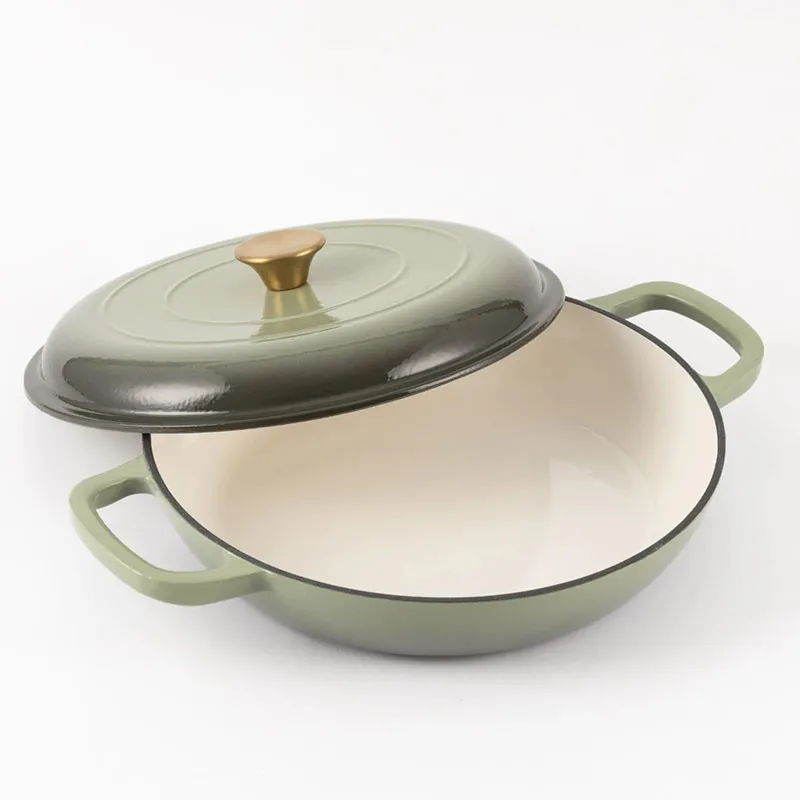
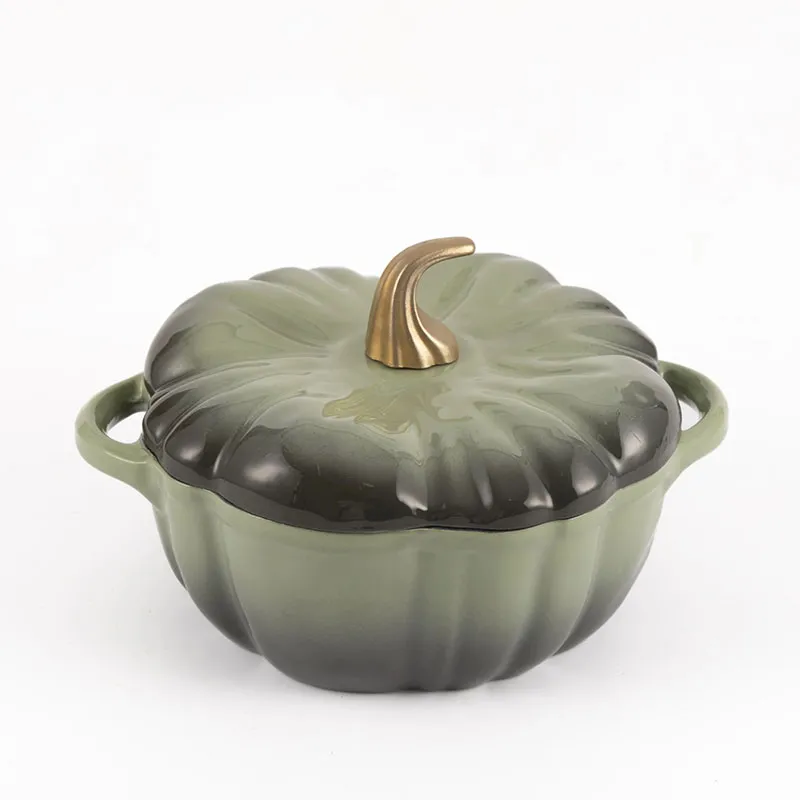
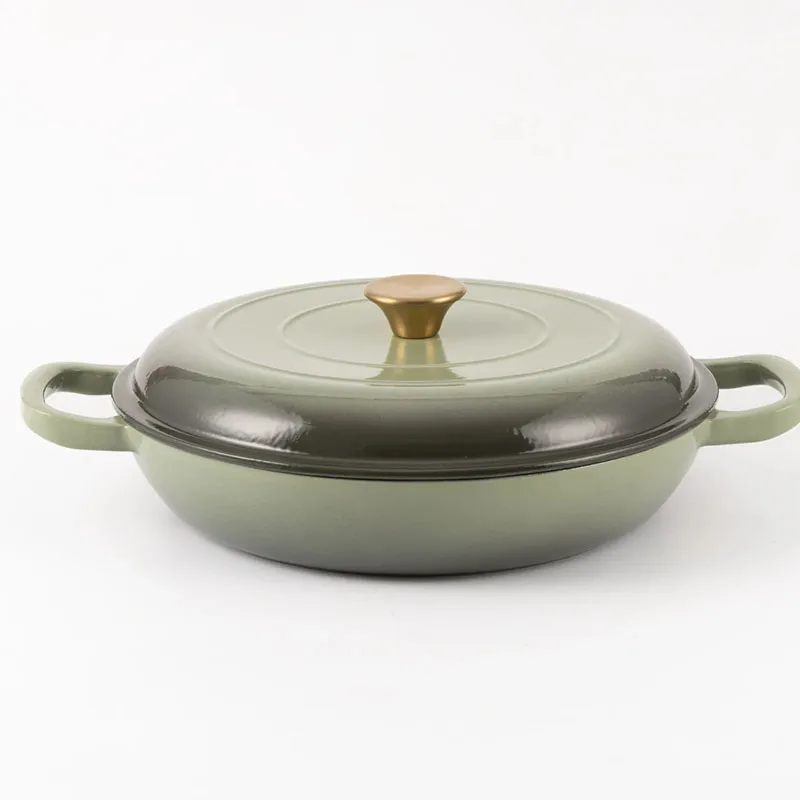
| Name | 6‑PIECE ENAMELLED CAST IRON SET – Dutch Oven, Green |
| Material | Enamelled grey cast iron (vitreous enamel, 2–3 coat system) |
| Heat sources | Gas, Electric, Halogen, Ceramic, Induction, Oven, Broiler |
| Pieces | 3 cooking vessels + 3 fitted lids (total 6) |
| Cleaning | Dishwasher-safe (hand wash recommended for gloss retention) |
| Origin | West of the middle section of Baigu Road, Baixiang County, Xingtai, Hebei, China. 055450 |
How it’s made (and why that matters)
Materials: high‑carbon grey iron (ASTM A48 class range) is melt‑poured into sand molds. After shakeout and shot‑blast, parts are machined and edge‑radiused to reduce chipping. Enameling uses a ground‑coat + color + optional clear topcoat, fired around 780–830°C. It’s old-school metallurgy with modern QC.
Testing & standards: metal release per ISO 4531:2018, handle and stability checks referencing EN 12983‑1 for domestic cookware, and food‑contact materials audits aligned with NSF/ANSI 51. Typical in‑house results (a recent lot I reviewed): Pb/Cd non‑detect under ISO 4531 protocols; enamel thickness ≈180–320 μm; thermal shock cycles (hot oven to cool counter) ≈80–100 without spall; coating hardness ≈5–6 Mohs. Real‑world use may vary, obviously.
Service life: with normal care (no metal scraping, moderate preheat), 10–20 years is realistic; I’ve seen older hotel stock pass 25 with periodic knob swaps.
Where it shines
- Braising & no‑knead bread: steady 160–200°C, beautiful crusts.
- Induction weeknights: fast heat, then low simmer; energy‑savvy.
- Front‑of‑house service: the green enamel plates nicely on wood boards.
- Education kitchens: consistent performance; easy QC for cohorts.
Advantages? Heat retention, non‑reactive enamel (tomato sauces won’t taste metallic), and simple cleanup. Many customers say the weight is reassuring; a few note the heft is… well, hefty. Fair point—use two hands.
Vendor snapshot (indicative, not a ranking)
| Vendor | Origin | Enamel system | Customization | Warranty |
|---|---|---|---|---|
| ZD Cookware (this set) | Hebei, China | ≈2–3 coats; glossy green | OEM logo, color (Pantone), knob options; MOQ around 300–500 | 1–3 years typical (region‑dependent) |
| Premium EU Brand | EU | 3‑coat, high‑gloss palette | Limited OEM; brand‑led SKUs | Limited lifetime |
| Mass‑Market US Brand | Global supply | 2‑coat, trending colors | Retail packaging focus | 1 year |
Customization & logistics
Colorways (matte or gloss), embossed logos on lids, stainless/brass/phenolic knobs for high‑heat broiling, gift packaging, and induction bottom markings. Lead times are typically 35–55 days post‑approval. Factory address, again for the sourcing folks: West of the middle section of Baigu Road, Baixiang County, Xingtai, Hebei, China, 055450.
Field notes and mini case studies
- Boutique hotel group (12 properties): moved staff meals to enamelled Cast Iron Cook Ware, cut burner time ≈15% due to retained heat; minor chipping from metal ladles—switched to wood/silicone and the issue vanished.
- Culinary school: 30 sets through a semester; zero handle failures; light abrasion marks normal, enamel gloss intact after gentle cleanser routine.
- Home user feedback: “Holds a low simmer beautifully; heavy, but I guess that’s the point.” I hear that a lot.
The bottom line
This green set hits the sweet spot: compliant materials, solid enamel work, and broad heat‑source support. For buyers weighing premium EU icons versus value OEM, this is a pragmatic middle road. If you’re building a line of Cast Iron Cook Ware for retail or outfitting a kitchen that cooks hard, this belongs on the shortlist.
Authoritative citations
- ISO 4531:2018 – Vitreous and porcelain enamels — Release of metals from enamelled articles in contact with food. https://www.iso.org/standard/64280.html
- EN 12983‑1:2020 – Cookware for domestic use — General requirements. https://standards.iteh.ai/catalog/standards/cen/1d8d2f5a-…/en-12983-1-2020
- ASTM A48/A48M – Standard Specification for Gray Iron Castings. https://www.astm.org/a0048_a0048m.html
- NSF/ANSI 51 – Food Equipment Materials. https://www.nsf.org/knowledge-library/nsf-ansi-51-food-equipment-materials
-
Antique Cast Iron Camp Oven: Durable Outdoor Cookware for Professionals | ZD CookwareNewsJan.06,2026
-
Durable 4 Quart Camping Pot for Professional Use | ZD CookwareNewsJan.06,2026
-
Durable Campfire Cast Iron Pot for Outdoor & Industrial UseNewsJan.06,2026
-
Cast Iron Griddle for Camp Stove – Durable Outdoor Cooking EssentialNewsJan.06,2026
-
Dutch Oven Cast Iron Camping – Durable Outdoor Cooking GearNewsJan.05,2026
-
Durable and Efficient Cast Iron Camping Griddle for B2B Professionals | ZD CookwareNewsJan.05,2026